Do I Roll Lawn Before Seeding: A Beginner’s Guide to Success
Figuring out if you should do i roll lawn before seeding is a common question when you’re starting a new lawn or trying to fix up an existing one. It can feel like there are so many steps, and you want to get it right! This guide will break down the process step by step, making it easy to see if rolling is the right move for your lawn. You’ll soon have the knowledge to create a lush, green space you can be proud of.
Reasons to Consider Rolling Your Lawn Before Seeding
Deciding if you should roll your lawn before seeding is an important part of the process. Rolling can really help get your lawn ready for those new grass seeds. It’s like giving your lawn a nice, smooth surface to work with. If the ground isn’t level, you might end up with an uneven lawn. This could lead to problems with drainage and make it harder for your grass to grow evenly. This section explores why rolling can make a big difference, especially for new lawns or those with existing issues.
Leveling the Soil Surface
One of the main reasons to consider rolling before you seed is to smooth out the soil. The goal is to create a flat, even surface, so the seeds can germinate uniformly and establish a strong root system. A level surface also helps with water distribution and prevents puddling or dry spots. This is extremely important because seeds need consistent contact with the soil to sprout. When the ground is uneven, some seeds might be too deep, while others are exposed and dry out. Rolling helps fix all that.
-
- Eliminate High and Low Spots: Uneven ground leads to problems. High spots can dry out quickly, and low spots can collect water and create soggy areas. Rolling smooths these out.
Rolling helps flatten out any bumps or dips in the soil. Imagine your lawn as a giant puzzle where each seed is a piece. If the ground is bumpy, the puzzle won’t fit together well. Rolling makes sure all the pieces (seeds) are in the right place.
-
- Improve Seed-to-Soil Contact: Good contact is essential. Rolling presses the seeds into the soil, ensuring they have good contact with moisture.
The closer the seed is to the soil, the better it can absorb water, which is like the seed’s food and drink. Pressing the seeds into the soil helps them absorb this water faster.
-
- Aid in Even Water Distribution: A level surface allows for even watering. Water doesn’t run off, and every part of your lawn gets the moisture it needs.
Think of it like pouring water on a table. If the table is level, the water spreads out smoothly. The same goes for your lawn. Rolling makes sure the water doesn’t pool up in one place or drain away too quickly.
-
- Enhance Mowing Experience: A smooth lawn is easier to mow. You won’t have to worry about the mower scalping high spots or missing low spots.
A level lawn will help you have an easier time mowing. Plus, it will allow you to cut your grass at a uniform height to help promote healthy growth.
Preparing the Seedbed
Rolling doesn’t just make the surface level; it helps to prepare the seedbed too. The seedbed is where the magic happens – where your grass seeds take root and grow. Preparing a good seedbed makes a big difference in the final look and health of your lawn. Proper preparation helps the grass grow strong and healthy.
-
- Loosening Compacted Soil: Rolling can help break up compacted soil. Compacted soil doesn’t let the roots grow properly.
Imagine the soil is like a tightly packed box. Roots can’t easily spread through tightly packed soil. Rolling lightly loosens the soil. This makes it easier for roots to grow and get the nutrients they need.
-
- Creating a Favorable Environment for Seed Germination: Rolling improves the conditions for seeds to sprout. This means more of your seeds will grow.
Rolling encourages the right mix of air and soil for the seeds to germinate. This helps create an area where the seeds can sprout quickly and grow into healthy plants.
-
- Improving Water Retention: A well-prepared seedbed helps hold onto water. This is essential, particularly when the seeds are sprouting and need constant moisture.
The soil holds onto water much better. Seeds can then soak up the water that they need to sprout and grow. This helps reduce the need for constant watering.
-
- Helping to Prevent Erosion: Rolling can protect your seeds from being washed away by rain or wind. This protects your investment in grass seed.
Rolling makes the surface more stable and reduces the chances of erosion. This is especially useful on sloped lawns where water tends to run off.
When Rolling Your Lawn Before Seeding Is the Right Move

Knowing when to roll your lawn before seeding is key. It’s not always necessary, so knowing when it is needed can save you time and effort. Rolling can be very useful in certain situations, making it easier for seeds to take root. This section will help you understand the perfect timing and the conditions that make rolling the best choice for your lawn care plan.
New Lawns
When starting a new lawn from scratch, rolling before seeding is usually a very good idea. This is because the ground is often uneven or hasn’t been properly prepared. Getting the soil level from the beginning can save you a lot of work later on. New lawns need every possible advantage to grow strong and healthy.
-
- Leveling for a Fresh Start: New lawns usually start with bare soil. Rolling can help flatten out any imperfections and provide a good starting surface.
If your soil hasn’t been leveled before, this can be an important step. This will provide a perfect foundation for your new lawn. Rolling ensures that your seeds have a smooth, even surface to take root in.
-
- Addressing Construction-Related Issues: Construction sites often leave soil compacted and uneven. Rolling can help fix this.
Construction can leave the soil very compacted and uneven. Rolling will break up the clumps. This step can help create a seedbed that’s perfect for growing new grass.
-
- Preventing Future Problems: Getting the soil level from the start prevents future problems. It’s a lot easier to fix things before the grass grows.
Rolling from the beginning helps you avoid future drainage problems. This makes your lawn easier to maintain over the years.
-
- Making Seeding Easier: A level surface makes seeding much easier. You can spread the seeds evenly without worrying about them getting washed away or buried too deep.
Rolling makes the entire seeding process simpler. You can be confident that the seeds will make good contact with the soil. This provides an even growth across your new lawn.
Repairing Existing Lawns
Even if you’re not starting a brand-new lawn, rolling can still be helpful. If your existing lawn has developed bumps, dips, or other unevenness, rolling can help. This is often necessary if you are overseeding to thicken up the grass, fix bald spots, or simply improve the overall look.
-
- Fixing Bumps and Dips: Over time, lawns can develop uneven spots. Rolling helps smooth these out.
Walking, weather, and lawn maintenance can all cause unevenness. Rolling is a great way to smooth out these issues. This creates a more beautiful and consistent lawn.
-
- Addressing Erosion: Rolling can help if erosion has occurred, especially on sloped areas of your lawn.
Erosion can cause problems. Rolling helps stabilize the soil and prevent further erosion. This ensures that your grass seeds stay in place.
-
- Preparing for Overseeding: Overseeding means adding new grass seeds to an existing lawn. Rolling before overseeding helps the seeds make good contact with the soil.
When you overseed, rolling ensures good contact between the seeds and the soil. This is essential to encourage seed germination and fill in any thin spots. This makes your lawn look full and healthy.
-
- Improving Drainage: Uneven lawns often have poor drainage. Rolling helps create a level surface, which helps water drain away properly.
Proper drainage is key to a healthy lawn. Rolling helps you solve drainage problems. This can prevent waterlogged areas and encourage better grass growth.
How to Roll Your Lawn Before Seeding: A Step-by-Step Guide
Once you’ve decided that rolling is the right thing for your lawn, it’s important to do it correctly. This ensures you get the benefits of a smooth, level surface. It isn’t difficult, but there are some techniques that can help you get the best results. Here’s a step-by-step guide to help you roll your lawn the right way, ensuring your grass seeds get the best chance to grow.
Preparing Your Lawn
Before you even think about rolling, you need to prepare the area. This involves clearing away any debris, checking the soil conditions, and making sure everything is ready for a smooth rolling experience. A little time spent preparing now will pay off later by improving the look of your lawn.
-
- Clear Debris: Remove all rocks, sticks, and any other objects from the lawn.
Anything on the ground can interfere with rolling. These items may cause damage to your lawn or the roller. You can rake the lawn to collect any remaining debris.
-
- Mow the Existing Grass: If there is grass, mow it short.
This allows the roller to make better contact with the soil. Shorter grass also makes it easier to spot any uneven areas. This will make the rolling process more effective.
-
- Assess Soil Moisture: Check the moisture level of your soil. It should be slightly moist.
The soil should be moist. This helps with compaction and prevents the soil from cracking. You can test by pressing the soil with your hand. It should feel like a damp sponge.
-
- Address Any Major Issues: Fill in any large holes or deeply sunken areas.
This will help you get a level surface. You may need to add topsoil to fill in these areas.
Choosing the Right Roller
Not all rollers are the same, and choosing the right one for your lawn size and needs is important. The right roller can make the job easier and help you get the best results. Different rollers come in various sizes and weights. Here are some key factors to keep in mind when choosing a roller.
-
- Consider the Size of Your Lawn: Choose a roller that matches the size of your lawn. Smaller lawns need smaller rollers.
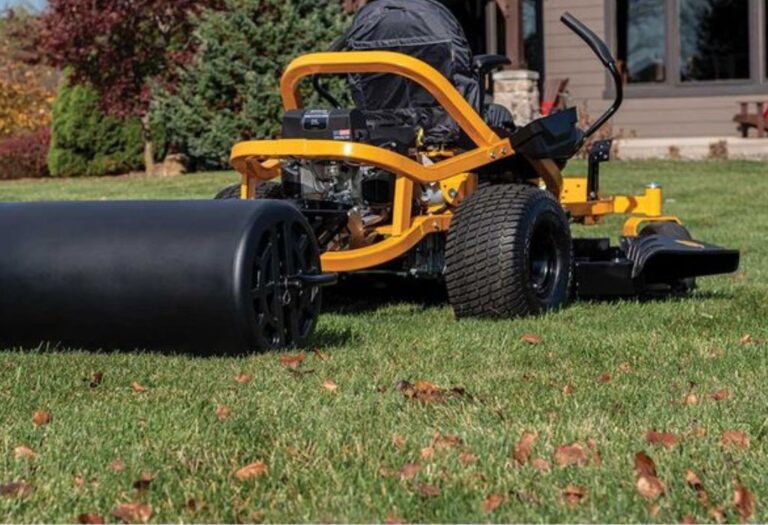
A small push roller is fine for a small lawn. For a larger yard, you might choose a tow-behind roller. This can be attached to a lawn tractor or ATV for easier use.
-
- Choose the Right Weight: The weight of the roller is also important. Too light, and it won’t be effective. Too heavy, and it could cause compaction.
For most lawns, a roller weighing between 100 and 200 pounds when filled is good. You can adjust the weight by adding water or sand to the drum.
-
- Opt for a Water-Filled Roller: Water-filled rollers are easy to adjust to the right weight. You can add or remove water as needed.
These are also easy to handle. They offer good control over the compaction process.
-
- Look for Durable Materials: Choose a roller made of strong materials. This will extend its life and make it easier to maintain.
Look for rollers made of steel or other durable metals. These will last longer and can handle the rigors of rolling your lawn.
Rolling Techniques
Now that you’ve prepared your lawn and have the right equipment, it’s time to start rolling. Proper rolling techniques will ensure an even surface without causing any damage to your lawn. The following tips will help ensure the best results.
-
- Roll in Parallel Paths: Start by rolling in straight, parallel lines across your lawn.
Overlap each pass slightly to ensure you cover the entire lawn. Aim for overlapping about half the width of the roller to avoid leaving any gaps.
-
- Avoid Sharp Turns: Make gentle turns to avoid damaging the lawn. Sharp turns can tear up the grass, especially if the soil is wet.
When you reach the end of a row, gently lift the roller and turn it around. Then, continue rolling in the opposite direction. This will help you achieve a smooth finish.
-
- Adjust Weight as Needed: Depending on your lawn conditions, you may need to adjust the weight.
If your lawn is very uneven, you may want to use a slightly heavier roller. For lawns that are more delicate, you can reduce the weight. Monitor the results as you roll and make adjustments accordingly.
-
- Roll When Soil Is Moist: Roll when the soil is slightly moist. This is when the soil is most receptive to compaction.
Moist soil allows the roller to do its job effectively. It helps create good seed-to-soil contact without excessive compaction. Too much water, though, and it might be too muddy.
-
- Avoid Rolling in Extreme Conditions: Don’t roll when the soil is very wet or frozen.
Avoid rolling after a heavy rain or during a period of very cold weather. These conditions can cause the soil to compact unevenly. Make sure to choose the right time.
After Rolling: Seeding and Caring for Your Lawn
Once you’ve rolled the lawn and created a nice, smooth surface, the next steps are all about planting the seeds and ensuring they grow. Seeding and caring for your newly prepared lawn properly can make a big difference. This section walks you through the steps to get the new grass growing and make sure it has the best start.
Seeding Your Lawn
Now that you’ve done all the prep work, it’s time to seed the lawn. This is the moment you’ve been working towards! Here’s how to plant your seeds for the best results, ensuring a lush, healthy lawn.
-
- Choose the Right Grass Seed: Select a grass seed that is suitable for your climate and the amount of sunlight your lawn receives.
Different types of grass grow well in different environments. Decide what sort of grass you want. Consider factors like whether your lawn is in the shade or sun.
-
- Calculate the Seed Amount: Determine how much seed you need, based on the size of your lawn. Follow the seed package instructions.
The instructions will tell you how much seed to use per square foot or meter. Don’t be tempted to use more. This will waste seed and lead to overcrowding.
-
- Use a Seed Spreader: Use a broadcast spreader for even distribution. This will help ensure the seeds are planted uniformly.
A broadcast spreader will help you cover the ground. This will help you get an even layer of seed across your lawn. This is essential for good results.
-
- Spread Seeds in Two Directions: Spread half the seeds in one direction and the other half in a perpendicular direction.
This method ensures the best coverage. It prevents any bare spots that might happen if you only seed in one direction.
Watering and Maintenance
After seeding, the most important things are watering and care. Consistent watering and the right care will ensure your seeds grow. Careful attention to these practices will help your lawn thrive.
-
- Water Consistently: Water the newly seeded area lightly but frequently. The soil should stay moist but not soaked.
Water several times a day, if needed. Keep the soil moist for the seeds to germinate. This will help encourage the seeds to sprout.
-
- Avoid Overwatering: Don’t overwater. Too much water can cause the seeds to wash away or rot.
Overwatering can cause problems. Keep the soil moist, but not soaking wet. It’s key to keeping the seeds in place.
-
- Protect the Seedlings: Keep foot traffic to a minimum until the grass has established.
New seedlings are fragile. Try to stay off the lawn. This protects the young grass and gives it a chance to take root. If you need to walk on the lawn, do it carefully.
-
- Mow When Grass Reaches Recommended Height: Once the grass is established, mow it regularly. Don’t cut more than one-third of the grass blade height at a time.
Mowing encourages the grass to thicken and stay healthy. Regular mowing will help the grass stay strong and healthy. It also prevents weeds.
-
- Fertilize as Needed: Apply fertilizer according to a schedule. Use a fertilizer designed for new grass.
Fertilizer will help the grass grow stronger and faster. Follow the instructions on the fertilizer packaging. This will help your new lawn flourish.
| Action | Description | Why It Matters |
|---|---|---|
| Clear Debris | Remove rocks, sticks, and other objects. | Prevents damage to the roller and ensures a smooth surface. |
| Mow Existing Grass | Cut the grass short before rolling. | Allows better contact between the roller and the soil. |
| Assess Soil Moisture | Check soil for proper moisture levels. | Ensures the soil is receptive to compaction without being damaged. |
| Roll in Parallel Paths | Roll in straight, overlapping lines. | Ensures complete and even coverage of the lawn. |
| Water Lightly | Water the newly seeded area consistently. | Keeps the soil moist for germination without oversaturation. |
Frequently Asked Questions
Question: When is the best time to roll a lawn before seeding?
Answer: The best time to roll a lawn is when the soil is slightly moist but not overly wet. You want the soil to be pliable enough for compaction without being muddy.
Question: Can I roll my lawn if it has a lot of rocks?
Answer: No, it is important to remove all rocks and debris before rolling. Rolling over rocks can damage the roller and the lawn.
Question: How often should I water my lawn after seeding?
Answer: Water your lawn lightly but frequently, several times a day if necessary, to keep the top inch of soil consistently moist until the grass germinates and begins to grow.
Question: Should I use a heavy or light roller for my lawn?
Answer: The weight of the roller depends on the condition of your lawn. A lighter roller is great for small yards. A heavier roller may be better for compaction.
Question: Can I roll my lawn after I have already seeded?
Answer: It’s generally best to roll before seeding. You can roll lightly after seeding to ensure good seed-to-soil contact, but do so with great care to avoid burying the seeds too deep.
Final Thoughts
Deciding whether to do i roll lawn before seeding is an important decision. Rolling can really help get your lawn ready for those new grass seeds. Rolling before seeding can really improve the quality of your lawn. Rolling is a great way to level the surface, improve seed-to-soil contact, and create the ideal environment for grass seeds to thrive. Make sure to prepare your lawn properly, choose the right roller for your needs, and follow the step-by-step rolling guide. Once you’re done, remember to seed and water your lawn correctly. This way, you’ll give your grass the best possible start. Following these tips will make it easy to grow a healthy and beautiful lawn. You can enjoy a lush, green lawn in no time!