Fixing Frost Heave Simple Steps with a Lawn Roller
Hi there! Dealing with a bumpy lawn? It could be frost heave, and if you’re new to lawn care, how to fix frost heave with lawn roller might seem tricky. Don’t worry, many homeowners face this challenge, and it’s totally manageable. We’ll explore the basics and show you exactly what to do, step by step, so your lawn looks fantastic. Let’s get started and make your lawn the envy of the neighborhood!
What Causes Lawn Bumps? Exploring Frost Heave
Frost heave happens when the ground freezes, and water in the soil expands. This expansion pushes the soil and anything on top of it, like your lawn, upwards. When the ground thaws, the soil settles unevenly, leaving you with bumps and unevenness. This is especially noticeable in areas with clay soils. This phenomenon is common in colder climates. It also happens when there is a lot of moisture in the soil before freezing temperatures hit. This leads to ice crystals forming and lifting the soil surface.
The Science Behind Frost Heave
Water expands when it freezes, creating a volume increase of approximately 9%. When water within soil freezes, it forms ice crystals. The growth of these crystals lifts the soil and any surface materials, like your lawn, above their normal level. This upward movement is called frost heave. The extent of frost heave depends on factors like the type of soil, the amount of moisture, and the duration and severity of the freezing temperatures. Areas with poorly drained soils tend to experience more severe frost heave because of higher water content.
- Soil Composition: Soils with fine particles, like clay, tend to hold more water and are therefore more susceptible to frost heave than coarser soils like sand.
- Water Content: The amount of moisture present in the soil before freezing is a major factor. Higher moisture levels mean more potential for ice crystal formation and greater heave.
- Temperature Fluctuations: Repeated freeze-thaw cycles can worsen frost heave. Each cycle adds to the movement and displacement of the soil.
- Ground Cover: Areas with less ground cover, such as bare patches or sparse grass, may experience more severe frost heave. The ground cover helps regulate soil temperature and moisture levels.
- Depth of Freezing: The deeper the ground freezes, the more extensive the frost heave. This is because a larger volume of soil is affected.
Understanding these elements helps in addressing the issue and deciding on the best course of action. Preventing water from accumulating in the soil, choosing proper lawn grasses, and providing adequate drainage are all key to keeping your lawn healthy and smooth, even during winter months.
Identifying Frost Heave on Your Lawn
Recognizing the signs of frost heave is the first step toward fixing it. Frost heave often shows up in specific areas. Look closely to spot the telltale bumps and unevenness. Knowing what to look for makes the process of deciding the best solution much easier. Keep an eye on areas that are prone to standing water or where you have clay soil. These areas are frequently more affected. Also, be careful when walking on frozen ground to avoid more damage.
- Bumpy Surface: The most obvious sign is an uneven lawn surface with bumps and ridges. These can vary in size, from small rises to larger, more noticeable humps.
- Cracked or Raised Pavement: Look at walkways and driveways next to the lawn. Frost heave can lift these surfaces, causing cracks or misalignments.
- Uneven Grass Growth: Notice if the grass is growing unevenly, with some areas higher than others. This is an indicator that the soil beneath is not level.
- Soil Heaving: You might observe the soil itself pushing upwards, especially in bare areas or along edges where the lawn meets other surfaces.
- Difficulty Mowing: It may be harder to mow your lawn smoothly, with the mower bumping and skipping over the raised areas.
By learning how to spot these signs, you can start the process of fixing the problems quickly. Then, it will be easier to decide on the best ways to get your lawn back in top shape. Regular observation and timely action can prevent minor issues from becoming major ones.
Applying a Lawn Roller: Your Solution for Frost Heave

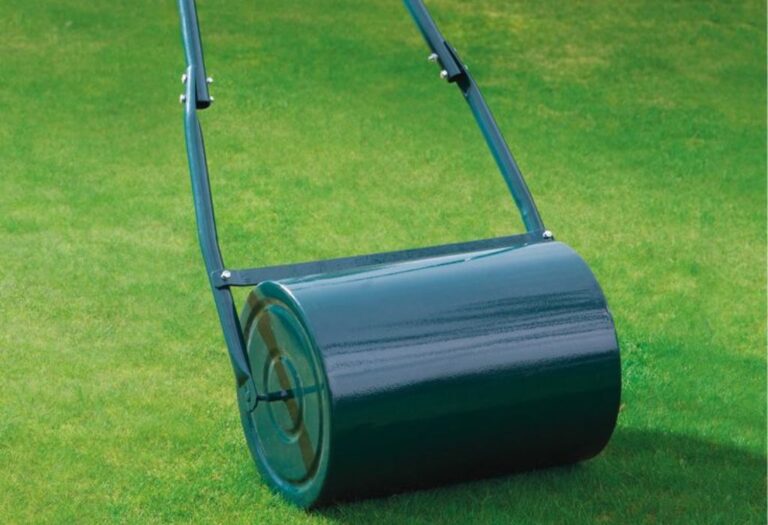
Using a lawn roller is a straightforward way to address frost heave, especially for less severe cases. This method involves using a heavy roller to gently press the soil back down. This helps to level out the bumps and restore a smoother lawn surface. It’s important to understand the correct way to use a lawn roller. You can easily prevent further damage, and you can get the best results. The right timing and a proper approach will make a huge difference.
Choosing the Right Lawn Roller
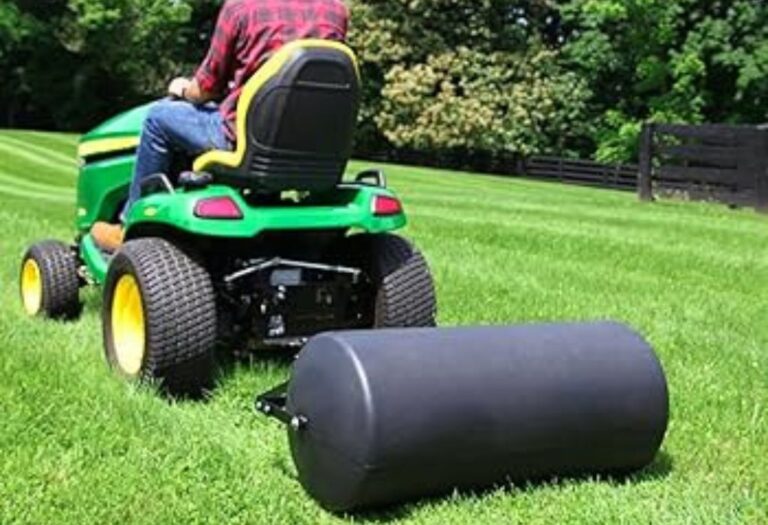
Selecting the correct type of lawn roller will influence how well you can fix frost heave. The main things to consider are the roller’s weight, size, and whether it’s filled with water or sand. Consider the size of your lawn. A smaller roller is good for small areas. A larger roller is better for bigger lawns. This choice affects the ease of use and the work needed. Another thing to consider is the roller’s material. Rollers made of steel are very durable but heavier. Plastic rollers are lighter and easier to maneuver.
- Weight: The roller’s weight is important. It must be heavy enough to compact the soil gently without causing more damage. Look for rollers that can be filled with water or sand to adjust the weight.
- Size: Choose a roller size based on your lawn’s size. Smaller rollers are good for detail work in smaller areas. Bigger rollers cover more ground efficiently.
- Type: There are two main types. One type is a push roller, which you pull or push by hand. The other type is a tow-behind roller, which attaches to a tractor.
- Material: Rollers can be made of steel, plastic, or a combination of materials. Steel rollers are durable and add weight, whereas plastic rollers are lighter and easier to use.
- Adjustability: Look for rollers with adjustable weight options. This allows you to change the pressure depending on the severity of the frost heave and the type of soil.
By picking the right type of lawn roller, you’ll ensure that you can fix frost heave as efficiently as possible. This step allows you to work towards a smooth, beautiful lawn.
Step-by-Step Guide: Rolling Your Lawn
Here’s a guide to using a lawn roller to tackle frost heave. This step-by-step approach simplifies the process. It helps you get the best results without causing extra problems. Following this guide will get your lawn back to its best.
- Prepare the Lawn: Begin by mowing your lawn to its normal height. Then, clear the area of any debris like branches, rocks, or other objects. These can get in the way of the roller and create damage.
- Assess the Soil Conditions: The soil should be slightly moist but not overly saturated. Avoid rolling when the soil is too wet, as this can lead to compaction and damage the grass roots.
- Adjust the Roller Weight: Fill the roller with water or sand to the right weight. Start with a lighter weight and increase it if needed. This depends on how severe the frost heave is.
- Rolling Technique: Start rolling in straight, overlapping lines. Overlap each pass by a few inches to ensure full coverage. Roll in one direction, then change directions. This will avoid any lines.
- Rolling Speed: Move at a slow, steady pace. This ensures the roller applies even pressure. Fast rolling can lead to inconsistent results.
- Monitor the Results: After rolling, check the lawn. It will show if there is enough leveling. Make several passes if needed, but be careful not to over-compact the soil.
- Post-Rolling Care: Water your lawn after rolling to help the grass recover. Avoid heavy foot traffic on the lawn for a few days to allow the grass time to adjust.
Following this approach makes dealing with frost heave much easier. The effort will help restore your lawn’s health and appearance.
Advanced Lawn Care Strategies
While a lawn roller is helpful for minor cases of frost heave, sometimes more advanced methods are needed. These may include drainage improvements and soil amendments. Such methods help to stop the problem at its source. These steps help prevent frost heave from returning. Combining these methods with the lawn roller enhances the long-term health of your lawn.
Improving Drainage for Lawn Health
Good drainage is vital for avoiding frost heave. It ensures that excess water doesn’t accumulate in the soil. This stops the formation of ice crystals. Improved drainage also helps to keep your lawn’s soil healthier, supporting the grass growth. Think about these different strategies to enhance drainage in your yard. Proper drainage is one of the best methods to stop the cycle of frost heave.
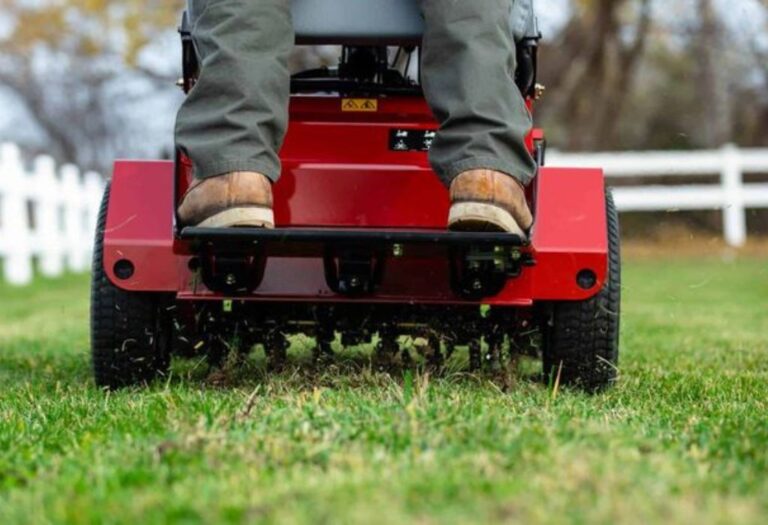
- Aeration: Aeration involves making small holes in the lawn to improve air and water movement. This reduces soil compaction. It helps water to drain more effectively.
- French Drains: French drains are trenches filled with gravel or rocks. They channel water away from the lawn and prevent it from pooling.
- Surface Grading: Grading the lawn correctly can help water run off. Make sure the lawn slopes slightly away from buildings. This helps to improve drainage.
- Drainage Ditches: Dig ditches to collect and move water away from your lawn. These are often used around the edges of the yard.
- Subsurface Drains: These are underground pipes that collect water and remove it from the soil. They are good for areas that have consistent drainage problems.
By implementing these methods, you will improve drainage in your yard and greatly lower the chances of frost heave. This proactive work can help to ensure a healthier and more resilient lawn.
Soil Amendments and Their Benefits
Adding soil amendments can significantly improve your lawn’s health and its ability to withstand frost heave. These changes can improve drainage. They can also enhance the soil structure. They allow for better root development. These steps will make your lawn more resistant to the effects of freezing and thawing. Here are the soil amendments that can benefit your lawn.
- Compost: Adding compost to the soil adds nutrients and improves its structure. This enhances drainage. It also helps the soil hold water, which is good in drier conditions.
- Sand: Mixing sand into clay soil improves drainage by making the soil less dense. It will allow water to flow through more freely.
- Organic Matter: Materials such as peat moss or well-rotted manure improve the soil’s water-holding ability. They also improve aeration.
- Lime: Lime can balance the soil’s pH level. This helps to create the best conditions for grass growth.
- Gypsum: Gypsum helps break up compacted soil. It also helps to improve drainage.
Implementing these soil amendments will enhance the overall health and resilience of your lawn. This method is a key part of long-term frost heave prevention.
According to a study by the University of Minnesota, improving soil drainage and aeration can reduce frost heave by up to 50% in certain soil types.
Preventative Measures for a Bumpy Lawn
Prevention is vital to keep your lawn smooth and healthy. Following these preventative steps can lower the chances of frost heave problems. Taking these steps makes it easier to maintain your lawn. This will help you avoid the need to do extensive repairs.
Winter Lawn Care Practices
Correct winter lawn care can greatly affect how your lawn deals with the cold. There are several steps you can take to protect your lawn. These steps will make it more resilient to the stresses of winter. These practices help reduce the impact of frost heave. They will help to keep your lawn healthy when warmer temperatures come.
- Proper Fertilization: Fertilize your lawn in the fall. This will help the grass store nutrients. This will help it survive the winter.
- Reduce Traffic: Keep foot traffic off your lawn during the winter, when the ground is frozen. This can prevent damage to the grass and soil structure.
- Avoid Salting: Avoid using salt on your lawn or walkways. Salt can increase the amount of water in the soil. This will worsen frost heave.
- Mulch: Add a layer of mulch to your flower beds and around trees. This adds insulation to the soil. It also keeps the temperature more consistent.
- Clean Up Debris: Remove leaves and debris from your lawn. This improves air circulation and reduces the chance of moisture buildup.
By following these strategies, you’re helping to ensure your lawn is well-prepared for winter. Then, you can enjoy a healthier and more beautiful lawn in the spring.
Choosing the Right Grass Types
Selecting the correct grass type is key in preventing frost heave. Different grass types have different tolerances for cold weather. Certain grass types are more suited for areas with freeze-thaw cycles. Choosing these varieties can significantly affect the health and beauty of your lawn during the colder months.
- Cool-Season Grasses: These grasses, such as Kentucky bluegrass, perennial ryegrass, and fescues, are very well-suited for colder climates. They are typically more resistant to frost heave than warm-season grasses.
- Soil Compatibility: The grass you pick should be suited to the soil type in your area. For example, some grass types do better in clay soil, and others perform better in sandy soil.
- Climate Considerations: Consider the average temperatures and moisture levels. Certain grasses are adapted to deal with harsh winters better than others.
- Local Recommendations: Ask for advice from local experts or nurseries. They can offer recommendations on the best grass types. The best ones will suit your region and its specific needs.
- Proper Seeding and Maintenance: Make sure you seed your lawn correctly. Provide regular care, including watering and mowing, to help the grass grow strong and healthy.
By picking the right grass type for your yard, you will create a lawn that is resistant to the effects of frost heave. You will enjoy a lush and healthy lawn.
According to the National Gardening Association, cool-season grasses are better adapted to dealing with freeze-thaw cycles compared to warm-season grasses.
Frequently Asked Questions
Question: When is the best time to use a lawn roller to fix frost heave?
Answer: The best time to roll your lawn is in the early spring, as soon as the ground has thawed enough to support the roller but before the grass starts actively growing.
Question: Can I roll my lawn when the soil is wet?
Answer: It’s best to avoid rolling when the soil is overly wet. Rolling wet soil can cause compaction. This makes the problem worse.
Question: How often should I roll my lawn?
Answer: For frost heave, roll your lawn once or twice in the spring, depending on the severity of the heave. Avoid rolling too often, which can damage the grass.
Question: What if the frost heave is very severe?
Answer: For severe frost heave, a lawn roller alone might not be enough. You might need to improve drainage, add soil amendments, or re-grade the lawn.
Question: Is there a weight limit for lawn rollers?
Answer: Weight limits vary by roller. Always follow the manufacturer’s recommendations. Start with a lighter weight and increase it gradually until you see results.
Final Thoughts
So, you’ve learned about frost heave and how to deal with it using a lawn roller. Remember, how to fix frost heave with lawn roller is often a simple process, especially for moderate cases. By applying the roller correctly and taking other steps, you can fix uneven spots and have a smooth lawn. Think about drainage and soil health. If the heave is severe, you might need extra steps. Getting the right grass and regular care will keep your lawn healthy. So, get out there, follow these easy steps, and get ready to enjoy a gorgeous, even lawn this season! With a little effort, you can fix those bumps and enjoy a beautiful outdoor space.