How to Flatten Soil After Winter’s Upheaval for a Smooth Lawn
Dealing with the aftermath of winter’s freeze-thaw cycle is a common challenge for anyone with a lawn or garden. The process, known as frost heaving, can leave your soil uneven and bumpy. If you’re new to lawn care, figuring out how to flatten soil after winter heaving can seem a bit tricky. Don’t worry, it’s a manageable task! This guide will walk you through a simple, step-by-step approach to get your lawn looking its best. Let’s get started and make your lawn the envy of the neighborhood.
Identifying and Assessing Winter’s Impact
Before you get started on any soil work, you need to first survey the area. Winter heaving can vary in severity depending on your region’s climate and the type of soil you have. This initial assessment helps you plan your approach and avoid making any mistakes. Examining the extent of the damage is a crucial first step, so you can tailor your efforts to the specific issues your lawn has faced. Winter heaving causes uneven ground, but it’s not the only possible problem.
Recognizing Frost Heave Signs
Frost heave occurs when water in the soil freezes, expands, and pushes the soil upward. When the ground thaws, the soil often doesn’t settle back down evenly. The most obvious sign is an uneven lawn surface with bumps and dips. You might also notice that plants have been partially pushed out of the ground. This process can be harmful to plant roots, leading to potential damage. Assessing these visual cues provides important insight.
- Bumpy Surface: Look for an uneven terrain with visible mounds and depressions. This is the most common indication of frost heave.
- Plant Displacement: Check if plants are partially or fully pushed out of the ground. Their root systems can be exposed, leading to desiccation.
- Cracking: Significant frost heave can sometimes cause soil cracking, especially in clay-rich soils.
The severity of frost heave can vary depending on factors like soil composition, moisture content, and temperature fluctuations. For instance, soil high in clay retains more water and is more prone to heaving than sandy soil. Rapid temperature swings, where temperatures drop well below freezing, can also increase the severity. Proper assessment will help in the planning of your lawn revival efforts.
Soil Type Examination
Soil type greatly influences the effects of winter heaving. Different soils react differently to freezing and thawing cycles. The ability to retain water is an important factor. Identifying your soil type is crucial for choosing the right flattening methods and preventing future problems. Understanding the composition of your soil ensures you can apply the most effective strategies for a smooth, healthy lawn. It’s time to understand the role your soil plays.
- Clay Soil: Clay soils hold a lot of water. During freezing, the water expands and causes significant heaving.
- Sandy Soil: Sandy soils drain well and are less prone to heaving because water drains away more quickly.
- Loam Soil: Loam is a mixture of sand, silt, and clay, offering a balance of drainage and water retention.
You can determine your soil type with a simple jar test. Fill a jar with a sample of your soil and add water. Shake it up and let it settle. The different soil particles will settle at different rates, allowing you to see the proportion of sand, silt, and clay. A better understanding of your soil will guide your strategy when it comes to how to flatten soil after winter heaving.
Effective Methods for Flattening Soil

Now that you’ve assessed your lawn and understand your soil, it’s time to act. There are several ways to flatten your soil. These methods help restore your lawn’s even surface, improve its appearance, and provide a healthy environment for grass growth. These straightforward techniques will help you achieve a beautifully smooth and functional lawn. Knowing how to execute these techniques well is vital for a good outcome.
Using a Soil Roller
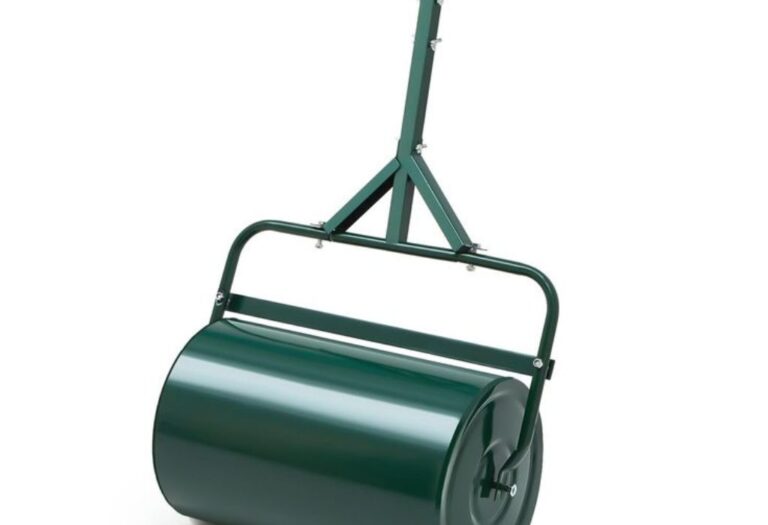
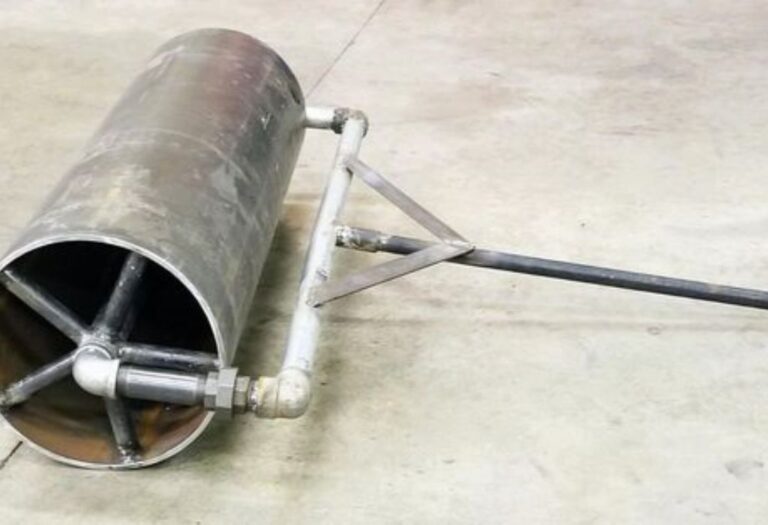
A soil roller is a garden tool, usually a large cylinder that you fill with water or sand. Its weight helps to compact the soil and level out minor bumps. Using a roller is a relatively simple process that can yield excellent results, particularly when the heaving isn’t severe. This method is an effective way to address surface irregularities and prepare the ground for future activities. It works best when the soil is slightly moist. Dry soil resists compacting.
- Preparation: Mow your lawn to a short height before rolling. Remove any debris.
- Rolling Process: Start by filling the soil roller to the recommended level (check the manufacturer’s instructions). Begin rolling in straight lines, overlapping each pass slightly.
- Direction: Roll in different directions, such as north to south, then east to west, for even coverage.
For best results, use a roller when the soil is damp but not saturated. Over-rolling can compact the soil too much, preventing air and water from reaching the roots. A soil roller works to smooth out bumps. For more severe heaving, additional methods might be necessary.
Manual Leveling with a Rake and Shovel
For more severe cases of winter heaving, or in areas where a soil roller can’t reach, manual leveling is necessary. This involves using a rake and shovel to redistribute the soil. While it takes more effort, it provides greater control over the leveling process. Manual leveling ensures your lawn is restored to its even appearance and healthy function. This is a good way to give your lawn a thorough treatment.
- Assessment: First, carefully inspect the lawn to identify areas that need attention. Determine the amount of soil to move.
- Soil Removal: Use a shovel to remove excess soil from the high spots.
- Soil Redistribution: Use the rake to spread the soil evenly into the low spots.
- Final Smoothing: Once the soil is level, use the rake to gently smooth the surface.
Working in small sections makes the process more manageable. It also allows for more precise leveling. This method is effective but can be physically demanding. Be sure to pace yourself and take breaks as needed. It’s a great choice when dealing with any ground that has undergone how to flatten soil after winter heaving.
Steps to Restore Lawn Health After Leveling
After flattening your soil, it’s time to focus on restoring lawn health. The process of leveling can affect the soil structure and potentially disrupt existing grass. Taking the right steps to revive your lawn ensures it recovers and thrives. Following these steps will help you bring your lawn back to its full health. These actions support a lush, healthy lawn.
Overseeding and Fertilizing
Overseeding is the process of spreading grass seed over an existing lawn. It’s a key step after flattening, as it helps fill in any bare spots created during the leveling process. Fertilizing provides the nutrients your lawn needs to recover and grow strong. Combine overseeding and fertilization for optimal results. After soil work, overseeding and fertilizing encourage a dense, healthy turf. It can give your lawn a needed boost.
- Choosing the Right Seed: Select grass seed that matches your existing lawn type. Look for a blend suitable for your climate and sun exposure.
- Overseeding: Spread the seed evenly over the leveled areas. Use a spreader for uniform coverage.
- Fertilizing: Apply a balanced fertilizer formulated for new grass growth. Follow the package instructions for the correct application rate.
Water the newly seeded and fertilized areas regularly. Keep the soil moist but not waterlogged. The goal is to encourage germination and root development. Protect the area from heavy foot traffic until the grass is well established. Both overseeding and fertilizing will provide a good kickstart to a healthy, green lawn.
Watering and Maintenance
Proper watering is critical after flattening and overseeding. It supports seed germination and encourages healthy root growth. Regular maintenance, such as mowing and weed control, will also keep your lawn healthy and looking its best. Keeping up with these regular tasks keeps your lawn in optimal condition. This helps your lawn thrive after being affected by winter heaving.
- Watering Frequency: Water your lawn frequently, especially during the germination period. Keep the top inch of soil consistently moist.
- Mowing: Once the grass is tall enough, begin mowing, but avoid removing more than one-third of the grass blade at a time.
- Weed Control: Regularly remove weeds. Consider using a pre-emergent herbicide to prevent new weeds.
Be patient, as it may take several weeks for the grass to fully establish. Continue to monitor your lawn and adjust your watering and maintenance practices as needed. Consistent maintenance will ensure your lawn recovers quickly and stays healthy through the seasons. Your lawn will show its appreciation with a thick, green appearance.
Addressing Common Challenges
Even with careful planning and execution, there can be some problems. Understanding how to address these challenges will help you achieve the best results. Whether it’s persistent heaving or pest problems, the correct strategies will restore your lawn’s health. Addressing common issues head-on prevents problems from escalating. This ensures your lawn remains healthy and vibrant.
Persistent Frost Heaving Prevention
If frost heaving is a recurring issue, consider implementing preventative measures to minimize its impact. This may include improving soil drainage, adding organic matter, and selecting grass varieties that tolerate cold temperatures. These proactive steps can reduce the severity of heaving and help your lawn remain level. You can take steps to reduce the impact of frost heave.
- Improving Drainage: Install drainage systems or amend the soil to improve drainage, especially in areas with poor drainage.
- Adding Organic Matter: Incorporating compost or other organic materials increases soil aeration and drainage.
- Choosing the Right Grass: Select grass varieties that are known to be cold-tolerant and well-suited to your climate.
Regularly aerating your lawn can also improve soil drainage and reduce the risk of heaving. Aeration involves creating small holes in the soil. You should do this once or twice a year, depending on your soil and climate. These methods can also help with how to flatten soil after winter heaving in the future.
Controlling Pests and Diseases
Frost heaving can sometimes weaken your lawn, making it more susceptible to pests and diseases. Regular monitoring and timely treatments can prevent significant damage. Implementing proper lawn care practices can also reduce the risk of such infestations. Addressing these problems immediately prevents them from spreading and causing further damage. Keep a close eye on your lawn to ensure it stays healthy.
- Pest Identification: Regularly inspect your lawn for any signs of pests, such as grubs or insects.
- Disease Identification: Watch for signs of common lawn diseases, such as brown patch or dollar spot.
- Treatment: Treat any pests or diseases promptly with appropriate insecticides or fungicides. Follow the instructions on the product label.
Maintaining a healthy lawn through proper watering, fertilization, and mowing can also help prevent pest and disease problems. Healthy grass is more resilient to environmental stressors. Taking preventative measures will keep your lawn strong and healthy. That is important for successful lawn leveling.
Frequently Asked Questions
Question: When is the best time to flatten soil after winter heaving?
Answer: The best time to flatten soil is in early spring, as soon as the ground thaws and dries out enough to work on it without causing compaction.
Question: What tools are needed for flattening soil?
Answer: The essential tools include a soil roller (for minor heaving), a rake, and a shovel. You may also need a wheelbarrow to transport soil and a spreader for overseeding.
Question: How do I know if my soil is compacted?
Answer: Compacted soil feels hard, and water tends to pool on the surface. You can also perform a screwdriver test: if a screwdriver is difficult to push into the soil, it’s likely compacted.
Question: How much seed should I use when overseeding?
Answer: The amount of seed depends on the type of grass and the size of the area. Generally, follow the instructions on the seed bag, but aim for about 3-5 pounds of seed per 1,000 square feet.
Question: Can I flatten soil in the summer?
Answer: It’s best to avoid flattening soil during the heat of summer, as it can stress the grass. However, you can make repairs if necessary, ensuring the lawn gets plenty of water.
Final Thoughts
Now that you’ve explored the process, you have a good grasp of how to flatten soil after winter heaving. You’ve learned about assessing the impact of winter heaving and understanding your soil type. You have explored the methods of leveling, from using a soil roller to manual leveling with a rake and shovel. You’ve also seen the critical steps to restore lawn health after leveling. Remember to overseed, fertilize, and provide regular maintenance. With proper care and attention, you can bring your lawn back to its best. With these strategies, you’re well-equipped to tackle the challenges of winter heaving and maintain a beautiful, healthy lawn.