How to Remove Garden Hose Connector Without Breaking It
A stuck garden hose connector can quickly turn a simple watering task into a frustrating experience. Over time, exposure to water, sunlight, and mineral deposits can cause connectors to seize or corrode, making removal difficult.
Many homeowners attempt to force connectors off, risking damage to both the hose and the faucet. According to Better Homes & Gardens, corrosion and mineral buildup are the leading causes of stuck garden hose fittings, affecting nearly 50% of hoses over three years of regular use (bhg.com). Learning proper removal techniques prevents unnecessary damage and extends the lifespan of outdoor equipment.
Understanding how to remove a garden hose connector safely not only saves money but also preserves water efficiency. A damaged connector can lead to leaks, reduced water pressure, and increased water waste, which impacts both gardening efficiency and household costs.
Effective removal requires knowledge of connector construction, the right tools, and step-by-step techniques. From minor loosenings with penetrating oil to carefully cutting stubborn fittings, mastering these methods ensures a clean, efficient process.
Understanding Garden Hose Connectors

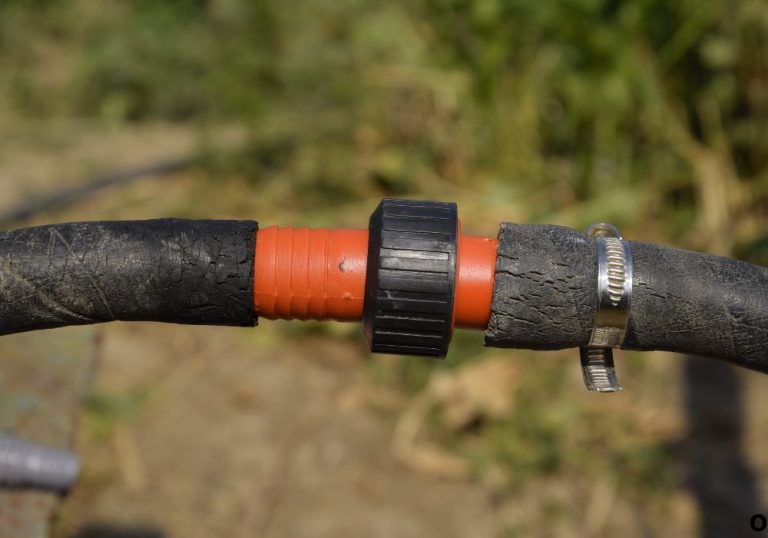
Garden hose connectors are the critical link between your faucet and the hose, enabling water flow and secure attachment. They are typically made from materials like aluminum, brass, or durable plastic, each offering different levels of corrosion resistance and durability.
Connectors consist of several components, each playing a key role in performance. Male and female ends create the connection, threads allow for secure attachment, and gaskets provide a watertight seal to prevent leaks. Understanding each component helps in identifying potential issues when a connector becomes stuck or difficult to remove.
Over time, connectors are susceptible to common problems. Corrosion, especially with aluminum connectors attached to brass spigots, can cause fittings to fuse. Mineral deposits from hard water further exacerbate sticking, while general wear and tear can deform threads or degrade gaskets. Recognizing the cause of a stuck connector is essential before attempting removal.
The type of connector material also impacts repair techniques. Aluminum connectors are lightweight but more prone to corrosion, whereas brass connectors are heavier, highly durable, and resistant to rust. Plastic connectors may crack under stress or cold temperatures, requiring more careful handling during removal.
Environmental factors play a significant role in connector longevity. UV exposure, repeated water pressure, and outdoor temperature fluctuations can weaken materials over time. Preventive care, such as periodic removal, cleaning, and applying protective lubricants, helps maintain functionality and makes future removal easier.
By understanding the construction, materials, and common issues associated with garden hose connectors, homeowners gain insight into why certain connectors become stuck. This knowledge forms the foundation for safe and efficient removal techniques, ensuring hoses and faucets remain undamaged and fully operational.
Tools Required for Removal
Having the right tools is essential for safely removing a garden hose connector without causing damage. Proper equipment allows homeowners to tackle stubborn fittings efficiently while minimizing the risk of leaks or breaks.
An adjustable wrench is a primary tool for this task. It provides a firm grip on the connector, allowing controlled rotation to loosen stuck threads without applying excessive force.
Penetrating oil, such as WD-40, is crucial for loosening corroded or mineral-encrusted connectors. Applying the oil and allowing it to penetrate for several minutes helps break down rust and deposits, making removal much easier.
A hacksaw or pipe cutter may be necessary for connectors that are severely stuck. These tools allow careful cutting through metal or plastic components without damaging the faucet threads or hose end. Precision is key to avoiding unnecessary replacement of the entire faucet assembly.
A flathead screwdriver is useful for prying apart stubborn connectors or removing small fragments of damaged fittings. This simple tool can provide leverage in tight spots where wrenches alone are insufficient.
Protective gloves are highly recommended to safeguard hands from sharp edges, rust, or debris. Coupled with safety goggles, they prevent injuries during the removal process and create a safer work environment.
Optional materials include sandpaper for cleaning thread surfaces, a small brush to remove dirt, and soapy water to lubricate tight fittings. Preparing all tools and materials in advance ensures a smooth workflow and reduces the risk of mistakes or damage during removal.
By assembling and understanding the proper tools for the job, homeowners can confidently approach stuck garden hose connectors. Using the right combination of wrenches, lubricants, and cutting tools maximizes efficiency and minimizes the likelihood of damaging hoses, connectors, or faucets.
Seasonal Maintenance for Connectors
Seasonal care is crucial for extending the lifespan of garden hose connectors. Extreme temperatures, particularly freezing winters and hot summers, can stress materials, causing cracks, warping, or corrosion.
During colder months, disconnect hoses and drain water completely to prevent freezing, which can crack connectors and damage threads. Storing hoses and connectors indoors or in insulated storage reduces exposure to cold, preventing seizing and material fatigue.
In summer, UV rays can degrade plastic and rubber fittings. Keeping hoses in shaded areas or using hose reels minimizes sun exposure, protecting connectors from becoming brittle or warped.
Seasonal inspections should include checking washers, gaskets, and threads for wear or corrosion. Early identification of minor damage allows for timely repairs, preventing connectors from becoming stuck or difficult to remove.
Lubricating metal threads with silicone spray before storage helps maintain smooth operation. This practice prevents rust buildup and makes future removal easier, ensuring hoses remain functional and leak-free.
By following seasonal maintenance routines, homeowners can reduce connector damage and improve longevity. Proper care during winter and summer protects fittings from environmental stress and prevents frustrating removal issues.
Choosing Durable Connectors

Selecting high-quality connectors significantly reduces the need for repairs and prevents stuck fittings. Materials like brass are highly resistant to corrosion, while reinforced plastic connectors offer lightweight durability.
When purchasing a new connector, ensure it matches the hose diameter and faucet threading. Correct sizing prevents leaks and reduces stress on the threads, which can otherwise cause connectors to seize over time.
Durable connectors often include corrosion-resistant coatings or integrated washers that maintain a watertight seal. Investing in these features improves water efficiency, reduces maintenance needs, and simplifies removal when necessary.
Avoid cheap or lightweight aluminum connectors for long-term use, as they corrode faster when exposed to brass spigots or hard water. Pairing high-quality connectors with proper maintenance ensures long-lasting performance.
Additionally, brands offering warranties or replacement programs provide added security. Choosing connectors with proven durability prevents frequent replacements and minimizes frustration during seasonal hose maintenance.
By selecting durable connectors, homeowners reduce the likelihood of leaks, stuck fittings, and repeated repairs. Quality materials and proper sizing contribute to a hassle-free gardening experience and extend the usable life of hoses.
Step-by-Step Guide to Removing a Stuck Connector
Removing a stuck garden hose connector requires a methodical approach to prevent damage to both the hose and the faucet. Following clear steps ensures a clean, efficient process and extends the life of your outdoor watering equipment.
Step 1: Assess the Situation
Determine why the connector is stuck, whether due to corrosion, mineral buildup, or general wear. Understanding the cause informs the most effective removal method and prevents accidental damage.
Step 2: Apply Penetrating Oil
Spray a generous amount of penetrating oil, like WD-40, onto the connector threads. Allow the oil to sit for 10–15 minutes, giving it time to loosen rust and deposits that may be binding the connection.
Step 3: Use an Adjustable Wrench
Secure the wrench around the connector and gently attempt to rotate it counterclockwise. Apply steady, controlled force to prevent stripping threads or cracking plastic components.
Step 4: Tap Gently with a Mallet (if needed)
For particularly stubborn connectors, light taps with a rubber mallet can help break corrosion bonds. Avoid heavy blows to prevent bending or damaging the faucet or hose.
Step 5: Cut the Connector (as a last resort)
If the connector remains immovable, carefully use a hacksaw or pipe cutter to remove it. Take extreme care to avoid damaging the faucet threads, as these are critical for installing a new connector.
Step 6: Clean the Faucet Threads
Once the connector is removed, clean the faucet threads with a wire brush to remove debris, rust, or leftover adhesive. This ensures a smooth, watertight connection for the replacement connector.
Step 7: Test and Inspect
Before installing a new connector, visually inspect the threads and ensure there are no remaining fragments. Testing the faucet by running water briefly confirms that the surface is clean and ready for a new fitting.
By following these steps carefully, homeowners can remove garden hose connectors safely and efficiently. Proper execution prevents damage, reduces frustration, and ensures the hose and faucet remain fully functional for long-term use.
Common Mistakes to Avoid When Removing Connectors
Removing a garden hose connector might seem straightforward, but several mistakes can lead to damage or frustration. Recognizing these pitfalls helps homeowners avoid unnecessary repairs and ensures hoses and faucets remain functional.
One common mistake is forcing the connector off without lubrication. Applying excessive torque can strip threads, crack plastic fittings, or even damage the faucet spigot. Using penetrating oil or a suitable lubricant first allows the connector to loosen safely.
Another error is using inappropriate tools. Pliers or wrenches that don’t fit correctly can slip and damage connector surfaces. Adjustable wrenches and carefully sized tools are essential to maintain the integrity of the threads while applying controlled force.
Cutting the connector prematurely is also a frequent issue. Many homeowners resort to cutting connectors without attempting proper lubrication or gradual loosening, resulting in wasted materials and unnecessary expense. Cutting should always be the last resort after all other methods have been tried.
Neglecting to clean threads before installing a new connector can cause leaks. Dirt, corrosion, or leftover debris prevents a watertight seal, leading to drips and inefficient water flow. Cleaning threads ensures smooth installation and proper function.
Over-tightening the replacement connector is another frequent mistake. While a tight fit is important to prevent leaks, excessive force can deform threads or damage washers, making future removal difficult. Hand-tight plus a gentle wrench turn is usually sufficient.
By avoiding these common mistakes, homeowners can safely remove and replace garden hose connectors without causing damage. Proper technique, the right tools, and patience ensure long-lasting performance, reduce maintenance issues, and maintain reliable water flow.
Replacing the Garden Hose Connector
After removing a stuck connector, replacing it with a new one ensures the hose functions correctly. Proper installation restores water flow and prevents leaks or further damage to the hose and faucet.
Step 1: Choose the Correct Connector
Select a connector that matches the hose diameter and faucet threading. Using the correct size ensures a snug fit and avoids water leakage.
Step 2: Apply Teflon Tape (Optional)
Wrapping Teflon tape around the faucet threads can prevent seizing and make future removal easier. This also helps create a watertight seal, reducing the risk of leaks.
Step 3: Install the New Connector
Screw the new connector onto the faucet carefully, ensuring it threads smoothly without cross-threading. Over-tightening can damage both the connector and faucet threads.
Step 4: Attach the Hose
Slide the hose onto the new connector and secure it with a hose clamp if necessary. Check that the hose is firmly seated to prevent leaks when water is turned on.
Step 5: Test for Leaks
Turn on the water gradually and inspect the connection for any dripping. Adjust the connector or clamp as needed to achieve a fully watertight seal.
Replacing connectors with attention to detail extends the hose’s usable life. Regular maintenance and careful installation prevent common issues like stuck fittings, leaks, and inefficient water flow.
By following these steps, homeowners can quickly restore their garden hose to full functionality. A proper replacement ensures long-term performance and reduces frustration during daily watering tasks.
Preventing Future Connector Issues

Regular maintenance is key to ensuring garden hose connectors remain functional and easy to remove. By adopting preventive measures, homeowners can avoid common problems such as corrosion, mineral buildup, and stuck fittings.
Regular Detachment and Cleaning
Periodically remove connectors from faucets to clean threads and inspect for damage. Cleaning prevents rust, mineral deposits, and debris from accumulating, making future removal easier.
Use Teflon Tape on Threads
Applying Teflon tape to faucet threads creates a lubricating barrier. This reduces the risk of connectors seizing and ensures a watertight connection while simplifying future detachment.
Proper Storage Practices
Store hoses and connectors indoors during extreme temperatures or winter months. Keeping them out of direct sunlight and away from freezing conditions reduces material degradation and prolongs connector life.
Avoid Excessive Tightening
Over-tightening connectors can strip threads or stress fittings. Hand-tight plus a slight turn with a wrench is usually sufficient to prevent leaks without causing damage.
Lubrication of Connectors
Occasionally applying a small amount of silicone lubricant to threads and O-rings can prevent corrosion and sticking. Lubricated connectors are easier to remove and less likely to wear out prematurely.
Routine Inspections
Check connectors regularly for cracks, worn washers, or signs of corrosion. Addressing minor issues early prevents major problems and reduces the likelihood of a stuck connector.
By integrating these preventive measures, homeowners can minimize frustration and maintenance costs. Proper care extends the life of both hoses and connectors, ensuring reliable water flow and efficient garden maintenance.
Lubrication and Thread Care
Proper lubrication is an essential preventive measure for garden hose connectors. Threads exposed to water, minerals, and environmental elements are prone to corrosion and seizing, making removal difficult.
Applying a small amount of silicone lubricant or light oil to threads improves rotation and reduces friction. This ensures connectors can be removed easily for seasonal maintenance or repairs without damaging threads.
Regular thread care also includes cleaning debris, dirt, and mineral buildup from faucet connections. Using a wire brush or cloth to maintain smooth surfaces prevents corrosion and maintains watertight seals.
Avoid petroleum-based lubricants on plastic components, as they can degrade material over time. Stick to silicone or water-safe lubricants to protect both metal and plastic fittings.
Lubrication, combined with proper storage and periodic inspections, significantly reduces the risk of stuck connectors. Smooth threads make seasonal removal, cleaning, and replacement faster and safer.
By implementing thread care and lubrication practices, homeowners ensure connectors remain functional and easy to remove. This proactive approach extends hose lifespan and prevents frustrating maintenance issues.
Conclusion
Removing a garden hose connector without breaking it is a critical skill for homeowners and gardeners. Proper removal preserves the integrity of both the hose and faucet, prevents leaks, and ensures reliable water flow for a variety of outdoor tasks.
Understanding connector construction, materials, and common causes of sticking—such as corrosion, mineral buildup, and wear—is essential before attempting removal. With this knowledge, homeowners can apply the right techniques and avoid damage to threads, washers, or fittings.
Using appropriate tools like adjustable wrenches, penetrating oil, and, when necessary, cutting tools ensures a safe and effective process. Following step-by-step methods minimizes frustration and prevents costly repairs or replacements.
Replacing connectors correctly after removal restores functionality and prevents future leaks. Applying Teflon tape, securing threads properly, and checking for a watertight seal are simple steps that provide long-term benefits.
Preventive maintenance plays a key role in extending connector and hose lifespan. Seasonal inspections, cleaning, lubrication, and proper storage reduce the risk of stuck connectors and make future removal easier. Choosing durable materials and high-quality connectors also minimizes maintenance requirements.
By combining careful removal, proper replacement, and preventive care, homeowners can maintain garden hoses efficiently. These practices save time, reduce water waste, lower repair costs, and prolong the useful life of outdoor watering equipment.
Ultimately, mastering the techniques for removing a garden hose connector empowers homeowners to maintain their garden tools confidently. Regular maintenance, proper handling, and awareness of common mistakes ensure hoses remain fully functional, reliable, and ready for any outdoor task.

I’m Maya L. Greenwood, a lifelong plant lover who believes anyone can grow something beautiful with the right guidance. After years of testing soil mixes, pruning methods, irrigation tricks, and pest-safe solutions, I started EasyGardenTips.com to turn hard-won lessons into step-by-step advice. From seed starting and container gardens to composting and seasonal checklists, my goal is to make gardening simple, sustainable, and fun.