Why Lawn Rollers Sometimes Fail to Flatten Soil
So, you’re finding that why lawn roller not flattening soil is a problem? Don’t worry, you’re not alone! Many people new to lawn care struggle with this. It’s frustrating when you spend time and energy on rolling, only to see your lawn still bumpy. The good news is that it’s usually fixable, and this post will help you sort things out. We’ll explore the common reasons and give you a simple, step-by-step approach to get the results you want. Let’s get started!
Reasons Your Lawn Roller Isn’t Flattening Soil Effectively
A properly functioning lawn roller is a great tool for achieving a smooth, even lawn surface. However, several factors can prevent a lawn roller from doing its job, leaving you with bumpy ground and a feeling of wasted effort. These issues can range from improper preparation before rolling to the type of soil you’re working with, and the method of rolling. It’s important to explore these reasons to identify the root cause of the problem, so you can adapt your approach and successfully flatten your lawn. Failing to address these factors will only lead to further frustration and potentially cause damage to your turf. Let’s explore the common reasons why a lawn roller might fail to deliver the desired results, ensuring your efforts lead to a beautiful, flat lawn.
Soil Conditions and Soil Types
The type and condition of your soil significantly impact how well a lawn roller works. Some soils are naturally more compact than others. Also, the moisture content plays a huge part in how easily the soil will compress. If your soil is too dry, it will resist compression, while soil that is too wet can become compacted instead of flattened. It is very important to consider the soil type and how it affects the flattening process. This allows for a more effective and successful lawn rolling experience.
-
- Clay Soil: Clay soil is notorious for its density and low drainage. It can be very difficult to compact and may require more passes with the roller or waiting for the right moisture conditions. Clay soils tend to retain water for long periods, which may create a mushy consistency when rolled if too wet.
Clay soils are comprised of extremely fine particles. These particles pack tightly together, making it difficult for water and air to move through them, leading to slow drainage and compaction problems. Also, clay soils are prone to cracking when dry. Understanding the soil composition is a key factor when using a lawn roller. It will help optimize your efforts and improve outcomes.
-
- Sandy Soil: In contrast, sandy soil drains quickly and is less prone to compaction. However, it can still benefit from rolling, especially after seeding or to address minor unevenness. You may need to add water to prevent the roller from just sinking into the sand.
Sandy soils are often composed of larger particles, which means they have more air spaces and drain water more quickly. This characteristic can impact the effectiveness of a lawn roller. The roller may struggle to make a noticeable difference because the soil is already relatively loose. You may also need to consider adding soil amendments to your sandy soil for better results.
-
- Moisture Levels: The ideal moisture level for rolling is when the soil is slightly damp. This allows for compaction without turning the soil into a muddy mess. The moisture level can vary depending on the soil type.
Proper moisture content is critical for successful lawn rolling. Too dry, and the soil will resist any flattening. Too wet, and you risk making things worse by compacting the soil too much, preventing proper growth. Aim for a condition where the soil slightly gives under pressure. Testing the soil by squeezing a handful is a useful way to determine the moisture level.
The Roller Itself: Weight, Design, and Condition
The lawn roller itself is a crucial component in the flattening process. The roller’s weight, design, and condition have a direct impact on its effectiveness. Choosing the right roller for your lawn and maintaining it properly are very important for achieving the desired results. Also, considering the weight of the roller concerning the soil type is essential. A roller that is too heavy can lead to over-compaction, while one that is too light might not be effective at all. Let’s explore how the roller’s features impact its performance, helping you to make better choices for your lawn care.
-
- Roller Weight: The weight of the roller must suit your lawn’s conditions. Too light, and it won’t be effective; too heavy, and you risk compacting the soil too much. Choose a roller that is appropriate for your soil type and the extent of the unevenness. You can often add water or sand to adjust the weight.
The weight of the lawn roller is often measured when empty and when filled with water or sand. In general, a heavier roller will achieve more compaction. However, heavier rollers should be used cautiously on clay soil. They may lead to excessive compaction. It’s often better to make multiple passes with a lighter roller. This ensures a gradual and controlled flattening.
-
- Roller Design: Different roller designs are available, including those with smooth or textured surfaces. A smooth roller is best for general flattening, while a textured roller may be better for aerating the soil or embedding seeds.
The design of a lawn roller’s drum influences its performance in several ways. Smooth rollers are ideal for general flattening. Textured rollers often provide a dual benefit. They smooth the surface and help with soil aeration. This is especially helpful in clay soils. Choosing the right design depends on your lawn’s specific needs and the tasks you want to accomplish.
-
- Roller Condition: A damaged or poorly maintained roller will not work well. Make sure the roller is free from rust, dents, or other damage that can affect its performance. Keep it clean and well-lubricated for smooth operation.
The condition of the lawn roller itself can greatly impact its effectiveness. Rust or dents on the drum’s surface can cause uneven pressure, affecting the flattening. Also, it’s important to inspect the roller’s hitch and handle for any damage that might make it difficult to maneuver. Ensure all moving parts are well-lubricated to ensure the roller rolls smoothly. Regular maintenance is essential for good results.
Technique and Timing
Even with the right roller and soil conditions, your technique and timing are key factors. How you use the roller and when you roll your lawn significantly impacts your results. Rolling at the wrong time of year or using incorrect rolling methods can render the process ineffective. Applying the correct method and timing will make the difference between a successful flattening and a waste of time and effort.
-
- Rolling Direction: Roll in overlapping strips, changing direction each time to ensure even coverage. This approach avoids creating ridges or unevenness.
Rolling your lawn in overlapping strips is the most effective approach for achieving a uniformly flat surface. Overlapping each pass by about half the roller’s width ensures that no areas are missed. Changing directions with each pass helps eliminate any directional patterns that might occur. This technique provides the most even and uniform results.
-
- Rolling Speed: Roll at a slow, steady pace. Going too fast won’t allow enough time for the soil to compress, while going too slow will wear you out.
Maintaining a slow, steady pace during rolling is important. This ensures that the soil has sufficient time to compress and flatten evenly. Rapid rolling speeds can reduce effectiveness. Too slow, however, can be tiring. The best approach is to find a comfortable pace. It should allow for controlled compression without excessive effort.
-
- Timing and Frequency: The best time to roll is during the growing season when the soil is slightly damp. Avoid rolling when the soil is extremely wet or dry. Do not roll too often, as over-rolling can damage the lawn.
Rolling frequency will vary depending on your lawn’s needs. Rolling during the growing season, typically spring or early fall, allows the grass to recover quickly from any stress. Avoid rolling too often because over-compaction can damage the roots. The ideal frequency is usually once a year, or as needed to correct unevenness.
Common Problems and Solutions When Using a Lawn Roller

Even with all the right preparations and knowledge, issues can arise during the lawn rolling process. Identifying these problems and understanding how to address them is essential for achieving a smooth, even lawn. It’s also very important to be able to troubleshoot any setbacks you encounter. Here, we’ll examine some typical problems and offer practical solutions to help you overcome these challenges, ensuring that your efforts lead to a well-maintained lawn.
-
- Uneven Results: This can occur if the soil moisture isn’t consistent or if you roll in the same direction repeatedly. It can also happen if the roller isn’t level.
Uneven results are a common frustration. It usually occurs when the soil moisture is not consistent across the lawn. This leads to differing degrees of compaction in different areas. To solve this, make sure the soil is evenly moist before rolling. Also, always vary your rolling direction. Another cause can be a roller that is not level. Check your roller and adjust it to ensure even pressure across the surface.
-
- Over-Compaction: This can happen if you roll too frequently or if the soil is too wet. Over-compaction can make it hard for grass roots to grow.
Over-compaction is a significant risk when using a lawn roller. It typically occurs when you roll too often, or the soil is already saturated with water. Over-compacted soil reduces air and water movement through the soil. This prevents the grass roots from getting the nutrients they need, which leads to poor growth and overall lawn health. The solution is to roll less frequently and avoid rolling when the soil is very wet. If you think the soil is already over-compacted, consider aerating your lawn to improve its health.
-
- Roller Sinking into the Ground: This is a sign that the roller is too heavy for the soil or that the soil is too wet. It can also indicate a problem with the roller itself, like a leak if it’s a water-filled model.
A lawn roller sinking into the ground during operation is a clear sign of several potential issues. It might suggest that the roller is too heavy. It can also indicate that the soil is too wet. If the roller is water-filled, check for leaks. The solution involves adjusting the roller’s weight by removing water or sand. Also, ensure the soil is neither too wet nor too dry before rolling. You might also want to consult with a lawn care professional.
How Soil Preparation Impacts the Effectiveness
Preparing the soil before rolling is very important for the effectiveness of a lawn roller. The quality of preparation can greatly influence the success of your rolling efforts. Preparing the soil, which involves tasks like removing debris and aerating compacted areas, is a key step. This ensures that the roller works more efficiently. In addition, the preparation work helps to improve the overall health of your lawn.
-
- Remove Debris: Clear your lawn of any rocks, sticks, or other debris. These items can prevent the roller from effectively flattening the soil. They can also damage the roller or the grass.
Removing debris before rolling is a key step. Rocks, sticks, and other objects can obstruct the roller’s path, preventing it from working correctly. These objects can also damage both the roller and your lawn. A quick sweep or rake will help to remove all obstacles. Also, it ensures a smooth and effective rolling process.
-
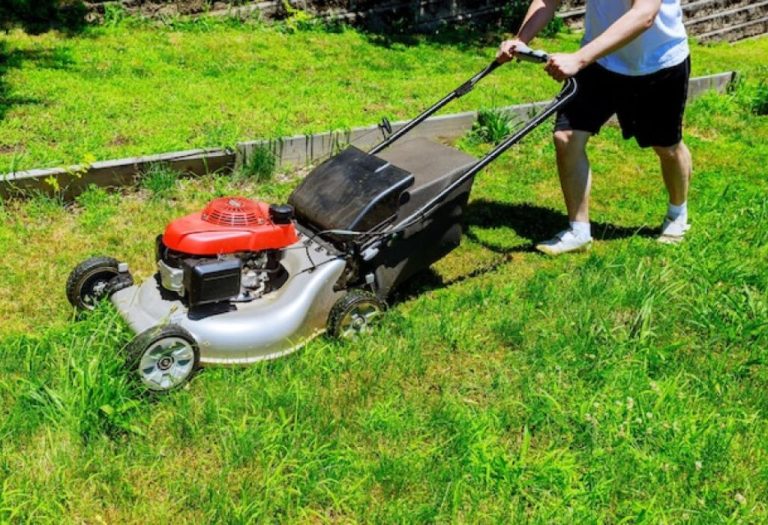
- Mowing the Lawn: Mow your lawn before rolling to a manageable height. This allows the roller to make better contact with the soil.
Mowing your lawn before rolling can greatly enhance the effectiveness of the roller. A shorter grass height allows the roller to more directly impact the soil surface. This results in more even compression and a smoother finish. Also, mowing beforehand makes it easier to see and address any uneven areas. This helps to make the rolling process more effective.
-
- Addressing Compaction: If your lawn has areas of severe compaction, consider aerating it before rolling. Aeration helps to loosen the soil and improve air and water flow. This enables more effective rolling.
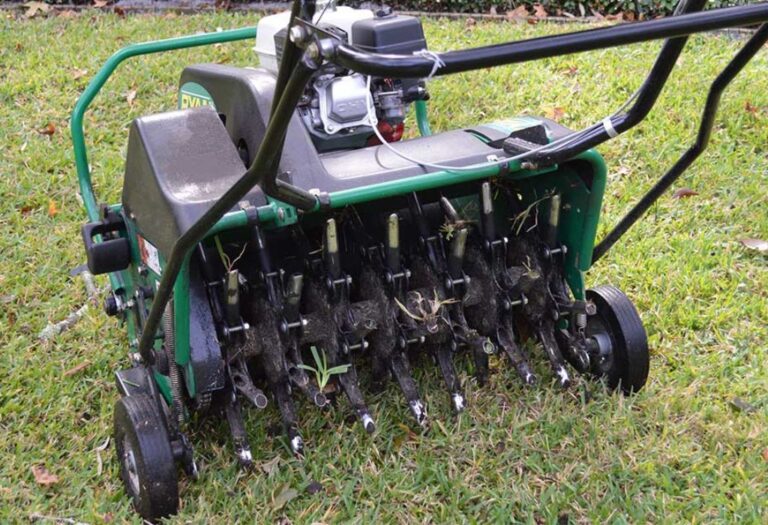
If your lawn has severely compacted areas, it’s wise to aerate it before rolling. Aeration helps to break up compacted soil. This increases air and water penetration, and improves overall lawn health. Aeration makes the rolling process more effective. This process encourages grass roots to grow more easily. Core aeration is the most effective approach for addressing compaction. However, other methods may be suitable for less severe issues.
Lawn Rolling Techniques: Step-by-Step Guide
The method you use when rolling your lawn is important for achieving optimal results. This includes the preparation of the soil, the rolling technique itself, and post-rolling care. Following a step-by-step approach ensures that you use the roller efficiently and helps improve the quality of your lawn. This guide provides detailed instructions to ensure that you get the most out of your lawn roller.
-
- Prepare the Lawn: Before you start, thoroughly clear your lawn of any debris. Also, mow your grass to a manageable height. This provides the best surface for flattening. It also makes the process more effective.
Soil preparation is the initial and crucial stage. It improves the efficiency of rolling and promotes the overall health of your lawn. Removing any debris like rocks and twigs will eliminate obstacles, and mowing the grass will make the surface ready for leveling.
-
- Choose the Right Roller: Select a roller of the appropriate weight for your soil type. A roller that is too heavy might lead to over-compaction, while one that is too light won’t be as effective.
The weight of the roller is very important for ensuring effective flattening. A roller that is too heavy can create excessive compaction, especially in clay soils. A roller that is too light won’t flatten the soil adequately. Consider your soil type and adjust accordingly. Often, a water-filled roller allows you to adjust the weight to suit your needs.
-
- Moisturize the Soil: The ideal time to roll your lawn is when the soil is slightly damp. If the soil is too dry, lightly water your lawn to make sure it is ready for rolling. Avoid rolling if it is excessively wet.
Proper soil moisture is essential for achieving the best results when rolling. Soil that is too dry won’t compress easily, making the rolling process ineffective. Excessively wet soil will compact too much, potentially damaging your lawn. The optimal moisture level is when the soil feels slightly damp.
-
- Start Rolling: Begin at one edge of your lawn, making sure the roller moves in straight, overlapping passes. Overlap each pass by about half the width of the roller to make sure you have even coverage.
The technique involves systematically rolling your lawn in overlapping strips. This approach is key to achieving consistent results. Overlapping each pass ensures that no area is missed. The change of direction with each pass also prevents the formation of any ruts or ridges. This technique guarantees the best possible outcome.
-
- Change Directions: Switch directions with each pass to avoid creating any ruts. This also helps flatten the soil more evenly.
Changing the direction of your passes with each roll is essential. This is to ensure even compression. Rolling in the same direction can cause ruts. Varying the direction helps to avoid these issues. Doing this promotes a smoother and more balanced result. This technique guarantees a surface that is both flat and aesthetically pleasing.
-
- Monitor the Results: During the rolling process, regularly inspect the lawn. Pay attention to any remaining uneven areas that may need extra attention.
Ongoing monitoring is essential for identifying any adjustments required. Pay close attention to how the soil responds to the rolling process. Addressing any areas that remain uneven is crucial. This helps to achieve the best possible result.
-
- After Rolling: After you have rolled the entire lawn, water the grass. This will help the grass recover from any minor stress. Also, stay off the lawn for a few days to let the grass settle.
Post-rolling care is essential for promoting rapid recovery and growth. This includes watering the lawn to help the grass recover from the rolling process. Also, it is best to stay off the lawn to allow the grass to settle. This approach ensures your lawn will be healthy and look great.
Frequently Asked Questions
Question: Can I roll my lawn in the winter?
Answer: No, it’s generally not recommended to roll your lawn in the winter. Rolling during cold weather can damage the grass and compact the soil when it’s frozen. Wait until the growing season.
Question: How often should I roll my lawn?
Answer: Rolling your lawn once or twice a year, especially during the spring or fall, is usually sufficient. Avoid rolling too often, as over-compaction can damage the grass roots.
Question: What’s the best time of day to roll my lawn?
Answer: The ideal time is in the morning when the grass is dry. This reduces the risk of the roller getting stuck. Also, it gives the grass the whole day to recover.
Question: Can I use a lawn roller on a newly seeded lawn?
Answer: Yes, but with caution. A light roller can gently press the seeds into the soil for good contact. Avoid heavy rollers, as they can cause too much compaction.
Question: What if my lawn roller leaves tracks?
Answer: If your lawn roller is leaving tracks, the soil may be too wet. Stop rolling and let the soil dry out a bit before resuming. You might also need to adjust your rolling technique.
Final Thoughts
Getting your lawn just right can be challenging, but hopefully, you’ve gained a better idea of why why lawn roller not flattening soil happens. You’ve discovered that things like the type of soil, the roller’s weight, and the amount of moisture are key. We’ve talked about how to prep your lawn, the best rolling techniques to use, and how often to roll. Remember, the goal is always a flat, healthy lawn. A slightly damp soil, a steady pace, and a little patience will help you get the best results. Don’t worry if it’s not perfect the first time! Keep these tips in mind, and you’ll be on your way to a beautiful, smooth lawn in no time.