How to Troubleshoot and Fix String Trimmer Line Issues
Having trouble with your string trimmer line not feeding? You’re not alone! This is a super common problem, especially for people who are just starting out with yard work. Sometimes the line gets stuck, tangled, or just plain runs out. Don’t worry, it’s usually an easy fix. We’ll show you exactly how to fix string trimmer line not feeding in a few simple steps. Get ready to have your trimmer working like new again.
Key Takeaways
- Learn the most common reasons why string trimmer line stops feeding.
- Understand how to quickly and easily clear line jams.
- Discover the correct way to reload a string trimmer spool.
- Find out how to choose the right trimmer line for your needs.
- Get tips on maintaining your string trimmer to prevent future issues.
Common Reasons for Trimmer Line Problems
One of the first things you’ll encounter is your string trimmer line not working properly. Many things can prevent the line from feeding smoothly. Knowing the common culprits makes it easier to diagnose the problem. The most usual problems involve line tangles, spool issues, or even simple wear and tear. Examining these factors first will save you time.
Consider the age of your trimmer. Older trimmers may have worn parts or design flaws. New trimmers are also prone to issues. Make sure the trimmer head is clean of grass clippings or debris. These can cause friction and block the line. Check the line itself. Using the wrong type, thickness, or diameter can affect performance. Proper line selection ensures efficient trimming.
Line Tangles and Jams
Line tangles often stop your trimmer in its tracks. These tangles prevent the line from unwinding properly. The most frequent cause is improper spooling during reload. Overfilling the spool can also lead to tangles. This causes the line to get stuck inside. Debris like grass clippings can also make the line stick.
Clearing a line jam requires careful inspection. First, remove the spool from the trimmer head. Carefully unwind the tangled line. Use your fingers or small tools, to untangle the knotted line. Inspect the spool for damage or cracks. A damaged spool might cause recurring jams. Clean the trimmer head and the spool housing. This removes debris.
- Inspect the spool after removing it, looking for damage that could be causing tangles.
- Carefully unwind and remove any tangled string, using a small tool if needed.
- Clean the trimmer head to remove grass and debris that could be affecting line movement.
- Check the line for any breaks or imperfections which might stop it from feeding correctly.
Spool and Line Issues
Spool and line problems often lead to frustrating experiences. A damaged or poorly designed spool can be the primary issue. This often leads to line snags. Another reason is using the wrong line type or size. This can prevent the line from feeding correctly. These are essential factors to consider.
The solution involves a few steps. Firstly, inspect the spool for any cracks or damage. Replace the spool if it appears worn or broken. Secondly, check the line. Ensure that you’re using the correct type and diameter recommended for your trimmer. Overfilling the spool can cause tangles. Make sure to load the spool correctly, following the instructions. Finally, make certain the line isn’t too old, which can cause it to become brittle.
- Examine the spool for cracks or wear and replace if necessary.
- Confirm you’re using the right line type and diameter for your trimmer model.
- Make certain that the spool is not overfilled.
- Properly load the line onto the spool according to the manufacturer’s instructions.
How to Reload Your String Trimmer Spool

Knowing how to reload your string trimmer spool is a key skill. It ensures your trimmer works efficiently. Incorrect loading often leads to line feeding issues. Knowing the correct technique will save you time and frustration. Let’s explore the step-by-step process to reload your spool.
Start by acquiring the correct string trimmer line. The right line size and type are essential for optimal performance. Next, detach the spool from your trimmer head. This often involves unscrewing or popping off a cover. Examine the spool and trimmer head for any debris or damage. A clean, undamaged unit is key. Follow the manufacturer’s instructions. These instructions guide you through the process for your specific trimmer.
Step-by-Step Guide to Reloading
Reloading a string trimmer can seem tricky at first. It becomes easy once you know the steps. Each trimmer has a specific process. This process ensures the line is loaded correctly. This avoids common issues like tangling. We will detail the common steps here. Always check your trimmer’s manual for specific instructions.
- Gather Your Supplies: You’ll need the right trimmer line. Plus, you will need any tools, such as the spool. Refer to your trimmer’s manual to find the right supplies.
- Remove the Spool: Carefully remove the spool from the trimmer head. Most trimmers use a twist-off cap. Examine your trimmer’s design to learn the removal method.
- Clean the Spool Housing: Remove any dirt, grass, or debris from the housing. This keeps the trimmer working smoothly.
- Cut the Line: Cut the new line to the length specified in your trimmer’s manual. This will ensure it fits and feeds properly.
- Insert the Line: Insert one end of the line into the designated anchor point. The anchor point is usually a hole on the spool.
- Wind the Line: Carefully wind the line onto the spool, keeping it neat and tidy. Avoid overfilling the spool. Overfilling causes tangles.
- Secure the Line: Once you have wound the line, secure the end in the retaining slot. This will hold the line in place.
- Reassemble the Trimmer Head: Place the spool back into the trimmer head. Put the cover back on. Make certain it is properly in place.
Avoiding Common Reloading Mistakes
Reloading mistakes are common and frustrating. Often, they lead to line feeding problems. Taking extra care can avoid these common problems. The following tips will help ensure smooth operation. It is essential to avoid the most common problems to enjoy a smooth trimming experience.
- Overfilling the Spool: Avoid putting too much line onto the spool. Too much line leads to tangling and stops the line from feeding. Always follow the manufacturer’s instructions.
- Incorrect Winding: Wind the line evenly and tightly onto the spool. Loose winding often causes the line to get stuck. Make sure the line is wound in the direction the manual specifies.
- Wrong Line Type: Use the right line type and thickness for your trimmer. The wrong kind of line will not feed correctly. Consult your trimmer manual to choose the right line.
- Neglecting Anchor Points: Always use the designated anchor points to hold the line in place. Without proper anchoring, the line will unravel.
Choosing the Right Trimmer Line
Selecting the correct trimmer line affects performance. The right line improves cutting efficiency and prevents problems. Line types and diameters vary. This depends on your trimmer type and the jobs you do. Take the time to choose the ideal trimmer line to get the best results.
Think about the types of grass and weeds you’ll be cutting. Thicker lines are best for thick weeds. They can withstand the extra work. Thin lines work well for lighter tasks. Consider your trimmer’s power. Higher-powered trimmers can handle thicker lines. Lower-powered trimmers work better with thinner lines. The right line matches your trimmer’s capability and the type of work.
Types of Trimmer Line
Trimmer lines vary in type and material. Each type offers different performance characteristics. The type you select depends on your needs. The main line types include round, twisted, and serrated. Each offers various advantages for your specific needs. Selecting the right type will ensure effective grass trimming.
- Round Line: This is the most common type of trimmer line. It’s affordable and works well for general trimming. It’s a good choice for people with standard grass trimming needs.
- Twisted Line: This type offers more durability. It can cut through thicker grass and weeds more easily. The twisting action helps reduce line breakage. It is a good choice for heavier work.
- Serrated Line: This line has serrated edges. These edges provide a sharper cutting action. It is great for cutting tough weeds and dense vegetation.
- Co-Polymer Line: Co-polymer lines are made from durable materials. They combine durability and flexibility. They are a good choice for many trimming tasks.
Line Diameter and Shape
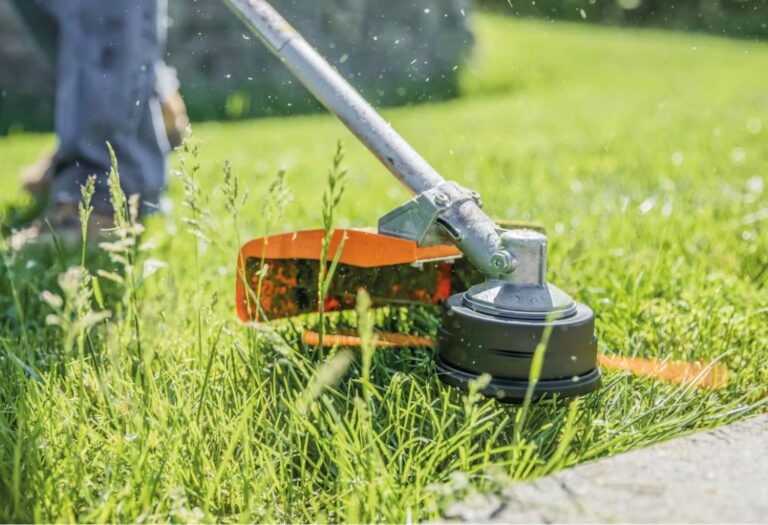
Line diameter influences your trimmer’s cutting ability. Thicker lines are stronger. They are better for tougher jobs. Thinner lines are more flexible. They work well for lighter trimming. The shape of the line also matters. The different shapes provide their own cutting advantages. Choosing the right size and shape is important.
You can choose from different line shapes. Round lines are standard. They work for basic trimming. Star-shaped lines offer increased cutting power. Square or twisted lines are great for cutting through dense weeds. Each shape cuts in its own way. Check your trimmer manual. This manual suggests the best line diameter and shape. This recommendation ensures your trimmer performs at its peak.
| Line Type | Diameter | Best Uses |
|---|---|---|
| Round | 0.065 to 0.095 inch | General trimming of grass and light weeds |
| Twisted | 0.080 to 0.105 inch | Cutting through thick grass, weeds and light brush |
| Square | 0.095 to 0.130 inch | For edging, heavy weeds and tough vegetation |
| Star | 0.080 to 0.105 inch | General use and some heavier cutting |
Troubleshooting Line Feed Issues
Sometimes, even with the right line and correct loading, issues occur. Troubleshooting is essential. This is how you identify and fix what’s causing line feed problems. It involves checking multiple things. These range from the spool to the trimmer head. With some patience, you can usually figure out the problem.
Start by inspecting the trimmer head. Look for any damage or obstructions. Ensure that grass clippings or debris haven’t jammed the line. Next, check the spool for any tangles or overfilling. Properly loaded spools help with smooth feeding. Test the trimmer on a safe area. This helps to see the line feeding under real conditions. These checks will help identify common issues.
Clearing Line Jams and Obstructions
Line jams are frustrating, but are often easy to fix. Clearing these blockages gets your trimmer working again. The process includes a few steps. You should remove the spool. After that, look for obstructions. Lastly, clear away debris. Following this process will save you time and keep your trimmer going.
- Turn Off and Disconnect: Always turn off your trimmer. Then unplug it (for electric trimmers). Or, remove the battery (for cordless trimmers). This protects you from accidental starts.
- Remove the Spool: Carefully remove the spool. Follow the steps detailed in your trimmer’s manual.
- Inspect the Spool Housing: Look inside the spool housing for any stuck line or debris. Clean the housing thoroughly.
- Clear the Line Channel: Use a small tool, like a piece of wire, to clear any blockages in the line channel. This is the path where the line feeds out.
- Check the Line: Ensure the line is free from tangles or knots. If necessary, trim off the damaged section.
- Reassemble the Trimmer Head: Put the spool back in the housing. Make sure the cover is correctly in place.
Maintaining and Cleaning Your Trimmer
Regular maintenance is important for optimal performance. Cleaning your trimmer after each use can help avoid problems. The right care also ensures that it runs smoothly. Routine maintenance keeps your trimmer in good shape. It will increase its lifespan.
- Clean After Each Use: Remove grass, dirt, and debris from the trimmer head. Use a brush or cloth to keep the trimmer clean. This stops material from building up.
- Inspect the Spool and Line: Check the spool for damage or wear. Also inspect the trimmer line for breaks. Replace components when needed.
- Lubricate Moving Parts: For trimmers with moving parts, apply a small amount of lubricant. Follow the manufacturer’s instructions. This keeps the parts working smoothly.
- Store Properly: Keep your trimmer in a dry place. This protects it from the elements. This also helps extend its life.
Frequently Asked Questions
Question: Why does my string trimmer line keep breaking?
Answer: Frequent line breakage often comes from using the wrong line type or diameter. Other reasons include worn trimmer head components, or repeatedly hitting hard objects like rocks. Check the type of line. Also, make sure that it’s properly installed and inspect the trimmer head for any damage.
Question: How often should I replace the string trimmer line?
Answer: Replace your string trimmer line when it becomes worn, frayed, or breaks. For regular use, consider replacing the entire spool once or twice per season. Replace it more frequently if you’re working on thick weeds or hard areas.
Question: How do I store my string trimmer?
Answer: Store your string trimmer in a dry and clean area, away from direct sunlight. Unplug electric trimmers and remove the battery from cordless trimmers. If you are not going to use your trimmer for a long time, consider cleaning it and lubricating moving parts.
Question: What’s the difference between a bump-feed and an auto-feed string trimmer?
Answer: A bump-feed trimmer releases more line when you tap the trimmer head on the ground. Auto-feed trimmers release line automatically, when the engine slows. Check your trimmer’s instructions for specific care.
Question: Can I use any type of string trimmer line in my trimmer?
Answer: No, it’s essential to use the correct type and diameter of string trimmer line recommended by your trimmer’s manufacturer. Using the wrong line may damage the trimmer and cause line feeding issues.
Final Thoughts
When you’re dealing with a string trimmer that won’t feed, don’t worry! It’s something that happens. This guide gave you the knowledge you need to identify and solve the problem. The core things to know are the most common causes of this issue. Things like tangles, the wrong line, or an incorrect spool loading can all stop the line from feeding. With a little practice, you’ll be able to reload the spool quickly and keep your yard looking tidy.
From choosing the right line to keeping your trimmer clean, now you have the skills to maintain your equipment. So, the next time your trimmer line stops feeding, remember the tips. With a few simple steps, you can get your trimmer back in action. Get out there and enjoy the satisfaction of a well-groomed yard!