Lawn Roller Marks: How to Get a Smooth, Beautiful Lawn
Having a beautiful, even lawn is something many people want. But, if you’re new to using a lawn roller leaving marks behind, it can be frustrating. You might notice unwanted imprints after you’re finished. Don’t worry, this is quite common! The pressure and weight of the roller can cause this, especially if the ground isn’t prepped just right. This post will give you easy-to-follow steps to make sure your lawn looks its best. We’ll go over everything you need to know, so let’s get started.
What Causes Lawn Roller Marks?
When you use a lawn roller, you’re essentially compacting the soil. This can flatten the grass and create visible marks, especially on softer, wetter ground. Factors like soil type, moisture level, and the weight of the roller all play a role in whether you see these marks. Different types of grass and the overall health of your lawn also impact the outcome. These marks aren’t always a bad thing; rolling can sometimes help with unevenness or newly laid sod. However, if not done correctly, or if the conditions aren’t ideal, it can lead to a less-than-perfect appearance. The key is knowing what to look for and how to avoid making those unwanted imprints.
Understanding Soil Types and Their Impact
Different soil types react differently to a lawn roller. Sandy soil drains quickly but can compact easily if over-rolled. Clay soil, on the other hand, holds more water, making it prone to imprints when wet, and becomes rock-hard when dry. Loam, a mixture of sand, silt, and clay, is generally the best type of soil for lawn rolling because it drains well while retaining enough moisture for a good roll. Knowing your soil type helps you adjust your rolling practices. You’ll need to know whether to roll your lawn or to hold off. You can often find out by consulting with your local extension office or by getting a soil test. Soil tests can give you information about nutrients and soil composition.
-
- Sandy Soil: This soil drains well but can become compacted if you use a roller, especially with multiple passes. Over-rolling can reduce drainage and suffocate roots.
Sandy soil, because of its larger particle size, tends to drain water very rapidly. The spaces between the sand particles allow water to flow through easily, leading to good drainage. However, these same properties can also make sandy soil more susceptible to compaction. When a lawn roller is used on sandy soil, the weight and pressure can push the sand particles closer together, reducing the air spaces and hindering water and air movement through the soil. This compaction is most noticeable in the top few inches of the soil, right where grass roots are growing, and can lead to a lack of airflow and water retention, essential for healthy grass growth.
-
- Clay Soil: Clay holds a lot of water and is easily marked when wet, but can be too hard when dry. Rolling is usually not recommended unless absolutely necessary.
Clay soil is made up of very fine particles that pack closely together, creating small pore spaces. This structure allows clay to retain a lot of water. However, this same characteristic makes clay soil prone to compaction when wet because the water fills the pore spaces and prevents the soil from compressing. When a lawn roller is used on wet clay, the weight of the roller pushes the clay particles closer together, squeezing out the water and reducing the air spaces. This action leaves behind the roller marks. Conversely, when clay soil dries out, it becomes extremely hard and difficult to roll without causing damage to the grass. Therefore, it is best to avoid rolling on clay soil unless you have no other option.
-
- Loam Soil: Loam is the best type, with a balance of sand, silt, and clay. It allows for good drainage and structure, resulting in the best rolling experience.
Loam is a balanced blend of sand, silt, and clay, making it an ideal soil type for growing grass and for lawn rolling. The sand in loam provides good drainage and aeration, while the silt and clay help retain moisture and nutrients. This balance ensures that the soil has enough pore space for water and air movement, preventing compaction. When a lawn roller is used on loam soil under the right conditions (slightly moist, not too wet), the weight of the roller helps to press the grass blades into the soil and level out any minor imperfections without causing significant compaction. This results in a smooth, even lawn. Loam also tends to provide better root support for the grass, leading to healthier growth and better results from rolling.
The Role of Moisture in Lawn Rolling
The moisture level of your soil is one of the most important things to consider. Rolling when the soil is too wet can lead to deep imprints, while rolling when it’s too dry can cause the roller to be ineffective and potentially damage the grass. The ideal time to roll is when the soil is slightly moist. This typically occurs after a light rain or a thorough watering, when the ground is soft enough to be compressed slightly but not so wet that it becomes muddy. Always keep an eye on the weather and the forecast to ensure you’re rolling at the right time.
-
- Too Wet: Avoid rolling if the soil is saturated. This can lead to deep ruts and compaction.
Rolling on soil that is saturated with water is a recipe for disaster. When soil is overly wet, it loses its structural integrity and becomes easily compressed under pressure. The weight of the lawn roller will squeeze out the water, pushing the soil particles closer together and creating deep imprints. This compaction reduces the air spaces within the soil, preventing water and air from reaching the roots of the grass. The resulting damage can suffocate the grass, leading to bare patches or unhealthy growth. It’s best to wait until the soil has dried out to a slightly moist state.
-
- Too Dry: Rolling when the soil is dry can be ineffective and can potentially damage the grass.
Rolling on excessively dry soil is typically unproductive. When the soil is dry, the ground is hard and resistant to compaction. The lawn roller will not be able to effectively smooth out any irregularities or create the desired effect. In this situation, the weight of the roller can press the grass blades flat to the ground without any significant improvement in the lawn’s appearance. It can also cause damage to the grass by stressing the roots or even pulling up the grass blades. Always make sure the ground is slightly moist before you get started.
-
- Just Right: The ideal time is when the soil is slightly moist, allowing for gentle compression.
The sweet spot for lawn rolling is when the soil is slightly moist. In this ideal state, the soil has just the right amount of give to allow for gentle compression. The lawn roller will be able to flatten out minor bumps and irregularities in the lawn, without causing significant compaction or leaving deep imprints. The grass blades will be pressed against the soil, which encourages good contact with the soil. The slight moisture allows the roots to settle into the soil and the grass blades to bounce back more easily. This helps the lawn look its best. This is the optimal condition for rolling as the soil is pliable enough to achieve the desired smoothing effect without the risk of damage.
Choosing the Right Lawn Roller Weight
The weight of the lawn roller is crucial. The weight you choose should match the specific task you’re trying to achieve, along with the condition of your lawn. A lighter roller is perfect for leveling small bumps or pressing down fresh grass seed, while a heavier roller might be useful for fixing a very uneven lawn. Using the right weight is critical to prevent damage and ensure the best results. Overdoing it can lead to problems. Always consider the soil type and how much work you’re going to do. Check the manufacturer’s suggestions, too.
-
- Lighter Rollers: These are ideal for seeding or leveling small bumps. They won’t cause much compaction.
Lighter rollers are typically the best choice for tasks such as seeding a lawn or smoothing out minor irregularities. These rollers apply a gentle amount of pressure, making them suitable for delicate work. They are gentle enough to press seeds into the soil without causing excessive compaction. This encourages good contact between the seed and soil, increasing the chances of germination and healthy growth. They are also useful for leveling minor bumps or uneven areas in the lawn. The lighter weight of these rollers helps to smooth out the surface without causing deep imprints or damage. They can be pushed or pulled easily.
-
- Heavier Rollers: Best used for more significant leveling, but use with caution to avoid over-compaction.
Heavier rollers are designed for more demanding tasks, such as addressing major bumps or leveling a severely uneven lawn. They can apply significant pressure to the soil, which can help to smooth out substantial irregularities. However, the greater weight increases the risk of soil compaction. Therefore, it is important to exercise caution when using heavier rollers. Avoid rolling when the soil is wet, and ensure the soil is not too dry. Always make multiple passes to avoid over-compaction. Monitor your lawn for any signs of stress, such as yellowing grass or poor growth. If you are unsure, consider using a lighter roller to reduce the risk of potential damage.
-
- Adjustable Rollers: Some rollers let you add or remove water or sand to change the weight as needed.
Adjustable rollers offer versatility for different tasks and soil conditions. These rollers usually have a compartment that can be filled with water or sand, enabling you to control the amount of pressure applied. You can add more weight for more significant leveling or compaction, or you can reduce the weight for more delicate work, like seeding or addressing minor issues. They are very adaptable and can be easily adjusted to match the condition of your lawn and the goals of your project. They are an excellent option for homeowners who want a single tool that can handle a variety of lawn care tasks.
Preparing Your Lawn for Rolling

Before you even think about rolling your lawn, preparing the area is key. This helps make sure you get the best possible results and avoid leaving those marks. Cleaning up any debris and making sure the grass is cut to the right height are important steps. Addressing any underlying issues, such as uneven areas or pest infestations, will contribute to the success of your rolling project. Taking the time to prepare your lawn properly ensures a smooth, even surface and healthy grass.
Mowing and Clearing Debris
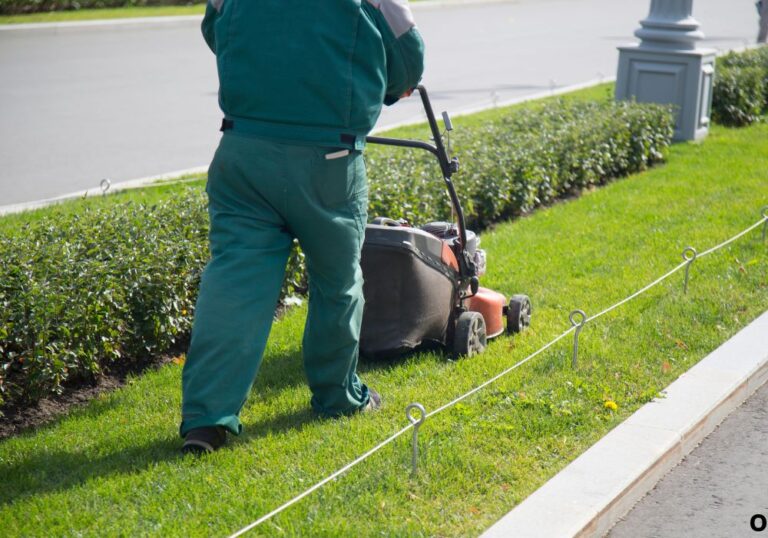
A well-prepared lawn is easier to roll and results in better-looking outcomes. Mowing your grass to the appropriate height before rolling is essential. This helps to ensure an even surface and prevents the roller from getting caught on long grass blades. Clearing away any debris, such as twigs, leaves, or stones, is equally important. Debris can get trapped under the roller and cause damage to the grass or create an uneven surface. By taking the time to prepare your lawn, you are setting the stage for a successful rolling project.
-
- Mow the Lawn: Cut the grass to the proper height before you start.
Mowing your lawn to the appropriate height before rolling is an essential first step. The ideal grass length for rolling varies, but generally, it is best to mow the grass to a height that allows the roller to make contact with the soil without causing damage to the grass blades. Mowing your lawn ensures that the roller moves smoothly across the surface without catching on long grass blades. This allows the roller to make even contact with the soil, leading to an even surface. If the grass is too long, the roller can push the grass blades down, making them appear flattened and potentially damaging the grass.
-
- Clear Debris: Remove all sticks, stones, and other materials that could get in the way.
Removing any debris from your lawn is a crucial step in preparing for rolling. Sticks, stones, leaves, and other materials can interfere with the rolling process. These objects can get trapped under the roller and cause damage to the grass or create an uneven surface. They can also damage the roller itself. By taking the time to clear away any debris, you help prevent damage to your lawn and make sure the roller moves smoothly across the surface. This prepares your lawn for a smooth, even finish.
-
- Watering and Aeration: If needed, water the lawn lightly. Aerate if your soil is compacted.
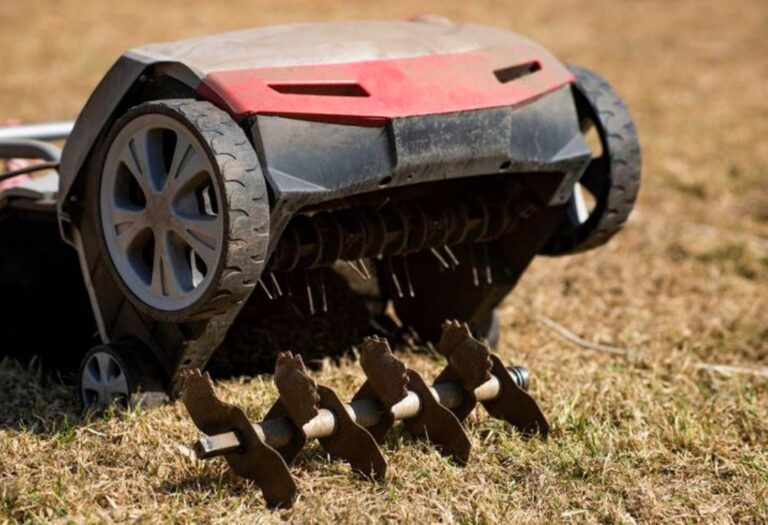
Depending on the condition of your soil and the tasks you have planned, light watering and aeration might be necessary. If the soil is dry and compacted, light watering can soften it up, allowing the roller to compress the soil more effectively without causing damage. However, it’s important not to overwater, as this can lead to excessive compaction. Aeration, which involves creating small holes in the soil, can help to improve drainage and reduce compaction. Aeration should be done before rolling, as it helps the roller to do its job. It also allows the roller to have a greater impact on the soil.
Addressing Uneven Areas
If your lawn has any dips, bumps, or other uneven spots, they should be addressed before rolling. This can be as simple as adding a bit of soil to low areas or carefully removing excess soil from high spots. If you ignore these uneven areas and roll over them, you may make the problems worse. Addressing any underlying issues before rolling ensures a more even, visually pleasing outcome. This extra step helps your lawn look its best and improves the overall health of your grass.
-
- Fill Low Spots: Add topsoil to areas that are sunken or uneven.
Filling low spots on your lawn is a crucial step in creating an even surface. Low spots can be caused by various factors, such as soil settling or erosion. When you roll over these areas, the roller might create a deeper impression, leading to an uneven appearance and possibly causing damage to the grass. Adding topsoil is the best solution for these areas. You can use a rake to spread the topsoil evenly over the low areas. Make sure the soil is level with the surrounding surface. The topsoil will not only fill the low spots but will also provide nutrients to the grass. This will promote healthy growth and create a smooth and level surface.
-
- Remove High Spots: Scrape off excess soil from areas that are elevated.
Removing excess soil from high spots on your lawn is essential for achieving an even surface. High spots can make your lawn look uneven and cause problems for mowing. As the roller passes over these areas, it may damage the grass blades or create an uneven surface. Using a shovel or a rake, you can gently scrape off the excess soil to level it with the surrounding surface. Be careful not to damage the grass roots or the surrounding area during this process. After leveling, you may need to add grass seed to re-establish the grass in the disturbed areas. This creates a more uniform appearance and prevents any issues with mowing.
-
- Consider Aeration: Aerate before rolling if your soil is severely compacted.
Aeration is a smart step if your soil is severely compacted. Aeration involves creating small holes in the soil to improve drainage, reduce compaction, and allow air and nutrients to reach the grass roots. If your soil is compacted, it can prevent the grass from growing properly, leading to an unhealthy lawn. Rolling a compacted lawn can make the problem worse. Aerating before rolling can improve the overall health of your grass. This improves the effectiveness of the roller. Aeration helps to create a healthier environment for your grass. Consider aerating once or twice a year, especially in areas that experience heavy foot traffic.
Inspecting for Pests and Diseases
Before you roll, check your lawn for any signs of pests or diseases. Addressing these problems is vital to prevent additional damage or spreading to healthy areas of your lawn. Look for any unusual spots, discolored patches, or signs of insect activity. Taking action before you roll will assist your lawn to recover and maintain its health. Addressing potential issues before you roll promotes a healthier, more beautiful lawn.
-
- Inspect for Pests: Look for insects that could cause damage, such as grubs.
Inspecting your lawn for pests before rolling is a smart step in lawn care. Pests like grubs and other insects can cause damage by feeding on the roots and blades of grass. If you roll your lawn when these pests are present, you may worsen the existing damage or further stress the grass. The roller could press the pests into the soil, where they can continue to cause harm. Identifying pest problems allows you to take action before rolling, which helps prevent additional damage and ensures the health of your lawn. This allows you to address the problem with appropriate treatments, such as insecticides or other pest control measures. This ultimately helps in preserving a lush, healthy lawn.
-
- Identify Diseases: Watch out for fungal diseases or other lawn diseases that could be present.
Identifying lawn diseases is critical before rolling. Fungal diseases and other ailments can cause spots, discoloration, or other issues on your lawn. Rolling over an area with a disease can worsen the existing damage or spread the disease to healthy areas. The pressure from the roller might push the disease further into the soil. Observing your lawn for early signs of disease, such as brown patches, unusual growth patterns, or discoloration, is crucial. Identify and treat any existing diseases before rolling to prevent further harm and help your grass recover. Consider using appropriate fungicides or other treatments. You can then ensure a healthier, more vibrant lawn.
-
- Treat Accordingly: Treat any pest or disease problems before rolling.
Treating any identified pest or disease problems before rolling is vital for protecting your lawn. Once you have identified any pests or diseases, using appropriate treatments helps prevent further damage. Using insecticides or fungicides can help control pests or diseases. By addressing these issues before rolling, you help promote the health and recovery of your grass. This allows the grass to bounce back more quickly. Treating your lawn before rolling helps the grass become more resilient and reduces the risk of further spreading.
Rolling Your Lawn: Step-by-Step Guide
Now that your lawn is prepped and ready, it’s time to roll. This step-by-step guide walks you through the process, which ensures the best results and prevents issues. Knowing how to roll properly can enhance your lawn’s health and appearance. Here’s a look at the process.
Operating the Lawn Roller Safely
Always keep safety in mind when operating a lawn roller. It is essential to ensure a smooth and enjoyable rolling experience. Before you begin, inspect the roller for any damage or potential hazards. Wear appropriate safety gear, such as sturdy shoes, and be mindful of your surroundings. Roll at a reasonable pace to maintain control and prevent accidents. Following safety precautions protects both you and your lawn. Prioritizing safety minimizes risk and ensures a successful rolling outcome.
-
- Inspect the Roller: Check for any damage or potential hazards before you begin.
Inspecting your lawn roller before you start is crucial for safety and effectiveness. Make a thorough check for any issues. Look for loose parts, cracks, or other damage that could cause the roller to malfunction. Check the handle and other moving parts. Ensure they are secure and in good working order. If you’re using a water-filled roller, check for leaks. Look for anything that could cause injury or affect the rolling process. Regular inspections help to prevent accidents. It also helps to ensure the roller is working properly and will give you the results you want.
-
- Wear Safety Gear: Wear sturdy shoes. Avoid rolling on wet grass to reduce the risk of slips.
Safety is the most important factor when operating a lawn roller. Wear sturdy shoes to protect your feet and provide good traction. Avoid rolling on wet grass to reduce the risk of slips and falls. Wet grass is slippery. Maintaining control is crucial for preventing injuries and achieving a smooth rolling experience. Keep aware of your surroundings and any potential hazards. By following these safety precautions, you can reduce the risks and ensure a safe, efficient, and enjoyable lawn rolling experience. Always prioritize your safety and the safety of those around you.
-
- Roll at a Safe Speed: Move at a steady, controlled pace to maintain control.
Rolling at a safe and steady pace is essential for both your safety and the effectiveness of the process. Going too fast can cause you to lose control, which increases the risk of accidents and uneven rolling. A controlled pace helps the roller to evenly compact the soil. It also helps to prevent damage to the grass. Try to maintain a constant speed that allows the roller to move smoothly across the lawn. This also allows you to make corrections as needed. Rolling at a safe speed helps to prevent accidents and ensures that you achieve the desired outcome. You will have a smoother, more even lawn.
Rolling Technique for Best Results
Proper rolling technique helps you get the best outcomes. Overlapping each pass slightly ensures that you cover the entire lawn. Changing direction with each pass avoids creating unwanted marks. Avoid making sharp turns. Rolling your lawn in a systematic manner is the best way to achieve a uniform finish and avoid issues.
-
- Overlapping Passes: Roll in straight lines, overlapping each pass slightly.
Overlapping your passes is a smart approach for an even outcome. Overlapping means that each pass of the roller slightly overlaps the previous one, ensuring that you cover the entire area. This systematic approach avoids any missed spots, ensuring an even compaction. Overlapping prevents any uneven areas and results in a smooth, uniform surface. The overlap should be around 2-3 inches to make sure that the entire area is compacted evenly without causing double compaction in any spot. This technique promotes healthy grass growth and delivers a better result.
-
- Changing Directions: Roll in one direction, then switch directions for the second pass.
Switching directions for each pass helps to avoid creating a pattern of marks on your lawn. Rolling in one direction and then switching to a perpendicular direction can help even out any variations in the soil. This prevents the roller from pushing the grass in the same direction repeatedly. Changing directions ensures that the grass blades are pressed evenly. This creates a more uniform appearance. The technique also helps to reduce the likelihood of creating long streaks or imprints. It results in a smoother, more aesthetically pleasing lawn.
-
- Avoid Sharp Turns: Make gentle turns to prevent scuffing the grass.
Avoiding sharp turns is an important step. Sharp turns can damage the grass. When you make a sharp turn, the roller can dig into the ground, causing damage and leaving visible marks. Making gentle turns helps to avoid any damage and ensure an even, smooth surface. It keeps the roller moving in a straight line, reducing the risk of tearing or scuffing the grass. Remember to plan your rolling path in advance, to help you avoid tight corners and unnecessary maneuvers. This will allow you to maneuver the roller easily and achieve the desired results without causing damage to your lawn.
Post-Rolling Care and Maintenance
After you roll your lawn, there are a few things you should do to keep your grass healthy and make sure it recovers properly. Watering the lawn, if needed, will encourage the grass to recover from the stress of being rolled. Regular maintenance, such as mowing and fertilizing, will improve the health of your grass. These steps will keep your lawn looking its best and protect your investment.
-
- Watering: Water the lawn lightly, if needed, to encourage the grass to recover.
Watering your lawn after rolling is a smart practice, particularly in dry conditions. Watering helps to replenish moisture in the soil, which encourages the grass to recover from any stress it experienced during the rolling process. Rolling can sometimes flatten the grass blades. Watering can help the grass stand back up. Watering also helps the roots to take hold in the soil. However, avoid overwatering, as this can lead to waterlogging. It is best to water lightly and only if the weather is hot and dry. Observe the weather. Consider your soil type. Water only when necessary to help the grass recover.
-
- Regular Mowing: Continue to mow your lawn at the appropriate height.
Continuing to mow your lawn regularly is important for maintaining its health and appearance. Mowing promotes healthy growth and keeps the grass at the right height. Rolling your lawn can sometimes flatten the grass blades. Regular mowing ensures that the grass blades are consistently trimmed. This can improve the health and appearance of your lawn. This also allows the grass to receive adequate sunlight. Mowing also helps to prevent weeds from growing by keeping the grass thick and healthy. Continue to maintain a regular mowing schedule. This will help maintain the health and appearance of your lawn.
-
- Fertilizing: Fertilize the lawn according to your lawn care schedule to promote growth.
Fertilizing your lawn regularly is crucial for promoting healthy growth and helping it recover after rolling. Fertilizers provide essential nutrients that promote the growth of the grass, giving it the strength it needs to recover from any stress caused by rolling. Regular fertilizing helps to improve the overall health and appearance of the lawn, making it more resilient and better able to withstand any stresses. Follow the instructions on the fertilizer product. This will ensure that you apply the right amount for your grass type. Choose a fertilizer that provides the necessary nutrients. Regular fertilizing, along with watering and mowing, is a cornerstone of maintaining a beautiful lawn.
Common Problems and Troubleshooting
Even if you follow all the steps, you might encounter issues. Fortunately, most of these can be fixed easily. If you see marks after rolling, take a close look at the soil, the weight of the roller, and the condition of your grass. Here are some tips that can help solve any challenges. These tips help you avoid problems or know what to do if an issue appears.
Dealing with Roller Marks
If you have marks after rolling, it’s usually because of soil moisture or the weight of the roller. You can minimize these marks. Adjusting the timing, technique, and weight are a couple of approaches. Make sure you’re using the right rolling practices will ensure an even and attractive lawn.
-
- Assess Soil Moisture: Check to see if the soil was too wet when you rolled.
Assessing soil moisture is the first step in addressing roller marks. Soil that is too wet is one of the biggest causes of these marks. Wet soil is easily compacted, which leads to imprints. Check the soil before rolling and after to see how much water is present. If the soil is overly wet, wait for it to dry out a little before trying to roll again. If the soil is too dry, consider light watering to help prevent damage. Make sure the soil is slightly moist. Knowing your soil’s moisture level helps you to make adjustments that can help reduce and prevent future imprints.
-
- Adjust Roller Weight: Reduce the weight of the roller if possible.
Adjusting the weight of the roller can help reduce the appearance of marks. If you notice imprints, the roller may be too heavy for the existing soil conditions or the type of grass you have. If your roller allows it, consider reducing the amount of water or sand you have added. If the marks are especially deep, you may need to lighten the roller, or hold off on rolling your lawn. Lighter rolling weights are often recommended. Consider the overall health of your lawn and the type of grass you have. By reducing the weight, you can help to minimize compaction and reduce the appearance of unwanted marks.
-
- Change Rolling Technique: Try rolling in a different direction or making fewer passes.
Changing your rolling technique is a common approach to reduce the appearance of imprints. You can try rolling in a different direction on your next pass. Rolling in one direction and then changing to a perpendicular direction can help distribute the weight evenly. This can help prevent long streaks or deep imprints. Make fewer passes overall. If the marks are still visible, it may be because you are making too many passes. Consider the state of your lawn and the desired outcome. Changing your technique can improve the overall look of your lawn. Try reducing the number of times you roll or altering your rolling pattern.
Addressing Uneven Results
Sometimes, even with the best efforts, you might notice an uneven lawn after rolling. In this case, there are usually adjustments you can do. By adjusting how you roll or taking care of your grass, you can often fix the issues and get a more consistent appearance.
-
- Spot Leveling: Fill in any low spots or depressions with topsoil.
Spot leveling is a simple way to address unevenness after rolling. Spot leveling involves adding topsoil to any low spots or depressions on your lawn. These low spots are often more visible after rolling. Rolling can highlight any imperfections on the lawn. Use a rake to spread the topsoil over the low areas. Make sure the soil is level with the surrounding surface. Spot leveling can help to create a more uniform appearance. You can ensure that your lawn looks its best. You will also improve the health of your grass.
-
- Additional Rolling: Make an additional pass, but only if the soil conditions are right.
Making an additional pass with the lawn roller might be helpful, but only if the soil conditions are suitable. If you notice uneven areas after the initial rolling, another pass may help to level the lawn further. Be sure the soil is slightly moist. Consider the weight of your roller and the overall health of your grass. Rolling when the soil is too dry or too wet can cause more damage. It is best to wait for the soil to dry out and assess the situation. Additional rolling might resolve the problem, but only under the right conditions. This might also help to level out any minor imperfections, leading to a smoother, more even surface.
-
- Monitor Grass Growth: Observe for signs of recovery, such as new growth in areas that are flattened.
Monitoring the growth of your grass is important after rolling. Look for any signs of recovery, such as new growth in areas that appear flattened. You may see the grass blades gradually stand up. This can take a few days or weeks, depending on the conditions. Make sure the grass is getting the water and nutrients it needs. After rolling, your grass might need a bit of extra care. If the grass is not recovering, it may indicate a deeper problem. The key is to be patient and observant. You can address any issues early on.
Troubleshooting Grass Damage
It’s important to understand the main causes of grass damage. This will help you know how to fix it and prevent it from happening again. Grass damage can result from various reasons, like excessive compaction, diseases, and pests. Addressing these issues immediately and modifying your rolling process can improve your lawn’s health.
-
- Assess the Damage: Examine your lawn to see the extent of any damage.
Assessing the extent of any damage is the first step in addressing any issues on your lawn. Look carefully for any visible signs of damage, such as brown patches, bare spots, or discolored grass. Also look for any signs of pests or disease. Understanding the extent of the damage will help you to decide the best steps to take. It will also help you determine whether the damage is minimal or extensive. Make sure you examine the affected areas, and determine what might be causing the damage.
-
- Adjust Rolling Practices: Avoid rolling if the grass is damaged, or adjust your technique.
Adjusting your rolling practices is crucial for preventing more damage. If you see signs of grass damage, such as bare spots or disease, it is best to avoid rolling the affected area until the grass has had a chance to recover. If you decide to roll, use a lighter roller and apply less pressure. If the soil is too wet or compacted, rolling can make things worse. Make sure the grass is dry and the soil is slightly moist. Reduce the number of passes you make. This will minimize compaction and help prevent further damage.
-
- Provide Proper Care: Implement proper watering, mowing, and fertilizing practices.
Providing the proper care for your lawn is essential for recovery. Make sure the grass gets the nutrients, water, and sunlight it needs to grow. Proper mowing can help the grass recover from rolling. Fertilizing will provide essential nutrients. Watering helps the grass recover from the stress of rolling. This is important to promote health and prevent further issues. By using proper lawn care practices, you can make the grass more resilient.
Frequently Asked Questions
Question: How often should I roll my lawn?
Answer: It depends on your lawn’s needs. Generally, once or twice a year is sufficient, typically in spring or fall, or as needed for leveling or after seeding.
Question: Can I roll my lawn if it has weeds?
Answer: It’s best to address weeds first. Rolling can potentially press weed seeds into the soil, so weed control is recommended before rolling. Mowing helps.
Question: Is it okay to roll newly seeded lawns?
Answer: Yes, you can roll a newly seeded lawn gently. Use a light roller to press the seeds into the soil for good contact, promoting germination. Make sure you do not roll the lawn when the soil is too wet.
Question: What’s the best time of day to roll my lawn?
Answer: The best time is when the soil is slightly moist, typically in the morning after the dew has dried or in the evening. Avoid rolling during the hottest part of the day.
Question: How do I clean and store my lawn roller?
Answer: Rinse the roller with water and dry it after each use. Store it in a dry place to prevent rust. Make sure you prepare the roller for the next use.
Final Thoughts
Making sure your lawn looks its best is the aim of many homeowners. Knowing about lawn roller leaving marks is key to achieving this. These marks are often caused by the soil conditions, the weight of the roller, and the rolling methods you use. You can avoid them by getting ready, rolling safely, and taking proper care of your lawn after rolling. Pay close attention to the moisture of the soil. Use the correct weight roller. Also, make sure you choose the right technique for your lawn’s specific needs. If you notice any marks, don’t worry. This is usually easily fixed. With the right care and care, your lawn can be beautiful. This can include light watering, mowing, and feeding your lawn to keep it growing and strong. Enjoy the process and the results!