Lawn Roller Too Heavy? Easy Solutions for Smoother Lawns
Having a lawn roller can be awesome for your yard, but sometimes they can be a real pain. A common problem beginners face is that the lawn roller too heavy feels impossible to manage. Don’t worry, many people struggle with this, especially when the roller is filled. This guide is all about helping you fix that issue. We will break down what makes a roller tough to handle and how to make things easier, step by step. Let’s get started!
What Makes a Lawn Roller Difficult to Maneuver?
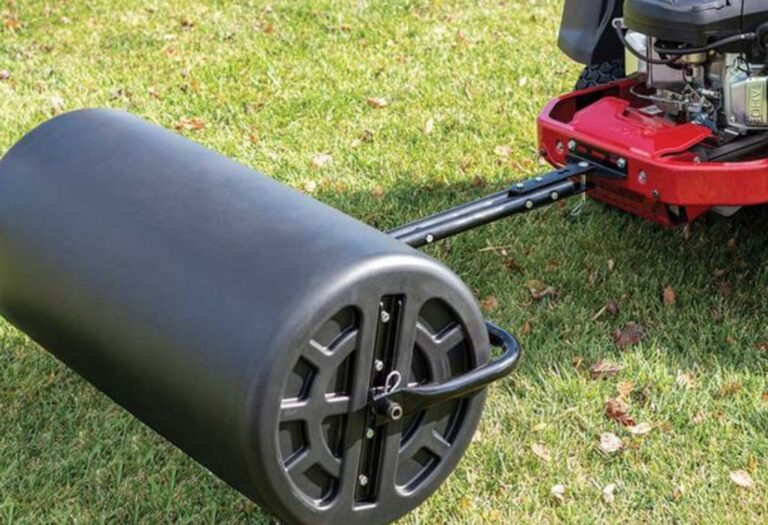
The primary reason a lawn roller becomes challenging to use is its weight. When empty, a roller might be manageable, but as you add water or sand for compaction, the weight dramatically increases. This added weight is necessary for effectively flattening the lawn and addressing issues like uneven surfaces and settling soil. However, it also introduces difficulties when turning, pushing, and pulling the roller, particularly on softer ground or sloped terrain.
The type of roller also plays a role. Wider rollers cover more ground with each pass, but they can be more difficult to steer, and maneuvering them around obstacles like trees and flowerbeds can become cumbersome. Conversely, smaller rollers are easier to handle but require more passes to cover the same area. Consider the terrain – a roller is easier on a flat yard than on uneven land. The handle design also matters, as a comfortable, ergonomic handle can reduce strain and improve control.
Factors Contributing to Excessive Weight
Several factors contribute to the weight of a lawn roller, directly impacting how easy it is to manage. The most significant is the material used to add weight. Water is a common choice because it’s readily available and easy to manage; however, it adds considerable weight when the roller is full. Sand is another alternative; while providing excellent compaction, it can make the roller much heavier. The size and design of the roller itself, like its width and the thickness of the drum material, also impact the overall weight.
The ground conditions where you are rolling will impact the difficulty. Rolling on soft, freshly tilled soil, or on wet surfaces will create more resistance, making the roller feel heavier and more challenging to move. Even the type of soil matters. Clay soils, which tend to compact easily, can result in the roller sinking slightly, increasing the effort required. All these variables interact to influence the overall effort needed for each pass with the lawn roller.
- Drum Material: The material used for the drum (e.g., steel, plastic) contributes to the empty weight. Steel rollers are typically heavier than plastic ones.
- Filling Material: Water, sand, or a combination drastically changes the weight of the roller. Water is lighter than sand but still adds significant bulk.
- Roller Size: Wider rollers are better for large areas but may feel heavier due to their larger surface area and higher overall filled weight.
- Terrain Conditions: Soft, uneven, or wet ground greatly increases the perceived weight due to resistance.
The Impact of Weight on User Experience
The weight of a lawn roller significantly influences the user experience. A roller that is lawn roller too heavy can lead to physical strain, including back pain, shoulder fatigue, and general exhaustion, particularly during extended use. This strain is amplified on uneven terrain or when changing direction frequently. It also affects the effectiveness of the rolling process itself. Overly heavy rollers can cause excessive compaction, harming the soil structure and possibly damaging the grass.
This impacts how you use the roller. If it’s too challenging to push, you might skip rolling sections or not roll the lawn as often as you should. This can impact the overall finish, potentially leaving patchy results and reducing the visual appeal of the lawn. Additionally, the added strain means increased effort required for maneuvering around obstacles. The difficulty in controlling a heavy roller can affect the precision of the rolling process. This can result in an uneven finish across the lawn surface.
Here’s a comparison that shows the average weight range of lawn rollers with and without water:
| Roller Type | Empty Weight (lbs) | Filled Weight (lbs) |
|---|---|---|
| Small Roller (e.g., 24-inch) | 25-35 | 150-200 |
| Medium Roller (e.g., 36-inch) | 35-50 | 200-250 |
| Large Roller (e.g., 48-inch) | 50-70 | 250-300+ |
Tips for Managing a Lawn Roller Too Heavy

Dealing with a lawn roller too heavy involves smart strategies that minimize strain and optimize the rolling process. These strategies focus on weight management, efficient techniques, and using the right equipment for the task. Employing these methods ensures you can effectively flatten your lawn without overdoing it, preventing damage to the grass and soil. From adjusting the filling volume to using smart rolling techniques, each tip is designed to make the job easier.
The key here is balance. The goal is to get a smooth, even surface without causing the roller to sink into the soil or damage the grass roots. This balance requires careful preparation, adjusting how much the roller is loaded, and making smart choices about your rolling technique. This approach guarantees that you get the best outcomes without the extra work that comes with an overly heavy roller. By following these suggestions, you’ll find the rolling process much simpler and more enjoyable.
Adjusting the Filling Volume
The most straightforward method to manage a heavy lawn roller is to control the filling volume. For rollers that use water, start with a smaller amount. You can always add more if necessary. Fill the roller only to the amount that is required for your task. If the soil is already compact or the goal is to smooth minor imperfections, using less water will still provide enough weight for the job. You can also experiment with partial filling for different parts of your lawn.
If you’re using sand, consider filling it partially at first. Sand increases the roller’s weight significantly. It is best to load smaller amounts to find the ideal weight for your soil conditions. A common mistake is to overfill the roller, making it difficult to control. Always make sure the roller is filled according to the manufacturer’s suggestions to avoid damage or difficulty. Regularly check the filling level during the rolling process to see if changes are needed.
- Start Small: Begin with a partial fill of water or sand. You can always add more.
- Assess the Soil: Evaluate the soil’s condition before filling. Less weight is needed on already compact soil.
- Match the Task: For minor leveling, less weight may be adequate. For serious compaction, a little more weight might be required.
- Check the Roller: Confirm the roller’s fill capacity to avoid overfilling and damage.
Techniques for Efficient Rolling
Effective rolling techniques can significantly reduce the effort required. Start by making sure the ground is prepared. Clear away debris like rocks, twigs, and large clumps of grass that could get in the way. Plan your rolling path beforehand. This includes ensuring your paths overlap slightly to prevent stripes. Roll in straight, parallel lines. This helps achieve a consistent surface and avoids unnecessary turns.
Another smart practice is to use the terrain to your benefit. Roll across slopes rather than up and down. This reduces the effort needed to push and pull the roller. Additionally, choose the right speed. A steady, consistent pace is more effective than rushing. Keep your movements fluid, steering clear of any jerky motions. Following these approaches will not only make the task easier but also improve the results, ensuring a smooth and even lawn surface.
- Path Planning: Map out the rolling path to avoid obstacles and ensure even coverage.
- Overlap: Overlap each pass slightly (about 6 inches) to eliminate gaps and ensure full coverage.
- Avoid Sharp Turns: Wide turns keep the roller from digging into the ground or causing uneven compaction.
- Consistent Speed: Maintain a steady pace to prevent uneven rolling and reduce fatigue.
Choosing the Right Lawn Roller for You
The right lawn roller can be a real game changer, so it is important to find the model that suits your lawn size, terrain, and the tasks you plan to tackle. Consider the drum size, as wider rollers cover more ground with each pass, making them efficient for larger lawns. However, if you have a smaller yard or areas with tight spaces, a smaller roller will be more manageable. Think about the construction materials.
Steel rollers are sturdy and long-lasting but can be heavier than plastic options. Plastic rollers are often lighter and easier to maneuver, making them great choices for smaller yards or users who prioritize ease of use. Consider features like handle design and the ability to add water. An ergonomic handle reduces strain and improves control. Rollers with easily accessible fill ports and drainage points make maintenance and weight adjustment simpler.
Roller Size and Construction Materials
When selecting a lawn roller, size and construction materials are key elements to consider. The size of the roller directly affects its weight and ease of use. Wider rollers cover more area with each pass, reducing the number of passes required, which makes them efficient for larger lawns. However, they can be more challenging to maneuver and store. Smaller rollers are better suited for smaller areas or lawns with tight spaces.
Consider the construction materials. Steel rollers are known for their durability and longevity. However, they’re typically heavier, especially when filled with water or sand. Plastic rollers are a lighter option and can be more easily handled. They are generally less expensive, making them more suitable for DIY homeowners or for users who value ease of use over extreme durability. Pick a roller that suits your specific needs.
- Steel Rollers: Durable and robust, but heavier. Suitable for frequent use and larger lawns.
- Plastic Rollers: Lighter, easier to maneuver, and less expensive. Better for smaller yards and occasional use.
- Drum Width: Wide drums cover more ground but can be harder to steer. Narrower drums are better for smaller yards.
Features to Consider
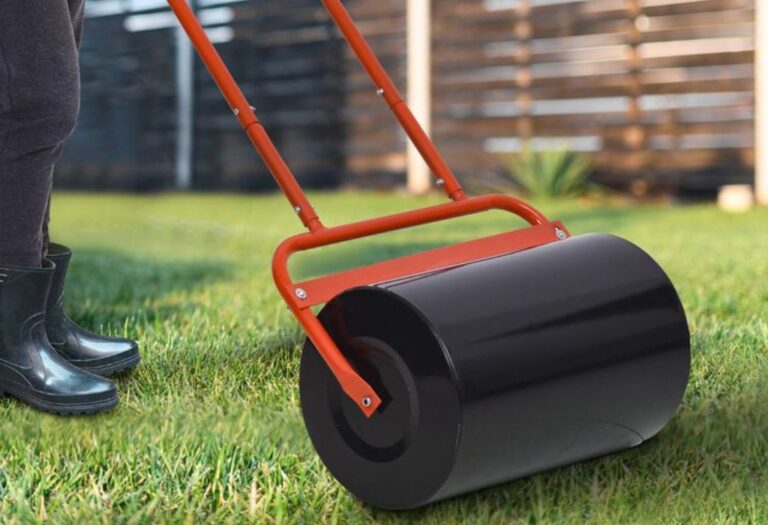
Selecting a lawn roller involves reviewing additional features beyond size and material. Look for ergonomic handle designs. These help to reduce strain and ensure comfort during use. The handle should be adjustable in height, catering to different user heights for better comfort and control. Make sure the roller has an easily accessible fill port and drainage point. This simplifies adding and removing water or sand.
Consider the roller’s weight capacity, which determines the maximum amount of filling material that it can handle. Check the wheels. High-quality wheels with durable bearings improve the roller’s maneuverability and lifespan. Some rollers also come with built-in scrapers to remove debris and prevent material buildup on the drum, which improves the rolling results. These features contribute to a better overall user experience.
- Handle Ergonomics: Look for padded handles with comfortable grips to minimize fatigue during use.
- Fill Port Design: A wide, easily accessible fill port simplifies adding and removing water or sand.
- Drainage: Consider a roller with a drain plug for easy emptying and storage.
- Wheel Quality: Sturdy wheels with smooth-rolling bearings improve maneuverability and longevity.
Troubleshooting Common Issues
Even with the best preparation, you might encounter issues when using your lawn roller. One frequent problem is uneven compaction, which can result in an undulating lawn surface. Another problem is the roller digging into the ground, especially on soft or wet soil. When this happens, it can make the roller difficult to manage. Another typical problem is the roller getting stuck on small obstacles like rocks or roots.
These issues typically arise from a combination of incorrect rolling techniques, soil conditions, and the weight of the roller. A good approach for uneven compaction includes reducing the roller’s weight and using overlapping passes to ensure even coverage. If the roller is digging in, consider decreasing the filling weight or rolling on drier days. Understanding how to handle these common issues can significantly improve your results and make lawn rolling more manageable.
Addressing Uneven Compaction
If you have uneven compaction after using a lawn roller, there are some ways you can deal with it. First, check your technique. Make sure you’re overlapping your passes by about 6 inches to ensure all areas get even coverage. Next, check the roller weight; reduce it if the soil is already compact. You can also vary your rolling direction. Try rolling in different directions on subsequent passes to even out pressure and smooth the surface.
Consider the soil conditions. If the soil is very dry, moisten it before rolling. If it’s very wet, wait until it dries a bit. Sometimes the issue can be caused by the roller itself. Make sure the roller’s drum is clean and free from any obstructions. Make sure the drum is rolling smoothly and is not worn out. Using these fixes will help you achieve a smooth and even lawn surface.
- Overlapping Passes: Ensure full coverage by overlapping each pass.
- Weight Adjustment: Reduce the roller’s weight if the soil is already dense.
- Rolling Direction: Change the direction of rolling with each pass for even compaction.
- Soil Moisture: Adjust soil moisture levels by watering the soil before rolling or waiting for it to dry out.
Preventing the Roller from Digging In
When the lawn roller digs into the ground, it becomes much harder to control, which can lead to uneven results. To prevent the roller from digging in, the first step is to assess the soil conditions. If the soil is very soft or wet, delay rolling until the soil dries. This simple adjustment can often resolve the issue. If the soil is too dry, consider watering the lawn lightly before rolling. This can help the soil compact evenly without the roller sinking too deep.
Check the roller’s weight. Reducing the filling amount will decrease the pressure exerted on the ground. Make sure to use proper rolling techniques. Avoid making sharp turns. Instead, make wide, gentle turns to prevent the roller from concentrating its weight in one spot. If the issue is persistent, examine your roller. Make sure the drum is not damaged and the wheels are functioning correctly. With the right adjustments, you can prevent the roller from sinking and make rolling easier.
Here are some real-life case studies of lawn rollers and their results:
- Case Study 1: A homeowner with a 36-inch water-filled roller found it difficult to maneuver, especially on a sloped section of their lawn. By draining half the water, they improved control and achieved better compaction without sinking.
- Case Study 2: Another homeowner with a heavy sand-filled roller on a clay soil lawn struggled with the roller digging into the ground. After experimenting with reducing the sand fill and rolling on a drier day, they successfully smoothed the lawn.
Frequently Asked Questions
Question: How much weight should I put in my lawn roller?
Answer: The amount of weight depends on the soil type and the task. Start with less and add more as needed.
Question: Can I use sand or water in my lawn roller?
Answer: Both sand and water are common. Water is lighter and sand provides more compaction.
Question: How often should I roll my lawn?
Answer: It depends on the lawn condition. Generally, roll once or twice a year, or as needed to address unevenness.
Question: How can I make my lawn roller easier to push?
Answer: Reduce the weight, use proper rolling techniques, and make sure the ground is prepared.
Question: Is it okay to roll my lawn if it’s wet?
Answer: No, avoid rolling when the lawn is very wet. Wait until the soil dries to prevent compaction issues.
Final Thoughts
Dealing with a lawn roller too heavy doesn’t have to be a struggle. By focusing on weight management, understanding your roller’s limitations, and employing smart techniques, you can make the whole process much easier. Remember, the key is to strike a balance: enough weight to flatten and even out the surface, but not so much that it damages your grass or wears you out. Think about adjusting the filling material. Control the amount of water or sand you use. Start with less and make changes according to your lawn’s needs. Choose a roller that works well for your yard.
You have the power to create a smooth, beautiful lawn without the extra effort. With a little bit of planning and these simple methods, you can achieve amazing results and enjoy your time outdoors. So, get out there, test these tips, and see how much easier it is to achieve a pristine lawn. Don’t hesitate to adjust your approach based on the specifics of your yard. You’ve got this!