Can Lawn Roller Fix Bumps? A Simple Guide for Your Yard
If you’re wondering, can lawn roller fix bumps, you’re not alone! Many homeowners face this common yard problem. It can feel like a big challenge, especially if you’re new to lawn care. But don’t worry, it’s easier to fix than you might think. This guide will walk you through a simple, step-by-step solution to get your lawn looking smooth and even. We’ll explore everything you need to know, from understanding the problem to getting the perfect finish.
What Causes Bumps in Your Lawn?
Bumps in your lawn can pop up for many reasons. Sometimes it’s the soil settling after new construction or a change in the landscaping. Other times, it’s a result of natural processes. It can be due to earthworms, for example, creating tunnels and moving soil around. It can also be caused by the roots of trees and shrubs growing underneath your grass. Even the freeze-thaw cycle of winter can push soil up, leading to uneven surfaces. Addressing the root cause can prevent future problems.
Soil Compaction and How It Affects Your Lawn
Soil compaction is when the soil particles get squished together, leaving less space for air and water. This is a common issue that makes the ground harder. Compacted soil can result in poor drainage, leading to bumps and other lawn problems. When the soil is packed tightly, grass roots struggle to grow, so they have a hard time getting the nutrients and water they need. This can then lead to a patchy and unhealthy lawn that’s more prone to bumps. Proper soil care is essential.
- Foot Traffic: Heavy foot traffic can press down the soil, compressing the particles. When people walk on the grass frequently, it squashes the soil below, reducing the air spaces that roots need.
Regular foot traffic can lead to compaction, making your lawn more vulnerable to bumps and other issues. - Heavy Equipment: Using heavy equipment, like lawn mowers or tractors, also causes compaction. The weight of these machines pushes down on the soil. The pressure can damage the soil structure, especially when used repeatedly on the same area.
- Lack of Organic Matter: Soil that lacks organic matter is more likely to compact. Organic matter, such as compost or decomposed leaves, helps keep the soil loose. This loose soil allows for air circulation and helps the grass thrive. Adding compost to your soil is a great way to improve it.
- Clay Soil: Clay soil is naturally prone to compaction because the particles are small and stick together. Clay soil has tiny spaces that make it hard for air and water to move freely. This can trap moisture, which further compacts the soil.
Root Growth and Bumps
Underground root growth can create bumps, as roots can push the soil upward. This can be especially true near trees or large shrubs where roots are extensive. As these roots grow and expand, they lift the soil, leading to an uneven lawn surface. This process is gradual, so you might not notice the bumps right away. Over time, the effects become more visible, causing your lawn to look bumpy and uneven. Root growth is a natural process, but it can create challenges.
- Tree Roots: Tree roots are a common cause of bumps in lawns. As trees mature, their roots spread out and can lift the soil. The size and type of tree, plus the soil condition, all affect how much the roots impact your lawn. The larger the tree, the greater the potential for bumps.
- Shrub Roots: Shrubs can also cause bumps. Shrubs’ roots can be extensive, particularly in older gardens. The roots can spread beneath the grass, lifting the soil as they grow.
This can lead to localized bumps that affect the overall smoothness of your lawn. - Water and Nutrient Seeking: Roots grow towards water and nutrients, which can make their growth more focused in certain areas. This concentrated growth can lift the soil unevenly. Areas with concentrated water or nutrient sources, can show more pronounced bumps due to denser root systems.
- Root Expansion: The expansion of roots is a natural process that gradually pushes up the soil. This slow but steady process results in bumps that become increasingly noticeable over time. The size and severity of the bumps can vary, depending on the type of plants and the soil conditions.
Can a Lawn Roller Fix Bumps? Understanding the Tool
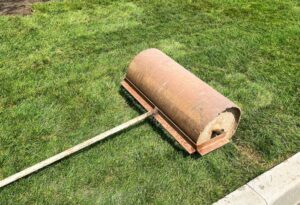
A lawn roller is a cylinder, usually made of metal or plastic, that you fill with water or sand to add weight. You roll it across your lawn to flatten bumps and level the ground. It can be a very effective tool for this type of project. But, the tool also has limitations and should be used with care to avoid creating other problems. Knowing how to correctly use a lawn roller is a key part of the process of lawn repair.
How a Lawn Roller Works
A lawn roller works by applying pressure to the ground. As you roll it over the bumps, the added weight compacts the soil, pushing down the high spots and evening out the surface. The effectiveness depends on the severity of the bumps and the type of soil you have. For small bumps, a lawn roller can be a great fix. But for bigger issues, it’s often best to use additional techniques.
- Weight: The weight of the roller, when filled with water or sand, is what makes it effective. The heavier the roller, the more pressure it applies to the ground. This weight can vary depending on the roller’s capacity, and the amount of water or sand used.
The right amount of weight is important to avoid over-compaction. - Soil Compaction: The primary action of a lawn roller is to compact the soil. The weight from the roller presses down on the ground, squeezing the soil particles together. This action can flatten bumps and make the surface more level. Be careful not to over-compact the soil, as this can cause drainage issues.
- Surface Leveling: By pressing down on the high points, the lawn roller helps level the ground. This leveling can be especially effective on smaller bumps and unevenness caused by soil settling. For larger dips or holes, other methods are typically needed to fill them.
- Ease of Use: Lawn rollers are generally easy to use. Most models have a handle that you can easily push or pull. The straightforward design makes them a simple tool for homeowners. They’re a helpful tool for maintaining a smooth lawn surface.
Choosing the Right Lawn Roller
Selecting the right lawn roller for your needs is important for an efficient project. There are several aspects to consider when choosing a lawn roller. You’ll want to think about the size of your lawn, the severity of the bumps, and your soil type. A good choice will help you get the best results while making the process as easy as possible.
- Size: Lawn rollers come in various sizes, from small handheld models to large, tow-behind types. The size you need depends on the size of your lawn. For small lawns, a handheld roller is likely enough. For larger areas, you might need a tow-behind model to cover more ground.
- Weight Capacity: Consider the weight capacity of the roller. Most rollers can be filled with water or sand to increase their weight. You’ll need to know how much weight is appropriate for your soil and the degree of unevenness. Too much weight can cause compaction, which can be bad for your lawn.
- Material: Lawn rollers are made from different materials, like steel or plastic. Steel rollers are generally more durable, but they can be heavier and potentially harder to maneuver. Plastic rollers are lighter and can be easier to push or pull.
The choice depends on your needs. - Features: Some rollers have extra features, like a scraper bar to remove debris. Others have rounded edges to prevent the roller from digging into the ground. Considering these features can improve the roller’s efficiency and ease of use.
Step-by-Step Guide: How to Use a Lawn Roller
Using a lawn roller can be easy and effective, if you do it right. The following steps will help you get the best results. Start by preparing the lawn, then use the roller correctly, and finally, take care of your lawn after rolling. Each step is easy, and following them helps ensure a smooth, even lawn surface.
Preparing Your Lawn for Rolling
Before using a lawn roller, you need to prepare your lawn. Preparing your lawn helps the rolling process. This will get you better results. Taking these steps makes the whole process easier and safer for your lawn.
- Mow the Lawn: Mow the lawn before you start rolling. Mowing the grass short makes it easier to see the bumps and uneven areas. It also helps the lawn roller move across the surface smoothly.
Cutting the grass also makes the rolling more effective. - Clear Debris: Remove any debris, such as sticks, stones, or leaves. Debris can get caught under the roller and cause more problems. Clearing the area prevents any potential damage to your lawn during the process.
- Assess the Bumps: Take a good look at your lawn. Note the areas that need the most work. This will help you focus your efforts. Knowing the specific problem areas helps you roll correctly.
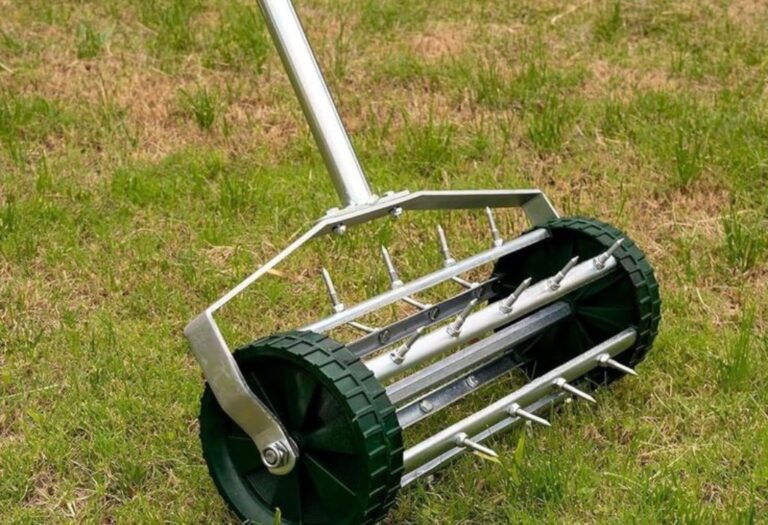
Make sure you identify all problem spots. - Loosen Soil (Optional): If the soil is very compacted, consider aerating it before rolling. Aerating can help the lawn roller do its job. It also helps the soil breathe, which benefits your grass. You can use a manual or machine-powered aerator.
Rolling Your Lawn: The Right Technique
Knowing the right technique is essential. You want to make sure you flatten the bumps, but not damage the grass. The right methods ensure the lawn roller does its job effectively. Here are some key techniques for using a lawn roller.
- Fill the Roller: Fill the roller with water or sand to the recommended level. The amount depends on the size of the roller and the severity of the bumps. Too little weight won’t be effective. Too much weight can cause damage.
Check the manufacturer’s instructions. - Start Rolling: Begin by rolling in straight lines, overlapping each pass slightly. This ensures you cover the entire area. Keep the lines straight and make sure each pass slightly overlaps the last. Overlapping makes sure that no spots are missed.
- Rolling Direction: Change the direction of your rolling to ensure an even result. After the first pass, change the direction by rolling at a right angle. This will help level out the lawn evenly. Changing the direction avoids creating any new grooves.
- Avoid Turns: When turning, lift the roller slightly to avoid scuffing the grass. Turning sharply can damage the turf. Lifting it will help prevent damage. Gentle turns will protect your lawn.
Caring for Your Lawn After Rolling
After you roll your lawn, follow some important steps to ensure it recovers well. The right care after rolling helps your grass bounce back and keeps your lawn healthy. Taking these steps encourages new growth, and helps you avoid issues like soil compaction.
- Watering: Water the lawn gently after rolling. Watering helps the grass recover and settle. Make sure you don’t overwater.
Watering after rolling helps the grass establish. - Fertilizing: Consider fertilizing the lawn after rolling to give it extra nutrients. This can stimulate new growth. Use a fertilizer that matches the needs of your grass type.
Fertilizing can help your lawn recover quickly. - Avoid Heavy Use: Keep foot traffic and heavy equipment off the lawn for a few days after rolling. This allows the soil to settle and the grass to recover. Giving your lawn some rest after rolling is a great idea.
Avoiding traffic will help your lawn recover. - Monitor and Adjust: Watch your lawn closely over the next few weeks. Some bumps might need a second pass with the roller. Also, check for any signs of compaction or other issues.
Regular monitoring can help you identify and address any problems early on.
Addressing More Severe Bumps
Sometimes, a lawn roller isn’t enough to fix the problem. When the bumps are severe, you’ll need to use other methods. This might involve removing and replacing the soil in certain areas. You might also want to consult with a landscaping professional. The method you use will depend on the cause and extent of the bumps.
Leveling with Topsoil and Seed
For more severe bumps, you may need to add topsoil and seed. This method involves removing the high spots, adding fresh topsoil to low spots, and reseeding the areas. This can be a more involved process. But, it can result in a more level lawn. This method is effective for fixing significant bumps and unevenness.
- Remove High Spots: Use a shovel to remove the grass and some soil from the high areas. This creates space for the topsoil. Make sure to remove enough soil to create a level surface.
- Add Topsoil: Spread a layer of topsoil in the low spots. Use a rake to spread the topsoil evenly. Make sure the topsoil fills the low areas and creates a level base.
Use a consistent layer across the lawn for even results. - Seed and Water: Once the topsoil is level, seed the areas. Follow the instructions on the seed packet. Water the seeded areas gently and regularly. This encourages the new grass to grow.
Adequate watering is important for new grass growth. - Protect the Area: Keep foot traffic off the newly seeded areas until the grass is established. You can use barriers or signs to protect the area. Proper protection will help the new grass take root and grow strong.
Consulting with a Landscaping Professional
If you’re unsure how to proceed, or if the problem is extensive, getting help from a professional is a good idea. A professional landscaper can assess the issue. They can offer tailored solutions. A professional’s experience and specialized knowledge can be invaluable for a successful lawn repair.
- Assessment and Diagnosis: A landscaper will inspect your lawn. They’ll determine the cause of the bumps. They can assess the soil type, drainage, and other factors. Proper diagnosis is the foundation for effective treatment.
- Soil Testing: Landscapers can perform soil tests to assess nutrient levels. Soil testing can help identify any underlying issues. The results will help guide the best approach.
They can also recommend fertilizers or soil amendments. - Expert Solutions: Professionals have the skills to implement more involved solutions. This might include grading, drainage improvements, or other measures. This expertise can fix complex issues.
They can provide solutions to address severe bumps. - Ongoing Maintenance: Landscapers can offer maintenance plans. They can advise you on how to maintain a healthy lawn. They can also provide guidance on future care and prevention.
Having a maintenance plan will help prevent future issues.
Frequently Asked Questions
Question: How often should I use a lawn roller?
Answer: Use a lawn roller once or twice a year, ideally in the spring or fall. Avoid rolling during very wet or dry periods.
Question: Can I use a lawn roller on all types of grass?
Answer: Yes, you can generally use a lawn roller on most grass types. However, avoid excessive rolling on very delicate grasses.
Question: What’s the best time of year to use a lawn roller?
Answer: Spring and fall are the best times to roll your lawn. The soil is usually more pliable, and the grass can recover more quickly.
Question: How much water or sand should I put in the roller?
Answer: Follow the roller’s instructions for the amount of water or sand to use. The correct amount depends on the roller size and the severity of the bumps.
Question: What if my lawn has a lot of dips, not just bumps?
Answer: For dips, you’ll need to fill them with topsoil and seed. A lawn roller is best for leveling minor bumps.
Final Thoughts
In short, a lawn roller can be a great tool. Can lawn roller fix bumps? Yes, it can, but it’s not always the best answer. Understanding how your lawn works is essential to getting the best results. Start by mowing your lawn and clearing away any debris. Choose a suitable roller, fill it appropriately, and roll in straight lines. Remember to water and care for your lawn after rolling. If you face big issues, adding topsoil and seed may be needed. If you’re stuck, seek help from a landscaping professional. With some effort and this guide, you can create a beautiful, even lawn. So, get out there, take action, and enjoy the process of making your lawn look its best!