Can Lawn Roller Fix Mole Hills? A Simple Guide
If you’re wondering, can lawn roller fix mole hills, you’re not alone! Many people find these pesky bumps frustrating. It seems like moles just won’t leave your perfect lawn alone. Fortunately, it’s a common problem with some fairly simple solutions. This guide breaks down the process, step by step, making it easy for anyone to tackle those mole hills. We’ll explore the best ways to get your lawn looking its best again without any complicated techniques. Prepare to learn everything you need to know about fixing mole hills.
What Are Mole Hills and Why They Appear
Mole hills are those annoying little mounds of dirt that pop up on your otherwise smooth lawn. They are created by moles as they tunnel underground. These tunnels are their highways and feeding grounds. As they dig, they push the excess soil up to the surface, creating the familiar piles we call mole hills. The size and frequency of these hills can vary depending on the activity of the moles and the type of soil.
Moles primarily feed on earthworms and other insects living in the soil. They are attracted to areas with rich soil and a plentiful food supply. If your lawn is well-watered and has a lot of organic matter, it may be an appealing habitat for moles. Different soil types can also influence mole activity. For instance, soft, loamy soils are easier to tunnel through compared to clay soils.
How Moles Create Mole Hills
The process of creating mole hills is pretty simple. Moles dig two types of tunnels: shallow surface tunnels and deeper tunnels. The shallow tunnels are closer to the surface, and they are where they create the mole hills. As the mole moves along, it pushes the excavated soil upwards, forming the distinctive mounds. The deeper tunnels are used for travel and nesting, and they don’t usually result in surface disturbances.
- Tunneling Behavior: Moles have specialized front paws that are perfect for digging. They use these strong paws to loosen the soil and create their tunnel systems. These systems are complex, like cities, and they vary greatly.
- Soil Displacement: As a mole digs, the soil has to go somewhere. The mole pushes the loose soil up to the surface through small openings. These openings are what we see as the start of a mole hill.
- Hill Formation: The soil piles up at the surface openings. Each mole hill is a result of a mole’s digging activity. Sometimes a single mole can create several mole hills in a short time if it finds a good feeding area.
Factors Attracting Moles to Your Lawn
Several things can attract moles to your yard. Often, a mole infestation starts because of an abundance of food. If your lawn is full of earthworms, grubs, and other insects, moles will likely want to take up residence. Other things, such as soil moisture and type, can also make your lawn very inviting.
Consider the environment around your lawn, as well. Nearby wooded areas or fields are often a source of moles. If your property is near these areas, moles might be inclined to venture onto your lawn. Also, thick, lush grass can give moles a feeling of safety while they tunnel, and this can lead to even more mole activity.
Can Lawn Rollers Effectively Address Mole Hills?

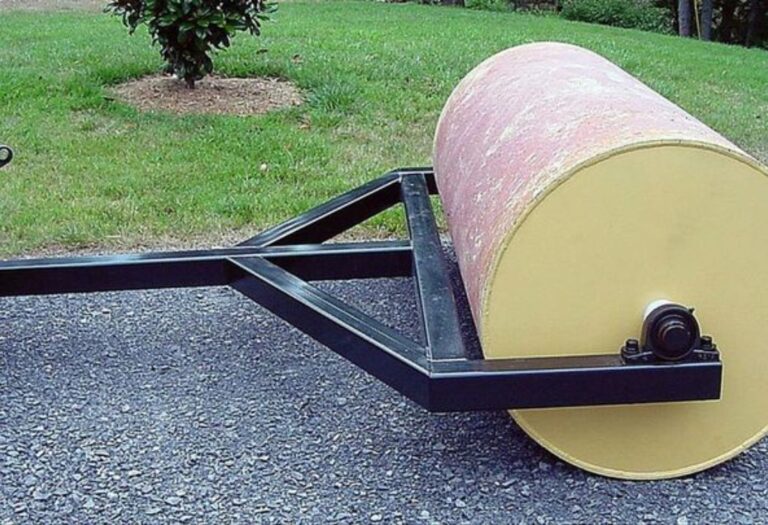
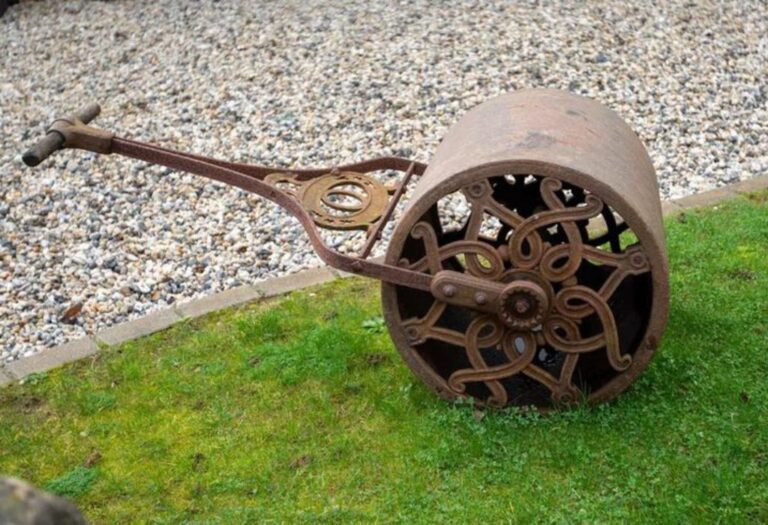
Now, let’s explore the question: can lawn roller fix mole hills? The answer is more nuanced than a simple yes or no. Lawn rollers can be useful, but it really depends on the situation and how you use them. A lawn roller is basically a large, heavy cylinder that you can pull across your lawn to flatten it. It’s often used to smooth out uneven areas, and the weight of the roller helps to press the soil down. This can flatten the mole hills, but it doesn’t solve the underlying problem—the presence of moles.
While a lawn roller can temporarily flatten mole hills, it’s not a permanent fix. Moles will likely just create new hills if they’re still active in your yard. The roller can also sometimes compact the soil too much, which isn’t good for your grass. So, using a lawn roller is a bit like putting a bandage on a problem without treating the underlying injury.
Advantages of Using a Lawn Roller
Although it isn’t a long-term fix, using a lawn roller can still have benefits. It can quickly give your lawn a tidier look after you remove the mole hills. It can also help level out any small dips or bumps that the moles create. In certain situations, using a roller can be part of a bigger solution.
- Quick Smoothing: A lawn roller instantly flattens mole hills, giving the appearance of a smooth lawn. This is very good for appearance, especially before social gatherings or events.
- Leveling Uneven Terrain: Besides mole hills, lawn rollers help level out minor irregularities in the ground. They are particularly useful for leveling out the areas where you have removed the mole hills.
- Temporary Visual Improvement: If you are unsure of how to get rid of moles, or if you are waiting to take action, using a lawn roller provides a short-term improvement. It quickly and effectively deals with the mounds.
Disadvantages of Lawn Rollers for Mole Hills
Using a lawn roller also has some drawbacks when dealing with mole hills. One of the main downsides is that it’s just a temporary fix. It only addresses the symptoms, not the cause. It can also cause problems for your lawn’s health if you roll over the soil when it’s too wet.
- Temporary Solution: The biggest drawback is that a lawn roller doesn’t get rid of the moles. Without a long-term solution, the hills will return.
- Potential Soil Compaction: Rolling the soil can make it denser, making it harder for grass roots to grow. Dense soil can also impact drainage and air circulation.
- Ineffective for Deep Tunnels: Lawn rollers are best at smoothing shallow surface irregularities. They don’t affect the deeper tunnels where moles spend a lot of their time.
Effective Ways to Remove Mole Hills and Address Moles
Using a lawn roller alone isn’t going to solve your mole problem, so you will need to take other steps to get your yard mole-free. This includes both removing the mole hills and getting rid of the moles themselves. There are several effective methods that you can use to address these pesky invaders.
It is important to remember that dealing with moles can take some time and effort. It is rare to get rid of the moles permanently overnight. Patience and a combination of strategies often provide the best outcomes. Let’s look at some important methods for mole removal.
Step-by-Step Guide for Removing Mole Hills
Here’s how to deal with the mole hills on your lawn:
- Assess the Situation: Before doing anything, identify the extent of the mole activity. Look for fresh mole hills and any visible surface tunnels. Knowing how many moles you have on your property helps you better choose your plan.
- Prepare the Area: Before you start removing the mole hills, make sure that the area is clear of any obstacles, such as toys or garden tools. Put on gloves to protect your hands.
- Shovel the Dirt: Carefully use a shovel or garden trowel to scoop up the soil from each mole hill. Move the dirt to a wheelbarrow or bucket. Try to avoid damaging the surrounding grass.
- Level the Soil: Once the mole hill is removed, use a rake to level the soil. Gently spread the dirt around the area to make it even. This helps to smooth out any small dips that might remain.
- Seed and Water: If the mole hills caused any damage to the grass, now is the time to reseed the affected areas. Sprinkle grass seeds over the area and water it well. Keep the soil moist until the grass germinates and grows.
Effective Mole Control Methods
Getting rid of the moles themselves is the long-term solution. There are several effective ways to control moles. Each method has its own pros and cons, so the most suitable method will depend on your specific situation.
- Trapping: Trapping is a very popular option. This involves setting traps in the mole tunnels to catch and remove the moles.There are several types of traps available, including scissor traps and spear traps. You’ll need to locate the active tunnels. Place the traps according to the manufacturer’s directions. This method is effective but requires some skill and patience. If done properly, this is a very effective way to eliminate moles from your property.
- Repellents: Repellents are substances that discourage moles from entering your lawn. These can be granular, liquid, or even ultrasonic devices.The effectiveness of repellents can vary. Some common repellents include castor oil-based products, which are thought to make the soil taste unpleasant to moles. While not always a guaranteed solution, repellents can discourage moles, making your yard less attractive to them. You may need to reapply these as instructed.
- Eliminating Food Sources: Moles are attracted to food. Reducing the food supply, such as earthworms and grubs, can make your lawn less appealing.This can be done with insecticides to reduce grub populations. Using a grub killer won’t kill moles directly, but it can make your lawn less inviting. It can take some time to make a noticeable difference.
Professional Help
If you’re having trouble getting rid of the moles, it might be time to call in the pros. Pest control experts have experience and the right tools for the job. They can assess your yard, identify the mole activity, and suggest the best course of action. They may use a combination of techniques, like trapping and repellents, for the best results.
Hiring a professional also saves you time and effort. While it will cost more, the results are often faster and more effective than DIY solutions. They are also prepared to handle complex mole problems. If you’re struggling, a professional can provide the knowledge and support you need.
Maintaining Your Lawn After Addressing Mole Activity
After you’ve removed the mole hills and dealt with the moles, you’ll want to take steps to keep them from coming back. This means maintaining your lawn and making it less attractive to moles. Regular care and maintenance can make all the difference in preventing future mole problems. By following these suggestions, you can keep your lawn healthy and less appealing to moles.
Keep in mind that mole control is often an ongoing process. You might need to make small changes in lawn care. Consistent efforts will give you the best chance of preventing moles. So, let’s explore several essential lawn maintenance tips.
Lawn Care Practices to Prevent Mole Returns
Proper lawn care can make your yard less attractive to moles. A healthy lawn is less likely to be invaded by moles. Here are some of the most helpful lawn care practices.
- Proper Watering: Avoid overwatering your lawn. Excessive moisture attracts earthworms, which are a major food source for moles. Water deeply but infrequently, allowing the soil to dry out between waterings.
- Regular Mowing: Mow your lawn regularly to maintain a healthy grass height. This helps discourage moles, as it makes it harder for them to move around. Plus, it will prevent your lawn from becoming overgrown, which can become an inviting environment for a mole.
- Fertilizing and Aerating: Feed your lawn with a good fertilizer to keep the grass healthy and strong. Also, aerate your lawn once a year to improve soil health and drainage, which can help discourage moles.
Identifying and Addressing Potential Issues
Keep a close eye on your lawn, especially during the times when moles are most active. You’ll also want to address any potential issues promptly. Here are some things to watch for.
- Monitor for New Activity: Regularly check your lawn for any signs of new mole activity, such as fresh mole hills or tunnels. Quick detection is very important.
- Address Grub Infestations: If you notice a grub infestation, take action to get rid of them. Grubs are a significant food source for moles.
- Maintain Good Soil Health: Good soil drainage and health are important for a healthy lawn. Make sure your soil is not too compacted and that it drains well.
| Issue | Solution |
|---|---|
| New Mole Hills | Remove hills and consider trapping or repellents. |
| Grub Infestation | Apply insecticides or other grub control methods. |
| Poor Soil Drainage | Aerate and improve soil structure. |
Frequently Asked Questions
Question: Will a lawn roller kill moles?
Answer: No, a lawn roller will not kill moles. It only flattens the mole hills temporarily. To remove moles, you must use methods like trapping or repellents.
Question: Is it okay to use a lawn roller on wet soil?
Answer: No, it is not okay to use a lawn roller on wet soil. Doing so can compact the soil, which prevents air and water from reaching grass roots. Wait until the soil dries before rolling.
Question: How often should I roll my lawn?
Answer: You should only roll your lawn when necessary, such as after removing mole hills or if your lawn is very uneven. Avoid rolling your lawn frequently, as it can be harmful to the grass.
Question: What is the best time of year to address mole problems?
Answer: The best time to address mole problems is during the spring or fall when the moles are most active. This is also when the soil conditions are often ideal for trapping and other control methods.
Question: Can I use natural methods to get rid of moles?
Answer: Yes, you can use some natural methods to deter moles. These include castor oil repellents and encouraging natural predators, like owls and hawks, to the area. However, these may not be as effective as other techniques.
Final Thoughts
So, can lawn roller fix mole hills? As you’ve learned, a lawn roller can smooth out those annoying bumps temporarily. However, the best approach involves more than just a roller. You have to remove the mole hills and, most importantly, deal with the moles themselves to prevent them from coming back. This might mean setting traps, using repellents, or making your lawn less attractive to these creatures. Lawn maintenance plays a significant part, too, as a healthy lawn will be more resilient to mole activity.
By learning how to identify mole activity, removing mole hills, and taking steps to control the moles, you can regain control of your lawn and enjoy a smooth, healthy yard. You have the tools, so start by assessing the situation, and then make a plan that works for you. With some patience and effort, you can solve your mole problem. Good luck with your mole control efforts!