Is Lawn Rolling Secure On Terrain That Is Not Level?
Figuring out is lawn roller safe on uneven terrain is a common question for anyone who wants a perfect lawn. Uneven ground can be tricky, making it hard to get an even result. This can lead to questions from beginners who may be unsure of the proper steps. Don’t worry, we’re going to break it down. We’ll show you how to safely roll your lawn even if the ground isn’t perfectly flat. We’ll start by exploring the basics.
Rolling Your Lawn: The Basics
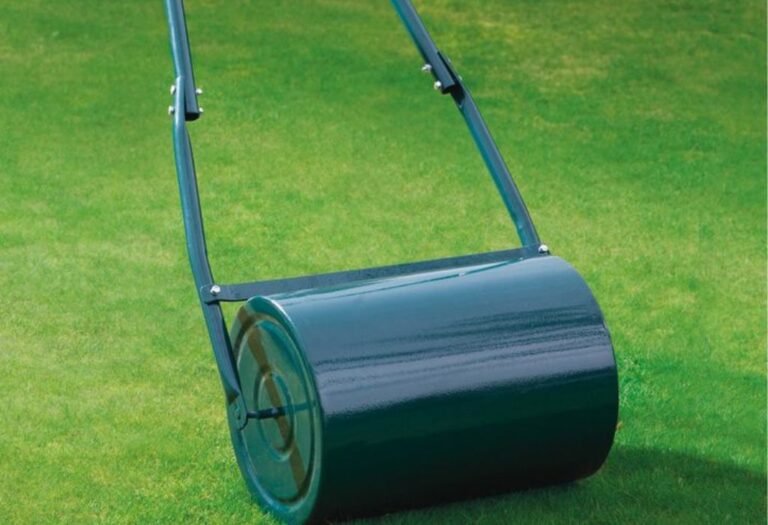
Before using a lawn roller, it’s helpful to know what it does. A lawn roller is a heavy cylinder that you pull or push across your lawn. It’s usually filled with water or sand to add weight. The main goal is to level the surface, press down any small bumps or humps, and improve seed-to-soil contact after seeding. This can help create a smoother, more even lawn. However, the effectiveness and safety of lawn rolling change when dealing with uneven terrain. Understanding this is key to getting a good outcome. We are now going to explore some factors.
What a Lawn Roller Does
A lawn roller essentially squashes down the soil, making it more compact. Think of it like ironing your lawn. This compaction is helpful for several reasons. It helps to settle the soil after a freeze and thaw cycle, it smooths out small bumps, and it can improve seed-to-soil contact, which is good when you’re reseeding your lawn. Proper use is essential to avoid harming your grass. A roller can also press down small stones or pebbles, making your lawn safer for walking and mowing.
- Compacting the Soil: This presses the soil particles together, leading to a firmer surface.
- Leveling the Surface: It helps to smooth out small bumps and imperfections in the lawn.
- Improving Seed Contact: For newly seeded areas, it pushes the seeds into contact with the soil.
- Increasing Root Contact: By firming the soil, it encourages better root establishment.
- Flattening Small Rocks: Pushes down small stones and debris that can be a hazard.
When used correctly, a lawn roller can be a great tool. It makes the lawn look better, feel better, and be healthier. This is especially true after over-seeding or in the spring when the ground has softened over the winter. However, using it on uneven ground needs some extra thought. This is because uneven surfaces can lead to different results.
Safety First: Considerations Before Rolling
Before rolling, consider the state of your lawn. Look for rocks, sticks, or other debris that could get in the way. Ensure your lawn is dry, as wet soil can compact too much. Check for underground utilities like sprinklers or irrigation lines, which could be damaged. The type of grass also matters, some grasses handle rolling better than others. Always wear appropriate footwear, such as closed-toe shoes, to protect your feet. Inspect your equipment for any damage before starting, like loose bolts or damage to the roller drum. These initial checks will keep you safe during the process.
One potential hazard is damaging buried utilities. In one instance, a homeowner rolled their lawn without knowing they had shallow sprinkler lines. The weight of the roller crushed the lines, leading to an expensive repair. Another situation might involve striking a hidden rock, potentially damaging the roller and creating a hazard. Careful inspection and preparation can prevent these problems.
- Inspect the Lawn: Remove any debris like rocks, sticks, and large weeds.
- Check the Soil: Ensure the ground is not too wet, which can cause excessive compaction.
- Identify Hazards: Locate any sprinkler systems or underground utilities.
- Choose the Right Weight: Use a roller with a weight appropriate for your lawn.
- Wear Protection: Always wear closed-toe shoes or boots.
Is Lawn Roller Safe on Uneven Terrain: Hazards and Risks

Using a lawn roller on uneven ground comes with its own set of concerns. The primary worry is uneven compaction, where some areas get too much pressure and others get too little. This can lead to an uneven lawn surface and harm the grass. There’s also the risk of damaging the grass, especially if the terrain is particularly bumpy. Using too much weight or rolling too often can also damage the grass. Understanding these risks will help you prevent harm to the grass.
Common Dangers and Threats
The primary hazard of using a lawn roller on uneven ground is uneven compression. High spots may get crushed too much while low spots stay sunken. This leads to a wavy lawn that’s worse than before. Another problem is grass damage. The roller can tear or crush the grass, especially if the ground is very bumpy or if the grass is soft. Too much rolling, or using a roller that’s too heavy, also increases the chance of harm. Always start light and watch for any indications of harm before rolling more. In areas with significant slopes, there is also the hazard of the roller tipping over, which poses a safety risk to the operator.
- Uneven Compaction: High spots become overly compressed, while low spots remain low.
- Grass Damage: The roller can tear or crush the grass, particularly on bumpy ground.
- Root Damage: Excessive rolling can harm grass roots, leading to thinning.
- Roller Tipping: On slopes, the roller can become unstable, causing harm.
- Damage to Underground Utilities: Uneven rolling can increase the odds of underground damage.
One case study involved a homeowner who rolled a lawn with a significant slope. The roller tipped during the process, and the operator sustained minor injuries. Another instance saw a homeowner using a heavy roller on wet, uneven ground. The result was a heavily compacted lawn where the grass had difficulty recovering. These real-world examples highlight the need for careful consideration.
Identifying and Assessing Unevenness
Before you even think about using a lawn roller, you need to assess how uneven your lawn is. The degree of unevenness will influence how safe the rolling is. Small imperfections are often manageable, but significant bumps, dips, or slopes need more care. Walking across your lawn, paying attention to how your feet feel, is a great start. Use a long level, like a two-by-four with a level on top, to measure the extent of any dips or rises. A visual inspection will help, too. Look for any areas where water pools after rain, as these are often low spots. Careful assessment will tell you what methods work best.
- Walk and Observe: Walk across your lawn to feel the surface and see the variations.
- Use a Level: Place a long level or straightedge to measure dips or rises.
- Check for Water Pooling: Look for areas where water collects after rain.
- Consider Slopes: Evaluate the degree of any slopes and how they might affect rolling.
- Document Your Findings: Make notes of the areas where the terrain is most uneven.
Getting Started: Safe Rolling Procedures
If you’ve determined that your lawn has some uneven areas, there are steps to take before and during rolling to make sure the process is safe. Begin by preparing the area by removing obstructions and by making sure the soil is damp but not saturated. Choose the proper roller weight. Roll in overlapping strips to avoid gaps and make sure to move slowly. This will lower the potential for harm to your lawn and to yourself.
Preparing Your Lawn for Rolling
Getting your lawn ready before you use a roller makes a big difference. The first thing to do is get rid of anything that might get in the way. Remove stones, sticks, and any big debris. Then, mow your grass to a moderate height. Don’t cut it too short. The soil should be slightly damp, but not wet. Wet soil is easier to compact and can cause harm. If there are bare spots or dips, fill them lightly with topsoil and let them settle before rolling. These simple prep steps will help you have a better experience.
- Clear the Area: Remove stones, sticks, and large debris.
- Mow the Lawn: Cut the grass to a moderate height.
- Moist the Soil: Lightly water the lawn to moisten the soil.
- Fill Low Spots: Add topsoil to low areas before rolling.
- Check the Weather: Avoid rolling if rain is expected.
One example involved a homeowner who prepared their lawn by removing all debris and slightly watering the ground before rolling. This preparation led to a much better outcome, with a smoother lawn and less grass damage. On the other hand, another homeowner didn’t prep their lawn and rolled it when the ground was waterlogged. The result was a compacted lawn with significant grass harm. Proper prep is crucial.
Choosing the Right Roller and Weight
Choosing the right roller is an important step. Consider the size of your lawn, the degree of unevenness, and the type of grass you have. For small lawns, a smaller, hand-pushed roller is sufficient. For bigger lawns, you might want a tow-behind model that you can pull with a lawn tractor. The weight of the roller is critical. Use a lighter weight for uneven terrain to reduce compaction. You can add water or sand to adjust the weight. Start with a light weight and add more as needed. You can avoid many problems by picking the right roller.
| Lawn Type | Roller Weight (Empty) | Roller Weight (Filled) |
|---|---|---|
| Small Lawns, Flat | 50-100 lbs | 100-200 lbs |
| Uneven, Small Lawns | 50-100 lbs | 75-150 lbs |
| Large Lawns, Flat | 100-200 lbs | 200-400 lbs |
| Uneven, Large Lawns | 100-200 lbs | 150-300 lbs |
- Roller Size: Select a roller appropriate for the lawn’s size.
- Weight Capacity: Check the roller’s maximum weight capacity.
- Adjustable Weight: Choose a roller where you can change the weight.
- Easy to Maneuver: Make sure the roller is easy to push or pull.
- Durable Construction: Choose a roller made of strong materials.
In one case, a homeowner used a roller that was too heavy for their uneven lawn. The result was a lot of compaction and grass harm. In another situation, a homeowner used a light roller and gradually added weight as needed. This process led to an even, healthy lawn with no damage. Selecting the correct roller and weight are key to the process.
Rolling Techniques for Challenging Terrain
When rolling uneven ground, it’s all about the method. Move slowly and carefully, and roll in overlapping strips. It’s best to roll your lawn in the right direction, and avoid rolling too often. Keep an eye on how the grass is reacting to rolling. When you stick to these approaches, you will have the best results. These strategies can help minimize harm.
Rolling in Overlapping Strips
The method you use can greatly influence your results. Rolling in overlapping strips is very important. Think of it like painting a wall. You want to make sure you cover the whole surface. Overlapping ensures that you don’t miss any spots and gives a consistent compression. Each pass should overlap the previous one by a few inches, usually about 4 to 6 inches. This will make sure you get complete coverage. If you’re rolling a lawn with a slope, roll across the slope, not down it. This reduces the risk of the roller tipping over and harming your lawn. This method is the best way to get a good result.
- Overlap Each Pass: Roll in slightly overlapping strips to avoid missing spots.
- Consistent Coverage: This method ensures the entire lawn gets even compression.
- Overlap Distance: Aim for an overlap of around 4 to 6 inches.
- Roll Across Slopes: If there are slopes, roll across, not down.
- Reduce the Risk: It decreases the chances of the roller tipping over.
A homeowner tried rolling without overlapping and ended up with streaks and unevenness. By going back and overlapping, they were able to fix this and get a more even lawn. Another case involved a large lawn with slopes. The homeowner rolled down the slopes, resulting in the roller tipping and some grass damage. Rolling across the slope could have prevented this problem. These examples show the value of overlap.
Avoiding Excessive Rolling
One of the biggest mistakes is rolling too often. Rolling too often can harm your lawn, and it’s especially harmful on uneven ground. Excessive compaction limits the roots’ ability to grow and access nutrients. As a general rule, you should roll your lawn only when it is truly needed, like right after seeding. Avoid rolling too often, and always monitor your grass for any signs of stress. Too much rolling is a frequent cause of damage. Give your grass a chance to recover. This is important on uneven ground, where you need to be very careful.
- Roll Only When Necessary: Avoid unnecessary rolling.
- Observe Grass Response: Watch for any stress signs, such as yellowing.
- Limit Compaction: Avoid compacting the soil too much.
- Allow Recovery Time: Give your lawn enough time to recover between rolling.
- Adjust Frequency: If your grass looks damaged, reduce rolling frequency.
A homeowner rolled their lawn every week to “smooth” it, but the grass started to thin and turn yellow. They stopped rolling, and the lawn gradually recovered. Another case involved a person who only rolled after seeding and during the spring, which resulted in a healthy lawn. These scenarios underline the need for proper timing and caution. Over-rolling can do a lot of harm.
Dealing with Specific Lawn Problems and Terrain Types
Different types of lawns and terrain need special attention when rolling. Sloping lawns, lawns with a lot of bumps, and areas with different grass types all need unique approaches. For sloping lawns, start by rolling across the slope to prevent the roller from going out of control. For bumpy lawns, fill in the low spots before rolling, and avoid heavy rollers. These adjustments will help you deal with the issues.
Rolling Lawns with Slopes
Rolling lawns that have slopes calls for extra caution. The main concern is the roller tipping over, which can cause harm to you and the lawn. To lessen this risk, roll across the slope, not down it. This will make it easier to maintain control. Start at the top of the slope and work your way down. Use a lighter roller and go slowly. Avoid rolling when the ground is wet, as it increases the risk of slipping. When rolling, constantly be aware of your balance and the position of the roller. With a bit of attention, you can make it work for you.
- Roll Across the Slope: This will help prevent the roller from tipping.
- Start at the Top: Begin rolling from the top and work your way down.
- Use a Lighter Roller: Reduce the weight of the roller.
- Go Slow: Maintain a slow, consistent pace.
- Avoid Wet Conditions: Wet ground makes the roller unstable.
A homeowner had a lawn with a steep slope and initially rolled down the slope, resulting in a near accident. After switching to rolling across the slope, the task became much safer. On the other hand, another homeowner was cautious and only rolled across the slope when the grass was dry. They achieved a smooth lawn without any issues. These examples show how to deal with slopes.
Rolling Lawns with Bumps and Dips
Bumpy lawns need extra steps before rolling. First, identify and measure the extent of the bumps and dips. For small bumps, the roller might be enough. For more significant dips, you’ll need to fill them with topsoil. Let the soil settle before rolling. When rolling, use a light roller and avoid going over the same spot too many times. Watch the grass for signs of stress, and adjust your method as required. Taking the time to prepare the area is essential for a good outcome.
- Assess the Terrain: Evaluate the degree of bumps and dips.
- Fill Dips with Soil: Add topsoil to low areas and let it settle.
- Mow Properly: Mow the grass to the correct height.
- Use a Light Roller: Use a lighter weight to prevent over-compaction.
- Monitor the Results: Observe how the grass is responding.
A homeowner had a lawn with several small bumps. After filling in the low spots with topsoil, they used a light roller. The result was a much smoother surface. In another scenario, a homeowner attempted to roll a very bumpy lawn without filling in the dips. The roller only worsened the situation. These situations demonstrate how to take on bumps.
Frequently Asked Questions
Question: Is it okay to roll my lawn if it’s wet?
Answer: It’s best to avoid rolling your lawn when it is wet. Wet soil compacts more easily, which can harm the grass roots and lead to a compacted lawn.
Question: How often should I roll my lawn?
Answer: You should roll your lawn only when necessary, like after seeding or if the soil has become uneven. Rolling more often can harm your grass.
Question: What’s the best direction to roll my lawn?
Answer: Roll in overlapping strips in the same direction at first, then roll at a right angle to the first pass. This ensures consistent coverage and is the best approach.
Question: Should I use a roller on a newly seeded lawn?
Answer: Yes, rolling a newly seeded lawn very lightly can improve seed-to-soil contact, which aids germination. However, use the lightest weight possible.
Question: What do I do if my lawn roller gets stuck?
Answer: If your roller gets stuck, stop immediately. Check for any obstructions, such as rocks or roots. Try to carefully maneuver the roller out of the area.
Final Thoughts
Is lawn roller safe on uneven terrain? The key is preparation. Carefully inspect the terrain, remove any obstructions, and choose a suitable weight and approach. For uneven ground, using the right methods is vital. Remember to roll with care and move at a controlled pace. Always roll in overlapping strips to make sure the compression is even and complete. On slopes, roll across the slope rather than down. Take the time to assess your lawn, and if there are significant issues, consider other ways to fix the unevenness. Rolling is a helpful tool when used correctly. When you follow these steps, you can get a beautiful, healthy lawn. Happy rolling!