Liquid Aeration Versus Core Aeration Explained
Figuring out the best way to improve your lawn can be tricky, especially when you hear terms like liquid aeration vs core aeration. Beginners often get confused about which method works best and why. Don’t worry, though! It’s actually pretty simple once you break it down. We’re going to explore these two aeration techniques in detail, comparing their processes, benefits, and which one might be right for your yard. Get ready to discover everything you need to know, in an easy step-by-step way.
What Is Lawn Aeration and Why Does It Matter?
Lawn aeration is like giving your grass a breath of fresh air. Over time, soil becomes compacted, meaning it gets packed down tightly. This makes it hard for air, water, and nutrients to reach the roots of your grass. Aeration is the process of creating small holes in the soil, which helps to loosen things up. This allows the roots to grow stronger and healthier, leading to a greener and more vibrant lawn. Think of it as a way to give your grass a boost, helping it thrive even when the conditions aren’t perfect.
The Importance of Healthy Soil
The foundation of any healthy lawn is the soil. When soil is compacted, it’s difficult for grass roots to spread and absorb essential nutrients. Compacted soil also prevents proper drainage, which can lead to standing water and increased risk of diseases. Aeration improves soil structure, creating a more porous environment that allows for better root development and overall plant health. This, in turn, helps the grass to withstand stressors like drought, heat, and heavy foot traffic.
- Enhanced Root Growth: Aeration creates pathways for roots to penetrate deeper into the soil, leading to a stronger and more resilient root system. Deeper roots mean the grass can access more water and nutrients.
- Improved Water and Nutrient Absorption: By loosening the soil, aeration allows water and essential nutrients to reach the root zone more effectively. This leads to healthier, greener grass that is less susceptible to disease.
- Better Air Circulation: Aeration provides better air circulation within the soil, which is vital for healthy root growth. Roots need oxygen to breathe, and compacted soil restricts this vital element.
- Reduced Thatch Buildup: Aeration can help break down thatch, which is a layer of dead organic matter that builds up on the soil surface. Excessive thatch can block water and nutrients from reaching the soil.
Aeration isn’t just for established lawns. It is a fantastic practice for new lawns too. When you are establishing a new lawn, aeration helps to incorporate amendments and create optimal conditions for grass seed germination. You should perform aeration when the grass is actively growing. This lets it quickly fill in the areas where you have removed soil, whether you’re using core aeration or a liquid product.
Examining Liquid Aeration Versus Core Aeration
When it comes to improving your lawn, there are generally two methods of aeration to explore: liquid aeration vs core aeration. Both aim to achieve the same result – healthier soil and a thriving lawn – but they go about it in different ways. Understanding the differences between these methods can help you determine the best approach for your specific lawn conditions. Let’s explore the key differences to help you decide which aeration technique is right for you.
Core Aeration
Core aeration is a mechanical process that involves using a machine called a core aerator. This aerator removes small plugs, or cores, of soil and thatch from your lawn, leaving behind holes. The cores are typically about 2-3 inches long and about a half-inch to an inch in diameter. This process helps alleviate soil compaction, allowing air, water, and nutrients to penetrate the root zone more easily. The holes also provide space for the roots to expand.
- Mechanical Process: Core aeration is a physical process that uses a machine with hollow tines to remove soil cores. This physically alters the soil structure.
- Effective Against Compaction: This method is particularly effective at alleviating severe soil compaction, as it removes the compacted soil entirely.
- Requires Equipment: It requires specialized equipment, which can be rented or purchased. You can either hire a professional landscaping service or do it yourself.
- Temporary Disruption: This process can leave your lawn looking a bit messy initially, as the soil cores remain on the surface. These cores will eventually break down and re-integrate into the soil.
A recent study showed that core aeration can increase water infiltration rates by up to 400% in compacted soils, helping roots get the water and nutrients they need. This boost in water flow will also help reduce water runoff and erosion. For best results, core aerate your lawn in the spring or fall when the grass is actively growing and the weather is cool. Before aerating, be sure to mark any sprinkler heads or underground utilities to avoid damage.
Liquid Aeration
Liquid aeration uses a liquid solution that is applied to the lawn. These products often contain ingredients that help to break down the soil and improve air flow. They work by creating channels and pathways in the soil. These products are usually applied using a sprayer, making it an easy task. The liquid aeration approach focuses on improving soil structure on a microscopic level, creating a more porous environment for the roots. There is no disruption to your lawn and it can be applied easily.
- Chemical Process: Liquid aeration involves applying a liquid product that breaks down compacted soil.
- Less Disruptive: Unlike core aeration, liquid aeration doesn’t create holes, so it’s less disruptive to your lawn’s appearance.
- Easy to Apply: It can be applied with a hose-end sprayer or a pump sprayer.
- May Require Multiple Applications: Depending on the product and your lawn’s condition, you may need to apply it more than once.
Many liquid aeration products contain humic acids, which have been shown to improve nutrient uptake by grass. One study found that humic acid treatments can increase root mass by up to 20% in some grass types. If you have sandy soil or don’t have much compaction, liquid aeration is a great alternative. For best results, apply the liquid aeration product at the recommended intervals, usually every 30 to 60 days, throughout the growing season.
Deciding Which Aeration Method Is Best

Choosing between liquid aeration vs core aeration depends on your lawn’s specific needs and conditions. Several factors can help you make an informed decision. Evaluate your soil type, the level of compaction, and your preferences for ease of application and cost. Weighing these factors will help you choose the option that will best improve the health and appearance of your lawn.
Soil Type and Compaction Levels
The type of soil you have and how compacted it is are key factors in selecting the right aeration method. Clay soils, which are dense and prone to compaction, often benefit more from core aeration, as it physically removes soil and creates larger air spaces. Sandy soils, which drain well but can still become compacted with heavy use, may be fine with liquid aeration.
- Clay Soil: If you have clay soil, core aeration is generally the preferred method.
- Sandy Soil: For sandy soil, liquid aeration may be sufficient.
- High Compaction: If your lawn experiences heavy foot traffic or is used for activities, core aeration is often the better choice.
Studies have shown that core aeration can significantly reduce soil compaction in clay soils, increasing the amount of oxygen that gets to the roots. Core aeration is the most effective choice for significantly compacted lawns. Core aeration often lasts longer before re-aeration is needed, too. The effects of core aeration can last for a year or longer, while the benefits of liquid aeration can last several weeks.
Ease of Application and Cost
Ease of application and cost are also important considerations. Liquid aeration is generally easier and less expensive to apply, as it only requires a sprayer and a liquid product. Core aeration requires renting or purchasing a machine, or hiring a landscaping service, which can be more expensive. Factor in how much time and energy you are able to commit.
| Factor | Core Aeration | Liquid Aeration |
|---|---|---|
| Ease of Application | Moderate (requires equipment) | Easy (sprayer application) |
| Cost | Moderate to High (equipment or professional services) | Low to Moderate (product cost) |
| Disruption | Moderate (soil cores on the surface) | Minimal |
According to the National Association of Landscape Professionals, the cost of core aeration ranges from $75 to $200 for a typical residential lawn, depending on size and geographic location. Liquid aeration products can cost anywhere from $20 to $50 for a concentrated bottle, enough to cover several thousand square feet. The labor for liquid aeration is minimal, so the total cost is relatively low.
How to Aerate Your Lawn: Step-By-Step Guides
Now that you understand the different aeration methods, let’s explore how to aerate your lawn using both core aeration and liquid aeration. You’ll be able to create a healthy environment for your lawn by following these step-by-step instructions. Proper preparation is essential for getting the best results from either method, so taking your time will be a worthwhile investment.
Core Aeration Guide
Core aeration requires careful planning and execution. The steps are simple and you can achieve professional results by following a few simple steps. Be sure to avoid damaging any of your in-ground sprinkler or utility lines. Following these guidelines will ensure you are ready to prepare your yard and get the results you want.
- Prepare Your Lawn: Mow your lawn to a low height before aerating. This makes it easier for the aerator to penetrate the soil. Mark any sprinkler heads, underground utility lines, or any other obstacles with flags or markers.
- Rent or Purchase Equipment: You can rent a core aerator from a local home improvement store or garden center. Ensure the machine is in good working condition and has sharp tines. Alternatively, you can hire a lawn care service to perform the aeration.
- Make Multiple Passes: Make multiple passes over your lawn to ensure thorough aeration. Overlap each pass slightly to achieve even coverage.
- Leave the Cores: After aerating, leave the soil cores on the lawn surface. These will break down over time and add organic matter to the soil.
- Water and Fertilize: Water your lawn deeply after aeration to help the soil settle. Apply fertilizer to provide nutrients to your grass and encourage new growth.
A recent study found that core aeration followed by overseeding can improve turf density by up to 50% in a single growing season. Be sure to check the instructions on the product label and never apply more product than the instructions advise. Core aeration can also help reduce thatch buildup and improve the effectiveness of other lawn care treatments.
Liquid Aeration Guide
Liquid aeration is a simple, straightforward process that you can do quickly and efficiently. The directions are simple. Following these steps carefully will ensure you get the best results from liquid aeration. Always remember that the liquid products are chemicals, so be sure to use them safely. Protect your eyes and skin by wearing appropriate clothing.
- Choose Your Product: Select a liquid aeration product that is right for your lawn type and soil conditions. Many products are available at home improvement stores or online.
- Prepare Your Lawn: Mow your lawn to a typical height before applying the product. This helps the product reach the soil surface effectively.
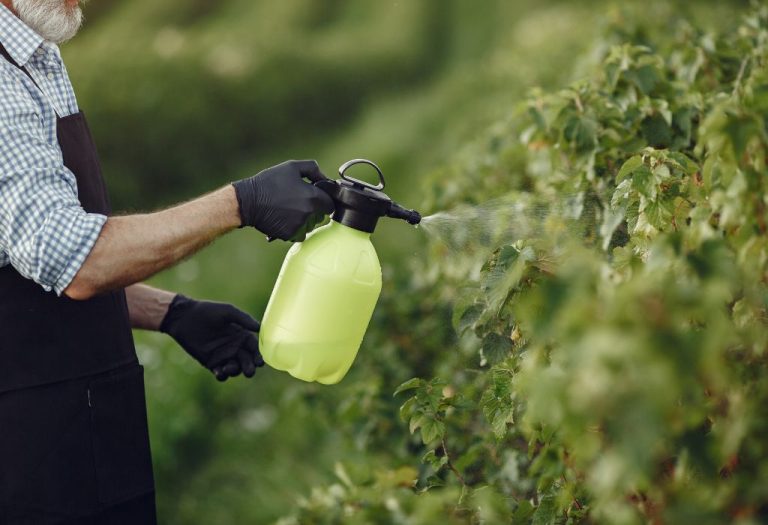
- Mix and Apply: Mix the liquid aeration product according to the manufacturer’s instructions. Use a hose-end sprayer or a pump sprayer to apply the product evenly over your lawn.
- Water Thoroughly: Water your lawn deeply after applying the liquid aeration product. This helps the product penetrate the soil and activates the aeration process.
- Repeat as Needed: Depending on the product and your lawn’s condition, you may need to repeat the application every few weeks or months.
Liquid aeration, when combined with proper watering and fertilization, can lead to remarkable results. Liquid aeration, unlike core aeration, doesn’t require any expensive equipment. Many lawn care experts suggest applying liquid aeration products in early spring, just before the growing season, to help prepare the soil for healthy growth. Always read and follow the product’s directions to get the best results, and avoid applying these products on windy days to prevent the spray from going to unwanted areas.
Maintaining Your Lawn After Aeration
The work doesn’t stop after you’ve aerated your lawn. Proper maintenance is essential to ensure that your lawn benefits from the aeration process. Following these aftercare steps will make certain that your efforts produce the green, healthy lawn you want. The more you do, the more you will reap the benefits.
Watering and Fertilization
After aerating, your lawn will need extra care. Proper watering and fertilization can help your lawn recover quickly and thrive. These practices support root growth and the absorption of nutrients. Water regularly, and fertilize to support new growth. These steps are simple to follow and can make a big difference.
- Water Deeply: After both core and liquid aeration, water your lawn deeply and regularly. This helps the soil settle and encourages root growth. Aim for about 1 inch of water per week, including rainfall.
- Fertilize: Apply a balanced fertilizer to your lawn after aeration. This provides essential nutrients and promotes healthy growth. Choose a fertilizer that’s appropriate for your grass type.
- Monitor for Problems: Watch out for any signs of stress, such as yellowing grass or slow growth. If you notice any issues, adjust your watering or fertilization schedule accordingly.
Consistent watering and fertilization are key to a healthy lawn after aeration. Consider using a slow-release fertilizer to provide a steady supply of nutrients over time. A properly watered and fertilized lawn is more resistant to disease, pests, and other stressors. After aeration, your lawn’s roots are better able to absorb water and nutrients.
Overseeding and Other Lawn Care Practices
Other lawn care practices, such as overseeding and weed control, can also enhance the benefits of aeration. Overseeding involves spreading grass seed over your existing lawn. This fills in bare spots and thickens the turf. Weed control, which prevents unwanted plants from competing with your grass, is also key.
- Overseeding: If your lawn has thin spots or bare patches, consider overseeding after aeration. This helps to thicken your turf and improve its overall appearance.
- Weed Control: Apply a pre-emergent herbicide before aeration to prevent weeds from taking hold. Use a post-emergent herbicide to target existing weeds.
- Mowing: Mow your lawn regularly to maintain its health and appearance. Keep the grass at the recommended height for your grass type.
Overseeding can double the benefits of aeration. By seeding your lawn after aeration, you give grass seeds access to optimal growing conditions, which will improve the density of your turf. Controlling weeds also reduces competition for resources, allowing your grass to thrive. Follow these practices and the health of your lawn will improve significantly.
Frequently Asked Questions
Question: Is liquid aeration as effective as core aeration?
Answer: Both methods can be very effective, but core aeration is generally better for severely compacted soils, while liquid aeration is more suitable for moderate compaction or maintenance.
Question: How often should I aerate my lawn?
Answer: Core aeration is often done once per year, typically in the spring or fall. Liquid aeration can be done more frequently, depending on the product and your lawn’s needs, often every 30 to 60 days during the growing season.
Question: Can I aerate my lawn myself, or should I hire a professional?
Answer: You can aerate your lawn yourself with either method. Core aeration requires renting or purchasing a machine, while liquid aeration can be applied using a sprayer. If you’re not comfortable with the process or have a large lawn, consider hiring a professional.
Question: Will aeration damage my sprinkler system?
Answer: Core aeration can damage sprinkler heads or underground utility lines if you’re not careful. Always mark these areas before aerating. Liquid aeration will not damage your sprinkler system.
Question: Is it necessary to fertilize after aeration?
Answer: Yes, it is recommended to fertilize your lawn after aeration. This helps provide essential nutrients and encourages healthy growth, especially after core aeration.
Final Thoughts
Choosing between liquid aeration vs core aeration is an important decision that can significantly impact the health and look of your lawn. As you’ve discovered, each method has its own benefits and drawbacks. Core aeration is great for handling soil that is compacted, and liquid aeration offers a convenient alternative for regular maintenance. The right choice depends on your soil type, the extent of compaction, and your preferences. Be sure to consider factors like ease of application and cost when choosing which method to apply. Remember, proper aftercare, including watering, fertilizing, and possibly overseeding, is essential to maximize the benefits of aeration and help your lawn reach its full potential. By exploring these options, you’re well-equipped to give your lawn what it needs to thrive.