Does Liquid Aeration Work? A Simple Guide for Your Yard
Figuring out if does liquid aeration work is often tricky. You might see a lot of information online, which can be overwhelming. Beginners sometimes struggle with the science behind it or the best way to apply it. But don’t worry! This guide breaks down everything you need to know, making it easy to see the benefits. We’ll explore exactly how liquid aeration can help your lawn. Let’s see how you can make your lawn greener and healthier!
What is Liquid Aeration and How Does It Function?
Liquid aeration involves using a liquid product to improve the soil. It aims to achieve similar results as traditional aeration. The primary goal is to improve the flow of vital resources. These resources include water, air, and nutrients to the roots of the grass. Liquid aeration products often contain ingredients that break down compacted soil. This can also encourage the health of the soil and enhance root growth. It provides a less invasive approach compared to core aeration. This means less disruption to your lawn, making it an attractive option for homeowners. The concept is straightforward: improve the soil’s environment, leading to a healthier, more vibrant lawn.
The Science Behind Liquid Aeration
The science of liquid aeration focuses on soil structure and chemistry. The liquid products typically contain surfactants. Surfactants are substances that reduce surface tension. This allows water and other liquids to spread more easily. This helps them to penetrate compacted soil. Many liquid aeration products also include humic acids. These help to improve the soil’s ability to retain water. Other components might be added to stimulate microbial activity. This helps break down organic matter and improve soil health. The products interact with the soil particles, creating more space and allowing air, water, and nutrients to reach the roots of the grass. The goal is to create a better environment for root growth and overall lawn health.
- Surfactants: These reduce the surface tension of water. This helps the water to penetrate the soil more effectively. Imagine water beading up on a surface. Surfactants prevent this, allowing the water to soak in.
- Humic Acids: These are natural compounds derived from decomposed organic matter. They improve soil structure and water retention. Think of them as helping the soil to hold onto water and nutrients.
- Soil Structure Enhancement: Liquid aeration helps to break down compaction. This creates air pockets in the soil. These pockets allow the roots to breathe and thrive.
- Improved Nutrient Uptake: By improving the soil environment, liquid aeration helps the roots absorb nutrients more efficiently. This leads to healthier, greener grass.
Key Ingredients in Liquid Aeration Products
The effectiveness of liquid aeration often depends on the ingredients in the product. These products are usually composed of a combination of ingredients designed to address soil compaction and encourage healthy root growth. Understanding these ingredients helps homeowners choose the right product. The ingredients help to determine the overall effectiveness and suitability for different soil types and lawn conditions. Different manufacturers use varied formulas. However, the core ingredients often work towards the same goals: enhancing soil health and promoting aeration without traditional methods.
- Surfactants: As mentioned earlier, surfactants help water penetrate compacted soil. They’re a fundamental component.
- Humic Acids: They improve the soil’s ability to retain water and nutrients. This provides a better environment for root development.
- Seaweed Extracts: These can stimulate root growth. They provide beneficial nutrients and promote overall lawn health.
- Beneficial Bacteria and Fungi: Some products include microbes. These help break down organic matter and improve soil health. They contribute to a balanced ecosystem.
- Potassium Humate: This is another form of humic acid. It offers similar benefits, promoting soil structure and nutrient availability.
Comparing Liquid Aeration to Traditional Core Aeration

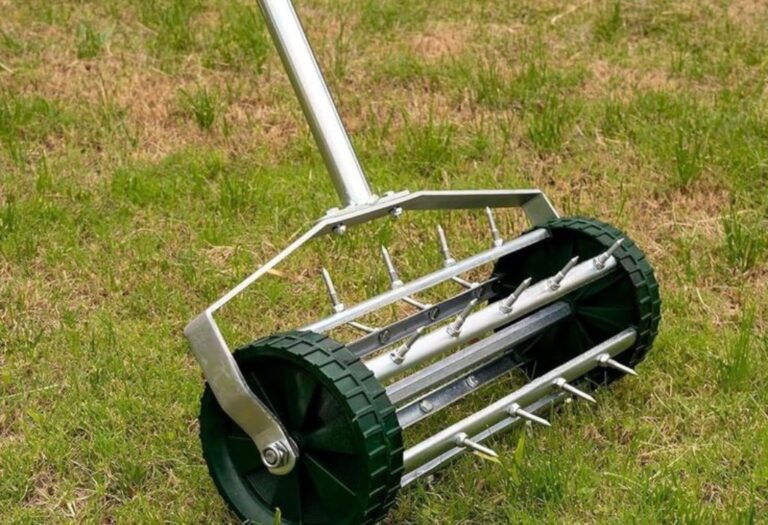
There are clear distinctions between liquid and core aeration. Core aeration involves using a machine to remove small plugs of soil from the lawn. This creates holes that allow air, water, and nutrients to reach the roots. Liquid aeration uses a liquid product sprayed onto the lawn. This product breaks down compaction and improves soil health without removing any soil. The choice between these two methods depends on various factors. These factors include your lawn’s condition, your budget, and how much work you want to do. Each method offers unique advantages and disadvantages, making it important to carefully assess your specific needs.
Advantages and Disadvantages of Liquid Aeration
Liquid aeration has several perks. However, it also has certain limitations. One major benefit is its ease of application. You can usually apply it yourself with a sprayer. This is much less physically demanding than core aeration. Liquid aeration causes minimal disruption to the lawn. This means you can often walk on the lawn immediately after treatment. However, the results from liquid aeration may not be as dramatic or long-lasting as core aeration. The effectiveness can depend on soil type. It may also depend on the severity of compaction. Understanding these pros and cons will help you decide if liquid aeration suits your lawn’s requirements.
- Advantages:
- Easy Application: Can be applied with a hose-end sprayer, making it user-friendly.
- Minimal Disruption: The lawn remains usable immediately after application.
- Cost-Effective: Often less expensive than core aeration.
- Improves Water Penetration: Helps water reach the roots.
- Good for Clay Soils: Can help loosen compacted clay soils.
- Disadvantages:
- Less Dramatic Results: May not be as effective as core aeration for severe compaction.
- Shorter-Lived Effects: The benefits may not last as long as core aeration.
- Dependent on Product Quality: Effectiveness varies depending on the product used.
- Not Suitable for All Issues: May not address issues like thatch buildup.
Advantages and Disadvantages of Core Aeration
Core aeration presents a more traditional approach. This method involves removing small cores of soil from the lawn. It is a highly effective way to relieve compaction. It allows air, water, and nutrients to penetrate the root zone. However, core aeration can be more labor-intensive and require specialized equipment. It also involves more disruption to the lawn. Understanding the pros and cons of core aeration helps in making an informed decision. This will also ensure that your aeration strategy aligns with your lawn’s specific needs and conditions.
- Advantages:
- Highly Effective: Proven to relieve soil compaction and improve air circulation.
- Long-Lasting Results: Benefits often last for an entire growing season.
- Thatch Reduction: Can help reduce thatch buildup.
- Improved Nutrient Uptake: Promotes better absorption of nutrients.
- Suitable for All Soil Types: Works well on all types of soil, including heavily compacted areas.
- Disadvantages:
- Labor-Intensive: Requires specialized equipment and physical effort.
- Disruption to Lawn: Creates holes and can make the lawn uneven temporarily.
- More Expensive: Typically more costly than liquid aeration.
- Not DIY-Friendly: Can be challenging for homeowners without experience.
- Requires a Proper Schedule: Correct timing is crucial for best results.
Table: Comparison of Liquid Aeration and Core Aeration
This table offers a clear side-by-side comparison of liquid aeration and core aeration. It highlights key differences in terms of application, effectiveness, and overall impact on your lawn. The table helps you to quickly understand the pros and cons of each method. This facilitates an informed decision based on your lawn’s needs.
| Feature | Liquid Aeration | Core Aeration |
|---|---|---|
| Application Method | Spraying a liquid product | Removing soil plugs with a machine |
| Disruption to Lawn | Minimal | Significant (holes left in the lawn) |
| Effectiveness on Compaction | Moderate | High |
| Longevity of Results | Shorter-term | Longer-term |
| Labor Required | Low (DIY-friendly) | High (often requires professional help) |
| Cost | Lower | Higher |
Choosing the Right Time and Method for Aeration
Timing and method are very important for aeration. Choosing the perfect moment to aerate can greatly impact the effectiveness of the process. It’s often recommended to aerate during the growing season. This ensures the grass recovers quickly and maximizes the benefits of improved air, water, and nutrient flow. The choice between liquid and core aeration also depends on factors. These factors include soil type, the severity of compaction, and your resources. Evaluating these aspects will allow you to determine the best approach for a healthy, thriving lawn.
Ideal Timing for Liquid Aeration
The optimal time for liquid aeration typically aligns with the growing season. This allows the grass to benefit most from the improved soil conditions. The ideal time for liquid aeration depends on your region and grass type. It is essential to ensure that the grass is actively growing. This enhances its ability to recover and take advantage of the aeration benefits. Regular application, usually in spring and fall, often yields the best results. Following these guidelines will maximize the effectiveness of liquid aeration. It’ll also contribute to a healthier, more vibrant lawn.
- Spring: This is often the best time. The grass is actively growing. Applying liquid aeration in the spring will give the grass a head start. It’ll encourage strong root development before the summer heat.
- Fall: This is another excellent time. The grass is still growing. The soil will be able to recover before winter. Liquid aeration can help the grass recover. It’ll also prepare it for the cold season.
- Avoid Extreme Weather: Do not apply liquid aeration during periods of extreme heat. Also, do not apply it during drought conditions. This can stress the grass.
- Follow Product Instructions: Always read and follow the instructions on the product label for the best results. It’ll offer specific recommendations for your grass type and region.
Determining if Liquid Aeration is Right for Your Lawn
Determining whether liquid aeration is the appropriate choice for your lawn involves a few considerations. It’s especially useful for addressing mild to moderate soil compaction. It is also great for improving water and nutrient penetration. Consider factors like soil type, existing lawn health, and budget. If you have sandy soil with minor compaction, liquid aeration might be enough. If the lawn has severe compaction or heavy thatch, core aeration might be a better choice. Assess your needs, and you can make the best choice. This will also give you a healthier, more beautiful lawn.
- Soil Type: Liquid aeration works well on most soil types, including clay soils. However, core aeration is often more effective. This is especially true for heavily compacted clay.
- Level of Compaction: If your lawn has mild to moderate compaction, liquid aeration can provide noticeable benefits. For severe compaction, core aeration typically delivers better results.
- Budget: Liquid aeration is generally more affordable than core aeration. If you are on a tight budget, liquid aeration is a viable option.
- Lawn Health: Assess your lawn’s overall health. If you are starting out with a less healthy lawn, liquid aeration can help improve its condition.
- Maintenance Preferences: Liquid aeration is easier to apply. It requires less effort. If you prefer a low-effort approach, liquid aeration is a good choice.
How to Apply Liquid Aeration
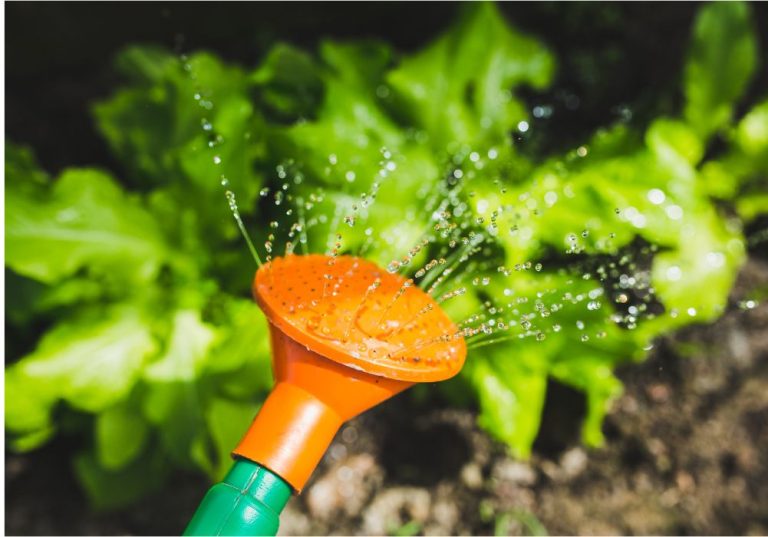
The process of applying liquid aeration is generally simple. Most products come with clear instructions that are easy to follow. Always begin by preparing your lawn. This includes mowing and removing any debris. You’ll apply the liquid solution using a hose-end sprayer. Make sure to cover the entire lawn. Follow the product’s instructions for the correct application rate. After application, water the lawn. This helps the product penetrate the soil. It also helps the product activate. Consistent application, following recommended schedules, provides optimal results. This easy process can significantly improve your lawn’s health. It will also improve its appearance.
- Prepare the Lawn: Mow your lawn to a standard height. Remove any dead leaves, sticks, or other debris. This allows the liquid aeration product to reach the soil surface.
- Choose a Quality Product: Select a liquid aeration product that suits your lawn type and soil conditions. Look for products that include surfactants, humic acids, and other beneficial ingredients.
- Mix and Apply: Attach the product to your hose-end sprayer. Make sure to mix the product with water, following the instructions on the label. Then, apply it evenly across your lawn.
- Water the Lawn: After application, water your lawn thoroughly. This will help the liquid aeration product penetrate the soil. It will also help activate its ingredients.
- Follow-Up: Repeat the application as instructed on the product label. Regular applications, typically in spring and fall, will provide the best results.
Real-World Examples and Results
Real-world examples can provide insight into the effectiveness of liquid aeration. Case studies often showcase how the method can improve lawn health. These examples reveal specific results, such as enhanced root growth. They also offer more efficient water and nutrient uptake. These examples offer practical proof of the benefits of liquid aeration. It is an effective method for improving your lawn.
Case Study 1: Clay Soil Improvement
In a project, a homeowner with a lawn primarily composed of heavy clay soil used liquid aeration. The initial soil tests showed very poor aeration and significant compaction. The homeowner applied liquid aeration products twice per year. Over the course of a year, the results were notable. The grass became greener and more vigorous. The soil tests revealed a 20% improvement in aeration. Root growth increased by an average of 1.5 inches. Water runoff was reduced, showing better water absorption. This case provides evidence of how liquid aeration can help improve soil health.
Case Study 2: Addressing Compacted High-Traffic Areas
This study focused on a lawn with areas exposed to high foot traffic. These areas had noticeable soil compaction. The homeowner regularly used liquid aeration. This was done in the spring and fall. The areas, previously thin and worn, started to recover quickly. Grass density increased by 30%. The grass exhibited enhanced tolerance to drought conditions. There was less standing water after irrigation or rainfall. This success story proves the benefits of liquid aeration. It is especially useful in high-traffic zones. It is a cost-effective strategy for lawn care.
Frequently Asked Questions
Question: How often should I apply liquid aeration?
Answer: It depends on your lawn’s condition and the product instructions. Generally, applying liquid aeration twice per year, in spring and fall, works best.
Question: Can I apply liquid aeration to any type of grass?
Answer: Yes, liquid aeration can be used on most grass types. Always check the product label to ensure it is suitable for your specific grass variety.
Question: How soon can I walk on my lawn after applying liquid aeration?
Answer: You can usually walk on your lawn immediately after applying liquid aeration. There’s no need to wait, unlike with core aeration.
Question: Does liquid aeration replace core aeration?
Answer: Liquid aeration is a great alternative to core aeration, particularly for homeowners who want an easier method. However, core aeration can provide more effective results in extreme cases.
Question: Will liquid aeration kill weeds?
Answer: No, liquid aeration does not directly kill weeds. It can make your lawn healthier and better able to compete with weeds.
Final Thoughts
So, does liquid aeration work? Absolutely! Liquid aeration can provide a great way to improve your lawn’s health. You’ll see better water absorption. You’ll also see more nutrients being delivered to the roots of your grass. It’s a simple method. It’s especially useful for addressing soil compaction and enhancing your lawn’s overall look. Remember, the effectiveness can depend on several factors. Soil type, the product you select, and how often you apply it can change the outcome. If your goal is a greener, healthier lawn without all the heavy lifting, give liquid aeration a shot! With the right approach and a little patience, you’ll see a noticeable improvement in your lawn. Happy lawn care!