How to Drain Lawn Roller: A Simple Guide for Easy Maintenance
Figuring out how to drain lawn roller can feel tricky, especially when you’re just starting. It’s not always obvious where to start, and you might worry about making a mess or damaging your equipment. Don’t worry, though! This guide breaks down the whole process into easy steps. We’ll cover everything you need to know to get the job done right, so you can keep your lawn looking great. Keep reading, and you’ll find it’s a lot simpler than you think.
Reasons to Empty Your Lawn Roller
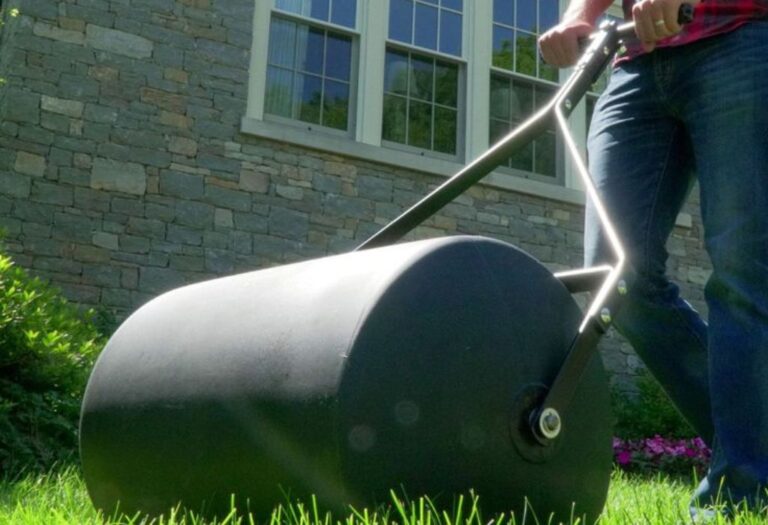
Knowing why you need to empty your lawn roller is as important as knowing how. Lawn rollers, often filled with water or sand for weight, are great for flattening uneven ground and helping establish new lawns. But sometimes, you need to empty them. This might be because you’re storing the roller for the winter, need to transport it, or want to change the filling material. Understanding the reasons allows for the best maintenance.
Winterizing Your Equipment
When cold weather arrives, it’s important to prepare your lawn roller for winter storage. Leaving water inside can lead to freezing and expansion. This expansion could crack the roller drum and ruin it. Draining the water prevents this damage, ensuring the roller stays in good condition for the following season. It also makes the roller lighter and easier to move for storage in a shed or garage. Proper winterization protects your investment.
- Preventing Freeze Damage: Water expands when it freezes, which can crack the drum.
- Reducing Weight: Makes it easier to handle and store.
- Extending Lifespan: Protects the roller from potential damage.
Changing Fill Material
You may need to empty your lawn roller if you want to switch from water to sand, or vice versa. Sand provides different weight characteristics and can be useful in certain lawn care tasks. Changing the fill material might be part of your seasonal lawn maintenance plan. This is a simple task once you know how to drain lawn roller. It offers you more versatility in how you care for your lawn.
- Adjusting Weight: Sand provides a different weight distribution than water.
- Performing Lawn Tasks: Allows for varied lawn care.
- Maximizing Efficiency: Ensures the roller suits the lawn’s needs.
Materials You’ll Need to Drain a Lawn Roller
Before you start, gather all the tools and materials you’ll need. This preparation makes the job go smoothly. It also avoids any last-minute searching and frustration. Getting everything ready ensures you have everything needed for efficient and safe emptying. Remember, having the right items makes the process simpler.
Essential Tools
To drain your lawn roller, you’ll need a few basic tools. These are readily available and make the process straightforward. Having these tools ready helps prevent any delays or complications during the draining. Always remember safety precautions when using tools.
- Drainage Location: Choose a spot where you can safely release the water.
- Gloves: Protect your hands from contact with the water or any debris.
- Wrench (Optional): May be useful to loosen the drain plug, depending on the roller.
Safety Gear
Safety is key, especially when handling tools and water. Protecting yourself is important. Wearing the right gear will help. Making sure you’re safe will give you peace of mind.
- Gloves: Protect your hands from the water and any potential dirt or chemicals.
- Eye Protection: Safety glasses or goggles will shield your eyes from splashes.
Step-by-Step Guide: How to Drain Lawn Roller

Now that you have your materials, let’s explore how to drain lawn roller. These steps are easy to follow and designed to make the process simple. Each stage is crucial to prevent spills or damage, while completing the task correctly.
Locating the Drain Plug
The drain plug is the key to emptying your lawn roller. It’s usually located at the lowest point of the drum, so all the water will drain out. The drain plug can have different designs. Knowing where it is will speed up the process. If you can’t immediately find it, check the user manual. This will ensure you find the right spot.
- Identifying the Plug: Look for a plug, valve, or opening at the bottom.
- Inspecting the Design: It could be a simple screw, a valve, or another type of plug.
- Referring to the Manual: The manual will show you exactly where it is.
Preparing for Drainage
Before you open the drain plug, get ready. Find a suitable place to drain the water. Make sure you avoid areas where water could harm plants or create hazards. Planning ahead helps prevent any messes. This way, you’re prepared before you open the plug.
- Selecting a Drainage Spot: Choose an area where the water can safely drain.
- Positioning the Roller: Place the roller so the plug is above the draining spot.
- Gathering Supplies: Have a container or hose ready if needed.
Draining the Water
The actual draining process is usually straightforward. Remove the plug carefully, allowing the water to flow out. Be patient, as this can take some time. Monitor the draining process to prevent spills. This ensures it empties completely.
- Removing the Plug: Carefully unscrew or open the drain plug.
- Allowing Drainage: Let the water flow out completely.
- Monitoring the Process: Ensure the area is draining well.
Cleaning the Roller
After the water is out, consider cleaning the inside of the roller. This is not always necessary, but it helps keep it in good shape. You can rinse it out with clean water. Removing any sediment or debris is very helpful to maintain your equipment.
- Rinsing the Drum: Use a hose to rinse the inside of the drum.
- Removing Debris: Remove any sediment or debris.
- Ensuring Cleanliness: Ensure the drum is completely clean and dry.
Potential Challenges and Solutions
Sometimes, things don’t go perfectly, and you might face some hiccups. But don’t worry – it’s easy to solve these problems. Having solutions ready saves time and ensures the job gets done right. These tips will help you manage any unexpected issues.
Plug Difficulties
Sometimes, the drain plug might be tough to remove. It could be rusted, stuck, or difficult to reach. Don’t force it, as you could damage the roller. There are ways to loosen the plug. Be patient, and don’t be afraid to take a few extra steps.
- Use Penetrating Oil: Apply penetrating oil to loosen a stuck plug.
- Apply a Wrench: A wrench can help provide extra leverage.
- Heat Gently: Gently heating the area with a heat gun can help.
Slow Drainage
Sometimes, the water drains slowly. This can happen if the plug is partially blocked, or if there is debris. This can be frustrating, but you can speed things up. Patience and these solutions will fix the issue. Keep going until the roller is fully empty.
- Clear the Opening: Check the plug and clear any blockages.
- Adjust Roller Position: Tilt the roller to help the water flow.
- Inspect for Blockages: Ensure no internal blockages are slowing the flow.
Rust and Corrosion
Rust and corrosion can occur inside the roller, especially if water is left inside for long periods. This can damage the roller. There are ways to remove rust. Regular maintenance and prevention will help extend the life of your equipment.
- Remove Rust: Use a wire brush or rust remover.
- Apply Lubricant: Apply a light lubricant to prevent future rust.
- Regular Maintenance: Drain and clean the roller regularly.
Maintenance Tips for Your Lawn Roller
Keeping your lawn roller in good shape ensures it works well for a long time. Regular maintenance is key. This care will extend the life of your equipment. It also ensures it’s always ready when you need it.
Regular Inspections
Check your lawn roller regularly for any signs of wear or damage. Look at the drum, the handle, and the plug. Spotting problems early will help you prevent more serious damage. Regular inspections can save you money.
- Check the Drum: Look for cracks or damage.
- Inspect the Handle: Ensure the handle is secure.
- Examine the Plug: Check for leaks or damage.
Proper Storage
How you store your lawn roller affects its lifespan. Protect it from the elements. A covered area will protect your roller from harsh weather. Properly storing your roller helps preserve its condition.
- Store Indoors: Keep it in a shed or garage.
- Cover It: If storing outside, use a cover.
- Avoid Extreme Temperatures: Keep it away from intense heat or cold.
Lubrication
Lubricating moving parts helps prevent wear and tear. Apply lubricant to the handle hinges and any moving parts. This keeps the roller working smoothly. Proper lubrication will also help prevent rust.
- Lubricate Moving Parts: Use a suitable lubricant.
- Follow Instructions: Refer to the manufacturer’s recommendations.
- Regularly Apply Lubricant: Lubricate at regular intervals for optimal performance.
Choosing the Right Fill Material
The type of material you put in your lawn roller affects its performance. Water is common, but sand can be a better choice in some instances. Knowing the different options will help you make the right choice for your lawn care tasks.
Water vs. Sand
Water is easy to use and provides good weight. Sand, on the other hand, provides a more consistent weight. The choice depends on your lawn care needs. Consider the advantages of each option when choosing.
| Feature | Water | Sand |
|---|---|---|
| Weight | Easy to Adjust | More Consistent |
| Availability | Readily available | Needs to be purchased |
| Storage | Must be drained in cold weather | Can be left in for storage |
When to Use Each
The right fill material depends on the task at hand. Water is fine for general rolling. Sand might be better if you need a specific weight. Think about what you want to achieve. This helps you choose the better option.
- Water for General Use: Ideal for flattening uneven areas.
- Sand for Specific Tasks: Better for leveling and compacting soil.
Handling and Maneuvering Your Lawn Roller
Knowing how to handle and move your lawn roller is very important for your safety and to avoid damage. Use proper lifting techniques. Taking the right approach keeps both you and the equipment safe.
Lifting Techniques
When lifting the lawn roller, use proper techniques. Always bend at your knees. This helps to prevent back strain. Following these steps helps protect you from injury.
- Bend Your Knees: Keep your back straight.
- Use Your Legs: Lift with your legs, not your back.
- Get Help: Ask for assistance if the roller is heavy.
Maneuvering Tips
When rolling your lawn, always roll in straight lines. Overlap each pass slightly. This ensures complete coverage. Following these tips guarantees a good job.
- Roll in Straight Lines: Overlap passes.
- Avoid Sharp Turns: Maneuver carefully to avoid damage.
- Adjust Pressure: Adjust your pace depending on the terrain.
Frequently Asked Questions
Question: How often should I drain my lawn roller?
Answer: It’s best to drain it before winter storage and whenever you plan to change the fill material.
Question: What’s the best place to drain the water?
Answer: Choose a location where the water can safely drain without harming plants or causing erosion.
Question: What kind of wrench do I need for the drain plug?
Answer: It depends on the plug type. A standard wrench set usually includes the right sizes.
Question: Can I use the drained water on my lawn?
Answer: Yes, assuming there are no added chemicals or treatments in the water.
Question: How can I clean the inside of my lawn roller?
Answer: Rinse the drum thoroughly with clean water to remove any debris or sediment after draining.
Final Thoughts
Knowing how to drain lawn roller is an essential skill for any homeowner. Whether you need to winterize it or switch out fill materials, the steps are straightforward. You begin by locating the drain plug, preparing the area, and allowing the water to drain fully. Remember to use the right tools and keep your safety in mind. Regular care, including inspections and proper storage, will help your roller last for many years. It’s a simple process that ensures your lawn roller is ready whenever you need it. By following these easy steps, you can confidently maintain your equipment and enjoy a beautiful, healthy lawn.