What Is a Grow Light? A Beginner’s Guide for Indoor Growers
If you’re new to indoor gardening, you’ve probably heard the term “what is a grow light” and wondered what all the fuss is about. It can feel a bit overwhelming at first because there are so many types and options. Don’t worry, though! This guide breaks down everything you need to know in a simple, step-by-step way. We’ll explore the basics, helping you decide which grow light is best for your plants. Next, we will discuss how these lights work and how to choose the right one for your indoor garden.
Understanding the Basics of Grow Lights
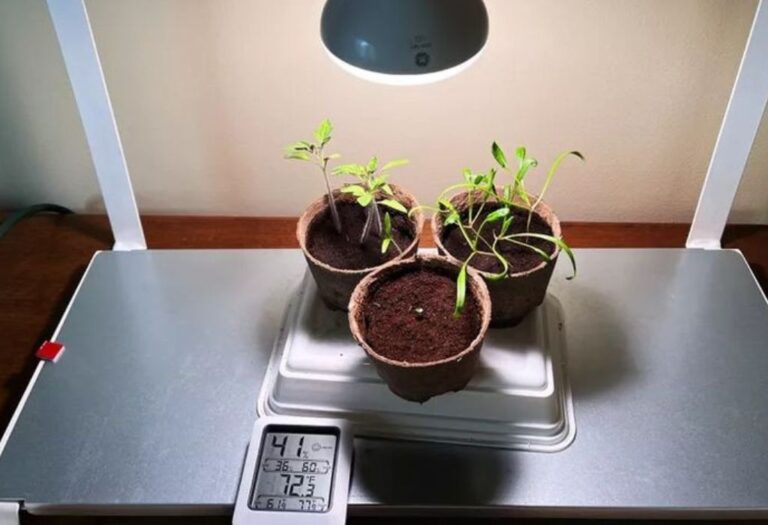
Before jumping into different types, it’s key to grasp the fundamentals. Think of grow lights like artificial sunlight. Plants need light to make their food through a process called photosynthesis. Regular indoor lighting isn’t always enough, especially if you’re growing in a basement, a room with limited sunlight, or if you want to grow plants year-round. Grow lights provide the specific light wavelengths your plants need for healthy growth. They come in various forms, each offering different advantages and fitting different growing needs.
The Purpose of Grow Lights
- Grow lights serve as an artificial source of light.Grow lights replicate the sun’s beneficial rays for plants. They allow plants to grow even when the sunlight is limited or absent. This makes it possible to grow plants indoors, in areas with poor sunlight, or during seasons with less sunlight. They provide plants with the light they need for photosynthesis, which is the process where plants make their food. This means they can grow anywhere, anytime, offering more control over the growing process.
- They enhance plant growth by providing specific light spectrums.Different parts of the light spectrum impact how plants grow. Blue light encourages strong stem and leaf growth, which is great for the early stages of plant life. Red light is crucial for flowering and fruit development. Grow lights are often designed to provide a balance of both, along with other colors, to make sure plants get everything they need. This results in healthier, more productive plants, even in non-ideal conditions.
- Grow lights allow for year-round plant cultivation.With grow lights, you’re no longer limited by the seasons. You can start seeds early in the spring, extend the growing season into the fall, or grow plants that need specific sunlight levels. This means fresh herbs, vegetables, and flowers can be grown throughout the year. You have much more control over when and what you grow, creating a constant supply of fresh produce or beautiful blooms.
- They help overcome geographic and environmental limitations.If you live in a place where sunlight is limited, grow lights offer a way around those challenges. They allow you to grow plants in areas where natural light is inadequate, like in a small apartment or a room with no windows. They’re also beneficial in regions with shorter daylight hours. This means more people can enjoy the benefits of indoor gardening.
Different Types of Grow Lights

There is a wide variety of grow lights available, each with its unique benefits. Picking the right one depends on your needs, your budget, and the plants you’re growing. The most common kinds include LED grow lights, fluorescent grow lights (like T5 and T8), and High-Intensity Discharge (HID) lights, which include Metal Halide and High-Pressure Sodium lamps. Each has different energy use, light output, and suitability for various stages of plant growth.
LED Grow Lights
- LEDs are energy-efficient and long-lasting.LED grow lights use less energy than other types of grow lights. They also last much longer. This saves you money on your electricity bill and reduces the need for
- LEDs come in a variety of spectra and forms.LED grow lights are highly customizable. You can get full-spectrum lights that mimic sunlight, or choose lights with specific colors for different growth stages. Some LEDs are designed with specific wavelengths to help plants grow faster. This customization lets you fine-tune the light for different plants or different phases of plant development. They can also be found in various shapes and sizes to match different setups.
- LEDs produce less heat.One of the benefits of LEDs is that they produce far less heat compared to HID lights. This reduces the risk of burning plants. It is also good in areas with limited ventilation. With the lower heat output, LED lights can be placed closer to the plants. This allows for more effective light penetration.
- They are often more expensive initially, but save money over time.While the initial cost of LED grow lights is often higher compared to other types, they usually pay for themselves in the long run. The lower energy costs, the longer lifespan, and the reduced need for replacements make them a cost-effective option. Plus, because they are more energy-efficient, they’re better for the environment.
Fluorescent Grow Lights
- Fluorescent lights are an affordable option.Fluorescent grow lights are often a good starting point for beginners because they are less expensive than some other types of grow lights, particularly LEDs. They are also widely available and simple to set up, making them easy to start with. They are a suitable option for small-scale gardening or for use in propagation and starting seeds.
- T5 and T8 fluorescent lights are popular choices.T5 and T8 fluorescent lights are common choices. T5 lights offer better light output than T8 lights, making them suited for plants that need more light. Both types are generally less powerful than other types, but they are still helpful for many plants. Their lower heat output also makes them safe to use close to plants without damaging them.
- They are suitable for seedlings and propagation.Fluorescent lights are well-suited for the early stages of plant growth, like starting seeds and propagating cuttings. The light is gentle enough, preventing seedlings from burning. They provide the right light levels to encourage healthy root development and early growth. Their even light distribution means that all plants get light equally.
- Fluorescent lights need to be replaced more often than LEDs.Compared to LEDs, fluorescent lights have a shorter lifespan. They need to be replaced regularly to keep providing adequate light for the plants. The gradual decrease in light output can go unnoticed, but it can affect the plants’ growth over time. You should always watch the lifespan of fluorescent bulbs to get the best results.
HID Grow Lights
- HID lights are powerful and offer high light output.High-Intensity Discharge (HID) grow lights, like Metal Halide (MH) and High-Pressure Sodium (HPS) lamps, are known for their strong light output. They are able to penetrate the plant canopy, making them good for larger gardens or plants that need a lot of light. They’re often favored by experienced growers for their ability to promote fast growth and high yields.
- Metal Halide lights are great for vegetative growth.Metal Halide (MH) lights provide a blue-rich light spectrum that is helpful during the vegetative phase. This encourages strong leaf and stem growth. This means plants can get bigger and stronger. Their light spectrum is great for developing healthy plants before the flowering stage.
- High-Pressure Sodium lights are ideal for flowering and fruiting.High-Pressure Sodium (HPS) lights emit a red-orange light spectrum, which is best for the flowering and fruiting stages of plant growth. They stimulate flower and fruit production. This type of light can greatly increase yields for plants that produce fruit. HPS lights are often used in commercial settings for maximum output.
- HID lights produce a lot of heat.One key disadvantage of HID lights is that they produce significant heat. This requires better ventilation and can increase the risk of burning the plants if the lights are placed too close. It can also cause a need for cooling systems. HID lights are more energy-intensive, increasing electricity bills compared to other kinds of grow lights.
Choosing the Right Grow Light for Your Plants
Picking the correct grow light is about matching the light’s features to your plants’ needs. Things to think about are the kind of plants, the space available, and your budget. Some plants need more intense light than others, while some are more sensitive to heat. Matching the light’s qualities to your setup will help make sure your plants grow healthily and you’re happy with your results.
Consider Your Plants’ Needs
- Different plants need different light intensities.Plants can be divided into groups based on how much light they need: low, medium, or high. Leafy greens and herbs often do well with less intense light, making fluorescent lights or some LED panels suitable. Flowering and fruiting plants, like tomatoes or peppers, need much stronger light. HID lights or higher-powered LEDs can best fulfill this.
- Think about the light spectrum required.The light spectrum is the range of colors a light emits. Different light spectrums help with different phases of plant growth. Blue light is good for vegetative growth. Red light encourages flowering and fruiting. Some grow lights give a full spectrum, meaning they imitate sunlight. Match the light spectrum to the plant’s needs to ensure healthy growth.
- Research the specific requirements of your plants.Before you buy a grow light, find out about the specific needs of the plants you want to grow. Some plants need more light intensity or specific color spectrums. This information helps you make an educated decision. Knowing your plants’ requirements will make sure they get the correct kind of light, leading to good growth and production.
- Match the light type to the growth stage.Some growers use different lights for different stages of growth. For example, they might use Metal Halide lights for the vegetative stage and switch to High-Pressure Sodium lights during flowering. LED lights can be a great option because they can be customized to change the light spectrum. This flexibility lets you adjust to meet your plants’ needs at all stages.
Space and Setup Considerations
- Measure the grow space.Before you buy a grow light, know your growing space. The size of your space is important for choosing the right size and strength of your light. A smaller space means that a less powerful light may be enough. A bigger space may need multiple lights or a stronger one. Knowing the measurements helps you pick the right grow light for your space.
- Think about the hanging height and adjustability.Most grow lights need to be hung at a specific height above your plants. The hanging height changes with the type of light and the growth stage of the plants. Choose a light that is easy to adjust. This lets you change the distance as your plants grow. Make sure there is enough space to keep the lights at the recommended distance.
- Consider ventilation and cooling.Some grow lights, like HID lights, give off a lot of heat. Good ventilation is needed to keep the temperature from getting too high. If you’re using a hot light, make sure you have a fan. If you are growing in a small space, you might also need an air conditioner. LEDs produce less heat, but ventilation is still helpful for good air circulation and plant health.
- Evaluate the electrical capacity of your space.Grow lights use electricity, and bigger, stronger lights use more. Before you buy, check the electrical capacity of your space. Be sure your circuits can handle the extra load. If you use many lights, you might need to hire an electrician. Also, consider the cost of electricity. Make sure it fits your budget.
Budget and Energy Efficiency
- Set a budget for your grow lights.The cost of grow lights can vary widely. Make a budget and stick to it. Fluorescent lights and some LED panels can be very affordable. HID lights can be more expensive. Factor in the cost of the lights and their operation. It can also include the cost of electricity and
- Look at the energy efficiency of different lights.Energy efficiency is an important factor. LED lights are often the most energy-efficient choice, which can save you money on your electricity bill. They also have a longer lifespan, reducing the need for replacements. Fluorescent lights are less efficient. HID lights use a lot of power. Choosing energy-efficient lights helps lower your costs and is better for the environment.
- Consider the long-term costs.When choosing a grow light, think about the total costs. While the initial cost of LED lights may be higher, the lower energy costs and the longer lifespan may save you money over time. Fluorescent lights are cheaper to buy, but they need to be replaced more often. Think about the costs of replacement bulbs, electricity, and the lifespan of the light.
- Compare different grow light brands and models.Before buying, check out different brands and models of grow lights. Read reviews, compare features, and check the light output and energy use. Also look at warranty and customer service. Making the effort to do your homework can help you pick the best grow light. It can also match your needs and fit your budget.
Setting Up Your Grow Lights
When you have a grow light, setting it up correctly is key to making sure your plants get the right amount of light. This means placing the light at the right height, setting a timer, and creating a good growing environment. Careful setup not only improves your plants’ health but also boosts your chances of success.
Positioning and Height
- Follow the manufacturer’s recommendations.Each grow light comes with instructions about the correct hanging height. The right height is important to ensure your plants get the right amount of light. Always follow these suggestions for the best results. The height should change as your plants grow.
- Adjust the height based on the plant’s growth stage.Plants need different light at different stages of their life. Seedlings and young plants need to be closer to the light. This helps them get the light they need without stretching too much. As plants grow and develop, you might need to raise the lights to prevent burning the leaves. This is especially key with stronger grow lights.
- Monitor your plants for signs of light stress.You can tell if your plants are getting too much light by looking for signs of stress. These include yellowing or browning leaves, leaf curling, or stunted growth. If you see any of these signs, raise the light slightly. If the plants are getting too little light, they might stretch out. The stems will be long and thin.
- Maintain a consistent distance from the plants.Keep the light at a steady distance from the plants. The distance matters for plant growth. Regular checks are needed. This is to make sure your plants get the correct amount of light. Use a ruler or tape measure to make sure the light is in the right place. It is a good practice to take pictures of your plants, so you can track how they are doing.
Timers and Light Cycles
- Use a timer to control the light cycle.Most grow lights benefit from a regular schedule. A timer is an essential tool. It will turn the lights on and off at the correct times. This helps your plants establish a consistent day and night cycle. It also makes sure your plants get the right light. They need it for optimal growth.
- Adjust the light cycle according to your plant’s needs.The light cycle depends on the type of plants and the stage of growth. Plants in the vegetative stage often benefit from 14–18 hours of light a day. During the flowering or fruiting stage, you may need to reduce the light to 12 hours a day. Research your plants’ specific needs to set the most effective light cycle.
- Mimic natural light conditions.Try to imitate natural light conditions. Think about the season. In spring and summer, you would provide more light. This is similar to the longer days of the growing season. In fall and winter, you may want to decrease the light hours. This imitates the shorter daylight periods.
- Be consistent with the light schedule.Keep a consistent light schedule for best results. Sudden changes can stress your plants. A regular schedule helps them grow. You can always check your plants for any signs of stress, and adjust the schedule.
Creating the Right Growing Environment
- Ensure proper ventilation.Proper air circulation prevents the buildup of heat and humidity. This can create conditions that are ideal for diseases. Make sure your grow room has good ventilation. Use fans to circulate air and maintain a balanced temperature. This will assist with healthy plant growth.
- Control the temperature and humidity.Plants do well in a specific range of temperatures and humidity. Research your plants’ needs. Most plants thrive in a moderate temperature (around 65–80°F). Make sure you check the humidity levels, too. Use a thermometer and a hygrometer. Be sure you adjust the environment as needed.
- Provide proper watering and nutrients.Even with a grow light, your plants need water and nutrients. Water your plants correctly. Don’t overwater or underwater. It is also important to supply them with the right nutrients. Use a fertilizer that matches the needs of your plants. Following a regular watering and feeding schedule will make sure your plants thrive.
- Monitor your plants for pests and diseases.It is a good idea to inspect your plants regularly for pests and diseases. Look for any signs of trouble. It can include yellowing leaves, spots, or insects. If you see a problem, take action immediately to keep it from spreading. You can use insecticidal soap, or other pest control products. You can also make sure the conditions in your grow space are optimal.
What Is a Grow Light? Common Mistakes to Avoid
Making a few common mistakes can hurt your indoor gardening efforts. Avoiding these errors will help you grow healthy, productive plants. Knowing how to set up the lights, how to adjust them, and how to maintain the environment will help improve your experience.
Incorrect Light Placement and Distance
- Placing lights too close to plants.Placing grow lights too close to the plants is a common mistake. This can cause the plants to get burned. It will cause them to dry out too quickly. LED lights need to be placed at a specific distance. This distance will vary based on the model. Keep an eye out for signs of light stress. This can include yellow or brown spots on the leaves.
- Failing to adjust light height as plants grow.As plants grow, their light needs also change. Young plants need less light than mature ones. As your plants get bigger, you should increase the distance between the light and the plant. If you do not adjust the light, you risk stressing your plants. You risk the leaves getting damaged or not being able to grow properly.
- Not providing enough light.When plants don’t get enough light, they become “leggy”. This means they will stretch out towards the light source. Leaves can also be smaller. Make sure your plants are getting the amount of light they need. Research the requirements for the plants you are growing. Use a light meter to measure light intensity. This will ensure they are getting enough light.
- Using the wrong type of light.Choosing the wrong type of grow light is a mistake. Using the wrong light could affect your plants’ growth. For example, using a Metal Halide light (good for the vegetative stage) throughout the whole plant’s life cycle. Choosing a light that does not provide the correct color spectrum or intensity can be a problem. Doing your research will help. Be sure to consider your plant’s needs.
Ignoring Light Cycle and Timing
- Not using a timer.Not using a timer means you must manually turn the lights on and off every day. A timer is important for consistent light cycles. Without a timer, it’s easy to be inconsistent. This can stress the plants. It also can interfere with their growth. A timer makes it easy to set up and keep up with a regular light schedule.
- Providing inconsistent light schedules.Changes in light hours can throw off your plants. This can slow down their growth. This is especially true for plants that are sensitive to light. Try to keep the light schedule the same. If you need to make changes, do it little by little. This will prevent any stress to the plants.
- Providing the wrong light duration.Plants need different amounts of light depending on their stage. Giving a plant too little light, or too much, can affect how well they grow. Be sure to check what light duration your plants require. Also, consider the growth stage. Make any adjustments as needed.
- Not considering seasonal changes.In the spring and summer, the days are longer, and the sun shines for many hours. In the winter, the daylight hours shorten. Mimic these changes in your light schedule to help your plants grow better. You will need to add light to offset the reduced sunlight in the winter. This will ensure your plants get the light they need all year.
Overlooking Environmental Factors
- Poor ventilation.Poor ventilation can lead to problems, such as high heat and humidity. This can increase the chance of pests and diseases. Make sure your grow space has good air circulation. You can use fans to move the air around. This will help reduce heat and humidity.
- Inadequate temperature control.Plants can only tolerate a certain range of temperatures. Too hot or too cold can stunt their growth. Monitor the temperature in your grow room regularly. If it gets too hot, use a cooling system, such as an air conditioner. If it gets too cold, consider a space heater.
- Neglecting humidity levels.Just like temperature, humidity is important. Too much humidity can lead to mold and fungal issues. It is also bad for your plants. Too little humidity can cause your plants to dry out and their leaves to get damaged. Use a hygrometer to check the humidity levels. Adjust the ventilation or use a humidifier/dehumidifier, if needed.
- Inconsistent watering and feeding.Overwatering and underwatering can harm your plants. Give your plants the correct amount of water at the right intervals. Also, plants need proper nutrients. Provide them with fertilizer. Following a consistent watering and feeding schedule will make sure your plants get what they need to thrive.
Frequently Asked Questions
Question: What is the best type of grow light for beginners?
Answer: For beginners, LED grow lights are often a great starting point. They’re energy-efficient, produce less heat, and come in various options, making them versatile for different plant types and growth stages. They’re also relatively easy to set up and use.
Question: How far should a grow light be from my plants?
Answer: The distance depends on the type of light and the plant’s needs. Generally, LED lights can be closer (around 12–24 inches), while HID lights should be further away (24–36 inches or more). Always check the manufacturer’s recommendations for your specific light.
Question: How long should I leave my grow lights on each day?
Answer: The light duration depends on the plant and its growth stage. Seedlings and vegetative plants usually need 14–18 hours of light per day, while flowering plants may need 12 hours. Using a timer is a good way to manage this and maintain a consistent cycle.
Question: Can I use grow lights for any type of plant?
Answer: Yes, grow lights can support almost any type of plant, from vegetables and herbs to flowers and ornamental plants. However, the type and intensity of light needed will vary depending on the plant species and its growth stage.
Question: How do I know if my plants are getting enough light?
Answer: Watch for signs of light stress. Plants that aren’t getting enough light may appear “leggy” or stretched, with pale leaves. Overexposure to light can lead to yellow or brown spots and leaf burn. Adjust the light’s height and duration as needed to meet your plant’s requirements.
Final Thoughts
You now have the knowledge to select and use a grow light for indoor plant cultivation. We covered a wide range of topics, including the benefits of these lights, along with the different types available, and how to get the most out of them. Remember, what is a grow light is not just a piece of equipment; it’s a tool that lets you control your plants’ growth environment. By understanding their needs, space constraints, and budget, you can pick the best grow light. Following this advice will help you avoid some common mistakes and make your indoor garden thrive. Start by setting up your lights, monitoring your plants closely, and adapting as needed. Soon, you’ll be enjoying fresh herbs, beautiful blooms, or a flourishing indoor garden.