How to Extend a Garden Hose Without Leaks or Hassle
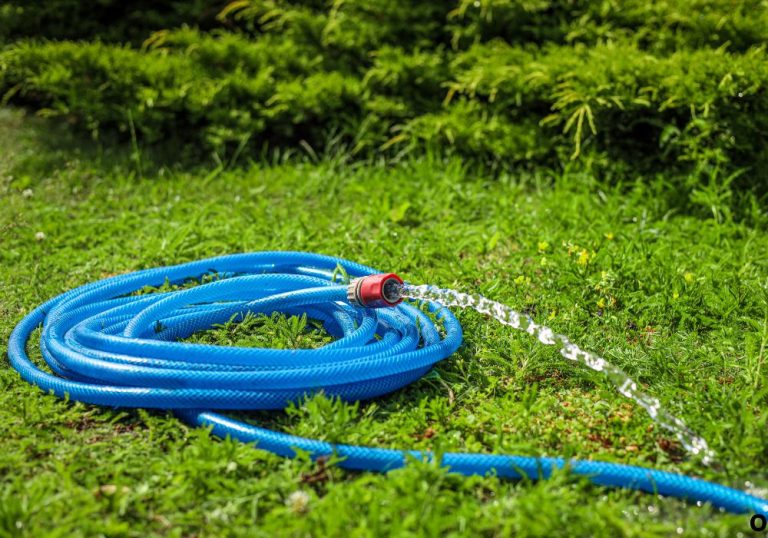
Every gardener knows the frustration of stretching a hose only to find it stopping just a few feet short of the flowerbed. The easy fix seems simple: connect another hose.
Yet, what should be a quick solution often turns into a leaky, pressure-losing mess that wastes water and patience.
When you learn how to extend a garden hose correctly, you unlock far more than extra reach. You gain consistent water flow, prevent leaks, and extend the lifespan of your equipment.
The secret lies not just in adding length but in choosing the right connectors, fittings, and methods that ensure durability and efficiency.
Improper connections are a major cause of water waste in home gardens. Studies show that small leaks in outdoor hoses can waste over 10,000 gallons of water per year (EPA.gov).
A single loose washer or mismatched coupling can quietly drain your water bill and weaken your hose over time.
With the right setup, extending a hose can be a seamless process that preserves water pressure and prevents annoying drips.
Whether you’re watering a distant lawn corner or cleaning a patio, understanding proper hose extension methods will make your outdoor chores smoother and more sustainable.
Understanding Hose Extension Basics

Extending a garden hose may seem like a simple task, but in reality, it involves understanding how pressure, fittings, and durability interact. When hoses are joined incorrectly, even a small mistake can cause leaks, pressure loss, or permanent damage.
At its core, learning how to extend a garden hose means knowing how to connect two hoses or add extra length while maintaining water flow and avoiding weak points. Every connection becomes a potential failure spot if not sealed and supported correctly. A proper extension method ensures smooth water delivery without wasting a single drop.
One of the main challenges gardeners face is pressure drop. As the hose gets longer, the internal friction between water and the hose wall increases, gradually reducing flow strength at the nozzle.
A 100-foot garden hose, for example, can reduce water pressure by up to 10–15 percent depending on its diameter and material quality (source).
This means selecting the right hose size and coupling method is crucial to maintain strong performance.
Another factor is the quality of fittings and washers. Most leaks occur where hoses meet—at the couplings, threads, or O-rings. Worn washers or cheap plastic connectors often lead to continuous drips that worsen over time.
Choosing corrosion-resistant brass or heavy-duty polymer fittings greatly reduces leak risk and extends hose life.
There’s also the issue of compatibility. Garden hoses come in standard diameters, typically ½-inch, ⅝-inch, and ¾-inch, but mixing these sizes without proper adapters causes mismatched connections and uneven water pressure.
Understanding how to identify thread type—standard garden hose thread (GHT) or national pipe thread (NPT)—helps prevent those frustrating leaks caused by mismatched threads.
Permanent and temporary extensions serve different purposes. A permanent extension often involves burying a section of pipe or installing an additional spigot closer to the watering area. It’s a long-term solution ideal for large gardens or professional setups.
On the other hand, a temporary extension uses hose connectors or quick-fit adapters to join two hoses on demand. This is perfect for seasonal or flexible watering needs.
Flexibility also matters when connecting hoses. If the joint is placed where the hose bends frequently, stress builds at the coupling and can lead to cracking or leaks.
Positioning the connection along a straight path and using kink-resistant hoses minimizes wear. Some modern hoses even feature anti-kink layers or coiled designs that help prevent pressure points from forming.
Lastly, think about the environment your hose endures. UV radiation, temperature changes, and ground friction can all degrade hose material over time. Storing hoses properly when not in use and inspecting connection points regularly will save money and water in the long run.
Extending a garden hose is more than attaching parts together. It’s about combining the right tools, compatible fittings, and sound technique to create a system that lasts. By understanding these basics, every future connection you make will be stronger, cleaner, and leak-free.
Tools, Materials & Parts You’ll Need
Before extending a garden hose, it’s essential to gather all the tools and materials that ensure a tight, leak-free connection. Every small part contributes to how effectively water flows and how long the setup lasts.
The most crucial components are connectors and couplings. These pieces join two hoses together and keep the seal intact under water pressure. Brass connectors are the strongest and most durable option, while plastic fittings are affordable and suitable for temporary setups.
A hose repairer or mender is necessary if you plan to join two sections permanently. These fittings come in barbed or compression styles that grip the hose internally to create a watertight seal. When properly installed, they prevent both leaks and disconnections.
Small parts like washers and O-rings play a bigger role than most people realize. They sit inside the coupling to prevent gaps that cause leaks. Replacing them at least once a season helps maintain strong seals.
To ensure threads fit tightly, use Teflon tape around male connectors. This thin white tape fills small gaps and prevents water from seeping out of threaded joints. It’s a simple yet effective way to stop slow leaks from forming.
A clean, straight cut is crucial for tight fittings. Use a sharp utility knife or hose cutter to prepare the ends. Avoid jagged cuts that can cause uneven sealing.
Lastly, keep a wrench and a few stainless-steel clamps handy. These tools help you tighten couplings without damaging the hose. When combined with the right materials, they create a secure, high-pressure extension that will last through multiple seasons.
Step-by-Step Methods to Extend a Garden Hose

Extending a garden hose correctly is about precision, not guesswork. Each connection must be tight, aligned, and supported to prevent pressure loss and leaks. Following a structured method helps achieve smooth water flow and long-term durability.
The first method involves using a hose repairer to permanently connect two hoses. Begin by cutting both hose ends clean and straight.
Insert the barbed or compression fitting into each end, then secure with clamps or sleeves. This approach is ideal for long-term extensions and delivers a strong, watertight seal.
For flexible use, quick-connect couplings are the easiest option. These connectors snap onto hose ends, allowing instant attachment or removal. They are perfect for gardeners who frequently switch between sprinklers, nozzles, and other tools.
To ensure a firm seal, check that the washers inside are properly seated before locking the connector.
When hoses of different diameters must be joined, use reducers or adapters to balance the flow. These small fittings prevent pressure drops that occur when water moves from a wider hose into a narrow one. Always choose the correct adapter to avoid turbulence and uneven spray patterns.
In some cases, adding a new spigot or standpipe may be more efficient than extending hoses repeatedly. Installing a secondary water outlet near distant areas minimizes hose length and reduces strain on connectors. This solution works best for large gardens or professional landscapes.
Every method shares one key rule: precision matters more than speed. Taking time to measure, cut, and seal correctly ensures that the connection stays reliable under pressure.
Whether you prefer quick connectors for convenience or permanent fittings for stability, mastering these techniques guarantees a leak-free extension that performs flawlessly season after season.
Preventing Leaks & Ensuring Durability
Leaks are the most common issue that occurs when extending a garden hose. They not only waste water but also reduce overall pressure, making watering inefficient. Preventing them begins with careful assembly, quality materials, and ongoing maintenance.
Always start by inspecting every washer and O-ring before connecting hoses. These soft rubber rings create the watertight seal that keeps joints tight under pressure.
Replacing old or flattened washers each season is one of the simplest ways to eliminate slow drips and hidden leaks.
Choosing durable connectors also makes a difference. Brass fittings withstand corrosion and temperature fluctuations far better than plastic alternatives. For frequent connections and disconnections, invest in heavy-duty quick-connect systems with double O-ring protection.
Proper tightening technique is another key factor. Over-tightening a coupling can distort the washer or damage threads, while under-tightening leaves small gaps where water can escape.
The best approach is to hand-tighten firmly, then give a gentle final twist with a wrench if necessary.
Environmental conditions also affect durability. Constant sunlight, heat, and ground friction degrade hose materials over time.
Storing the hose on a reel or hanging it off the ground prevents abrasions and exposure to harmful UV rays.
Keeping the hose straight rather than sharply bent at the connector helps avoid kinking, which often leads to internal cracks and leaks.
Regular inspection is equally important. Look for bulges, soft spots, or discoloration along the hose length. These signs indicate internal wear that can worsen under water pressure.
Addressing them early with a hose repairer or replacement section extends the lifespan of your entire setup.
A properly maintained extension system ensures consistent water flow, long-lasting joints, and a cleaner outdoor workspace. By combining strong materials with careful handling, every connection will stay tight, efficient, and leak-free throughout the gardening season.
Troubleshooting Common Issues

Even with careful setup, extended garden hoses can develop problems over time. Recognizing the early signs of leaks, weak flow, or connection failures allows you to fix them quickly before they waste water or damage fittings.
The most frequent issue is a leak at the joint. This often happens when washers are worn out, threads are misaligned, or connectors are not fully tightened. Replacing the washer or rethreading the connection usually resolves the problem.
Always check for cracks in the coupling body, as damaged fittings can cause continuous dripping even when tightly sealed.
A noticeable drop in water pressure is another common problem. Longer hoses naturally reduce pressure, but if flow suddenly weakens, the cause may be internal blockage or kink formation.
Straighten the hose completely and flush it with water to remove trapped debris. If the issue persists, inspect quick-connect couplings to ensure the internal valves open fully during use.
Kinking near the connector is also a frequent frustration. It restricts flow and strains the joint, eventually leading to cracks. Using kink-resistant hoses or adding a swivel connector between the spigot and hose can help maintain flexibility and prevent bending at sharp angles.
Sometimes, a connector that won’t detach is caused by mineral buildup or corrosion. Applying a small amount of lubricant on the threads can help loosen it without damage. Avoid forcing connections apart, as twisting too hard can deform the fitting.
For mid-hose bursts or cracks, cut out the damaged section and insert a hose mender to restore the line. This method is cost-effective and reliable, especially when done with high-quality clamps or compression fittings.
Addressing these problems promptly ensures consistent performance and prolongs the lifespan of your hose system. A few minutes of inspection and repair can prevent costly replacements and unnecessary water waste.
Conclusion
Extending a garden hose successfully requires more than just joining two ends together. It’s about understanding how water pressure, fittings, and materials work together to create a system that’s both efficient and durable.
A properly extended hose not only saves time and effort but also prevents costly leaks that waste thousands of gallons each year.
Throughout this guide, you’ve learned the key principles behind how to extend a garden hose without losing pressure or creating weak points.
From selecting high-quality connectors and washers to using Teflon tape for secure seals, every small detail matters. Clean cuts, correct tightening, and regular inspections all contribute to a leak-free, long-lasting setup.
Durability comes from prevention, not repair. Storing your hose properly, avoiding sharp bends, and protecting it from harsh sunlight will help maintain flexibility and strength over many seasons.
Even a simple routine of checking for loose couplings and replacing worn washers can make a noticeable difference in performance.
Ultimately, extending a hose is about combining practical technique with consistent maintenance.
Whether your goal is to water distant flowerbeds or clean outdoor areas, the right method will make every task smoother.
With the steps and insights shared in this guide, you can now create a strong, seamless connection that delivers reliable water flow wherever your garden needs it most.

I’m Maya L. Greenwood, a lifelong plant lover who believes anyone can grow something beautiful with the right guidance. After years of testing soil mixes, pruning methods, irrigation tricks, and pest-safe solutions, I started EasyGardenTips.com to turn hard-won lessons into step-by-step advice. From seed starting and container gardens to composting and seasonal checklists, my goal is to make gardening simple, sustainable, and fun.