Grow Tent Negative Pressure Made Simple for Thriving Plants
Setting up a successful grow tent can feel tricky, especially when you hear about grow tent negative pressure. Many beginners struggle to maintain the right conditions. This is because it involves balancing airflow, which can seem complicated at first. But don’t worry! We’re here to help you get this part right. We’ll break down everything you need to know, step by step, so you can create the perfect environment for your plants. What follows will take you through the details.
What Is Grow Tent Negative Pressure and Why Does It Matter?
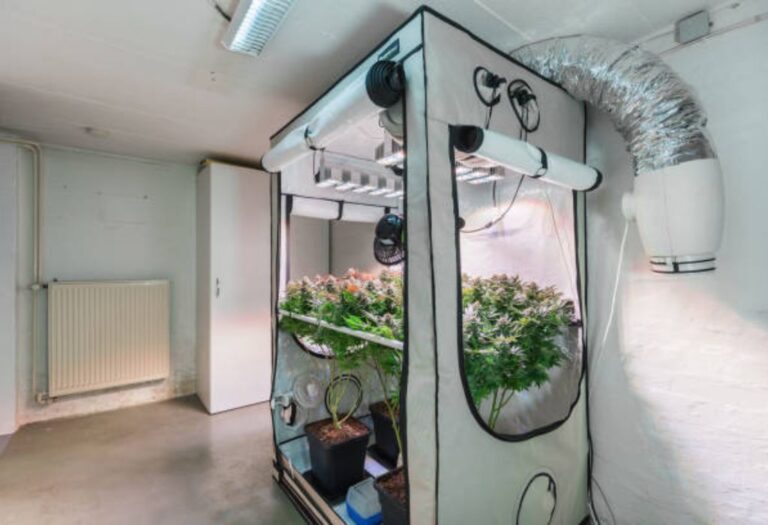
Negative pressure in a grow tent is all about controlling the airflow. Think of it like a gentle vacuum that pulls air into the tent from the outside. This is a very common setup. The goal is to keep odors, heat, and humidity inside, where you want them. The right setup helps eliminate light leaks. Proper negative pressure is key for healthy plants. It also prevents smells from escaping and keeps pests away.
Many growers find this a little baffling, especially when starting. They struggle with the right fan size, exhaust fan placement, and maintaining the right balance. But with the right information, it’s actually quite manageable. Negative pressure is an essential part of indoor gardening, contributing to the health and productivity of your plants. This section is all about getting you up to speed.
The Basics of Grow Tent Ventilation
Ventilation is the breathing system for your grow tent, providing fresh air and removing stale air. It is very simple: You need an intake and an exhaust. The intake brings in fresh, clean air from outside the tent. The exhaust, on the other hand, removes old air that contains heat, humidity, and odors. This is critical because plants need fresh air to perform photosynthesis, the process by which they convert light into energy. Without it, growth can be stunted, and the environment can become unhealthy for your plants.
-
- Air Exchange Rate: This refers to how often all the air in your tent is replaced. Think of it like how often you would open a window in a room. It is usually measured in air changes per hour (ACH). A typical rate might be 20 to 60 ACH, depending on your setup.
The correct air exchange rate helps maintain optimal levels of carbon dioxide (CO2), which plants need for photosynthesis, and removes excess humidity. You want to strike a balance to allow for healthy growth without wasting energy or creating other issues.
-
- Intake Fans vs. Passive Intake: Intake fans actively pull air into your tent. However, passive intakes, which are typically just open vents covered with a filter, rely on the negative pressure created by the exhaust fan to draw air in. They are simpler but less controllable.
If you’re using an intake fan, make sure it has a lower CFM (cubic feet per minute) rating than your exhaust fan. This will create the negative pressure. Passive intakes are common, but the best approach depends on your tent size, the climate, and your goals.
-
- Exhaust Fans and Carbon Filters: Exhaust fans remove air from the tent. They also play a role in creating the negative pressure. Carbon filters are often used with exhaust fans to remove odors.
It’s important to choose the right-sized fan for your tent. Using a carbon filter will ensure that odors are controlled. Exhaust fans will pull air, and carbon filters trap unwanted particles, creating a controlled environment.
Understanding the Importance of Airflow
Airflow impacts every aspect of your plants’ well-being. Good airflow helps plants thrive. Without sufficient airflow, problems will arise. Air circulation helps regulate temperature, prevents mold and mildew, and ensures that plants have access to the carbon dioxide they need. Stagnant air can create problems such as disease.
- Temperature Control: Airflow is essential for keeping the temperature in your tent at the ideal level. The exhaust fan removes hot air andTemperature fluctuations can cause stress in plants. Optimal temperature control improves their growth. Proper airflow helps distribute heat evenly and removes excess moisture, preventing the environment from becoming too warm or humid.
- Humidity Management: Ventilation helps control humidity levels, which is crucial for preventing mold and mildew. High humidity can cause many plant issues. Airflow removes excess moisture, creating a less favorable environment for these problems.
- Maintaining the right humidity levels prevents fungal diseases. It is very important for the health of your plants. Proper airflow prevents condensation from forming on leaves and other surfaces, which will further minimize these problems.
- Odor Control: Using carbon filters with exhaust fans is a common way to control odors. These filters remove smells from the air before it’s exhausted, keeping your setup discreet.
- Carbon filters absorb and trap odor-causing molecules, ensuring that the air leaving the tent is clean and free of unwanted smells. This is a common practice for indoor growers. This helps maintain a comfortable and pleasant environment.
Setting Up Your Grow Tent for Negative Pressure

Achieving negative pressure involves a few simple steps. You will need an exhaust fan, intake vents, and ideally, a carbon filter. You can also use other equipment to improve conditions. Correct setup will result in an environment where air flows in the correct direction. This section will guide you through all the necessary steps to set up your grow tent.
Achieving this kind of pressure involves careful planning and making sure that the components you choose are compatible and suitable. Start with the right equipment, choose the right location, and make sure that you are ready. Once everything is assembled, you will be able to control your tent’s environment.
Choosing the Right Equipment
The right equipment is important for this setup. You will need to choose the appropriate fan and filters. A few key items will help you get started. Also, the size of your tent plays a critical role in your equipment selection. Choose components that will work well in the space you have.
-
- Exhaust Fan: The exhaust fan is the heart of your ventilation system. It removes air from the tent. Size your fan based on your tent’s volume. A common calculation is to determine the CFM required based on the tent’s dimensions.
Choose an exhaust fan that is powerful enough to create negative pressure. It must also have sufficient airflow to
-
- Carbon Filter: Carbon filters are essential for odor control. They attach to your exhaust fan and remove unwanted smells. Select a filter that has a CFM rating similar to your fan.
A good carbon filter will absorb odor-causing molecules. These filters use activated carbon, which has a very high surface area. This will provide maximum odor control and keep your growing operations private.
-
- Intake Vents: Intake vents bring fresh air into the tent. These can be passive or active. Passive vents are simply holes that allow air to enter. Active vents use a fan to push air in.
If using passive intakes, ensure they’re adequately sized. If using an active intake, choose a fan with a lower CFM rating than your exhaust fan. This ensures that the negative pressure is maintained and that airflow is constant.
Step-by-Step Setup Guide
Setting up your grow tent can be a satisfying experience. It takes a little preparation. This step-by-step guide is designed to make the process easier. Following these steps will help you create the right environment. This will help you get ready for a successful grow.
-
- Assemble the Tent: First, set up your grow tent according to the manufacturer’s instructions. Make sure it is correctly assembled and that all the zippers and seams are secure.
Ensure the tent is in a location with easy access to power and ventilation outlets. A solid base is very important. This also helps with the organization of all your gear.
-
- Install the Exhaust Fan and Carbon Filter: Attach the carbon filter to your exhaust fan, and then mount this assembly inside your tent, ideally near the top. Ensure a tight seal between the filter and fan.
Position the fan and filter to allow for efficient airflow. You may want to consider using ducting to direct the exhausted air outside your grow space. This is a common practice.
-
- Set Up Intake Vents: If your tent has passive intake vents, ensure they are open and unobstructed. For active intakes, install the intake fan near the bottom of the tent.
Make sure the intake vents are positioned to promote good air circulation within the tent. You will want to create an even distribution of fresh air for your plants. Proper airflow is essential.
-
- Connect Ducting: Attach ducting to the exhaust fan and direct it to the outside of your growing area, or to a location where exhausted air can be safely released.
Use duct tape or clamps to make sure all connections are secure and airtight. This will help maintain negative pressure. Check for leaks along the ducting path.
-
- Power Up and Test: Plug in your exhaust fan and intake fan, if applicable, and observe the airflow. Feel for air being drawn in through the intake vents and out through the exhaust.
Make sure there are no light leaks or air leaks. Check for any escaping odors. Make sure your tent is operating at a constant, steady pressure.
Troubleshooting Common Grow Tent Issues
Sometimes, things go wrong. Even with the best preparation, you might encounter issues. The good news is that these problems are usually solvable. If you face any issues, you should remain calm. This section provides solutions to many common problems. It will help you get back on track.
By learning how to troubleshoot and resolve these issues, you will be in a better position to maintain a healthy growing environment. Be ready to observe, identify the cause, and then take corrective action. Many problems are linked to minor setup adjustments.
Addressing Airflow Problems
Airflow problems are a common challenge for growers. These problems can be resolved with careful adjustments. Several factors can cause issues with airflow. You want to make sure the air in your tent is circulating properly.
-
- Weak Negative Pressure: If the tent isn’t drawing air in properly, your exhaust fan may be undersized, or you might have leaks. Check for leaks around zippers and vents. Consider using a stronger fan.
Look for any gaps or loose connections that are allowing air to escape. Check if your fan’s CFM rating is appropriate for your tent’s size. You might need to adjust the fan speed.
-
- Excessive Humidity: High humidity is often a sign of insufficient airflow. This happens when the exhaust fan is not removing enough moisture. You might need a larger exhaust fan.
Make sure your intake vents are open and that there is adequate air exchange. Consider adding a dehumidifier if humidity remains a persistent problem. Reducing humidity will prevent mold.
-
- Temperature Fluctuations: If the temperature in your tent is unstable, you might need to improve your ventilation. Consider adjusting the fan speed. Airflow is very important here.
Make sure there are no obstructions blocking the air intake or exhaust. Position your lights strategically to prevent hot spots. Stable temperatures will benefit your plants.
Identifying and Eliminating Odor Problems
Odor control is a very important part of managing a grow tent. Unwanted smells can arise. The good news is that most odor issues can be resolved with effective troubleshooting. The following steps should help with this kind of issue. Remember, you can usually solve these problems with a few adjustments.
-
- Carbon Filter Issues: If you notice odors, your carbon filter might be saturated or not properly sized. Replace your carbon filter if it’s old, or check to make sure it is the correct size for your setup.
Carbon filters have a limited lifespan. It is usually determined by the number of hours they are in use. Check your filter’s manufacturer recommendations. Proper maintenance will help you prevent any smells.
-
- Air Leaks: Air leaks can allow odors to escape. Look for any gaps around zippers, vents, and ducting connections. Repair any leaks you can find.
Seal any air leaks with tape. Regular inspections will help prevent problems. You must maintain the integrity of your tent to control unwanted smells. This will eliminate escapes.
-
- Plant-Related Smells: Certain plants produce potent odors. Make sure you are using a carbon filter and the correct fan size. It may also mean that you need to make other adjustments.
Consider the type of plants you are growing. If you are growing a plant known for its smell, you must choose the right equipment. Proper ventilation will help you control the odors that are produced.
Frequently Asked Questions
Question: How do I measure negative pressure in my grow tent?
Answer: Negative pressure is not directly measured. You can test it by closing all the tent openings and observing if the tent walls slightly collapse inward. You can also feel for air being drawn in through intake vents when the exhaust fan is running.
Question: What’s the best fan for my grow tent?
Answer: The best fan depends on your tent size and the equipment inside it. A good starting point is to calculate the tent’s volume and then use a fan with a CFM rating that allows for several air exchanges per hour. Also, consider the use of filters and ducting.
Question: How do I calculate the right CFM for my exhaust fan?
Answer: Multiply the tent’s length, width, and height (in feet) to find its volume. Then, multiply the volume by the desired air changes per hour (ACH). For example, a 4x4x6.5 ft tent has a volume of 104 cubic feet. If you want 30 ACH, you’d need a fan rated for at least 312 CFM (104 x 3).
Question: Can I use a fan speed controller to manage airflow?
Answer: Yes, fan speed controllers are helpful for adjusting airflow to suit your specific needs and environmental conditions. This can help to optimize both temperature and humidity. These controllers help prevent over- or under-ventilation.
Question: What should I do if my carbon filter isn’t working?
Answer: First, check the age of your filter. Replace it if it’s nearing the end of its lifespan. Ensure the filter is correctly sized for your fan and that there are no gaps around the connections. Make sure that you are using it in a tent. Also, check to make sure the fan speed is correct.
Final Thoughts
Mastering grow tent negative pressure might seem like a complex task at first, but with the right steps and equipment, it becomes manageable. Think of your grow tent as a small ecosystem. It requires the right balance. By understanding the basics of ventilation, choosing the correct equipment, and following a step-by-step setup, you can create the perfect atmosphere for your plants. Remember to address any airflow or odor issues quickly.
When you encounter problems, stay patient, observe, and test. Now, gather your supplies and get started. Soon, you will be growing happy, healthy plants in your own well-ventilated space. Remember, growing plants should be fun and rewarding. With a little practice, you can have a tent that provides an ideal environment.