How to Put a Strinf in a Weeder Like a Pro in Minutes
A neatly trimmed lawn can quickly turn into a frustrating task when the weeder line runs out or jams. Homeowners often find themselves stuck mid-job, unsure how to reload the string or why their trimmer no longer cuts properly.
What seems like a simple process becomes a trial of patience, with tangled lines, uneven tails, and broken spools slowing down the work.
The truth is that most of these problems come down to one thing: improper line replacement. Many people don’t know the right diameter, winding direction, or locking method for their trimmer head.
As a result, the line either fails to advance, breaks too easily, or causes unnecessary vibration. Studies in tool maintenance reveal that a large share of service calls for trimmers are directly related to incorrect string installation rather than hardware defects [source].
Before You Start — Safety, Compatibility, and Tools
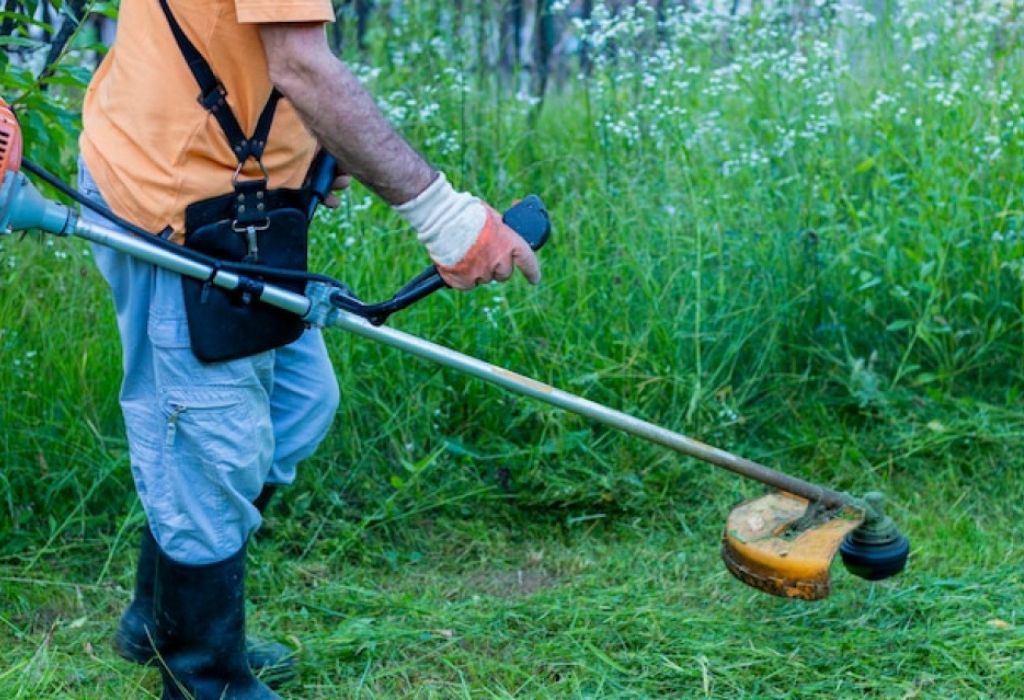
Before inserting a new strinf, preparation is essential. A trimmer may look harmless, but sharp edges and fast-spinning parts can be dangerous if handled carelessly. Always begin by removing the power source.
For cordless models, take out the battery; for corded models, unplug from the socket. This step prevents accidental startups and keeps your hands safe while you work around the spool and cap.
Safety equipment is equally important. Gloves protect against cuts from nylon edges or sharp metal parts inside the head. Protective glasses keep dust and grass fragments from reaching your eyes. A simple brush or rag helps clean debris from the spool housing, ensuring a smooth reload.
Equally critical is compatibility. Weed eaters are designed for specific line diameters, usually ranging from 0.065-inch for light trimming to 0.080-inch or thicker for heavy-duty work.
Using a line that is too thick can stress the motor and prevent proper feeding, while a thinner line will snap quickly. Check your user manual or spool cover for recommended sizes before cutting the replacement string.
Finally, gather the right tools. A pair of sharp scissors or garden shears is useful for cutting bulk line.
If your trimmer uses a universal head or reel-easy spool, make sure you have a compatible replacement cartridge on hand. Preparing everything in advance ensures that the reload process goes smoothly without interruptions.
Step-by-Step — How to Put a Strinf in a Weeder
Replacing a strinf in a weeder follows a simple sequence, but missing one step often leads to jams or uneven cuts. This is the proven, universal process for most string trimmers.
Power Down and Open the Head
Always begin with safety. Once the trimmer is off and stable, flip it over so the head is facing up. Most weeder heads have a cap that secures the spool in place.
Depending on the design, you either press the side tabs or twist the cap in the direction of the arrows. Once unlocked, lift the cap off and set it aside. Remove any leftover pieces of line from the spool and clear out dirt or grass buildup.
Prepare the Spool and String
Inspect the spool for cracks or worn edges. A damaged spool will not hold the line evenly, leading to tangles.
Cut a length of new line—usually between 10 and 15 feet depending on your trimmer’s capacity. Straighten the string to remove curls or bends. Some spools have a center anchor notch where you can insert one end of the line to hold it in place.
Wind the Line Evenly
The most important step is winding. Every spool is marked with arrows that indicate the correct direction—usually clockwise but not always. Begin winding the line tightly and evenly across the spool.
Avoid overlapping or crossing coils, as this creates pressure points that cause the line to jam. Keep a steady tension and distribute the coils in layers until only about 6 to 8 inches remain. If your spool has holding slots, secure the ends there temporarily.
Insert the Line and Secure the Cap
Guide the two loose ends through the eyelets or feed holes on the trimmer head. Carefully place the loaded spool back into the housing, making sure it sits flush and aligned.
Replace the cap by pressing it down until the tabs click or twisting it back into the locked position. Check that the cap is secure; a loose fit will cause the spool to pop out during use.
Adjust and Test
Pull the string ends to confirm they are equal in length. Once the battery or power cord is reconnected, power up the trimmer briefly. Excess length will be trimmed automatically by the blade on the guard.
For bump-feed models, tap the head lightly against the ground to release more line and confirm smooth feeding. If the line does not advance, recheck the winding direction and spool alignment.
Reloading Shortcuts for Modern Weeder Heads
While the traditional spool-and-wind method works, many newer trimmers offer simplified systems. Ryobi’s Reel-Easy+ head, for example, allows you to thread the line straight through the spool without removing the cap, then wind by simply twisting the knob. This design reduces reloading time to under a minute.
Other universal attachments use pivoting fixed-line systems, where pre-cut segments are inserted directly into the head instead of winding a full spool.
These are faster to replace but may not be as economical as bulk line. Choosing the right system depends on how often you use the trimmer and whether you prioritize speed or cost savings.
For those with large yards or frequent trimming needs, upgrading to a quick-feed head can dramatically reduce downtime. Always check your model’s compatibility before switching to an alternative head system.
Troubleshooting Common Issues
Even when the strinf is installed correctly, problems can occur during trimming. Understanding the causes will help you fix issues quickly without starting over.
The most frequent complaint is string not feeding. This typically results from winding the line in the wrong direction or crossing the coils. It can also happen if dirt clogs the eyelets. To fix it, open the head, clean it thoroughly, and rewind according to the arrows.
Another common issue is frequent snapping. This happens when the line diameter is too small for tough weeds or when the nylon has aged and become brittle. Striking hard edges such as fences or concrete can also cause breakage. Using the recommended diameter and storing the line away from sunlight and heat can reduce snapping.
Uneven tails are another source of frustration. If one side is much shorter than the other, the trimmer vibrates excessively and cuts poorly.
This usually means the spool wasn’t seated properly or the ends weren’t equal when the cap was replaced. Rebalancing the line by re-threading the spool resolves the issue.
Pro Tips for Longer Life and Cleaner Cuts
Installing the strinf correctly is only part of the process. Proper care and technique will extend the life of both your string and the trimmer itself.
First, always use the recommended line diameter. Smaller sizes may be tempting because they are cheaper, but they wear out quickly.
Larger diameters may not fit or could stress the motor. Manufacturers test their equipment for optimal performance at specific diameters, so following the manual ensures balanced operation.
Second, consider the type of line. Round line is sufficient for light trimming, but twisted or serrated line cuts through thicker weeds more effectively and lasts longer. For heavy-duty trimming, upgrading to a tougher line can reduce reload frequency.
Third, adopt the right cutting technique. Avoid pressing the head directly against hard surfaces. Instead, let the string’s tip do the work. High RPM is useful in thick grass, but when edging near concrete, slow down slightly to preserve the line.
Finally, store unused line properly. Nylon absorbs moisture and becomes brittle if left in heat or direct sunlight. Keeping spare line sealed in a plastic bag in a cool, dry place preserves its flexibility and durability.
When to Upgrade or Replace the Head

Sometimes the problem isn’t the string—it’s the head itself. If the cap no longer locks properly, the tabs are worn, or the spool has cracks, it may be time for replacement. Replacement heads are affordable and can restore smooth feeding immediately.
For frequent users, investing in a speed-reload head like Reel-Easy+ can save considerable time.
These systems allow direct line threading without removing the cap and are designed to eliminate tangling. Other universal systems accept pre-cut segments that slot into the eyelets, avoiding the winding process altogether.
The decision to upgrade depends on your trimming habits. If you reload often and value convenience, a speed-reload head is a worthwhile investment. If you only trim occasionally, the standard spool system may be sufficient.
Why Proper String Installation Matters
Learning how to put a strinf in a weeder is more than just a maintenance task—it directly affects performance, safety, and cost. A poorly wound string causes vibration, uneven cuts, and frequent stoppages. It can also wear down the bump-feed mechanism and strain the motor.
On the other hand, correct installation ensures smooth feeding, balanced operation, and efficient cutting.
Tool experts note that proper line replacement and regular cleaning can extend the lifespan of outdoor power equipment by more than 30% [source]. For homeowners, that translates to fewer replacements, lower costs, and a more reliable machine.
The difference becomes clear when trimming large areas. With a properly loaded spool, you can work continuously without stopping to fix jams or replace snapped line. This efficiency not only saves time but also produces a cleaner, more professional finish on the lawn.
Conclusion
Reloading a trimmer doesn’t have to be a source of frustration. By following the correct sequence—powering off, cleaning the housing, winding according to the arrows, and securing the cap—you can master how to put a strinf in a weeder quickly and confidently.
Attention to detail makes all the difference. Using the right diameter, winding evenly, and testing the feed before starting ensures consistent performance.
Pairing these steps with good habits—like proper storage and careful cutting—will reduce the number of reloads and keep your trimmer running smoothly.
The next time your line runs out, you won’t waste time wrestling with tangles or broken spools. Instead, you’ll reload efficiently, cut cleaner, and enjoy the satisfaction of a perfectly maintained lawn.

I’m Maya L. Greenwood, a lifelong plant lover who believes anyone can grow something beautiful with the right guidance. After years of testing soil mixes, pruning methods, irrigation tricks, and pest-safe solutions, I started EasyGardenTips.com to turn hard-won lessons into step-by-step advice. From seed starting and container gardens to composting and seasonal checklists, my goal is to make gardening simple, sustainable, and fun.