How to Use a Fiskars Weeder and Remove Weeds Easily
Every lawn or garden faces the same challenge: weeds that seem to appear overnight and return no matter how many times they are pulled. Dandelions, thistles, and plantain thrive in lawns because their roots grow deep and strong, making them difficult to eliminate completely.
Many homeowners turn to chemical sprays to kill weeds quickly, but chemicals rarely solve the problem at its root. In most cases, the weeds grow back stronger, while the soil and nearby plants are exposed to harmful substances.
The smarter approach is to use a tool that targets the root system directly. Learning how to use a Fiskars weeder is one of the most effective ways to remove stubborn weeds completely and protect your lawn without bending, kneeling, or spraying toxins.
The Fiskars stand-up weeder has become a favorite because it combines ergonomic design with practical efficiency. Its serrated claws grip weeds at the base, while the foot pedal and lever action pull them out in one clean motion.
According to reviews and independent testing, this tool consistently outperforms other methods. More than 80% of users report fewer recurring weeds within the first season of using a Fiskars weeder compared to herbicides (source).
What Is a Fiskars Weeder and Why It Matters

The Fiskars weeder is a stand-up garden tool designed specifically for pulling weeds from the ground by their roots. Unlike traditional hand tools, it allows you to work while standing, reducing back and knee strain.
At the base of the tool are serrated stainless-steel claws that grip the weed’s crown and root. A reinforced foot pedal helps drive the claws deep into the soil, while the long handle gives leverage to lift the entire root system.
An easy-eject mechanism lets you drop the weed directly into a bucket or bag without touching it. This combination of features makes it highly effective against taproot weeds like dandelions that usually survive surface pulling.
Weeds matter because they compete with grass and plants for water, nutrients, and sunlight. If left unchecked, they spread quickly, damaging lawns and beds while creating an untidy appearance.
The Fiskars weeder solves the problem at the source by extracting the full root system, preventing regrowth and reducing the need for repeated chemical treatments.
Key Features of the Fiskars Weeder
Different Fiskars weeders share the same basic design but may vary in length, claw shape, and additional features. All versions are designed to make weeding easier, faster, and more comfortable.
The most common model features four serrated stainless-steel claws. These claws dig into the soil around the root, holding firmly so the plant cannot slip away. The design works well for thick taproots and fibrous root clumps.
A reinforced foot platform provides stability and ensures the claws can penetrate even compact soil. This reduces the force needed from your hands and arms, making the tool easier to use for long periods.
The easy-eject mechanism is another highlight. With one push of the handle, the weed is released directly into a bin. This feature saves time and keeps your hands clean throughout the process.
Some models include an offset handle or padded grip for added wrist comfort. Others feature a viewing window on the foot pedal to help align the claws directly over the weed’s crown.
Each feature serves the same goal: removing weeds more efficiently while protecting the user’s body from strain.
Step-by-Step: How to Use a Fiskars Weeder
Using a Fiskars weeder is simple, but following the right technique ensures better results. Proper use prevents weeds from breaking and makes the task quicker and more satisfying.
Start by identifying the weeds you want to remove. Place the weeder’s claws directly over the center of the weed’s crown, ensuring alignment for a clean pull.
Step down firmly on the foot pedal to drive the claws into the soil. The claws should fully surround the root system and reach beneath the crown.
Tilt the handle back slightly to use leverage against the soil. This motion lifts the entire plant, roots and all, in one steady movement.
Pull the tool upward and position it over a collection bin or bag. Use the easy-eject mechanism to release the weed without touching it.
Continue working systematically across your lawn or garden. By following a grid pattern, you ensure that no weeds are missed and the entire area is cleared.
After removing all weeds, fill any holes with soil and lightly water to help grass recover quickly.
Ergonomics and Safety Benefits
One of the biggest advantages of the Fiskars weeder is its ergonomic design. Unlike traditional methods that require kneeling or bending, the stand-up tool keeps you upright.
This reduces strain on the back, knees, and wrists, making it suitable for people of all ages, including those with arthritis or joint issues. The padded or offset handle also minimizes wrist fatigue during long weeding sessions.
Safety is equally important. The long handle keeps your hands away from sharp thorns or prickly weeds. Gloves are still recommended, but the risk of injury is significantly reduced.
Eye protection may be useful in rocky soil where small debris can fly during ejection. Wearing closed shoes and stable footing ensures safe leverage while stepping on the pedal.
The combination of comfort and safety makes the Fiskars weeder one of the most user-friendly tools for home gardeners.
Common Mistakes and How to Avoid Them
Even with a high-quality tool, poor technique can reduce effectiveness. One common mistake is failing to push the claws deep enough into the soil. This often results in weeds breaking at the stem while roots remain underground.
Another error is trying to use the tool in hard, dry soil. Compacted soil makes penetration difficult and increases the chance of roots snapping. For best results, weed after a light rain or watering when the soil is moist.
Some users also damage pavers or edging stones by levering against hard surfaces instead of soil. Always center the claws over the weed and apply leverage smoothly.
Leaving holes unfilled is another oversight. Empty cavities encourage new weed seeds to germinate and weaken the lawn’s density.
By avoiding these mistakes, you ensure that each session with the Fiskars weeder delivers clean, lasting results.
Best Situations for Using a Fiskars Weeder

The Fiskars weeder excels in lawns where dandelions, thistles, and plantain thrive. These weeds often resist hand-pulling because their deep taproots break easily.
It also works well in mulched garden beds for larger clumps like crabgrass or invasive perennials. The claws grip beneath the mulch and lift the entire root mass cleanly.
For borders and pathways, the tool provides quick spot removal without disturbing nearby plants. Its precision ensures you target only the weeds you want gone.
The best time to weed is during early growth stages before plants go to seed. Moist soil makes the process smoother, and young weeds come out more easily.
Whether you are maintaining a small lawn or tackling a larger garden, the Fiskars weeder adapts to different surfaces and weed types.
Using a Fiskars Weeder vs. Chemical Herbicides
Many gardeners are moving away from chemical herbicides due to concerns about health, pets, and the environment. Chemicals may kill visible foliage but often leave roots untouched.
By contrast, the Fiskars weeder provides immediate, visible results without toxins. Removing the root system reduces the chance of regrowth and eliminates the need for repeated chemical applications.
This approach is especially valuable in family yards or pet-friendly spaces where safety is a priority. It also prevents chemical runoff into waterways, making it a more sustainable choice.
While some extremely persistent weeds may require additional measures, most lawns see dramatic improvement with consistent use of the Fiskars weeder alone.
Speed and Efficiency Tips
Weeding a large lawn can feel overwhelming, but small adjustments make the process faster. Working in a grid pattern ensures no spots are missed and reduces the need to backtrack.
Keep a collection bin or cart nearby to save time carrying weeds to disposal. Dropping them directly with the eject mechanism keeps the process clean and efficient.
Choose times when the soil is moist for easier penetration. Early morning or after rainfall are ideal conditions for pulling whole roots.
Take short breaks during longer sessions to stay comfortable. By maintaining steady rhythm and good posture, you cover more ground with less fatigue.
Efficiency is not about rushing but about working smarter with the tool’s design.
Caring for Your Lawn After Weeding
Removing weeds leaves small holes in the soil that should be filled to protect your lawn’s health. Brush soil back into the cavity or add fresh topsoil if needed.
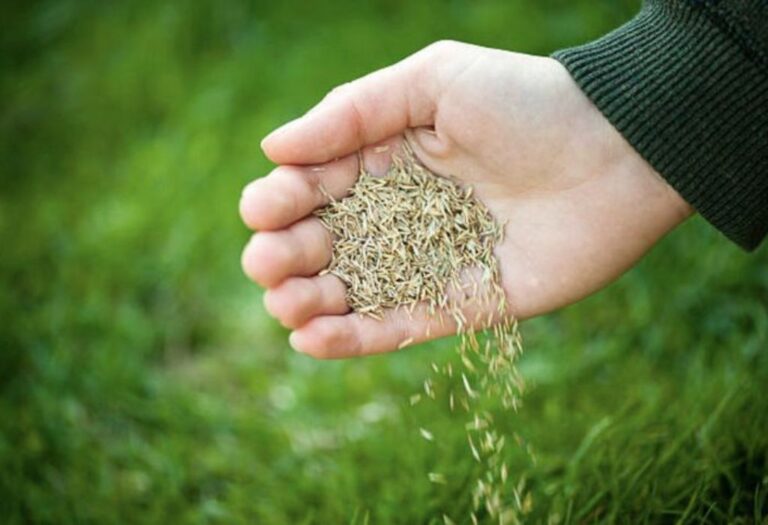
Overseeding thin spots after weeding prevents new weeds from taking hold. Grass fills gaps quickly and improves overall turf density.
Water lightly after overseeding to encourage germination and recovery. A balanced fertilizer may also help strengthen grass and reduce weed competition.
By combining weed removal with lawn care, you create a healthier environment that naturally resists future weed growth.
Maintenance and Storage of the Fiskars Weeder
Like any garden tool, the Fiskars weeder performs best with regular maintenance. After each use, rinse soil off the claws and dry them thoroughly to prevent rust.
Store the tool in a dry place such as a shed or garage. Hanging it on a wall keeps it off the ground and reduces wear on the claws.
Check screws and moving parts occasionally to ensure they remain secure. If the eject mechanism feels stiff, a quick rinse to remove grit usually solves the issue.
With proper care, a Fiskars weeder lasts for years and continues to perform like new.
Buying Considerations and Model Selection

When choosing a Fiskars weeder, consider factors such as handle length, claw design, and weight. A length that matches your height ensures comfort and reduces strain.
Four-claw models generally offer better grip for tough taproots. Lightweight designs are easier for extended use, while heavier builds may provide more stability.
Retailers often highlight features like stainless steel claws, reinforced pedals, and ergonomic grips. Reading product descriptions and reviews helps match the tool to your specific lawn needs.
Investing in the right model ensures maximum benefit and long-term satisfaction.
Building a Weed-Free Future
Weeding is not a one-time task but an ongoing process. A consistent routine with the Fiskars weeder prevents weeds from spreading and reduces workload over time.
Combine manual removal with healthy lawn practices such as proper mowing height, soil care, and seasonal overseeding. Dense turf naturally crowds out weeds and minimizes invasion.
Treat weeding as part of overall lawn maintenance rather than a separate chore. This approach creates lasting results and preserves the beauty of your outdoor spaces.
Conclusion
Weeds may seem relentless, but the right tool changes everything. Mastering how to use a Fiskars weeder provides a chemical-free solution that removes roots completely while protecting your body from strain.
From its serrated claws to its easy-eject mechanism, every detail of the Fiskars weeder is designed to make lawn care easier. Paired with good lawn practices, it creates long-term results that keep your yard looking clean and healthy.
With consistent use, you’ll spend less time battling weeds and more time enjoying a lush, thriving lawn. The Fiskars weeder is more than a tool—it’s a simple, sustainable way to win the fight against weeds once and for all.

I’m Maya L. Greenwood, a lifelong plant lover who believes anyone can grow something beautiful with the right guidance. After years of testing soil mixes, pruning methods, irrigation tricks, and pest-safe solutions, I started EasyGardenTips.com to turn hard-won lessons into step-by-step advice. From seed starting and container gardens to composting and seasonal checklists, my goal is to make gardening simple, sustainable, and fun.