String Trimmer: Reasons for Poor Cutting and Simple Fixes
If you’re finding your string trimmer cutting poorly, you’re not alone! It’s a common problem for anyone who’s new to yard work. There are a few simple reasons why this happens, and luckily, it’s often easy to fix. The good news is you don’t need to be a pro to get your trimmer back in shape. We’ll explore the main causes of poor cutting performance and show you how to solve them step-by-step. Get ready to have your yard looking its best!
Common Causes for a String Trimmer’s Poor Performance
When your string trimmer isn’t performing well, it can be frustrating. Many things can lead to a trimmer struggling to cut effectively. Issues range from something as simple as using old string, to problems with the engine or the way you’re using the tool. By exploring the common causes, you can better diagnose what’s happening and figure out the solution. Let’s explore some of the most frequent reasons why your string trimmer might be cutting poorly.
String Issues and Their Impact
The type and condition of the trimmer string are critical for good cutting. If the string is old, the material might become brittle or get damaged from storage and repeated use. Using the wrong type of string can also lead to ineffective cutting. For example, some strings are better suited for light trimming, while others are designed for tougher weeds and grass. Another thing to consider is the thickness of the string. Thinner strings wear out faster. Thicker strings can provide a more powerful cut, but they might need a more powerful motor to work. Regular checks are a must.
- String Age and Degradation: Over time, trimmer string degrades. Exposure to sunlight, heat, and moisture can make it brittle. As a result, the string breaks easily. This means you have to stop often to advance more string, slowing you down.
- Incorrect String Type: Using the wrong type of string can seriously affect your trimmer’s performance. For instance, using a round string on thick weeds can make it hard to cut. Some strings are made for edging, while others are best for general trimming. Choosing the right one is essential for clean cuts.
- String Thickness and Motor Compatibility: The thickness of the string affects the cutting power. A thicker string offers more cutting force but needs a stronger motor. If you use too thick a string with a weaker motor, the trimmer might struggle and lose power.
- String Storage and Care: How you store your trimmer string matters. Keep it in a cool, dry place away from direct sunlight. This helps preserve the string’s quality. Storing the string improperly can cause it to become tangled or damaged.
Head and Spool Problems
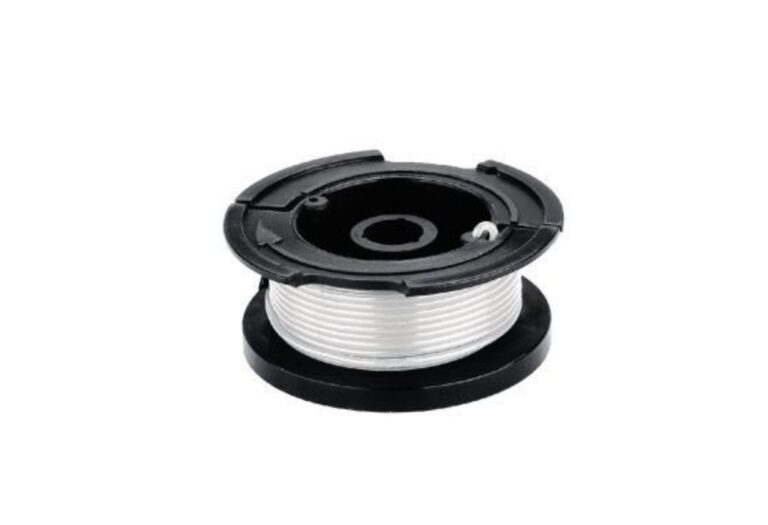
The trimmer head and spool play a big part in how well your trimmer cuts. The head contains the string, and the spool holds the string in place. If the head is damaged, the string might not feed correctly. Problems with the spool, such as string getting tangled, can stop the string from advancing. A worn or damaged head can also affect the string’s cutting ability, leading to poor cuts or uneven trimming. Regular inspection and care of these parts are important to maintain good trimmer performance.
- Damaged Trimmer Head: The trimmer head’s condition matters. If it’s cracked, worn, or broken, it might not feed the string properly. A damaged head can also cause the string to break more easily or cut unevenly.
- String Tangling Inside the Spool: The string can easily get tangled inside the spool. This prevents the string from feeding out. Tangling can happen if you don’t wind the string neatly or if you advance too much string at once.
- Spool Wear and Tear: Over time, the spool can wear down. This wear can lead to issues with how the string moves. A worn spool might not hold the string tightly, or it could cause friction, making it harder for the string to feed.
- String Advancement Issues: If the string doesn’t advance, it can ruin the cutting job. Problems with the automatic feed mechanism, like a clogged opening, can also keep the string from coming out, so you have to stop every few minutes.
Engine and Power-Related Issues
The engine or motor provides the power your trimmer needs to cut. Engine problems, such as a clogged air filter or a damaged spark plug, can reduce its power. This affects the trimmer’s ability to spin the string at the right speed. In electric trimmers, a weak battery or problems with the power cord can also limit the power available. When the engine or motor doesn’t provide enough force, the string trimmer cutting poorly becomes a common problem. Ensuring the engine or motor receives proper maintenance is key for peak performance.
- Clogged Air Filter: A clogged air filter restricts airflow to the engine. This makes the engine run poorly, with a noticeable power decrease. This will stop the string from spinning fast enough for an efficient cut. Regularly clean or replace the air filter.
- Spark Plug Problems: A faulty spark plug can cause the engine to misfire or run unevenly. This can stop the motor from giving enough power to spin the string effectively. Inspect and replace the spark plug as needed.
- Battery Issues (for Battery-Powered Trimmers): If you use a battery-powered trimmer, a weak or drained battery will significantly reduce the motor’s power. It can’t spin the string at the needed speed. Make sure your battery is fully charged before you start.
- Fuel Issues (for Gas-Powered Trimmers): Old or bad fuel can make a gas trimmer run poorly. This reduces the engine’s power output, which directly impacts the string’s cutting ability. Drain and replace old fuel.
Ways to Fix a String Trimmer Cutting Poorly

Fixing a string trimmer that’s cutting poorly doesn’t have to be hard. A few simple steps can often solve the problem. First, check the string. Then look at the head, the engine, and how you’re using the trimmer. Understanding these key areas allows you to make quick adjustments and improvements. Let’s see some simple ways to get your trimmer back in shape and cutting well.
String Replacement and Types
One of the easiest fixes is changing the trimmer string. String that’s old or the wrong type can cause cutting problems. Replacing the string regularly helps to keep your trimmer working well. Also, consider the thickness and shape of the string based on what you need to cut. This will improve the cutting ability. Knowing how to change the string and selecting the right kind are essential steps in keeping your yard looking neat.
- Replacing the String: Start by turning off and unplugging your trimmer, if it’s electric, or ensuring the engine is off and cool, for a gas trimmer. Open the trimmer head and remove the old string. Thread new string through the spool according to the manufacturer’s instructions. Make sure the string is wound evenly to avoid tangling.
- Choosing the Right String Type: For light trimming of grass and small weeds, a round string works well. For tougher jobs, like thick weeds or grass, try a twisted or square string. These offer a more aggressive cutting edge. Consider your needs and the type of material you’re cutting.
- String Thickness Guide: Thicker string is great for heavy-duty jobs but requires a more powerful motor. Thinner string suits lighter work and uses less power. Pick the correct thickness based on your trimmer’s capabilities and what you need to cut. If you go too thick on a light-duty trimmer, the trimmer will bog down, and the string trimmer cutting poorly will become a common theme.
- String Care and Storage: Keep your extra trimmer string in a cool, dry place, away from sunlight. This helps it last longer and perform better when you need it. Storing your string correctly helps prevent issues that can affect its cutting effectiveness.
Inspecting and Maintaining the Trimmer Head
The trimmer head requires regular checking to keep it in good condition. Look for wear and tear, and make sure the string advances properly. Cleaning the head and removing any debris ensures that the string can move freely. If the head has any damage, like cracks or missing parts, it’s best to replace it. A well-maintained trimmer head ensures efficient cutting and prevents unnecessary string breaks or tangles. Checking the head is an easy way to help avoid problems.
- Inspecting for Damage: Carefully check the trimmer head for any cracks, breaks, or missing pieces. Damage can hinder the string from feeding smoothly, which means the string trimmer cutting poorly will happen. Replace the head if you see any significant damage to ensure it works correctly.
- Cleaning the Trimmer Head: Remove any grass clippings or debris that have accumulated around the head. A build-up can block the string from feeding out. Use a brush or compressed air to clean it thoroughly. A clean head allows the string to move freely.
- String Feed Mechanism: Make sure the string feeds out easily when you tap the head on the ground (for tap-feed trimmers). If the string doesn’t advance, check for obstructions inside the head. Clear any blockages to make sure the string advances correctly.
- Lubrication (If Applicable): Some trimmer heads have parts that need lubrication. Check your trimmer’s manual for instructions. Regular lubrication can reduce friction and make the string feed out better.
Engine and Power Unit Servicing
Keeping the engine or power unit in good shape is essential for proper cutting. For gas trimmers, regular maintenance, such as changing the oil and cleaning the air filter, is required. If your trimmer is electric, check the battery and charging system. Problems with the power source can mean the string trimmer cutting poorly, which makes the yard work harder. Proper maintenance will help keep your trimmer running efficiently and ready to cut.
- Cleaning or Replacing the Air Filter: A clean air filter is essential for the engine’s performance. Remove the air filter and clean or replace it, based on the manufacturer’s instructions. A clean filter lets the engine breathe properly, which boosts power output.
- Checking and Replacing the Spark Plug (Gas Trimmers): A bad spark plug can affect engine performance. Remove the spark plug and examine it for damage or wear. Replace it if needed, following your trimmer’s manual. A working spark plug ensures the engine runs smoothly and delivers the power needed for good cutting.
- Battery Care and Maintenance (Electric Trimmers): For battery-powered trimmers, keep the battery charged and in good condition. Follow the manufacturer’s directions for charging and storage. Proper battery maintenance will keep the motor running well. If the motor is weak, the string trimmer cutting poorly will occur.
- Fuel System Maintenance (Gas Trimmers): Empty and replace old fuel. Old fuel breaks down and reduces engine power. If the fuel is old, drain it and add fresh fuel. This will help the engine start easily and run at full power, making it easier to cut.
Techniques and Best Practices for Optimal Cutting
Even with a well-maintained trimmer, using the correct techniques makes a big difference in how well it cuts. Correct operation ensures clean cuts and avoids unnecessary strain on the trimmer. From how you hold the trimmer to the cutting angle, small adjustments in your technique can improve performance. With the right practices, you can maximize your trimmer’s effectiveness. Using the correct ways to cut will reduce the chances of the string trimmer cutting poorly.
Holding and Positioning the Trimmer
The way you hold and position your trimmer affects the cut quality. Stand with a good posture and move the trimmer at a comfortable angle. Keeping the head parallel to the ground ensures an even cut. Proper body positioning also reduces fatigue. A correct setup enables more effective trimming, making the whole process easier.
- Proper Stance: Stand with your feet shoulder-width apart, with one foot slightly in front of the other. This stance provides stability and makes it easier to control the trimmer. Keep your back straight to avoid strain.
- Holding the Trimmer: Hold the trimmer with both hands, one on the handle and the other on the support handle (if available). Maintain a firm grip, but don’t hold on too tight. This allows you to control the trimmer easily while preventing hand fatigue.
- Angle of the Trimmer Head: Keep the trimmer head parallel to the ground for an even cut. Tilting the head at an angle can cause uneven trimming. If you’re edging, you might need to tilt it slightly. The angle is key for proper trimming.
- Moving the Trimmer: Sweep the trimmer from side to side or in an arc motion, overlapping each pass slightly. This ensures you cut evenly. Don’t try to cut too much at once, as that can overload the trimmer.
Cutting Angles and Techniques
The way you move the trimmer and the angles you use play a big role in cutting results. Use the tip of the string to cut. The tip does the work and is more effective. Trimming in slow, steady passes provides better results than trying to cut too much at once. Varying your technique for different areas, such as edging and trimming around obstacles, helps you to work more efficiently. These practices make the trimming process smooth and produce better results.
- Using the Tip of the String: The tip of the string is the area that does most of the cutting. Avoid pushing the trimmer head too deep into the grass, as this can slow down the motor and make the string trimmer cutting poorly. This also reduces the risk of string breakage.
- Cutting in Passes: Instead of trying to cut everything in one pass, move the trimmer slowly and steadily, overlapping each pass by a few inches. This provides a more even cut and reduces strain on the motor.
- Edging Techniques: For edging, tilt the trimmer head at an angle and use the string to trim along the edges of sidewalks or driveways. The correct angle gives you clean lines. Be careful to avoid damaging the trimmer head or the surface you are edging.
- Trimming Around Obstacles: When cutting around trees, posts, and other obstacles, move the trimmer slowly and cautiously. You don’t want to hit anything. Use short, controlled movements to trim closely. Take care to cut evenly.
Avoiding Common Cutting Mistakes
Avoiding common mistakes improves cutting efficiency and prevents damage to your trimmer or the yard. Overloading the trimmer by trying to cut too much at once can lead to issues. Letting the string get too short will cause problems. Ignoring safety rules can lead to harm. By avoiding these common mistakes, you can use your trimmer more safely and effectively. Staying aware helps you to avoid many common problems.
- Overloading the Trimmer: Avoid trying to cut too much grass or weeds at once. This can bog down the motor and make the string trimmer cutting poorly. Make several light passes instead of trying to clear everything in one go.
- Letting the String Get Too Short: Always keep enough string extended for the trimmer to cut effectively. If the string is too short, the trimmer won’t cut well. You’ll need to stop often to advance the string.
- Ignoring Safety Precautions: Always wear eye protection and sturdy shoes. Don’t trim near rocks or other hard objects that could damage the string or the trimmer. Clearing the area of debris before you begin trimming can prevent accidents.
- Using the Wrong Technique: Adjusting your technique for different types of grass or terrain is essential. Some grasses need a slower speed, while others need a slightly angled approach. The string trimmer cutting poorly can happen if the wrong technique is applied.
String Trimmer Cutting Poorly: Troubleshooting Guide
When the string trimmer cutting poorly, it’s helpful to have a clear guide to finding the issue. Use this troubleshooting guide to identify and fix the most common problems. Start with basic checks like the string and then move on to other potential issues. This can help you identify and correct problems quickly. Here’s a quick guide to help you find the source of the problem and get back to work.
String and Feed Issues
Start by checking the string and how it feeds out of the head. Issues here are very common. Make sure the string is the right type and that it’s in good shape. See if it’s advancing correctly. Inspecting the string and the head can quickly reveal problems. Many cutting issues can be fixed by addressing string and feed-related problems.
-
- String Not Advancing: If the string isn’t coming out, first make sure there is still string on the spool. Check for tangles or blockages inside the spool. Also, examine the feed mechanism. Clean any debris that stops the string from advancing.
For instance, a homeowner had trouble with their trimmer, and the string wouldn’t advance. After taking the head apart, they found grass clippings blocking the feed mechanism. Removing the debris quickly resolved the issue, and the trimmer was back to work.
-
- String Breaking Frequently: If the string breaks often, check its quality and type. It might be old, brittle, or the wrong kind for the job. Also, inspect the trimmer head for damage. Replace the string if it is worn.
A user reported their trimmer string consistently broke when trimming along a concrete edge. After switching to a trimmer string with a more durable construction, they stopped having breakage issues, and trimming became more productive.
-
- Uneven Cuts: If the cuts are uneven, check that the string is feeding out evenly. Make sure the trimmer head is parallel to the ground during cutting. Use a string appropriate for the grass height and density.
A homeowner noticed their string trimmer cutting poorly with the cuts being uneven after they refilled the spool. After re-winding the string more evenly and correctly, they restored even cuts.
Engine or Motor Problems
If the string and feed mechanisms are working, look at the engine or motor. Problems here can cause the trimmer to lose power, which makes it harder to cut. Gas trimmers may have fuel or spark plug issues. Electric trimmers could have battery or motor problems. Look at these parts if the string trimmer cutting poorly is still a problem.
-
- Engine Not Starting (Gas Trimmers): If the engine won’t start, check the fuel level, the spark plug, and the air filter. Make sure the fuel is fresh and that the spark plug is clean and functioning. Clean or replace the air filter.
A homeowner tried to start their gas trimmer but could not get it going. After changing the spark plug and adding fresh fuel, the trimmer started immediately and ran as it should.
-
- Engine Running Rough (Gas Trimmers): A rough-running engine suggests issues with the fuel, spark plug, or air filter. Clean or replace the air filter and check the spark plug for damage. Add fuel stabilizer to fresh fuel.
A gas trimmer was running rough and losing power after sitting for a couple of months. The owner added fuel stabilizer and replaced the spark plug. The trimmer then ran smoothly and delivered power.
-
- Motor Not Running (Electric Trimmers): If the motor won’t run, check the power source, the battery, or the cord. Make sure the battery is charged, or the cord is plugged in. Check the motor for any signs of damage.
An electric trimmer stopped working. The owner found that the battery was dead. After charging the battery fully, the trimmer worked fine, and they could trim the yard with ease.
Cutting Performance Issues
Consider the cutting abilities. Things like dull string or improper use can result in a trimmer that doesn’t cut well. This is what you must check when you are troubleshooting. These steps will help you resolve the root of the problem and enhance the effectiveness of your trimming.
-
- Loss of Power: If the trimmer has lost power, check the fuel level (gas trimmers), battery charge (electric trimmers), and the air filter. Make sure you use the right string type and thickness.
A gardener noticed a decrease in their gas trimmer’s power while trimming thick weeds. After cleaning the air filter, the engine ran at full power, and the trimmer cut the weeds easily.
-
- Ineffective Cutting on Weeds: If the trimmer struggles to cut through weeds, use the right type and thickness of string. Make sure the engine is running at full power. Slow your cutting pace and cut in multiple passes.
A user had trouble cutting through thick weeds with their string trimmer. They switched to a twisted trimmer string, and it made the cutting much easier. They then had no issues with the string trimmer cutting poorly.
-
- Trimmer Bouncing or Jerking: If the trimmer bounces or jerks while you are using it, check the string for damage. Make sure the head is in good condition, and that the engine or motor is running smoothly. Use a steady cutting speed.
A homeowner found their trimmer bouncing and jerking as they were trimming. They found that the string had a large crack. After replacing the string, the trimmer ran smoothly, and they finished the yard work without problems.
Frequently Asked Questions
Question: Why does my string trimmer break the string so often?
Answer: Common reasons for string breakage include using old or brittle string, the wrong string type, or running the trimmer head too close to hard surfaces like concrete. Make sure you’re using the right kind of string for your job. Inspect your trimmer head for any damage.
Question: How often should I replace the string on my trimmer?
Answer: It depends on how often you use it and the type of material you are trimming. Check the string before each use, and replace it when it becomes brittle, worn, or breaks frequently. This can prevent the string trimmer cutting poorly.
Question: What’s the best way to store trimmer string?
Answer: Store your trimmer string in a cool, dry place away from direct sunlight and heat. This helps keep the string from becoming brittle and breaking prematurely. This will also help to prevent the string trimmer cutting poorly.
Question: Why isn’t my trimmer cutting evenly?
Answer: Uneven cutting can be due to a few things. Make sure you are holding the trimmer head parallel to the ground. Ensure the string is feeding out evenly and that the cutting length is correct. Check the string is cutting with the tip.
Question: What should I do if my gas trimmer won’t start?
Answer: Check the fuel level and make sure the fuel is fresh. Inspect the spark plug for damage or fouling. Clean or replace the air filter. Follow the startup instructions in your trimmer’s manual.
Final Thoughts
So, you’ve discovered the main reasons for a string trimmer cutting poorly, and how to fix them. From using the right type of string and keeping the head clean, to making sure your engine or motor is running efficiently, there are many simple things you can do to keep your yard looking its best. With these tips, you’re now ready to address common issues and ensure your trimmer performs well. You don’t need to be a yard work expert to solve problems. Use these steps, and take the time to inspect and maintain your trimmer. By following these suggestions, you’ll be well on your way to a neatly trimmed lawn.