Why String Trimmer Motor Overheating Is Happening and How to Fix It
Figuring out why string trimmer motor overheating can be tricky, especially if you’re new to yard work. Don’t worry, it’s a common problem, and it doesn’t mean you’re doing anything wrong! These trimmers work hard, and sometimes they get a little too hot. We’re going to break down the most common reasons this happens and give you a simple, step-by-step solution to keep your trimmer running smoothly. Next, we will explore some important tips and tricks to ensure your string trimmer stays in top shape.
Common Causes for a String Trimmer’s Overheating
A string trimmer’s motor can overheat for many reasons. Problems can range from something as simple as using it for too long at a time to more complex mechanical issues. A basic grasp of these problems will make it easier to pinpoint the source of the heat and determine the proper course of action. Keeping your trimmer from getting too hot protects its internal components. This protects it from lasting damage, allowing you to get the job done more efficiently and avoid expensive repairs. Understanding these core causes is the first step in keeping your string trimmer in good shape. It will also help keep you safe while you work.
Overuse and Extended Operation
One of the most frequent reasons a string trimmer overheats is simply running it for too long without breaks. These motors aren’t built to run continuously. They need time to cool down. When you use a trimmer for an extended time, the motor works harder and generates more heat. The lack of air circulation around the motor makes things even worse. It’s like running a marathon without water breaks – the machine will start to struggle.
-
- Continuous operation: String trimmers are typically meant for shorter periods of use. Using them non-stop, without breaks, leads to overheating.
String trimmers are not made for endless operation. They are built for periodic use. Running your trimmer continuously forces the motor to work harder than needed. This increases heat generation. There’s no time for cooling. The components start to break down.
-
- Lack of Cooling Breaks: Without breaks, the motor can’t dissipate heat, which causes it to build up inside the motor.
Giving your string trimmer breaks allows the motor to cool down and prevents overheating. When you use your trimmer for a long time, it is vital to take a break. The cooling helps the motor and prolongs the lifespan of your machine.
-
- High Ambient Temperatures: If you’re working in extreme heat, the motor has a harder time staying cool.
The air temperature significantly affects how quickly your trimmer overheats. Working when it’s hot outside causes the motor to run hotter. This can lead to overheating. If you must use your trimmer on a hot day, consider working in the early morning or late evening. Or you can take frequent breaks.
Obstructions and Resistance
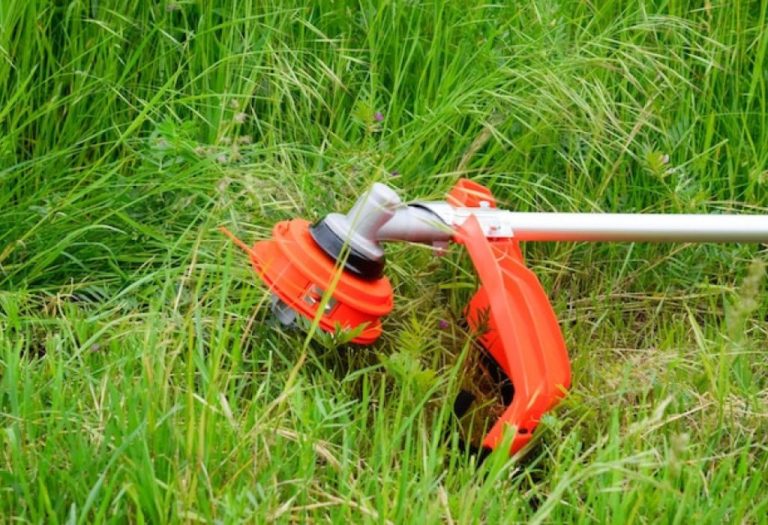
Another common cause is the obstruction of the trimmer head or excessive resistance. This can be caused by thick weeds, tall grass, or any objects that the trimmer’s head encounters while cutting. If the head can’t spin freely, the motor has to work harder. This increases the internal temperature. When this happens, the motor needs to work harder to overcome the resistance. This creates more heat. The motor is at a risk of burning out. Regular clearing of obstructions and adjusting your cutting habits will make the job easier for the motor.
-
- Thick Vegetation: Dense grass and thick weeds put extra strain on the motor.
Cutting through dense grass and thick weeds causes the motor to work harder. The motor’s workload increases. The motor generates more heat. The trimmer is likely to overheat. When working in areas of thick vegetation, it’s best to cut in small passes.
-
- Head Obstructions: Tangled line, rocks, or other objects can block the trimmer head.
Objects like rocks and other debris in the trimmer head will cause the motor to overwork, leading to overheating. Make sure that the trimming head is free of debris. Always inspect your trimming area before you begin. That helps reduce the strain on the motor.
-
- Cutting Too Much at Once: Trying to cut too much grass or weeds in one pass can overload the motor.
Cutting too much at once forces the motor to work harder. This leads to overheating. When dealing with overgrown areas, trim in small passes. Adjust the height of the cutting head. This reduces the motor’s workload.
Mechanical Issues Leading to Overheating

Mechanical problems can be a major source of overheating in string trimmers. These issues might be a bit more complex. They involve the inner workings of the motor itself or the components that support its operation. These problems often require specific attention. Ignoring these can lead to more severe damage. Regularly checking and maintaining your trimmer is important. This includes checking the air vents to ensure that the motor gets sufficient airflow.
-
- Dirty or Blocked Air Vents: A blocked vent prevents the motor from cooling properly.
The air vents are crucial for cooling the motor. They allow the heat to dissipate. Check to be sure these vents are clean and clear of grass, dirt, and debris. This will help the motor stay cooler. If the vents are dirty, use compressed air to clean them.
-
- Worn or Damaged Components: Internal issues like worn bearings can increase friction and heat.
The motor and its internal components need regular inspection. Worn or damaged parts increase friction inside the motor. This leads to more heat and potential failure. You can check for signs of wear and tear, and replace these parts as needed.
-
- Incorrect Line Size or Type: Using the wrong size or type of string can create extra load on the motor.
Different trimmers need different string types and sizes. Using the incorrect string may increase the load on the motor. Check your trimmer’s manual to find the right string type and size. Using the proper string ensures the motor works at its designed capacity.
Ways to Prevent the String Trimmer Motor Overheating
Preventing your string trimmer from overheating is easier than you think. There are several steps you can take. These steps include adjusting your use, maintaining the trimmer, and being mindful of the conditions. By following these steps, you can extend the life of your trimmer and reduce the chances of encountering overheating issues. It’s all about working smart, not hard, to keep your equipment running smoothly.
Proper Usage and Work Habits
The way you use your string trimmer makes a big difference in preventing overheating. This covers how long you run it and how you approach the trimming tasks. Changing the way you use the machine can significantly affect its temperature. Doing so can also prolong the tool’s life.
-
- Take Regular Breaks: Give the motor time to cool down.
Taking regular breaks is one of the easiest ways to prevent overheating. Even short breaks of five to ten minutes allow the motor to cool off. Avoid continuous use.
-
- Avoid Overworking: Don’t push the trimmer beyond its limits.
Trying to cut too much grass or weeds in one pass can cause the motor to work too hard. Trim in small passes. Overworking the trimmer will cause it to overheat.
-
- Work in Cooler Conditions: Trim during the cooler parts of the day.
The temperature can affect the trimmer’s performance. Working when it’s hot outside causes the motor to run hotter. If you must use your trimmer on a hot day, try to work in the morning or late evening. Or take more frequent breaks.
Essential Maintenance and Cleaning
Consistent maintenance is key to keeping your string trimmer in good shape. Regular checks and cleanings can prevent a lot of problems, including overheating. These maintenance steps are not difficult and will save you time and money. They will also improve the trimmer’s lifespan.
-
- Keep the Air Vents Clean: Regularly check and clear the air vents.
Clean air vents are important for cooling the motor. Dirt, grass, and debris can block the vents. Use compressed air to remove any blockages. Doing so helps to keep the motor cool.
-
- Inspect and Replace the String: Use the right size and type of string and change it when needed.
Check the trimmer’s manual for the correct string size and type. Always replace damaged or old string, which can cause the motor to work harder. Keeping your string fresh helps reduce strain on the motor.
-
- Check the Motor and Components: Look for any signs of wear or damage.
Regularly inspect the motor and other components. Check for wear and tear. Listen for any strange noises. If you find any issues, get the trimmer repaired or replace the damaged parts. This will prevent more damage. It can also prevent overheating.
Tips for Efficient Cutting and Safety
Effective cutting techniques and safety are important. Working smart not only prevents overheating but also increases your overall efficiency and safety. Combining the correct techniques with safety precautions gives you a better experience.
-
- Use the Right Cutting Technique: Sweep side to side, don’t force the trimmer.
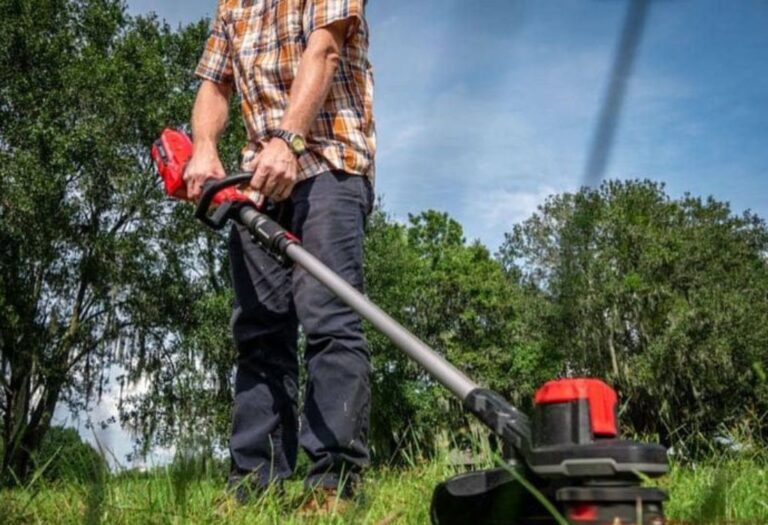
Avoid forcing the trimmer into thick vegetation. Instead, use a sweeping motion. This method reduces the strain on the motor. This can also help you cut the grass more effectively.
-
- Clear Obstacles: Remove rocks, sticks, and other debris.
Before you start trimming, clear any obstacles from the area. Debris can cause the trimmer head to jam. This can cause the motor to work harder. Clearing the area keeps your trimmer running smoother.
-
- Wear Safety Gear: Use eye protection, gloves, and sturdy shoes.
Safety gear is very important. Always use eye protection and gloves. Wear sturdy shoes to protect yourself from flying debris. Safe practices protect you while you work.
Further Analysis of Why String Trimmer Motor Overheating
Digging deeper into the causes and solutions for string trimmer overheating offers a more complete view of how these machines operate. You’ll learn the key factors that can impact the motor’s performance. You will also be better equipped to keep your equipment in top shape. Understanding the internal processes and external forces is key to successful operation.
The Role of the Motor and Internal Heat Generation
The motor is at the heart of any string trimmer. It’s what transforms electrical energy into the rotational force needed to spin the trimmer head. Understanding how this process generates heat is important. It also helps you understand why overheating happens.
-
- How Electric Motors Generate Heat: The core mechanics behind this issue.
Electric motors work by passing an electric current through coils of wire. The current creates a magnetic field. This field then interacts with magnets to produce the rotation. This movement generates heat. The faster the motor spins and the more resistance it faces, the more heat is produced. This is a normal part of the process, but the heat needs to be managed.
-
- Components That Contribute to Heat: Understanding which parts are the main culprits.
Several internal components contribute to heat generation. The stator, rotor, and windings are the main parts. Friction within the bearings is another source. The efficiency of these components affects the heat generated by the motor. Over time, these components can wear down. This increases friction and heat. That’s why regular maintenance and inspections are important.
-
- Impact of Voltage and Current: How electricity influences motor temperature.
The voltage and current supplied to the motor directly affect how much heat is produced. A higher current usually means more power. This also means more heat generated. That is why it’s important to match the trimmer to the correct power source. You should also ensure the trimmer is not overloaded.
Environmental Factors Affecting Overheating
External elements play a large role in how quickly your trimmer overheats. Conditions like air temperature and humidity can either help or make the problem worse. Knowing how the environment affects your equipment helps you make better decisions about when and how to work.
-
- Air Temperature and Its Effects: Heat’s impact on a trimmer.
Higher air temperatures make it harder for the motor to cool down. The motor may overheat quickly on hot days. Working in cooler conditions, like early mornings or evenings, can reduce overheating. Planning your work around the weather will make a big difference.
-
- Humidity and Its Influence: The role of moisture.
High humidity can reduce the efficiency of the motor. It affects the motor’s ability to cool itself. The moisture affects the performance of the electrical components. Working in humid conditions can increase the risk of overheating. Regular maintenance is especially important when you work in humid conditions.
-
- Altitude and Its Impact: How elevation plays a part.
At high altitudes, the air is thinner. It reduces the motor’s cooling capability. The motor may generate more heat. If you work at higher elevations, keep this in mind. It may require shorter operating times or more frequent breaks.
Troubleshooting and Advanced Solutions
You can solve many common overheating issues with simple fixes. If the problem persists, more advanced troubleshooting steps may be needed. From checking the internal components to using a different model, the approach varies based on the underlying issue. These steps help you deal with more serious problems. They ensure your trimmer stays efficient and safe.
-
- Initial Troubleshooting Steps: Basic diagnostics before anything else.
When your trimmer overheats, start by checking the basics. Check the air vents. Check the string for damage. Confirm the trimmer is not being used in extreme conditions. Take a break. Let the machine cool down before you start. These steps can often resolve the issue.
-
- Checking Internal Components: What to examine if basic checks fail.
If basic checks don’t work, more detailed troubleshooting is needed. Check the motor windings for damage. Examine the bearings for excessive wear. Make sure the brushes (if applicable) are in good condition. These actions may require some technical knowledge. Consulting a professional may be the safest route.
-
- Advanced Solutions and Repairs: Going beyond simple fixes.
When basic methods don’t solve the problem, you may need a more advanced approach. This could mean replacing the motor. You might also need to replace worn components. Ensure you choose the right replacement parts. This is a good time to consider professional repairs.
Frequently Asked Questions
Question: Why does my string trimmer stop working after a while?
Answer: It’s likely overheating. The motor gets too hot and shuts down automatically to prevent damage. Let it cool down and try again after a break.
Question: Can I use my string trimmer in the rain?
Answer: No, it’s not safe. Water can damage the motor. Electrical components are not waterproof, which can also cause a shock.
Question: How often should I replace the string?
Answer: Replace the string when it breaks or becomes too short. Using fresh string makes cutting easier and helps the motor.
Question: How can I clean the air vents on my string trimmer?
Answer: Use compressed air to blow out any grass or debris blocking the vents. Doing this helps the motor cool down.
Question: What’s the best way to cut thick grass to avoid overheating?
Answer: Cut in stages. Lower the cutting head and make several passes. Avoid trying to cut too much at once.
Final Thoughts
When your string trimmer gets too hot, it’s often a sign that something needs a little attention. From using it too long to not taking care of it properly, several things can cause the motor to overheat. However, by knowing the common problems, you’re now one step closer to preventing this issue from occurring. Always remember to take breaks. Regular maintenance is essential. Knowing your tools and how they work will help you in your yard work and keep your machine in great condition. Don’t let a hot motor slow you down! With these simple steps, your yard can be tidy, and your trimmer will last longer.