How Big Should a Lawn Roller Be for Your Green Space?
Figuring out how big should a lawn roller be can feel tricky, especially if you’re just starting with lawn care. You might see all sorts of sizes and wonder which one is right for you. Don’t worry, it’s simpler than you think! This guide will help you choose the perfect size, step by step, so you can get the best results for your lawn. We’ll explore the main factors that affect your choice, so you can make an informed decision and get your yard looking its best.
Choosing the Right Lawn Roller Size
Selecting the right lawn roller size depends on a few different things. You have to think about the size of your yard, what you want to achieve (like leveling or seed contact), and how much effort you’re willing to put in. A small yard probably doesn’t need a huge roller, while a large area might require something bigger to get the job done efficiently. The weight capacity of the roller is also important. This section will help you determine the perfect dimensions for your lawn care needs.
Assessing Your Lawn’s Size
The most important part of selecting a lawn roller is determining how big your yard is. Measure the area to be rolled to determine the square footage. Smaller yards (under 5,000 square feet) can often get by with a smaller, more maneuverable roller. Larger lawns (over 10,000 square feet) will benefit from a wider roller to reduce the number of passes needed, saving time and energy. Consider the shape of your lawn too, as a more irregular shape might require a smaller roller for better maneuverability around obstacles. Make sure you also measure the width of your gates and any access points to make sure the roller will fit.
- Small Yards (Under 5,000 sq ft): A smaller, lighter roller (24-36 inches wide) is usually sufficient. These are easier to handle and store. Consider the accessibility to your lawn, as a wider roller might not fit through narrower gates.
- Medium Yards (5,000 – 10,000 sq ft): A mid-sized roller (36-48 inches wide) provides a good balance between coverage and manageability. You might want to consider the terrain. If you have any steep inclines, smaller sizes are easier to use.
- Large Yards (Over 10,000 sq ft): A larger roller (48 inches or wider) will cover more ground, reducing the time spent rolling. This will also give you more flexibility.
- Maneuverability: Think about how many obstacles your lawn has. A smaller roller might be better for tighter spaces or yards with lots of flower beds, trees, and other features.
Knowing your lawn’s dimensions helps determine the size roller needed to prevent inefficient and time-consuming passes over your yard. This helps you select a roller that is easy to manage while still covering enough ground to ensure effective results, saving you both time and energy during the process.
Considering the Roller’s Weight
The weight of the lawn roller is a key factor, as it determines how effectively the soil is compacted. The heavier the roller, the more pressure it applies to the ground. However, you need to balance this with the type of soil you have. Heavy rollers are great for firming up loose soil or leveling uneven surfaces, but they could compact the soil too much, especially on clay soil. Light rollers are better for seed contact, or lightly firming up the soil without over-compacting it. The weight of a roller is usually determined by how much water or sand you can add to it, if it is a fillable model.
- Soil Type: Sandy soils typically require a heavier roller than clay soils. Clay soil can easily become compacted, leading to poor drainage and grass growth.
- Purpose: If your goal is to level an area, a heavier roller is useful. If you’re seeding, you might want something lighter to ensure good seed-to-soil contact without excessive compaction.
- Adjustability: Some rollers allow you to adjust the weight by adding or removing water or sand. This gives you more control.
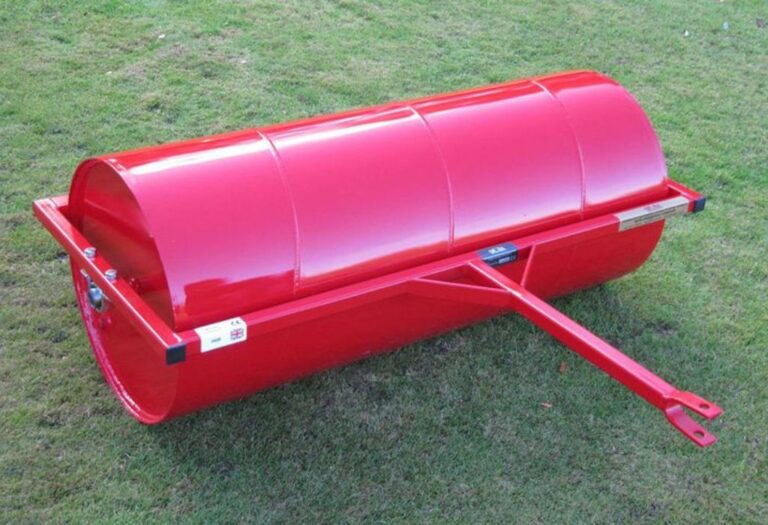
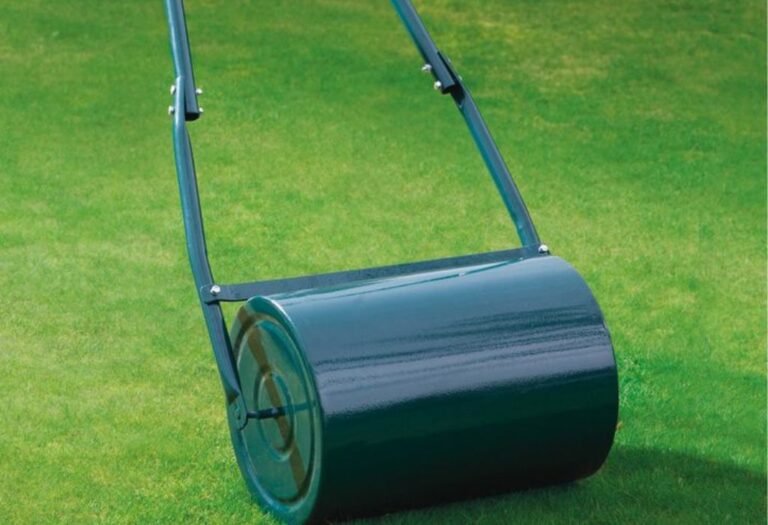
- Manual vs. Tow-Behind: Manual rollers have a fixed weight and depend on your physical strength. Tow-behind rollers, which are often heavier, are pulled by a lawn tractor and are more useful for larger areas.
Choosing the correct weight for your lawn roller is very important. Too much weight can compact your soil, and too little won’t provide the desired results. Understanding your soil type and what you want to achieve with the roller helps you select the correct weight, and get the job done right, keeping your lawn healthy and beautiful.
Types of Lawn Rollers
Lawn rollers come in various types, each with its advantages. From manual push rollers to larger tow-behind models, the type you choose affects the size you need. Manual rollers are perfect for smaller lawns and are easy to maneuver, but require more physical effort. Tow-behind rollers are attached to a lawn tractor and are great for larger areas. They often have adjustable weight features, offering more flexibility.
- Push Rollers: These are the most common type for homeowners with smaller lawns. They are usually less expensive and easier to store. Their size is usually smaller than tow-behind rollers, making them ideal for more precise work.
- Tow-Behind Rollers: These rollers attach to your lawn tractor or riding mower. They cover more ground, and are useful for larger areas. Many models allow you to adjust the weight.
- Water-Filled Rollers: These rollers can be filled with water to adjust their weight. They are useful for leveling uneven spots and compacting the soil. The size varies depending on the tank size.
- Sand-Filled Rollers: Like water-filled rollers, these rollers allow you to adjust the weight. Sand provides a more consistent weight distribution and can be a good choice for certain soil types.
By assessing your lawn’s size and needs, you can easily determine the right type of lawn roller. Think about how much area you need to cover and how much effort you’re willing to expend. Deciding which type of roller is best for you will streamline the selection process and help you select the ideal size for your specific lawn.
Using a Lawn Roller Safely and Effectively

Once you’ve chosen your lawn roller, knowing how to use it safely and effectively is crucial. This helps you get the best results while preventing damage to your lawn or yourself. It’s also crucial to know what conditions are ideal for rolling. Avoid rolling when the soil is too wet, as this will lead to compaction. Rolling at the correct time of year, depending on your goals (seeding, leveling, etc.), is also important.
Preparing Your Lawn for Rolling
Before using the lawn roller, there are some steps you should take. Start by mowing your lawn. This helps you to see the ground and any uneven areas better. Remove any debris, such as rocks, sticks, and branches. These can get in the way of the roller and might damage your lawn or the roller. You might also want to spot-treat any weeds with a herbicide before rolling. This prevents them from being pressed into the soil and spreading. Ensure the soil is moist but not saturated. Overly wet soil compacts too much, while dry soil won’t compact properly.
- Mow Your Lawn: A freshly mowed lawn is easier to roll and lets you see any uneven spots.
- Remove Debris: Clear away any rocks, sticks, or other objects that might get in the way.
- Check the Soil Moisture: The soil should be moist, but not soaking wet. Test by squeezing a handful of soil; it should hold its shape.
- Inspect for Pests: Look for any signs of pests that might damage your grass.
Proper preparation is key. Following these steps helps you get better results from rolling, prevent damage, and prepare your lawn for success. This ensures the roller will work as effectively as possible, smoothing the surface and providing a good base for healthy grass growth.
Rolling Techniques
The right technique will help you get the best results and avoid damaging your lawn. Overlapping passes are key. Try to overlap each pass by a few inches to ensure complete coverage and prevent stripes. Change directions on each pass. This helps even out any minor imperfections in the lawn. Avoid sharp turns. These can cause the roller to dig into the ground or damage the grass. When rolling around obstacles, reduce your speed and carefully guide the roller. If you’re using a tow-behind roller, take care to avoid sudden starts or stops. Rolling at the correct speed is also very important.
- Overlapping Passes: Make sure each pass overlaps the previous one by a few inches. This ensures that the entire lawn gets rolled evenly, preventing any gaps.
- Changing Directions: Change the direction of your rolling pass each time. This avoids creating tracks in your lawn and helps to smooth out any imperfections.
- Maintain a Steady Pace: Keep a consistent speed throughout the rolling process. This helps you maintain control and helps avoid any uneven compression.
- Avoiding Sharp Turns: Be cautious when turning, especially with a full roller. Sharp turns can damage your lawn.
Using the proper rolling techniques is critical. It ensures that the rolling process is as effective as possible. You’ll achieve a smooth, even surface and create optimal conditions for healthy grass growth. Taking the time to master these techniques guarantees a more beautiful, well-maintained lawn.
Addressing Common Problems
You may run into a few common issues while rolling your lawn. One issue is over-compaction, which is caused by using a roller that is too heavy, or rolling in wet soil. Over-compaction can lead to poor drainage and damaged grass. If you notice signs of over-compaction, stop rolling and let the soil dry out. Another issue is uneven rolling, which occurs if the soil is not level. You might need to make more passes, or consider adding topsoil. Make sure to keep the roller clean to ensure it will continue to work well.
- Over-Compaction: If your soil is becoming too compacted, reduce the weight of the roller or wait until the soil dries. Aerating the lawn can help correct over-compaction.
- Uneven Rolling: If you notice the lawn is still uneven, increase the overlapping of passes, or add topsoil to low areas.
- Roller Damage: Make sure you carefully inspect the roller. Avoid rolling over obstructions. If using a tow-behind model, check the tires and hitch.
- Soil Wetness: If the soil is too wet, it compacts and can damage the grass. Wait until the soil is more dry before rolling.
Being aware of common problems and knowing how to fix them will help you get the best results. It will prevent damage to your lawn and make the whole process easier. By addressing these issues, you will keep your lawn looking good.
Advanced Lawn Rolling Considerations
Beyond the basics, there are a few extra things to consider that can improve your lawn care. It is important to know when to roll your lawn. Certain times of the year are better than others. Learning about the soil type will also affect how you roll and what size roller you should use. Understanding the specific goals you have for your lawn (leveling, seeding, etc.) will also help.
Timing Your Lawn Rolling
When you roll your lawn is important for getting the best results. The ideal time to roll your lawn depends on your goals. For leveling, the best time to roll is in the spring or fall when the soil is moist and active growth is occurring. This is also a good time for seeding, as it helps seeds make contact with the soil. Avoid rolling during the summer, when the ground is dry, or when the grass is dormant. Rolling during these times can cause damage. The timing of rolling also depends on your region’s climate. Be aware of weather conditions and rolling times that are best for where you live.
- Spring Rolling: Spring is ideal for leveling and preparing the lawn for the growing season. It’s a great time to smooth out any bumps.
- Fall Rolling: The fall is another good time, especially for seed contact. Make sure your lawn is aerated before you seed.
- Avoid Summer: Rolling in the summer can cause damage to your grass. The grass may also be more dormant.
- Check Your Region: Timing may vary depending on your climate and growing season. Look into when the best time to roll is for your area.
Knowing when to roll your lawn maximizes the benefits of rolling and avoids potential damage to your grass. Planning your rolling sessions at the right time ensures your lawn is healthy and thriving. By considering climate, you can develop a rolling schedule that will lead to a beautiful, healthy lawn.
Soil Type and Its Effects
Your soil type greatly influences how you roll and what size roller you should use. Different soil types have different properties. Sandy soils drain well, but are more prone to compaction, so you may need a lighter touch or a heavier roller. Clay soils retain moisture and compact easily, so using a lighter roller and rolling only when the soil is slightly moist will ensure good results. Loam soils are ideal, with a balance of sand, silt, and clay. Always be careful to test your soil conditions before you start.
- Sandy Soil: Use a heavier roller to improve seed contact and level the surface. Don’t over-compact.
- Clay Soil: Use a lighter roller and only roll when the soil is slightly moist. Avoid rolling in wet conditions to prevent compaction.
- Loam Soil: Loam is an ideal mix, and you may use a roller of an average weight.
- Testing Your Soil: Before you roll, test the moisture content and make sure the soil is ready.
By understanding your soil type, you can use the most effective rolling techniques and roller size. This means the soil is compacted to the right degree. This will lead to a healthier lawn and reduce the likelihood of issues. Understanding your soil type is key to making the right lawn care decisions.
Specific Goals and Techniques
The goal of your rolling impacts how you roll your lawn. If your goal is leveling, use a heavier roller and make multiple passes. If your goal is seed contact, use a lighter roller to gently press the seeds into the soil. Consider how to combine rolling with other lawn care tasks, such as aeration and fertilization. This combined approach can increase the health and appearance of your lawn.
- Leveling: Use a heavier roller and make multiple passes in different directions.
- Seed Contact: Use a lighter roller to gently press seeds into the soil after seeding.
- Combined Efforts: Combine rolling with aeration and fertilization for the best results. Aeration helps to improve soil structure.
- Assess Your Lawn: Before you start, carefully look at your lawn. Decide what your specific goals are, and determine the techniques needed to get the results.
Your goals shape the process. This helps you to select the right equipment, techniques, and schedule to meet the needs of your lawn. Whether you are leveling, improving seed contact, or enhancing your overall lawn care routine, using these goals will help you to get the best results.
| Lawn Goal | Roller Type | Rolling Technique |
|---|---|---|
| Leveling Uneven Areas | Heavy, Water-Filled | Multiple passes, overlapping pattern, correct timing. |
| Improving Seed-to-Soil Contact | Light to Medium, Push or Tow-Behind | Gentle rolling after seeding, cross-pattern, moist soil. |
| General Lawn Maintenance | Variable, depending on soil | Assess soil, adjust pressure as needed, follow safety guidelines. |
Frequently Asked Questions
Question: How often should I roll my lawn?
Answer: It depends on your lawn’s needs. Generally, roll your lawn once or twice a year, during the spring or fall. Avoid rolling during the summer or when the ground is very wet.
Question: Can I roll my lawn after overseeding?
Answer: Yes, you can. Use a light roller to gently press the seeds into the soil, which helps improve seed-to-soil contact.
Question: What if my lawn has a lot of bumps?
Answer: For a very bumpy lawn, you might need a heavier roller and multiple passes. You may also need to add topsoil to fill in low spots. It may also need to be aerated.
Question: Can I use a lawn roller on a newly seeded lawn?
Answer: Yes, but with care. Use a light roller to gently press the seeds into the soil. Make sure the soil is not too wet, or you might damage the seeds or grass.
Question: Is there a weight limit for lawn rollers?
Answer: Most lawn rollers have weight limits, usually determined by how much water or sand you can add. Check the manufacturer’s instructions to ensure you don’t overload your roller, which could cause damage to the roller or the lawn.
Final Thoughts
Figuring out how big should a lawn roller be really depends on your lawn’s size, your soil type, and the results you want. Remember, a smaller yard might be happy with a push roller, while a larger space might require a tow-behind model. Always consider your soil type; heavier rollers work well on sandy soil, while lighter rollers are best for clay. By assessing your needs, preparing your lawn, and following these steps, you can roll your way to a beautiful and even lawn. Go ahead, choose the right roller and start enjoying a beautiful yard!