Are Pruning Shears Really Snips? Experts Explain
Many gardeners wonder if pruning shears are simply another type of snip or if they serve a distinct purpose. Using the wrong tool can damage plants, reduce cutting efficiency, and shorten the lifespan of the tool.
Misunderstanding the function of pruning shears can lead to inefficient pruning and frustration. Knowing the differences between shears and snips ensures safer cuts, healthier plants, and longer-lasting tools.
Pruning shears provide leverage, strong blades, and durability for thicker branches, while snips offer precision for delicate stems. Understanding when to use each tool improves garden productivity, reduces hand strain, and preserves plant health.
According to Garden Tool Reviews, nearly 38 percent of gardeners confuse pruning shears with standard snips, often leading to improper trimming. Another study by Horticulture Today found that proper tool selection increases trimming efficiency by up to 30 percent.
Understanding Pruning Shears and Snips

Pruning shears and snips are both cutting tools, but their design, purpose, and strength differ significantly. Knowing how each works helps gardeners select the right tool for the task and prevents damage to plants and the tool itself.
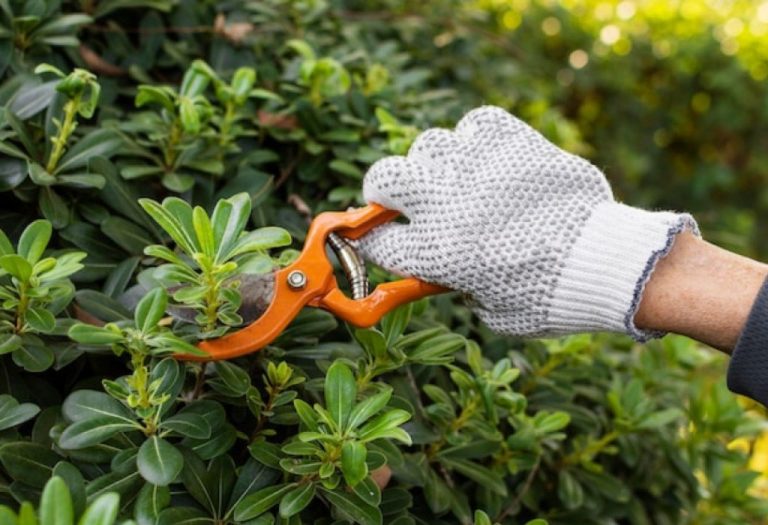
Pruning shears are specialized for cutting branches, stems, and small shrubs efficiently. They come in multiple types, including bypass, anvil, ratchet, and power-lever pruners, each designed to handle specific materials and cutting tasks.
Snips, by contrast, are lightweight cutting tools suited for thin stems, herbs, or delicate flowers. While precise, they lack the leverage and blade strength needed for woody or thicker branches.
Key components of pruning shears—blades, pivots, springs, and locking mechanisms—contribute to their strength and efficiency. Understanding these elements ensures proper handling, reduces wear, and allows gardeners to make clean, effective cuts safely.
Recognizing the differences between pruning shears and snips also informs proper maintenance. Regular inspection of blades, pivots, and locks prevents misalignment, rust, or wear, keeping the tools reliable for long-term use.
By understanding how these tools function, gardeners can achieve healthier plants, longer-lasting tools, and safer, more efficient pruning practices. Proper selection and care ensure optimal performance for every gardening task.
Common Uses of Pruning Shears and Snips
Pruning shears and snips serve distinct purposes in the garden, and knowing how to use each tool properly ensures plant health and cutting efficiency. Choosing the correct tool for each task makes pruning safer and more precise.
Pruning shears are ideal for trimming live branches, removing dead wood, and shaping shrubs. Their strong blades and leverage make them suitable for thicker stems and woody plants, allowing clean cuts that encourage healthy growth.
Snips are best for delicate tasks such as harvesting herbs, cutting flowers, or trimming thin stems. Their precision prevents crushing fragile plant material and maintains the integrity of smaller plants.
Pruning shears also help remove diseased or damaged plant parts. Clean, straight cuts prevent the spread of disease and stimulate new growth, maintaining overall plant health.
Both tools are useful for shaping hedges and maintaining garden aesthetics. While shears handle larger branches efficiently, snips allow fine detailing and precise trimming, complementing the pruning process.
Understanding these common uses allows gardeners to select the most appropriate tool for each task. Proper application enhances plant health, improves efficiency, and prolongs the lifespan of both pruning shears and snips.
Advantages and Disadvantages
Selecting the right tool depends on the type of plant, branch thickness, and desired precision. Understanding the benefits and limitations of pruning shears and snips ensures optimal performance in the garden.
Pruning shears provide strong, clean cuts on thick or woody branches. Their leverage reduces hand strain and allows for efficient trimming, making them versatile for a wide range of gardening tasks.
However, pruning shears are heavier than snips and require regular maintenance, including sharpening, lubrication, and inspection of pivots and springs. Neglecting care can reduce their cutting efficiency and lifespan.
Snips are lightweight, precise, and ideal for delicate stems and flowers. They are easy to handle, making them perfect for fine trimming and harvesting tasks.
The main limitation of snips is their lack of cutting power. They are unsuitable for thick or woody branches and can damage plants if forced beyond their capacity.
By weighing these advantages and disadvantages, gardeners can select the right tool for each task. Proper choice improves cutting efficiency, protects plants, and ensures longer-lasting, reliable tools.
Step-by-Step Guide to Using Pruning Shears

Using pruning shears correctly ensures clean cuts, promotes plant health, and prolongs the tool’s lifespan. Proper techniques reduce hand strain and make pruning safer and more efficient.
Start by preparing the shears and work area. Wear protective gloves and ensure the blades are clean, sharp, and lightly lubricated for smooth operation.
Select the appropriate pruning shears for the task. Bypass pruners are ideal for live branches, while anvil pruners are better suited for dead or woody stems.
Maintain the correct cutting angle to minimize stress on both the plant and the blades. Straight, precise cuts promote faster healing and healthier growth.
Avoid common mistakes, such as twisting the blades, forcing cuts on thick branches, or cutting at awkward angles. Proper handling preserves the pivot and locking mechanism, ensuring longer tool life.
After pruning, clean the blades to remove sap and debris, apply a light coat of oil, and store the shears in a dry, protected location. Consistent care ensures smooth operation and readiness for the next gardening task.
By following these steps, gardeners can use pruning shears safely, efficiently, and effectively, achieving healthier plants and longer-lasting tools.
Maintenance Tips for Long-Lasting Performance
Proper maintenance keeps pruning shears and snips effective, safe, and efficient. Regular care prevents wear, reduces damage, and extends the lifespan of the tools.
Clean the blades after each use to remove sap, dirt, and plant debris. Dry them thoroughly to prevent rust and ensure smooth operation of the pivot and locking mechanism.
Lubricate moving parts with light oil to maintain smooth blade movement. Avoid over-lubricating, as excess oil can attract dust and debris, causing additional friction.
Sharpen the blades regularly to maintain precise, clean cuts. Properly sharpened blades reduce hand strain and prevent damage to both the tool and the plant.
Check springs, pivots, and locks periodically to ensure proper tension and alignment. Replace worn or damaged components promptly to prevent further issues.
Store pruning shears and snips in a dry, covered location. Proper storage protects blades and locking mechanisms from moisture and physical damage.
Consistent maintenance ensures that pruning shears and snips remain reliable, easy to use, and safe. It also preserves their cutting performance for every gardening task.
Advanced Tips and Troubleshooting
Even well-maintained pruning shears and snips can experience issues that require troubleshooting. Addressing these problems promptly ensures safe, efficient cutting and prolongs tool lifespan.
Stuck or jammed blades are often caused by debris, sap buildup, or minor rust in the pivot or locking mechanism. Cleaning the affected areas and applying a light lubricant typically restores smooth movement.
Worn springs or misaligned blades can make cutting difficult and locks hard to release. Replacing or adjusting these components carefully restores proper tension and alignment.
Severely damaged blades or irreparable parts should be replaced with compatible or genuine replacements. Using high-quality components maintains cutting efficiency and durability.
Advanced troubleshooting allows gardeners to resolve complex issues without causing further damage. Combined with routine maintenance, these practices keep pruning shears and snips reliable, safe, and easy to use for a wide range of gardening tasks.
Choosing the Right Tool for Your Garden
Selecting the appropriate cutting tool is essential for efficiency, safety, and plant health. The right choice reduces hand strain, prevents plant damage, and ensures long-lasting performance.
Consider the type of plant and branch thickness before choosing a tool. Bypass pruning shears work best for live branches, while anvil shears handle dead or woody stems. Snips are ideal for delicate herbs, flowers, or small stems.
Ergonomics and handle design are important for comfort and control. A well-designed grip reduces fatigue during prolonged pruning and allows for more precise cuts.
Material and durability also play a significant role. Stainless steel blades, reinforced pivots, and high-quality springs increase tool longevity and reliability.
By matching the tool to the task, gardeners can achieve cleaner cuts, reduce wear on the tool, and simplify maintenance. Proper selection ensures efficient, safe, and effective gardening.
Common Mistakes to Avoid When Using Pruning Tools

Even experienced gardeners can make errors that reduce efficiency and damage both plants and tools. Recognizing these pitfalls helps maintain pruning shears and snips while ensuring healthier plants.
Cutting branches that are too thick for the tool can bend blades, misalign pivots, or jam locking mechanisms. Always match the tool to the branch size to avoid unnecessary strain.
Twisting or forcing the blades while cutting can damage both the tool and the plant. Smooth, straight cuts preserve blade alignment and encourage faster healing in plants.
Neglecting maintenance, such as cleaning, sharpening, or lubricating, can make cutting difficult and increase wear. Regular care keeps blades sharp, pivots smooth, and locks functional.
Improper storage in damp or cluttered areas can cause rust and stuck locks. Keeping tools in a dry, protected environment extends their lifespan and maintains performance.
Avoiding these common mistakes enhances efficiency, safety, and precision. Proper use and care ensure both pruning shears and snips deliver the best results for every gardening task.
Conclusion
Pruning shears and snips each have unique strengths and limitations, making proper tool selection essential for effective gardening. Understanding when and how to use each tool ensures healthier plants, precise cuts, and efficient pruning sessions.
Regular maintenance, including cleaning, lubrication, sharpening, and proper storage, prevents common issues and prolongs tool lifespan. These practices keep blades sharp, pivots smooth, and locking mechanisms functional.
Advanced troubleshooting and timely replacement of worn parts address persistent problems and restore optimal performance. Knowing when to replace or repair components ensures tools remain safe and reliable.
By choosing the right tool for each task and following proper usage and maintenance strategies, gardeners can enhance productivity, protect plant health, and enjoy safer, more efficient pruning. Implementing these best practices ensures long-lasting, high-performing tools for every gardening project.
For additional guidance, consult manufacturer manuals or trusted gardening resources to maximize the performance and durability of pruning shears and snips.

I’m Maya L. Greenwood, a lifelong plant lover who believes anyone can grow something beautiful with the right guidance. After years of testing soil mixes, pruning methods, irrigation tricks, and pest-safe solutions, I started EasyGardenTips.com to turn hard-won lessons into step-by-step advice. From seed starting and container gardens to composting and seasonal checklists, my goal is to make gardening simple, sustainable, and fun.