How To Get Clean Cuts With a String Trimmer: A Simple Guide
Figuring out how to get clean cut with a string trimmer can be a little tricky when you first start. It’s common to get uneven edges or accidentally whack your plants. But don’t worry, it’s easier than it looks! This guide will help you learn the basics and get your yard looking sharp in no time. We’ll break it down step-by-step so you can master the technique. Ready to get started?
Choosing the Right String Trimmer and String
Before you even think about cutting, you need the right tools. Picking the correct string trimmer and string type sets the stage for a great-looking yard. Many options exist, but focusing on a few key factors will ensure you choose the best fit for your needs. It’s about matching the tool to the job and ensuring you have the right materials to get things done effectively.
Trimmer Types and Their Uses
- Gas-Powered Trimmers: These trimmers are often the most potent, great for large yards and tough weeds. They are usually more powerful and efficient when cutting through thick grass or overgrowth. However, they can be louder and require fuel and maintenance. Think of them as the heavy-duty option for your lawn care arsenal. They are perfect for commercial jobs or residential yards with extensive areas to manage.Gas trimmers offer the highest levels of power and independence from power outlets. However, the maintenance requirements and potential for noise are important considerations. They are suited for professionals or homeowners with larger properties where battery life or the constraints of cords become a significant issue.
- Electric Corded Trimmers: These trimmers are lightweight and don’t require fuel, but you’ll be tethered to an outlet. They are great for smaller yards and offer consistent power without the hassle of fuel. Just plug them in, and you’re good to go. The cord can sometimes be a bother, but they are a good option for people who do not want to deal with fuel.Corded electric trimmers are easy to start and maintain, making them ideal for beginners. Their lightweight design makes them easy to maneuver, and they are generally quieter than gas trimmers. The primary drawback is the cord, which can limit your range and potentially get in the way. They are ideal for smaller lawns or when there’s an outlet nearby.
- Battery-Powered Trimmers: Battery trimmers are also lightweight and offer good portability, which is useful when moving around your yard without having to worry about a cord. They run on rechargeable batteries, offering convenience. However, they are limited by battery life, so they might not be the best choice for large areas. Always make sure the battery is fully charged before you start cutting.Battery trimmers are becoming increasingly popular due to their convenience and lower environmental impact. They offer a good balance of power and portability, suitable for various yard sizes. Consider the battery’s voltage and the area you need to trim to ensure you have enough power to complete your work. Always check the battery’s charge level before you begin.
String Types and Thickness
- Round String: This is a standard and common type, working well for general trimming. It’s the most basic type, good for simple edging and cutting regular grass. It’s a good all-around choice. It is suitable for most general trimming tasks.Round string is an excellent choice for general use around the yard. It’s affordable, easy to find, and works well for most grass types and lighter weeds. This string is best suited for general edging, trimming around trees, and light-duty tasks. You’ll find it readily available at most hardware or garden stores.
- Twisted String: The twisted string is often quieter and cuts more efficiently because of its design. It’s a good upgrade for getting better cuts than round string. It provides more cutting power.Twisted string provides enhanced performance and durability, often cutting through heavier grass and weeds easier than round string. The twisting action helps reduce noise and offers a longer lifespan. This option is great for homeowners looking for improved cutting efficiency. You’ll experience less string breakage, improving your overall trimming experience.
- Square or Star-Shaped String: This string type offers more cutting edges, making it ideal for tougher weeds and thicker grass. It will cut more efficiently. The shape allows for cleaner cuts, perfect for detailed work.Square or star-shaped strings excel in heavy-duty trimming, cutting through tough weeds and thick grass with greater ease. These strings have more cutting edges, providing a cleaner and more efficient cut. They are an excellent choice if you have a lot of overgrown areas or frequently deal with challenging plants. This string can deliver superior performance.
- String Thickness: The thickness of the string is another thing to consider. Thicker string is better for tough jobs but might require a more powerful trimmer. Check your trimmer’s manual to see what string thickness it supports. Thicker string often lasts longer and cuts more efficiently.The thickness of the string you choose impacts cutting performance and the lifespan of the string. A thicker string offers more durability and is better for cutting thicker grass and tougher weeds, while a thinner string is sufficient for lighter jobs. It’s essential to match the string thickness to your trimmer’s capabilities and the nature of the tasks you regularly perform.
Mastering the Trimming Techniques

Once you have your string trimmer ready, it’s time to learn the proper techniques. Correct techniques will get you the best results. The goal is to get smooth, even cuts. This will make your yard look neat and tidy. Remember, practice makes perfect! So, let’s look at the basic steps to making clean cuts.
Cutting Heights and Angles
- The Correct Cutting Height: When it comes to how to get clean cut with a string trimmer, the right height is essential. Adjust your trimmer’s head to cut at the desired height. Start high, and then you can always go lower. Avoid cutting too short, as it can damage the grass and make your yard look unhealthy. Aim for a height that gives your lawn a neat and healthy appearance.The ideal cutting height varies depending on your grass type. However, as a general rule, you should remove no more than one-third of the grass blade’s length. Cutting too short, also known as scalping, can stress the grass. This can make it more susceptible to disease and weeds. Using a slightly higher setting will help promote healthy growth and a lush lawn.
- Proper Angle of Attack: Hold the trimmer at a slight angle to the ground. This helps prevent scalping and ensures a more even cut. Don’t press the trimmer head directly onto the ground. This will wear down the string quickly and make it difficult to maneuver. Maintain a slight angle for the best results.Maintaining the correct angle is a straightforward method to enhance the look of your yard. Angling the trimmer allows the string to cut through the grass more efficiently and prevents the trimmer from getting stuck or digging into the ground. A slight angle also allows the string to effectively cut through tough weeds. This leads to a more uniform and attractive finish.
- Overlapping Your Passes: Overlap your trimming passes slightly to ensure complete coverage. This prevents any missed spots and gives your lawn a uniform look. Avoid rushing; take your time and make sure you’re covering every area. Doing this will create a better finish on the trimming.Overlapping your passes is a great method to create a professional look. By overlapping, you ensure that no grass is missed, resulting in a consistent and even appearance. This also helps to eliminate any stray strands of grass. Taking the time to overlap slightly increases the overall neatness of your lawn.
Trimming Edges and Around Obstacles
- Edge Trimming: Edge trimming is crucial for a polished look. Hold the trimmer vertically and use the string’s tip to cut along the edges of your lawn, sidewalks, and driveways. This will create a clean and crisp border. Edge trimming helps in making the edges tidy and prevents grass from spilling over onto other areas.Edge trimming requires careful attention and a steady hand. Walk along the edges slowly, making sure the string is cutting through the grass cleanly. Use the trimmer’s tip for the best results, as it provides more control. Regular edge trimming prevents your lawn from looking messy and gives it a well-maintained appearance. This extra effort will make your yard look great.
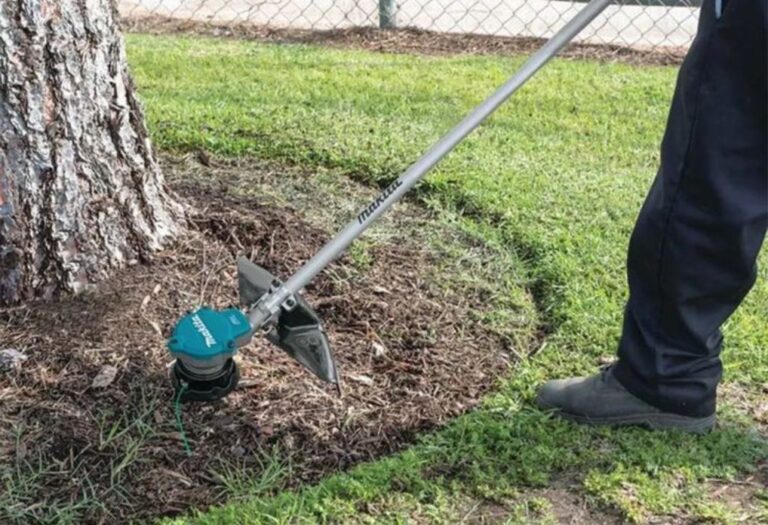
- Working Around Obstacles: Be careful when trimming around trees, posts, and other obstacles. Use a gentle touch to avoid damaging them. Trim around obstacles slowly and precisely, being careful not to hit the string against them. Protect the bases of trees with a shield or by trimming carefully.Working around obstacles requires a delicate balance of precision and awareness. Keep the trimmer a safe distance from any object to prevent damage. Use a low speed setting if your trimmer has one, for better control. Take your time, and be patient when trimming around delicate plants and other items. The end result will be a beautifully manicured lawn.
- Cleaning Up After Trimming: Once you’re done trimming, clean up the debris. Use a rake or blower to remove any grass clippings. This helps keep your lawn healthy and looking neat. Clear up all the clippings for a good appearance.Cleaning up after trimming is an important step that enhances the overall look of your yard. Remove the grass clippings to prevent them from smothering your lawn. Clippings can also contribute to the buildup of thatch, which can be harmful. Getting rid of the clippings after trimming will help your lawn look cleaner and healthier.
Troubleshooting Common Trimming Issues
Even with the best techniques, you might run into some problems. But don’t worry, here’s how to fix them. Sometimes, things don’t go according to plan, and it’s helpful to know how to resolve them quickly. Knowing these troubleshooting steps can help you get back on track and finish your trimming job with a good outcome.
Uneven Cuts and Solutions
- Check String Length and Condition: If you’re not getting even cuts, the string might be too short or worn out. Ensure your string is the right length for your trimmer and that it’s in good condition. Replace it if it’s frayed or broken. Make sure you use the right type of string for the job.Maintaining the correct string length and condition is essential for achieving an even cut. Ensure that the string extends out to the recommended length as specified in your trimmer’s manual. Inspect the string for any signs of wear, such as fraying or breakage, and replace it as needed. Using a fresh and properly adjusted string will improve the quality of your cuts.
- Adjust Your Trimming Height: Sometimes, uneven cuts are due to cutting at the wrong height. Adjust the trimmer head to the appropriate height. Start a bit higher, then lower it gradually until you get the cut you want. Use a consistent height for the best results. Check your blades for any damage.Adjusting the cutting height is essential for achieving a uniform cut. Experiment with different settings to find the ideal height that works best for your lawn and grass type. You should always aim to cut no more than one-third of the grass blade’s height in a single trimming session. Doing this will encourage healthy grass growth.
- Check the Trimmer Head: Make sure the trimmer head is level and not tilted. A tilted head will cause uneven cuts. If the head is loose, tighten it according to the manufacturer’s instructions. Keep your string clean and well maintained.Ensuring the trimmer head is level is important to achieving an even cut. Inspect the trimmer head to ensure it’s not tilted or angled, as this can lead to uneven results. If the head seems loose or unstable, refer to your trimmer’s manual for instructions. This helps to ensure a uniform and professional finish every time you trim.
String Trimmer Not Cutting Effectively
- Check the String: Make sure the string is the right type and thickness for the grass you’re cutting. It might be too thin for tough weeds or overgrown grass. You can adjust the string to get the best results. Consider using a different type of string.Selecting the correct type of string is very important for effective cutting. Different grass types and trimming tasks benefit from different string types. Ensure the string you are using is suitable for the specific task at hand. Some strings are designed for tougher grass and weeds. Be sure to check your trimmer’s manual for guidance on the correct string type.
- Inspect the Trimmer Head: The trimmer head could be clogged with grass or debris. Clean it out regularly to keep the string moving freely. A clogged trimmer head will make it difficult to cut effectively. Remove any debris.A clogged trimmer head can greatly reduce cutting effectiveness. Regularly inspect and clean the head to ensure it’s free of grass and debris. This will allow the string to rotate freely and provide a clean cut. Clearing debris will also make your trimming job much easier.
- Ensure Sufficient Power: For electric trimmers, make sure the power cord is plugged in securely. For gas trimmers, check the fuel level and make sure the engine is running correctly. For battery trimmers, verify the battery is fully charged. Low power will hinder your results.Proper power supply is crucial for consistent and effective trimming. Always ensure that electric trimmers are securely connected to a power outlet. For gas trimmers, check the fuel level. Make sure the engine starts and runs smoothly. For battery-powered trimmers, confirm that the battery is fully charged before you start. Consistent power is important.
Safety First: Using Your String Trimmer Safely
Working with any power tool requires following safety guidelines. Safety should always be your top concern when using a string trimmer. Protecting yourself and others is important. These are some basic safety tips to keep in mind.
Protective Gear
- Wear Safety Glasses or Goggles: This is a must. Debris can fly up and hurt your eyes. Always wear eye protection to shield your eyes from flying grass, stones, and other objects. This simple precaution can prevent serious eye injuries.Wearing safety glasses or goggles is a non-negotiable step to protect your eyes. Debris can be thrown in any direction, causing potential harm. Goggles provide a secure fit and offer complete protection. Proper eye protection is essential whenever you’re using a string trimmer.
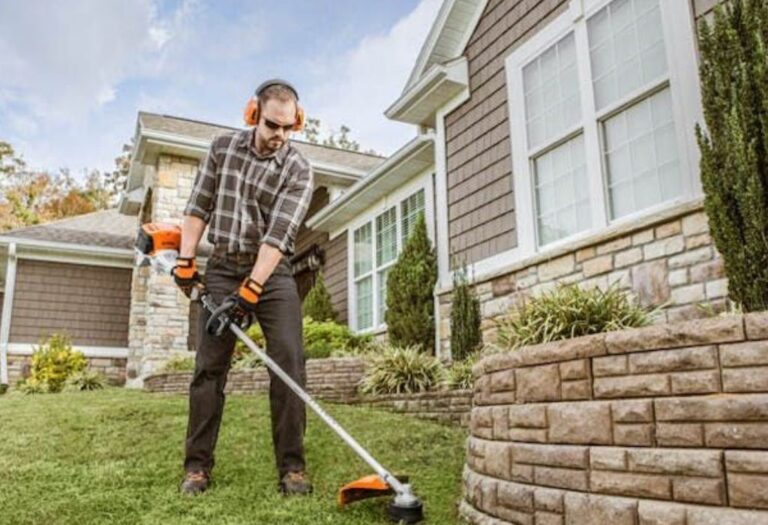
- Use Hearing Protection: String trimmers can be loud, especially gas-powered ones. Earplugs or earmuffs can protect your ears from damage. Hearing protection is vital if you operate the string trimmer for extended periods. It prevents potential hearing loss.Prolonged exposure to the noise of a string trimmer can be damaging. Wearing earplugs or earmuffs can reduce the noise levels significantly. This will protect your hearing. Investing in good-quality hearing protection will help keep you safe.
- Wear Appropriate Clothing: Wear long pants and closed-toe shoes to protect your legs and feet. Avoid loose clothing that could get caught in the trimmer. Also, consider gloves to protect your hands. This creates an extra layer of protection.Choosing the right clothing provides an essential layer of defense against potential injuries. Long pants and closed-toe shoes protect your legs and feet from flying debris. Gloves help protect your hands from cuts or abrasions. This reduces the risk of injury.
Safe Operation Practices
- Keep a Safe Distance: Always keep others a safe distance away from the area you’re trimming. String trimmers can fling debris a considerable distance, so ensure that people and pets are at a safe distance. Create a safe zone to make sure people are safe.Establishing and maintaining a safe distance is critical for the safety of everyone around you. Warn people to stay clear of the area while trimming. This simple action can prevent accidents and injuries. A safe environment will make the whole process easier.
- Inspect the Area: Before you start trimming, look for objects like rocks, toys, and other debris that could be thrown by the trimmer. Remove these to prevent damage and potential injuries. Look closely for hazards.A thorough inspection of the area ensures a safe and effective trimming session. Before starting, clear the area of any objects that might be hazardous. This will make your job go better.
- Follow the Manual: Always read and follow the manufacturer’s instructions for your specific string trimmer model. The manual contains important information about safe operation and maintenance. Always use the right tools.Your trimmer’s manual is a source of crucial safety information. It contains specific guidelines for your particular model. Following these instructions will help prevent accidents. Always refer to your manual before operating the trimmer.
Advanced Techniques for a Professional Finish
Once you are confident with the basics, you can try some advanced techniques to refine your lawn care. These methods are designed to help you achieve even better results and give your lawn a truly professional look. These methods will help you take your skills to the next level.
Creating Stripes and Patterns
- Striping Your Lawn: You can create stripes on your lawn by mowing in overlapping passes in alternating directions. This gives your lawn a classic, professional look. You can use a roller to enhance the effect. This simple technique gives a great effect.Striping your lawn requires a bit of planning and consistent mowing. Mow the lawn in straight lines. As you change direction, the grass blades bend. This creates the illusion of light and dark stripes. Take your time to get the lines neat.
- Advanced Patterns: Try more complex patterns like checkerboards or curves. This requires more skill and planning. Use a string to guide your cuts and create perfect shapes. Experiment to find your own patterns.Creating complex patterns on your lawn can make it a true showpiece. These more intricate designs need careful planning. Mark your lines first. It requires practice and precision.
- Using a Lawn Roller: Using a lawn roller after cutting can enhance the appearance of stripes and patterns by pressing the grass blades in a consistent direction. This gives the lawn a polished finish. A lawn roller is useful for getting a great look.A lawn roller helps to flatten and smooth the surface of the lawn. This also helps with creating clear patterns. The roller will flatten the grass blades in the same direction. Then, the sunlight will reflect, producing the stripe effect.
String Trimmer Maintenance and Care
- Cleaning Your Trimmer: After each use, clean your trimmer to remove grass and debris. This helps keep it running smoothly and prevents build-up. Regular cleaning helps extend the trimmer’s life. This is great for maintenance.Cleaning your string trimmer after each use will prolong its life. Remove any grass clippings and debris from the head and housing. This prevents build-up. Cleaning ensures your trimmer operates efficiently every time.
- Replacing the String: Replace the string when it becomes worn or breaks. Keep extra string on hand so you can always be prepared. Use the correct replacement string. Your trimmer’s manual will provide instructions.Replacing the string is a fundamental part of string trimmer maintenance. Keep a supply of the appropriate string type and size on hand. Following these steps helps make sure the trimmer will cut effectively. Refer to your owner’s manual for proper replacement instructions.
- Sharpening or Replacing Blades: If your trimmer has blades, make sure they are sharp. Sharpen the blades regularly. If the blades are damaged, replace them. Sharp blades make the trimmer more efficient. Sharp blades make the cutting easier.If your string trimmer uses blades, keep them sharp for the best performance. Sharpen or replace the blades regularly to keep them in good condition. Dull blades cause the trimmer to cut less effectively. This will also make the trimming easier and safer.
Frequently Asked Questions
Question: How often should I replace the string in my trimmer?
Answer: You should
Question: What’s the best way to trim around trees without damaging the bark?
Answer: Trim carefully around trees. Use a light touch and avoid hitting the bark. You might want to use a tree ring or a guard to help protect the trunk. Trimming close to a tree can do some damage.
Question: Can I use my string trimmer to cut tall weeds?
Answer: Yes, you can use your string trimmer to cut tall weeds, but it might require a more powerful trimmer or thicker string. Cut in sections, and avoid trying to take too much off at once. Thicker weeds can be tough on a trimmer.
Question: How do I store my string trimmer safely?
Answer: Store your string trimmer in a dry place, away from children. If it’s a gas trimmer, drain the fuel before storing it for an extended time. Always be safe when putting away a trimmer.
Question: What should I do if my string trimmer string keeps breaking?
Answer: If the string keeps breaking, it could be the wrong type or thickness, or the trimmer head may have sharp edges. Make sure you’re using the right string and check the head for damage. Trimming over rocks or concrete will cause the string to break.
Final Thoughts
You now know the basic methods for how to get clean cut with a string trimmer, and also how to keep your lawn looking great. Starting with the right tools and learning the right techniques, getting neat, clean cuts is attainable for anyone. Remember to choose the correct string trimmer and string type for your yard and grass, and always prioritize safety. Practice the right cutting angle and keep your trimmer maintained. You will see that good results come with the right approach and a little patience. If you keep practicing, you’ll see great results in no time. So, go out there, trim with care, and enjoy your beautiful, well-kept lawn!