Spike Aerator Versus Plug Aerator: Lawn Care Showdown
Choosing the right lawn care tools can be tricky, especially when you’re starting out. The question of spike vs plug aerator often pops up, and it’s easy to feel a little lost. This is because both tools aim to improve your lawn, but they work differently. Don’t worry, though! This post will break down everything you need to know in a simple, step-by-step way. We’ll explore what each tool does, how they work, and which one might be best for your yard. Let’s get started!
What Is Aeration and Why Does It Matter?
Aeration is a crucial lawn care practice that involves creating small holes in your lawn’s soil. This process helps to improve the overall health and vitality of your grass. Think of your lawn like a person; it needs to breathe! Aeration allows air, water, and vital nutrients to reach the roots of your grass, where they are most needed. Over time, soil can become compacted, especially in areas with heavy foot traffic or clay soil. Compacted soil restricts the movement of these essential elements, leading to a weaker, less vibrant lawn. Aeration solves this problem directly by improving the soil’s structure. It’s an easy way to help your lawn thrive, looking green and lush.
Benefits of Aeration for Your Lawn
Aerating your lawn offers a wealth of advantages. It boosts the effectiveness of your lawn care routine. By creating pathways for air, water, and nutrients, aeration enables your grass to better absorb these essential resources. This can result in a healthier, more vigorous lawn, and a reduction in the need for excessive watering or fertilizing. Additionally, aeration helps in breaking down thatch, the layer of dead organic matter that can accumulate on the surface of your lawn. Proper aeration can also reduce soil compaction, allowing for improved root development. This, in turn, makes your grass more resilient to stress from heat, drought, and foot traffic. Aeration is a great way to ensure your lawn stays in top shape.
- Improved Air Circulation: Aeration introduces air into the soil, which is essential for healthy root growth. Roots, like the rest of the plant, need to breathe. They take in oxygen and release carbon dioxide. When the soil is compacted, it chokes the roots, and aeration opens up those pathways. This allows for better oxygen intake, which is essential for strong root systems.
- Enhanced Water and Nutrient Absorption: Aeration creates pathways for water and nutrients to penetrate the soil more effectively. Water is absorbed more efficiently, so you don’t have to water as often. The pathways also allow fertilizers to reach the root zone, which leads to better nutrient uptake. Your lawn gets the food it needs more easily.
- Reduced Soil Compaction: This is a major benefit, especially in high-traffic areas. Compaction squeezes the soil particles together, making it difficult for roots to grow and for air and water to circulate. Aeration breaks up the compacted soil, loosening it and creating space for roots to thrive. This leads to a healthier and more resilient lawn.
- Thatch Reduction: Thatch is a layer of dead organic matter that builds up on the surface of your lawn. A little thatch is okay, but too much can block air, water, and nutrients from reaching the soil. Aeration helps break down the thatch, letting the grass breathe and get what it needs.
- Improved Root Development: By creating better growing conditions, aeration encourages deeper and stronger root systems. Strong roots help the grass to withstand drought, heat, and other stresses. This results in a more resilient and attractive lawn.
Exploring Spike Aerators
A spike aerator is a lawn care tool designed to create small holes in your lawn by simply poking into the soil. Typically, they have solid tines or spikes that are pushed or rolled into the ground. These tools can be simple, often consisting of a handheld tool or a rolling device. Spike aerators are a good choice for lawns with relatively loose soil. They provide some aeration by creating pathways for air and water to enter the soil. However, they don’t remove any soil, so they can sometimes further compact the soil around the holes. This is important to keep in mind, as it can affect their effectiveness.
How Spike Aerators Work
Spike aerators work by puncturing the soil surface. They usually feature solid metal or plastic tines. When the aerator is pushed or rolled across the lawn, these tines penetrate the ground, creating small holes. Unlike plug aerators, spike aerators do not remove any soil plugs. Instead, they displace the soil. The action of the tines creates pathways for air, water, and nutrients to reach the roots of the grass. The goal is to improve soil aeration and encourage better root growth, ultimately leading to a healthier lawn. It’s a straightforward process, making spike aerators easy to use for smaller lawns or for light aeration needs.
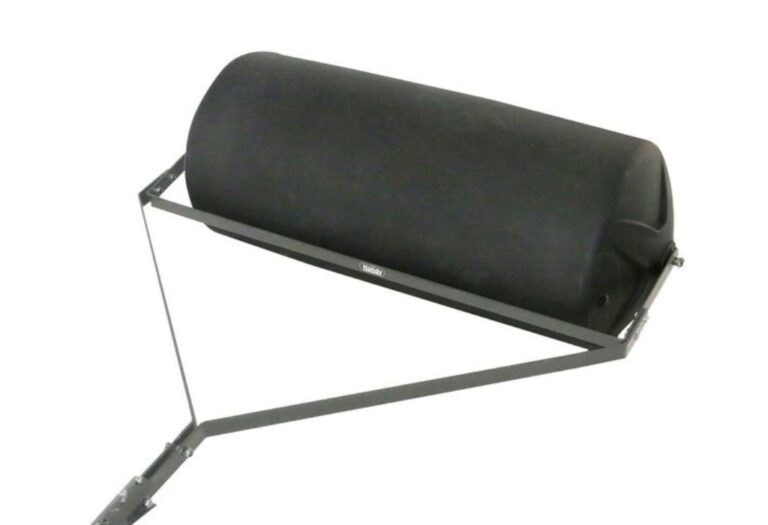
- Types of Spike Aerators: There are two main types of spike aerators: handheld and rolling. Handheld aerators are simple tools with spikes attached to a handle. You manually push them into the ground. Rolling aerators, on the other hand, have spikes attached to a rolling drum. You push or pull these across the lawn. The best type for you depends on the size of your lawn and how much effort you want to put in.
- Effectiveness: While spike aerators can improve air circulation and water penetration, their effectiveness is limited. They don’t remove any soil, so they can actually compact the soil around the holes they create. This is especially true if the soil is already compacted.
- Best Uses: Spike aerators are best suited for lawns with relatively loose soil. They can be helpful for light aeration or for lawns that only need occasional attention. They are also a good option for small lawns or for spot-treating areas with compaction.
- Maintenance: Spike aerators are easy to maintain. Just clean off any dirt or debris after each use. Store them in a dry place to prevent rust.
- Cost: Spike aerators are generally less expensive than plug aerators. This makes them a more budget-friendly option for homeowners.
Advantages and Disadvantages of Spike Aerators
Spike aerators have certain pros and cons. They are easy to use and relatively inexpensive. This makes them a good choice for smaller lawns or occasional aeration needs. However, they may not be as effective as other methods in compacted soil. The tines simply displace the soil, and they don’t remove any. This can result in further compaction around the created holes. Also, they might not provide the same level of aeration as plug aerators. When choosing a lawn care tool, consider the specific needs of your lawn and the severity of soil compaction.
Here’s a comparison table:
| Advantages | Disadvantages |
|---|---|
| Easy to use | Less effective in compacted soil |
| Relatively inexpensive | May further compact the soil |
| Good for small lawns | Less thorough aeration |
| Simple to store and maintain | Not ideal for heavily compacted lawns |
Diving Into Plug Aerators

Plug aerators are more robust tools used to remove small cores of soil from the lawn. They create holes that are about 1-2 inches deep and about half an inch to an inch in diameter. This core aeration method is beneficial because it actually removes soil. This relieves compaction more effectively than spike aerators. The removal of the soil plugs creates space for air, water, and nutrients to reach the grass roots. Plug aerators are typically used on lawns that suffer from severe compaction or heavy foot traffic.
How Plug Aerators Work
Plug aerators function by removing small cores, or plugs, of soil and thatch from the lawn. The device uses hollow tines that penetrate the soil and extract these plugs, leaving holes behind. This process is often called core aeration. The removal of these soil cores is key, as it alleviates compaction and creates space within the soil. These small holes allow air, water, and nutrients to flow to the grass roots. As the cores are removed, the soil around the holes expands, further easing compaction and enabling root growth. These plugs can be left on the lawn to decompose, adding organic matter back into the soil, or they can be collected. Plug aeration is a more intensive method than spike aeration. It’s designed to provide better aeration and improve soil health.
- Core Extraction Process: The hollow tines of a plug aerator cut into the soil and remove a plug of soil. These plugs are pushed up and out of the tines as you move the aerator. The size of the plugs can vary, but generally are 1-2 inches deep and 0.5-1 inch in diameter. This process is important for easing compaction and improving soil conditions.
- Types of Plug Aerators: There are different kinds of plug aerators, including manual and powered versions. Manual plug aerators are handheld or push-type tools. Powered aerators, like gas-powered or electric models, are more efficient for larger areas. Choosing the right type depends on your lawn’s size and how much effort you want to put in.
- Effectiveness: Plug aerators are generally the most effective way to aerate a lawn. The removal of soil plugs provides much better aeration than simply puncturing the soil. This method can effectively alleviate compaction and improve the overall health of your lawn.
- Maintenance: After using a plug aerator, clean the tines to remove any soil or debris. For powered aerators, follow the manufacturer’s instructions for maintenance, including checking oil levels and sharpening blades. Proper maintenance will ensure the tool lasts a long time.
- Cost: Plug aerators can be more expensive than spike aerators. This is especially true for powered models. However, the investment can be worth it if you have a lawn that needs serious aeration. Consider your budget and the needs of your lawn when making your decision.
Plug Aerator Pros and Cons
Plug aerators are known for their effectiveness in improving soil health, and they have clear advantages. They remove soil plugs, which helps to relieve compaction and provides better aeration than spike aerators. This also helps with water and nutrient absorption. However, plug aerators can be more labor-intensive to use, especially the manual models. They may require more maintenance than spike aerators. Also, they can be more expensive, especially the powered versions. Before choosing, think about the size of your lawn, its current condition, and your budget.
Choosing the Right Aerator: Comparing the Two Methods
Choosing between a spike vs plug aerator comes down to the needs of your lawn. Consider the level of soil compaction, the size of your lawn, and your budget. Spike aerators are a good choice for lawns with minor compaction and require less effort to use. Plug aerators, on the other hand, are the go-to tool for lawns suffering from significant compaction. They are also ideal for areas with heavy foot traffic. Consider all of these elements before making your choice. This way, you can pick the best method for a healthy, thriving lawn.
| Feature | Spike Aerator | Plug Aerator |
|---|---|---|
| How it Works | Punctures the soil, creating holes | Removes soil plugs, creating holes |
| Effectiveness | Less effective on compacted soil | Most effective at relieving compaction |
| Best For | Lawns with minimal compaction | Lawns with heavy compaction and high traffic |
| Effort Level | Lower | Higher |
| Cost | Generally less expensive | Generally more expensive |
For example, if you have a small lawn with a little compaction, a handheld spike aerator might be enough. If you have a large lawn with heavy foot traffic, you might want to consider a powered plug aerator.
Lawn Scenarios
- Scenario 1: You have a small lawn, and your soil is relatively loose. You notice some areas are looking a little thin, and water sometimes puddles after rain.
- Recommended Aerator: A spike aerator is likely sufficient. You don’t need the more intensive soil removal of a plug aerator. A handheld or rolling spike aerator can help to improve air circulation and water absorption, solving your problem areas.
- Scenario 2: You have a large lawn that gets a lot of use. You notice your grass is looking unhealthy, and water runs off instead of soaking in.
- Recommended Aerator: A plug aerator is the better choice for your lawn. The heavy foot traffic likely has compacted your soil. The plug aerator’s ability to remove soil will solve the compaction and will give your lawn a chance to breathe and absorb nutrients and water.
Timing and Frequency of Aeration
The best time to aerate your lawn depends on your grass type and climate. For cool-season grasses (like fescue or bluegrass), the ideal time is in the late summer or early fall. This is when the grass is actively growing. Aeration during this period will help the grass recover from the stress. For warm-season grasses (like Bermuda or Zoysia), early summer is typically the best time. The soil temperature is warm, which will help the grass heal from the aeration process. Aim to aerate once a year, or twice a year if your lawn experiences heavy use or extreme soil compaction.
- Cool-Season Grasses: Late summer or early fall is usually the best time to aerate lawns with cool-season grasses. During these months, the grass is actively growing and can quickly recover from the aeration process. This also allows the grass to strengthen its roots before winter sets in.
- Warm-Season Grasses: The ideal time to aerate warm-season grasses is in the early summer. The warmer soil temperatures help the grass to recover quickly. Aeration before the peak growing season gives your lawn a good boost to help it stay healthy.
- Frequency: For most lawns, aerating once a year is sufficient. However, lawns that experience heavy foot traffic or suffer from severe compaction may need to be aerated twice a year. Always consider the specific needs of your lawn.
- Post-Aeration Care: After aerating, it’s often a good idea to apply a topdressing of compost or sand. This helps to fill the holes and further improve soil structure. You can also overseed your lawn after aeration to fill in any thin spots. Watering deeply after aeration will help the grass recover.
- Weather Conditions: Avoid aerating during periods of drought or extreme heat. Aeration can be stressful to the grass, so the ideal conditions are when the grass is actively growing and the soil is moist.
Frequently Asked Questions
Question: When should I aerate my lawn?
Answer: For cool-season grasses, aerate in late summer or early fall. For warm-season grasses, aerate in early summer. Aim for once a year, or twice if your lawn needs it.
Question: Is it better to spike or plug aerate?
Answer: Plug aerating is generally more effective for compacted soil, as it removes soil plugs. Spike aeration can be enough for less compacted lawns.
Question: How often should I aerate my lawn?
Answer: Most lawns only need aeration once a year. However, lawns with heavy traffic or severe compaction might benefit from twice-a-year aeration.
Question: What’s the best type of aerator for a small lawn?
Answer: A handheld or rolling spike aerator is usually suitable for small lawns.
Question: What do I do after aerating my lawn?
Answer: Consider adding a topdressing of compost or sand, overseeding, and watering deeply.
Final Thoughts
Deciding between a spike vs plug aerator can seem complicated, but it is actually pretty straightforward. If your lawn has light soil compaction, a spike aerator can do the job. The spike aerator makes small holes that let air, water, and nutrients get into the ground. On the other hand, if your lawn is seriously compacted, especially due to high foot traffic, then a plug aerator is the better choice. It pulls out little cores of soil, making way for your grass roots to thrive. Take a close look at your lawn’s condition and choose the right tool for the job. No matter which aerator you choose, regular aeration is a great step to help you have a healthy, green lawn.