How to Remove Stihl Weeder Head easily Without Damaging It
Imagine standing in your garden on a sunny weekend morning, eager to trim the overgrown grass. You pick up your Stihl weeder, only to realize the head is jammed and refuses to come off.
Many people face this frustrating problem, and their first instinct is often to force the head off with brute strength. This not only risks breaking the head but can also damage the drive shaft, snap ring, or gearbox.
Knowing how to remove Stihl weeder head correctly can save both time and money. It ensures your tool stays in top condition, prevents expensive repairs, and helps you replace worn parts safely.
According to industry surveys, a large percentage of trimmer head failures result from incorrect removal methods. Improper handling leads to stripped threads, bent washers, or cracked housings. With proper steps, however, you can remove the head smoothly and extend the lifespan of your equipment.
What Is a Stihl Weeder Head and Why Proper Removal Matters

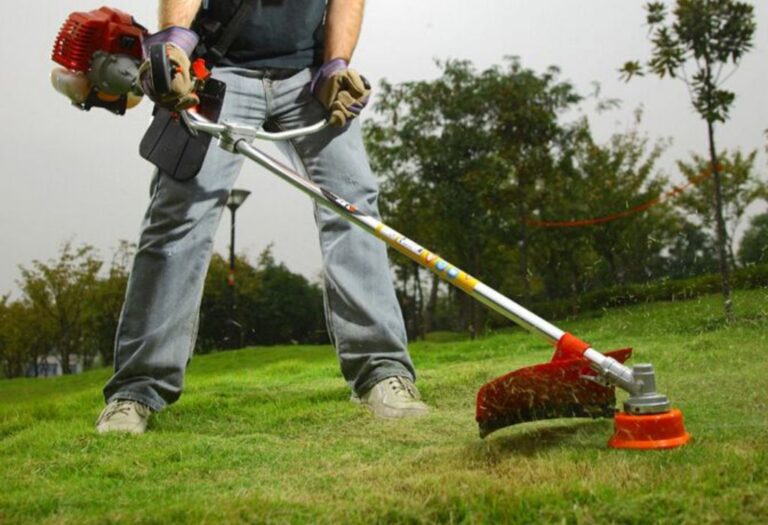
A Stihl weeder head is the part of the trimmer that holds the cutting line or blade. It attaches to the shaft and gearbox, transferring power from the motor to cut weeds, grass, and small plants.
Over time, debris, rust, or resin buildup can cause the head to stick. Proper removal is important because forcing the head can strip threads, damage the gearbox, or even injure the user.
Different models use different mechanisms, such as bump-feed heads, auto-cut spool heads, or metal cutting heads. Each design has specific removal steps, but the principle remains the same: secure the shaft, release the locking pin, and unscrew the head in the correct direction.
Removing the head properly ensures smooth replacement of line spools or blades, prevents unnecessary wear, and reduces downtime during yard work. It also protects delicate components like the thrust plate and snap ring.
Tools and Safety Essentials Before Beginning Removal
Before attempting to remove the weeder head, preparation is essential. Using the right tools not only makes the job easier but also prevents costly mistakes.
The basic tools include a locking pin or stop pin, a wrench or socket set, snap ring pliers, and sometimes penetrating oil for rusted parts. A rubber mallet may be useful if the head is jammed.
Equally important are safety measures. Always switch off the power source. For gas-powered trimmers, disconnect the spark plug. For electric or battery models, unplug the cord or remove the battery. This prevents accidental starts that can cause injuries.
Wear protective gloves to avoid cuts, and safety glasses to shield your eyes from flying debris. Place the trimmer on a stable, flat surface so it does not shift during the process.
Cleaning the head before removal is a smart step. Grass clippings, resin, or dirt can hide snap rings or fasteners, making removal harder. A quick wipe with a brush or cloth exposes all parts and saves effort later.
Step-by-Step Guide: How to Remove Stihl Weeder Head Without Damaging It
The removal process involves precision and patience rather than force. Follow these steps carefully to avoid damage.
First, ensure the tool is powered off and disconnected. This is the most important step in any maintenance procedure. Next, locate the hole in the gearbox where the locking pin or stop pin fits. Insert the pin to secure the shaft and prevent it from spinning.
With the shaft locked, examine the head for fasteners. Some heads are threaded directly onto the shaft, while others use snap rings or e-clips. Clean away dirt to expose these components clearly.
Once exposed, turn the head in the correct direction. Many Stihl models use reverse threads, meaning you may need to turn clockwise instead of counterclockwise. Forcing the wrong direction can strip threads or crack the head housing.
If the head is secured with a snap ring, use snap ring pliers to remove it gently. Avoid prying with screwdrivers, which can deform the ring or scratch the shaft. Remove washers or thrust plates in sequence, noting their orientation for reassembly.
Lift the head off the shaft carefully. If it resists, apply penetrating oil around the threads and let it sit for a few minutes. A gentle tap with a rubber mallet can help loosen rusted or jammed parts.
Once removed, inspect the threads, washers, and snap ring groove for wear or damage. Clean them thoroughly before reinstallation or replacement.
This method ensures the head is removed without damaging the delicate drive shaft or fasteners.
Common Problems and How to Handle Them

Even with proper technique, challenges may arise. One common issue is a stuck head. Rust, resin, or compacted debris can cause the head to seize. Penetrating oil is effective in loosening stubborn parts.
Another issue is stripped threads. Over-tightening during installation often causes this. If the threads are lightly damaged, they may be cleaned with a thread chaser. Severe damage may require part replacement.
Sometimes, the locking pin hole is blocked by dirt or grass. Cleaning it with a small brush or compressed air usually solves the problem.
Incorrect installation of the thrust plate is another problem. If installed upside down, it can cause wobbling or vibration. Always pay attention to the orientation of washers and plates during disassembly.
Reverse threading also confuses many users. Always check the model’s manual for thread direction before turning. Stihl often engraves arrows on the head to indicate the correct removal direction.
Handling these problems with patience ensures smooth removal and extends the life of the equipment.
Reinstallation and Maintenance Tips to Prevent Future Damage
Reinstalling the weeder head is simply the reverse of removal. Place the thrust plate and washers in their original orientation. Align the head correctly, then thread it back onto the shaft by hand before tightening.
Do not over-torque fasteners. Excessive force damages threads and makes future removal more difficult. Tighten until secure, following the manufacturer’s specifications where available.
Regular maintenance is key to preventing future issues. Clean the head after each use to remove grass and dirt. Lubricate threads lightly with anti-seize or grease to prevent rust. Inspect snap rings, washers, and thrust plates periodically, replacing worn parts before they fail.
Using the correct line size is also important. Oversized line increases torque on the head, causing premature wear on threads and snap rings. Always follow Stihl’s recommendations for line type and thickness.
By following these practices, you ensure that future head removals will be quick, safe, and hassle-free.
When to Seek Professional Help or Replace Parts
While many issues can be resolved at home, some problems require professional service. Deeply stripped threads, a cracked head housing, or a bent shaft are signs that DIY fixes may not be enough.
Operating a damaged trimmer head can lead to dangerous vibration, reduced efficiency, and even accidents. In such cases, it is best to visit an authorized Stihl service center.
Warranty considerations also matter. Improper removal or use of non-genuine parts can void coverage. Always use genuine Stihl replacement parts to maintain warranty validity and ensure compatibility.
Professional help may cost more than DIY, but it ensures the tool is restored to safe working condition. For minor issues like worn snap rings or washers, simple replacements at home are cost-effective and safe.
Knowing when to stop and seek help is part of responsible tool ownership.
Model-Specific Differences

Not all Stihl weeder heads are identical. The FS series, such as the FS 55 and FS 80, often use bump-feed heads with threaded connections. The FSA battery series, like the FSA 56, may use different locking mechanisms and head designs.
Some models incorporate reverse threads to prevent loosening during operation. Others rely on e-clips or locking discs instead of traditional snap rings.
Understanding your specific model helps avoid mistakes. Always check the manual for diagrams and instructions unique to your unit.
Acknowledging these differences ensures that you apply the correct method for your Stihl trimmer, reducing the risk of damage.
Conclusion
Learning how to remove Stihl weeder head properly ensures safe, efficient maintenance of your equipment. By using the right tools, following safety precautions, and understanding model-specific details, you can avoid damaging delicate parts like the shaft, snap ring, or thrust plate.
The process may seem intimidating at first, but with preparation and patience, it becomes straightforward. Cleaning, lubrication, and careful handling prevent most common problems and make future removals easier.
Whether you are a homeowner maintaining a garden or a professional landscaper, mastering this skill protects your investment and keeps your weeder performing at its best.
Before your next trimming session, remember to check your head for wear, keep essential tools ready, and follow the steps outlined here to remove the Stihl weeder head easily without damaging it.

I’m Maya L. Greenwood, a lifelong plant lover who believes anyone can grow something beautiful with the right guidance. After years of testing soil mixes, pruning methods, irrigation tricks, and pest-safe solutions, I started EasyGardenTips.com to turn hard-won lessons into step-by-step advice. From seed starting and container gardens to composting and seasonal checklists, my goal is to make gardening simple, sustainable, and fun.