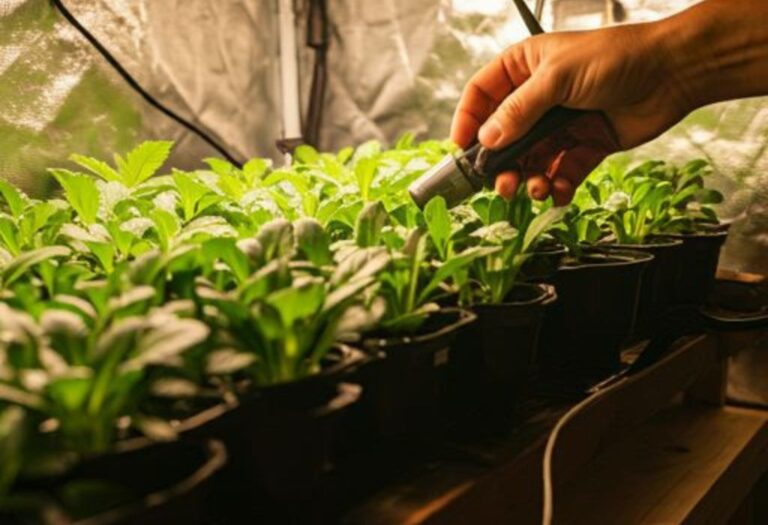
Grow Tent Air Intake Size: Getting Fresh Air Right
Figuring out the correct grow tent air intake size is something many beginners struggle with. Getting enough fresh air is super important for plants, but too much or too little can cause problems. Don’t worry, though! It’s not as hard as it sounds. We’ll break down everything you need to know in simple steps so you can create a perfect environment for your plants. Let’s get started and make sure your plants get what they need to thrive!
What Matters Most for Your Grow Tent’s Airflow
Proper airflow is like breathing for your plants. It’s how they get the carbon dioxide they need to make food and get rid of stuff they don’t want, like excess heat and humidity. If the airflow isn’t good, plants can get sick or grow slowly. The intake size is a key factor in ensuring effective ventilation within the tent. Getting it right is a core part of setting up a successful grow room. We’ll explore why airflow is important, focusing on the equipment that helps with this.
The Importance of Air Exchange
Air exchange refers to how often the air in your grow tent is
- CO2 Levels: Plants use CO2 for photosynthesis. When CO2 is depleted, growth slows.
- Humidity Control: Air exchange removes excess moisture, preventing mold and mildew.
- Temperature Regulation: Moving air helps to prevent overheating in the grow tent.
- Odor Control: Air filters help remove smells, especially with flowering plants.
Air exchange is a crucial factor in the health of your plants. One study showed a 30% increase in yield when the plants had a good supply of fresh air. Using the right grow tent air intake size helps achieve optimal results.
Essential Equipment for Airflow
Several pieces of equipment are important to making sure your grow tent has great airflow. First, you’ll need an intake fan, which pulls fresh air into the tent. This fan’s size is something we’ll discuss in detail later. Next, an exhaust fan pulls the air out, along with a carbon filter to remove odors. Ducts connect all these components and are essential. You might also want to include an air circulation fan inside the tent to keep the air moving around the plants. Getting this setup right means a good environment for your plants.
- Intake Fan: Pulls fresh air into the grow tent.
- Exhaust Fan: Removes stale air, heat, and humidity.
- Carbon Filter: Removes odors from the exhaust air.
- Ducting: Flexible tubing that connects the fans and filters.
- Circulation Fans: Move air around inside the tent.
Many growers use inline fans, which sit in the ducting and efficiently move air. Choosing the right fan size is super important for the best results.
How to Calculate Airflow Needs
Calculating the right airflow is all about finding the right balance. You want enough fresh air to keep your plants happy, but not so much that you waste energy or cause problems with humidity and temperature. This calculation helps determine the size of the fans and ducting you will need. Calculating the proper airflow involves figuring out the volume of your grow tent, and then deciding on the amount of air changes per hour (ACH). Doing this correctly ensures your plants thrive in the right environment.
- Measure Tent Volume: Calculate the volume of your tent (length x width x height) in cubic feet.
- Determine Desired ACH: Choose the ACH based on your plants’ needs (usually 1-3 times per minute).
- Calculate CFM: Multiply the tent volume by the ACH to get the required CFM (cubic feet per minute) of your fans.
- Choose Fans: Select fans with CFM ratings that meet or exceed your calculation.
For example, if your grow tent is 4x4x6 feet (96 cubic feet) and you want 10 ACH, you’ll need a fan rated for 960 CFM. This ensures that the air is completely replaced every six minutes.
Choosing the Correct Grow Tent Air Intake Size

When you set up a grow tent, deciding on the grow tent air intake size is vital. This size impacts how quickly the air moves in and out of the tent. It also impacts the overall environment. Getting the right size means your plants get the CO2 they need, and the temperature and humidity stay at the correct level. The intake size affects everything from how fast your plants grow to whether they stay healthy. This section looks at choosing the right intake size, explaining different options and what to consider for your setup.
Understanding Intake and Exhaust Balance
Creating the correct balance between air intake and exhaust is key for a successful grow tent. The exhaust system, usually with a fan and carbon filter, removes stale air and unwanted odors. The intake system brings in fresh air. If the exhaust fan is too strong, it can create negative pressure. If the intake is too small, the exhaust fan might struggle, affecting airflow. Understanding these factors is important for optimizing the environment inside your tent. A balanced setup helps to maintain a stable temperature and humidity level, promoting optimal growth.
- Negative Pressure: The exhaust fan pulls more air out than the intake brings in. This can sometimes cause problems.
- Positive Pressure: Intake brings in more air than the exhaust removes.
- Balanced Pressure: Intake and exhaust are matched, creating a stable environment.
- Filter Considerations: A carbon filter can restrict airflow, so consider it in your calculations.
To avoid negative pressure, ensure that your intake fan’s CFM rating is at least equal to your exhaust fan’s, or slightly more. This can help with regulating temperature and humidity.
Different Intake Size Options
There are several options for the size of your grow tent intake. The simplest is passive intake, which uses vents. Active intakes use fans to force air in. Each method has pros and cons. Passive intakes are easy and quiet but may not be enough for larger tents or hot climates. Active intakes provide more control and airflow but need power and may generate noise. Considering the size of your tent, the type of plants you are growing, and your budget will help you pick the best choice. This ensures that you have the appropriate grow tent air intake size for your situation.
- Passive Intakes: Vents that allow air to enter naturally.
- Active Intakes: Fans that force air into the tent.
- Vent Size: The size of the intake vents or the diameter of the intake ducting.
- Fan Size: CFM rating of the intake fan, if used.
A typical approach for smaller tents might involve passive intakes combined with an exhaust fan. For larger setups, many growers use active intake fans with a variable speed control to match the exhaust fan’s flow.
Factors to Consider When Choosing Intake Size
Several factors affect the intake size you need for your grow tent. The size of your tent is the first thing to think about. A bigger tent needs more airflow than a smaller one. Then, think about the type of plants you grow. Plants that produce strong odors or need high humidity might need a stronger exhaust fan. Also, the climate where you live has a role. If you live somewhere hot, you might need stronger airflow. Considering all these factors helps you make the right decisions for your intake system. This way, your plants get the right environment to flourish. Getting the grow tent air intake size right means providing the best setting for your plants’ needs.
- Tent Size: Bigger tents need more airflow.
- Plant Type: Some plants require higher airflow for odor control and temperature regulation.
- Climate: Hot, humid climates require increased airflow.
- Carbon Filter: The filter will restrict airflow to a degree.
- Airflow Requirements: Always calculate the CFM needed based on ACH.
If you’re unsure, it’s always better to go a bit bigger. You can always dial back the fan speed, but you can’t make a fan smaller. This ensures your plants get all the air they need.
Troubleshooting Common Airflow Issues
Even when you plan everything perfectly, problems with airflow can still happen in your grow tent. These problems can impact the health and growth of your plants. This section looks at common issues and the solutions for each. Whether it’s the wrong intake size, too much or too little airflow, or problems with humidity, we’ll explain how to find these issues. Learning how to fix airflow problems keeps your grow room functioning effectively and your plants healthy. Fixing these problems quickly will make sure your plants get the best possible setting.
Signs of Insufficient Airflow
How do you know if your grow tent has enough airflow? There are some clear signs that something isn’t quite right. Look out for yellowing leaves, slow growth, and signs of disease, like mold. The humidity might also be too high, making the environment perfect for pests or diseases. Stagnant air can stop your plants from absorbing CO2 and can create heat pockets. These are all things to watch out for. Learning to identify these problems can help you act quickly to keep your plants healthy. Finding these issues is the first step in fixing the problem.
- Yellowing Leaves: Often a sign of lack of CO2 or too much heat.
- Slow Growth: Can indicate a lack of CO2 or poor plant health.
- Mold or Mildew: High humidity, from poor airflow, can lead to these.
- High Humidity: Excess moisture, creating an unsuitable environment.
- Heat Pockets: Hot spots in the tent due to air stagnation.
If you notice these problems, it’s time to check your fans and ventilation. Try increasing your grow tent air intake size if necessary.
Dealing with Excessive Airflow
Too much airflow can be just as bad as not enough. It can cause problems like leaves drying out quickly, which stresses the plants. Very low humidity can be another sign. The leaves might look crispy and the plants will transpire too much water. Too much air movement can also affect the temperature. In the worst cases, it could damage the plants. Fixing this involves carefully checking your fan settings. Use a speed controller to adjust the fan’s speed. These steps keep your plants healthy and thriving.
- Rapid Drying: Leaves dry out too quickly.
- Low Humidity: Too much air removes moisture.
- Crispy Leaves: A sign of water loss.
- Temperature Fluctuations: Large shifts in tent temperature.
- Stunted Growth: Excessive airflow stresses plants.
You can use a speed controller to reduce the exhaust fan speed, or if your intake fan is overpowering, try restricting the vents a bit. This will create a better environment for your plants.
Troubleshooting Humidity and Temperature Problems
The right humidity and temperature are critical in a grow tent. These environmental elements impact how well your plants grow and how healthy they are. Too much humidity can cause mold and mildew. On the other hand, too little humidity can stress the plants. Temperature is the same way. The wrong temperature can damage your plants. When fixing these issues, first check the air exchange rate. Increasing or decreasing the grow tent air intake size can help. It’s often related to airflow.
- High Humidity: Use ventilation to lower humidity.
- Low Humidity: Increase humidity levels.
- High Temperatures: Add ventilation to cool the air.
- Low Temperatures: Adjust heating devices.
- Monitoring: Regularly check temperature and humidity with a gauge.
By adjusting your intake and exhaust fans, and using devices like humidifiers or dehumidifiers, you can maintain the ideal conditions inside your grow tent.
Advanced Techniques to Improve Airflow
Once you get the basics of airflow down, you can use more advanced methods to optimize the environment in your grow tent. These methods can boost how well your plants grow. From the type of fans to the best ducting layouts, we will explore many different techniques. These methods will help you finely tune your setup. They will also improve air circulation, temperature and humidity control, and odor management. By making these changes, you can ensure a great environment for your plants.
Using Multiple Fans and Strategic Placement
Using more than one fan, and placing them strategically, is a helpful way to boost airflow. You can improve air circulation throughout the tent with fans inside the tent. Place the fans to keep the air moving around the plants. Place your intake and exhaust fans so that fresh air is drawn in and stale air is removed. You can use multiple intake and exhaust fans if the situation requires more airflow. These steps are a great way to ensure that the environment is well-managed.
- Air Circulation Fans: Place these to prevent stagnation.
- Intake and Exhaust Fan Placement: Ensure the tent is getting proper air exchange.
- Multiple Fans: Use more fans to cover large tents.
- Fan Speed Control: Use a controller to easily adjust airflow.
- Vertical vs. Horizontal Placement: Experiment to see what works best.
Placing fans at different levels ensures that the air moves around all parts of the tent, providing the best environment for your plants.
Improving Ducting and Ventilation Efficiency
The quality and setup of your ducting can have a big impact on airflow. Use smooth, straight ducting to reduce resistance and maximize airflow. Avoid sharp bends in the ductwork because they can slow down the air movement. Insulated ducting can also help control the temperature of the air as it moves. By paying attention to these details, you can improve the efficiency of your ventilation system. This is a very important part of making the best environment for your plants.
- Smooth Ducting: Smooth ducting moves air much better than ribbed ducting.
- Straight Runs: Reduce bends to minimize air resistance.
- Insulated Ducting: Helps with temperature regulation.
- Ducting Size: Make sure the ducting is the correct size.
- Regular Cleaning: Clean ducting to remove dust and debris.
Using high-quality ducting can significantly improve the performance of your ventilation system. This is also important in finding the correct grow tent air intake size.
Optimizing Odor Control
Good odor control is important, especially for some types of plants. A carbon filter attached to your exhaust fan will absorb odors. Make sure the filter is sized correctly for your fan’s CFM rating, and replace it as recommended. Check that your intake doesn’t leak odors. Seal any possible gaps. Consider a negative pressure environment by using a stronger exhaust fan, which helps keep odors inside the tent. Use all these techniques together for the best results.
- Carbon Filter: Use a high-quality carbon filter.
- Filter Size: Match the filter’s CFM to your exhaust fan.
- Regular Replacement: Change the filter as needed.
- Negative Pressure: Prevents odors from escaping.
- Leak Check: Ensure your tent is sealed well.
By focusing on odor control, you can keep your grow tent private and avoid unwanted smells.
| Factor | Importance | How to Improve |
|---|---|---|
| Air Exchange Rate | Key to providing CO2 and removing heat. | Adjust fan speed and intake size. |
| Fan Type | Inline fans are more effective. | Choose fans with appropriate CFM for your grow tent. |
| Ducting | Straight ducting reduces airflow resistance. | Use smooth, straight ducting, and seal connections. |
| Filter Maintenance | Carbon filters remove odors. | Replace carbon filters every 6-12 months. |
Frequently Asked Questions
Question: How do I know if my grow tent has enough airflow?
Answer: Look for yellowing leaves, slow growth, mold, mildew, or high humidity. These signs may show airflow issues.
Question: What is the best ACH for a grow tent?
Answer: It depends on the plants. For most, 20-40 air changes per hour (ACH) are good, but you might need more or less depending on your setup.
Question: How do I calculate the CFM needed for my exhaust fan?
Answer: Measure your tent volume in cubic feet, decide the desired ACH, and multiply the volume by the ACH. This gives you the needed CFM.
Question: What’s the difference between passive and active intakes?
Answer: Passive intakes use vents; active intakes use fans. Active intakes provide better control, especially with the right grow tent air intake size.
Question: How often should I replace my carbon filter?
Answer: Replace your carbon filter every 6-12 months, or sooner if you notice odors.
Final Thoughts
Choosing the right grow tent air intake size and managing airflow is key to a successful grow. We’ve explored different methods, like the importance of air exchange, calculating CFM, choosing intake methods, and troubleshooting common problems. Remember to balance the intake and exhaust, consider your plants’ needs and the climate, and watch for any problems. By paying attention to these details, you’ll ensure your plants get the fresh air they need to thrive. Take action now: check your current setup, see if you have any of the problems we talked about, and make the needed adjustments. Your plants will surely thank you for providing the best environment to make them happy and productive.