Does Liquid Aerator Loosen Soil? An Easy Guide
Figuring out if does liquid aerator loosen soil is something many gardeners and homeowners wonder about. It can feel like a big question when you’re just starting. Don’t worry, it’s not as hard as it seems! This post will walk you through everything, making it super simple to get your lawn looking its best. We’ll start by exploring the basics and then show you exactly how liquid aerators work. Get ready to learn!
What is Soil Aeration and Why Does It Matter?
Soil aeration is a fancy term that basically means getting air into the ground. Imagine your lawn is like your lungs, and the soil is where it breathes. When soil is compacted, it’s hard for air, water, and nutrients to get down to the roots of your grass. This can make your grass weak and unhealthy. Soil aeration helps to fix this problem, giving your lawn the boost it needs to grow strong and vibrant. It’s like giving your lawn a breath of fresh air!
What Causes Soil Compaction?
Soil compaction is a common issue that occurs when soil particles are squeezed together, reducing the space between them. This can be caused by several factors, including heavy foot traffic, vehicles driving on the lawn, the use of heavy machinery during construction, and even the natural settling of soil over time. Clay soils, which have very small particles, are particularly prone to compaction because they pack together tightly. When soil is compacted, it reduces the amount of air, water, and nutrients that can reach the roots of plants, leading to poor growth and a weakened lawn.
-
- Foot Traffic: Regular walking, playing, or even just spending time on your lawn can compress the soil.
Think about how much your lawn gets used during a weekend barbecue or when kids are playing games. All that activity presses down on the soil, squeezing out the air pockets that plants need to breathe. Over time, this constant pressure makes the soil dense and hard, making it difficult for grass roots to grow deep and get the nutrients they need.
-
- Heavy Machinery: Construction or landscaping equipment can severely compact soil.
Construction sites often leave behind severely compacted soil. Bulldozers, backhoes, and other heavy equipment exert immense pressure on the ground, crushing the soil particles together. This makes it challenging for anything to grow, even tough weeds. The compacted soil hinders root growth, making it hard for plants to get water and nutrients, and leading to poor overall plant health.
-
- Clay Soil: Naturally, clay soil compacts more easily than other types.
Clay soil is notorious for its tendency to compact. The tiny particles in clay pack together tightly, leaving very little space for air and water. When clay soil gets wet, it often becomes sticky and difficult to work with. It’s like trying to breathe through a thick, heavy blanket. Improving clay soil is a common challenge for gardeners, but understanding its properties is key to successful lawn care.
-
- Lack of Organic Matter: Soil lacking in organic matter tends to compact.
Soil rich in organic matter, such as compost or decaying leaves, is naturally less prone to compaction. This is because organic matter helps to create air pockets within the soil, improving drainage and making it easier for roots to grow. Without enough organic matter, soil particles can stick together, leading to compaction. Adding organic matter is a simple, effective method to improve soil health and reduce compaction.
Signs Your Lawn Needs Aeration
Knowing when to aerate your lawn is important for its health. Pay attention to the signs your lawn might be giving you. These signs will help you determine the right time to aerate and keep your lawn looking great. Recognizing these clues early on can prevent serious problems later. If you see these signs, it’s time to consider aeration.
-
- Standing Water: Water puddles on the lawn for extended periods after rain or watering.
If water lingers on your lawn, that’s a clear sign your soil isn’t draining well, often due to compaction. Compacted soil doesn’t allow water to soak in properly. Instead, the water sits on the surface, creating puddles. This can lead to issues such as root rot and fungal diseases because the roots are constantly wet. It also prevents the grass from getting the air it needs.
-
- Thin or Sparse Grass: Areas of your lawn appear thin or have bare patches.
Compacted soil makes it difficult for grass roots to grow deep and strong. As a result, your grass might appear thin, especially in areas with high foot traffic or other stresses. The grass struggles to get the air, water, and nutrients it requires. Bare patches often appear in these areas. Aerating can help solve this problem by providing more room for the roots to grow.
-
- Excessive Thatch: A thick layer of thatch (dead grass and debris) accumulates on the surface.
A thick thatch layer can also contribute to soil compaction. Thatch makes it hard for water, air, and nutrients to reach the soil. This issue stops the grass roots from receiving what they need. Aeration can help by breaking down the thatch layer and improving the overall health of your lawn.
-
- Difficulty Inserting a Screwdriver: You struggle to push a screwdriver into the soil.
If you can’t easily push a screwdriver a few inches into the soil, it’s likely that the soil is compacted. This is a very simple but effective test. Compacted soil is hard and dense, making it difficult for tools, roots, and anything to penetrate. The ease with which you can insert a screwdriver can tell you a lot about the health of your lawn.
Exploring the Function of Liquid Aerators

Liquid aerators are products designed to improve soil structure and promote healthy grass growth without the need for traditional core aeration methods. These products typically contain ingredients that help break down compacted soil, allowing for better air and water movement to the roots. It’s an interesting approach and can be a good choice for some, but it’s helpful to understand the science behind it.
What Ingredients Do They Usually Contain?
Liquid aerators usually have a mix of ingredients that help with soil improvement. They work together to boost soil health and plant growth. It is helpful to know what each ingredient does. Understanding these components can help you make an informed decision when choosing a product. Knowing what’s in these products makes it easier to use them effectively and to improve your lawn’s health.
-
- Humic Acids: These organic compounds improve soil structure.
Humic acids, which are the main ingredient, enhance soil structure. They bind soil particles together, which is good for creating better spaces and improving water retention. They also help improve the soil’s capacity to hold nutrients. This makes it easier for the grass to take up essential elements. Think of humic acids as the building blocks of healthy soil.
-
- Surfactants: These reduce water surface tension.
Surfactants help water move easily through compacted soil. They reduce the surface tension of water, allowing it to spread out more evenly. This means water can penetrate compacted areas more easily. By making it easier for water to reach the roots, surfactants greatly assist in aeration, ensuring the grass stays hydrated. Surfactants help with soil hydration and overall lawn health.
-
- Seaweed Extract: Some formulas include seaweed extract to promote root growth.
Seaweed extract is sometimes used to stimulate root growth. This gives a boost to the grass’s ability to take up nutrients and water. By encouraging stronger, deeper roots, seaweed extract helps grass withstand stress and improves its overall health. It also helps the grass be less sensitive to weather changes and disease.
-
- Beneficial Bacteria: Certain products add bacteria to improve soil health.
Some liquid aerators contain beneficial bacteria. These bacteria help break down organic matter and improve the soil’s structure. These microorganisms help the soil get back in shape, which helps the grass grow strong. They are a valuable addition to soil health.
How Do Liquid Aerators Work?
Liquid aerators work differently than traditional aeration. Rather than removing plugs of soil, they focus on changing the soil’s structure chemically. This method helps to loosen compacted areas. Knowing how these products function allows you to use them effectively.
-
- Breaking Down Compaction: The surfactants and humic acids loosen the soil.
Liquid aerators break down soil compaction by using surfactants and humic acids. Surfactants reduce water surface tension, which allows water and nutrients to spread out evenly. Humic acids improve soil structure and create more space between soil particles. This makes it easier for air, water, and nutrients to reach the grass roots. This is like a chemical method of aerating.
-
- Improving Water Penetration: Surfactants help water soak into the soil.
Surfactants are an essential part of improving water penetration. These special molecules lower the water’s surface tension, letting it spread easily across the soil. This ensures that water is absorbed instead of running off. This allows the roots to absorb the water they need. Surfactants are great for lawn hydration.
-
- Promoting Root Growth: Certain ingredients encourage deeper roots.
Some liquid aerators use ingredients like seaweed extract to encourage deeper root growth. Deeper roots can reach more water and nutrients, which boosts the health of the grass. They also make the lawn more resistant to drought and stress. These ingredients help the grass thrive.
-
- Boosting Nutrient Availability: The ingredients can also help make nutrients more available to the grass.
Liquid aerators sometimes help nutrients become more accessible to the grass. When soil is compacted, nutrients can’t reach the roots effectively. These aerators help change the soil’s structure, which frees up nutrients. That means the grass roots can easily access what they need. This promotes healthier and more vibrant grass.
Liquid Aerator Versus Core Aeration: A Comparison
Both liquid and core aeration aim to improve soil health, but they use different methods. Traditional core aeration involves removing small soil plugs. Liquid aeration uses liquid products to change the soil’s structure. Understanding the differences helps you choose the best option for your lawn. Knowing the pros and cons of each method enables you to make the right decision.
Core Aeration Methods
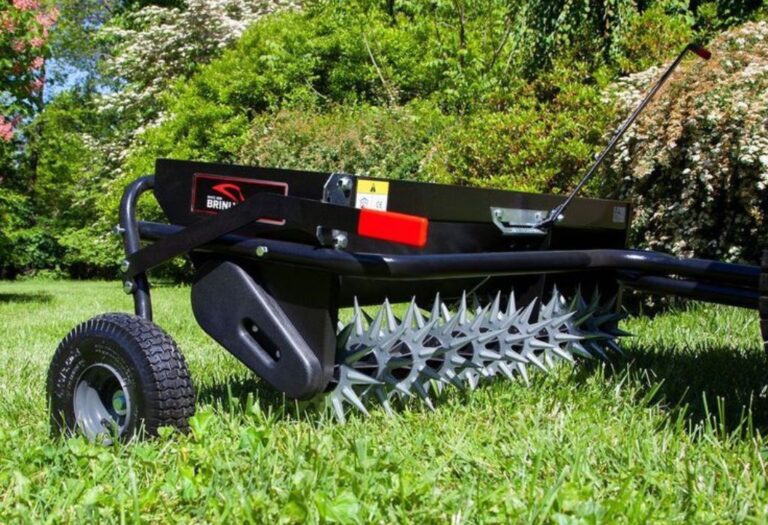
Core aeration is a method in which small cores of soil are removed from the lawn to improve soil health. This method has long been a favorite, and it’s a good solution for improving your lawn. Learning about the process can help you better understand aeration. Core aeration offers unique benefits for a lawn’s overall health.
-
- The Process: A machine removes small soil plugs.
Core aeration is done by a specialized machine that removes plugs of soil from the lawn. These small cores create space in the soil, allowing air, water, and nutrients to reach the grass roots more easily. This helps reduce compaction and boosts the overall health of the lawn. The holes also help to break up the thatch layer, creating an ideal environment for grass to grow.
-
- Benefits: Immediate and visible results; long-lasting impact.
Core aeration has the advantage of delivering immediate and visible results. The removal of soil plugs provides relief from compaction and allows air, water, and nutrients to penetrate the soil. This leads to healthier, more vibrant grass. It’s a good choice for people wanting a long-term improvement to their lawns.
-
- Drawbacks: Labor-intensive; requires specific equipment.
Core aeration can be physically demanding, particularly if you have a large lawn. It involves using specialized equipment, which can be costly to purchase or rent. The process can also be time-consuming. While effective, it may not be suitable for all homeowners due to these challenges.
Comparing Liquid Aeration and Core Aeration
Let’s compare liquid and core aeration to help you decide which is best. Core aeration is great at removing soil plugs and providing immediate results. Liquid aeration changes the soil structure using chemical ingredients. Both methods offer advantages. The choice is determined by your lawn’s specific needs.
| Feature | Core Aeration | Liquid Aeration |
|---|---|---|
| Method | Removes soil plugs | Changes soil structure using liquids |
| Results | Immediate and visible | Gradual improvement |
| Equipment | Requires a core aerator | Requires a sprayer or watering can |
| Labor | Labor-intensive | Easier to apply |
| Durability | Long-lasting | May need to be repeated more often |
| Cost | Higher initial cost, especially if hiring | Generally more affordable |
Based on a study by the University of California, core aeration can improve water infiltration rates by up to 40% in compacted soils.
Applying Liquid Aerators: A Step-by-Step Guide
Applying liquid aerators is a simple process, suitable for homeowners. Following this guide will help you to do it right. The steps are easy to follow and give the best results. The process has become popular because it’s effective.
Preparing Your Lawn for Application
Preparing the lawn is a vital step for success. Getting your lawn ready will help the liquid aerator work best. These steps ensure the liquid aerator works effectively. Taking these steps is essential for the best results.
-
- Mowing: Mow the lawn to a reasonable height.
Before applying the liquid aerator, mow your lawn to a reasonable height. This makes it easier for the product to reach the soil. This gives the liquid aerator a clear path to the soil. You don’t need to cut it super short, but a tidy lawn helps with even coverage and absorption.
-
- Removing Debris: Clear any leaves, twigs, or other debris.
Remove any leaves, twigs, or other debris from your lawn. This will help the liquid aerator reach the soil and not be blocked. Clear the way for the product to work properly. Having a clean lawn ensures the liquid aerator can do its job.
-
- Watering (Optional): Lightly water the lawn before applying (optional).
Lightly watering the lawn before applying the liquid aerator can help the product to absorb into the soil. However, make sure not to overwater. You want the soil to be slightly moist. This will make it easier for the liquid aerator to penetrate the soil and take effect. This is an optional step, but it is useful for the best results.
Applying the Liquid Aerator
Applying the liquid aerator is a straightforward process. Correct application guarantees the best results. Following these steps ensures your lawn gets the care it needs. Using these steps will keep your lawn looking good.
-
- Mixing: Follow the product instructions for mixing.
Mixing the liquid aerator correctly is important for effectiveness. Always read the product label for specific instructions. Proper mixing ensures the product is diluted to the right concentration. Following the instructions will help you to get the best results for your lawn. Proper mixing is key for effectiveness.
-
- Application Method: Use a sprayer or watering can for even coverage.
Apply the liquid aerator using a sprayer or a watering can. This guarantees even coverage across your lawn. It’s also important to make sure the whole area is covered. If you use a sprayer, walk at a consistent pace. If you use a watering can, go slowly and systematically. This makes sure every part of your lawn benefits from the treatment.
-
- Coverage: Ensure the entire lawn is covered.
Make sure you have covered the whole lawn. Overlap passes slightly to avoid missing any spots. Check that the product is evenly distributed. This gives the whole lawn the same treatment. Regular, even application is crucial for the best outcome. Applying evenly will help the lawn flourish.
-
- Post-Application: Water the lawn after application.
After applying the liquid aerator, water your lawn. This will help the product soak into the soil. Watering helps the active ingredients reach the roots where they are needed. It also activates the chemicals, making them more effective. A good watering will improve the results. This is key for the product to work.
Timing and Frequency of Application
The timing and frequency of liquid aerator application are essential for best results. Correct timing ensures the product works well. These steps give your lawn the best treatment. Following this guidance will keep your lawn healthy.
-
- Best Time: Apply in the spring or fall.
The best times to apply liquid aerators are in the spring and fall. These seasons are generally better for root growth. During these times, the grass is actively growing and can easily absorb the nutrients. Applying at the right time also gives your lawn the best chance to recover from the stress of aeration.
-
- Frequency: Follow product instructions; usually, every few months.
How often you apply liquid aerator depends on the product. Follow the manufacturer’s instructions for the best results. Some products might require monthly applications, while others may be applied less frequently. This guarantees the lawn gets the necessary care. Consistent application keeps the lawn healthy.
-
- Weather: Avoid applying during extreme weather conditions.
Avoid applying liquid aerators during extreme weather, such as very hot or freezing temperatures. It’s best to apply the product when the weather is mild. This protects the product’s effectiveness. Extreme weather can stress the grass. Using the product under good conditions promotes the best results.
Frequently Asked Questions
Question: Is liquid aeration as effective as core aeration?
Answer: Liquid aeration can be effective for some lawn issues, particularly for minor compaction. Core aeration is often better for more severe compaction because it physically removes soil.
Question: Can I use liquid aeration on any type of grass?
Answer: Yes, liquid aerators are generally safe for most types of grass. However, always check the product label for specific instructions and warnings related to your grass type.
Question: How long does it take to see results from liquid aeration?
Answer: You may start to see improvements in a few weeks, with full results visible in a month or two. This will vary depending on the product and the condition of your soil.
Question: Are there any safety precautions I should take when using liquid aerators?
Answer: Always wear gloves and eye protection when handling liquid aerators. Follow the product’s instructions for mixing and application to ensure safety.
Question: Can I apply liquid aeration and fertilizer at the same time?
Answer: It’s generally safe to apply liquid aeration and fertilizer at the same time, but it’s best to check the product labels for compatibility. Applying them together can provide all the nutrients that are needed.
Final Thoughts
The idea of does liquid aerator loosen soil can seem complicated, but it’s really about giving your lawn what it needs to breathe and grow strong. Liquid aerators offer an alternative to traditional methods. They work by using specific ingredients to change the soil. Remember that preparation is key, and following the application steps carefully is crucial. While liquid aeration can be a great choice for some, it’s also important to understand the pros and cons to see if it is the best method for your needs. Consider your lawn’s specific needs when deciding which method is best. This will help your lawn stay healthy and improve. Go ahead, give your lawn the care it deserves, and watch it thrive!