How Often Should You Aerate Your Lawn? Simple Guide
Figuring out how often to aerate lawn can be a common head-scratcher for new homeowners and seasoned gardeners alike. It’s one of those lawn care tasks that sounds complicated, right? But don’t worry, it’s really not! This guide breaks it down in easy-to-follow steps. We’ll explore the reasons behind aeration, when it’s needed, and how to get it done. Get ready to learn everything you need to know to give your lawn the best chance to thrive.
What Is Aeration and Why Is It Important?
Aeration is basically giving your lawn’s roots some breathing room. Think of it like a spa day for your grass! Over time, soil can become compacted, especially in areas with heavy foot traffic or clay soil. This compaction squeezes the soil, making it hard for water, air, and nutrients to reach the grass roots. Aeration solves this problem by creating small holes or removing plugs of soil from your lawn.
This process encourages healthy root growth. Deeper, stronger roots mean a healthier, more resilient lawn. Aeration helps prevent that suffocating feeling by allowing essential elements to circulate. It’s like giving your lawn a fresh start, ensuring it can absorb what it needs to flourish. The result is a greener, thicker, and more vibrant lawn that can better withstand stress from heat, drought, and everyday wear and tear. It also helps reduce thatch buildup, which can also hinder the delivery of vital elements.
Types of Aeration Explained
There are two main types of aeration: core aeration and spike aeration. Core aeration is the most effective method. It uses a machine to remove small plugs or cores of soil and thatch from your lawn. These cores are typically about 2-3 inches long and spaced a few inches apart. This method alleviates soil compaction efficiently and lets air, water, and nutrients seep into the root zone.
Spike aeration, on the other hand, uses spikes to create holes in the soil. It’s less aggressive than core aeration. While it still offers some benefit, it doesn’t remove any soil. This type is generally less effective at breaking up compacted soil. Spike aeration might be suitable for lawns with very light compaction or as a quick refresh. Ultimately, core aeration is often the better choice for most lawns due to its superior performance.
-
- Core Aeration: This involves removing small cores of soil and thatch. This is the most effective way to break up soil compaction and improve air and water flow.
Core aeration is generally recommended for lawns with heavy clay soil or those that experience a lot of foot traffic. The holes created by core aeration allow more air, water, and nutrients to reach the roots of the grass. This leads to healthier root growth and a more resilient lawn. It also helps to reduce thatch buildup, which can suffocate the grass and prevent essential elements from reaching the roots. Core aeration typically leaves small soil cores on the lawn’s surface, which break down over time and return nutrients to the soil.
-
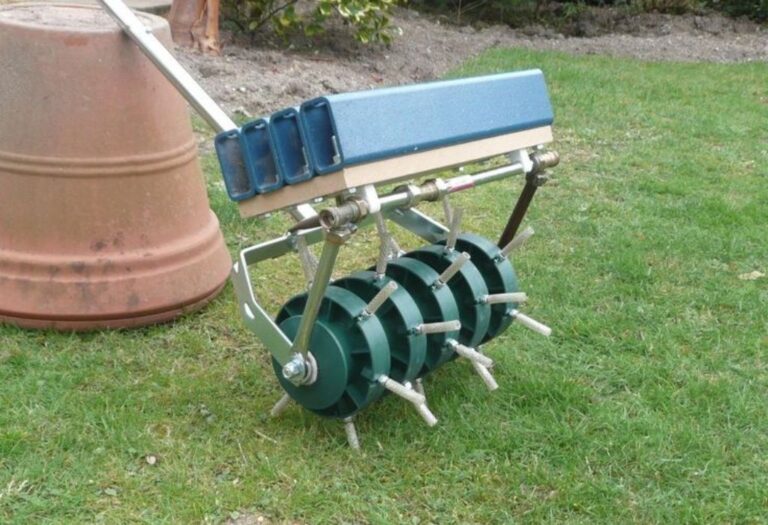
- Spike Aeration: Spike aeration uses solid tines to poke holes in the soil. It’s less disruptive, but also less effective than core aeration.
Spike aeration can be done with a manual tool or a machine with spiked rollers. This process creates a path for air, water, and nutrients to enter the soil. However, since no soil is removed, the impact on compacted soil is limited. Spike aeration might be a good option for lawns that are only lightly compacted or those that have sandy soil, but it’s not as effective as core aeration for improving overall lawn health. The holes are created by driving a series of solid tines into the ground, and these are often spaced relatively far apart, which is why it is less efficient at fighting compaction.
-
- Choosing the Right Method: Select core aeration for compacted soils and spike aeration for lighter needs. The right choice depends on your soil type and how compacted it is.
When selecting between the two aeration types, consider your lawn’s current condition and the underlying soil composition. For compacted clay soil, core aeration is superior because it removes soil plugs, creating space for air and water. If you have sandy soil or your lawn is only slightly compacted, spike aeration can provide some benefit. The decision depends on how much compaction your lawn has. The degree of compaction is also determined by things like foot traffic, soil type, and thatch. Core aeration is the go-to if you want the best results, especially if your soil is clay-heavy or suffers from heavy foot traffic.
Determining the Right Time to Aerate and How Often to Aerate Lawn

The best time to aerate your lawn depends on your grass type. Cool-season grasses like fescue, bluegrass, and rye benefit from aeration in the fall or early spring. This is when they are actively growing and can quickly recover from the aeration process. Warm-season grasses like Bermuda, zoysia, and St. Augustine should be aerated in late spring or early summer, when they are actively growing during the warmer months.
Aerating during the growing season gives the grass a chance to fill in the holes created by the aeration, leading to a faster recovery and better results. It’s worth remembering that you should avoid aerating during a drought or when the ground is frozen. Ideally, the soil should be moist but not waterlogged. Following the growing season for your grass type is the most impactful way to get a vibrant lawn.
Factors Influencing Aeration Frequency
The ideal frequency for aeration depends on several factors, including your soil type, the amount of foot traffic your lawn receives, and the overall health of your lawn. Lawns with heavy clay soil tend to compact more quickly than those with sandy soil. Lawns with a lot of foot traffic, such as those used for sports or play, also experience more compaction and may need to be aerated more often.
Generally, you should aerate a lawn with heavy clay soil once a year, or even twice, if there’s a lot of activity. Lawns with sandy soil may need aeration every other year. If your lawn is showing signs of compaction, such as standing water, thin grass, or excessive thatch, it’s a good idea to aerate, regardless of the schedule. By considering these factors, you can create a customized aeration plan that meets your lawn’s unique needs and promotes its health and vitality.
-
- Soil Type: Clay soils compact more easily, requiring more frequent aeration compared to sandy soils.
Clay soils are made of very fine particles that pack closely together, making it difficult for air, water, and nutrients to penetrate the soil. This leads to soil compaction, which chokes the grass roots and inhibits their growth. Sandy soils, on the other hand, have larger particles and more space between them, which makes them less prone to compaction. Therefore, lawns with clay soil benefit from yearly aeration, while sandy soils might only need aeration every other year. The frequency directly relates to the soil structure.
-
- Foot Traffic: High-traffic areas need more aeration to counter soil compression. This includes lawns used for sports, play, or frequent gatherings.
The constant pressure from people walking, running, or playing compacts the soil, squeezing out the air pockets that grass roots need to thrive. Lawns in such areas are subjected to a high level of stress, which can lead to thinning grass, poor root growth, and reduced overall lawn health. Aerating frequently in these areas can alleviate the compaction. This allows essential elements like air and water to penetrate the soil, resulting in a healthier and more resilient lawn.
-
- Lawn Health: Observe your lawn for signs like thinning grass, thatch buildup, and standing water.
If your lawn is showing signs of compaction, it’s a clear signal that aeration is needed. Thatch is a layer of dead organic matter that accumulates on the soil surface, hindering air and water movement, which leads to poor nutrient absorption. Standing water is another sign of compacted soil, as the water cannot drain properly. Thinning grass, slow growth, and yellowing are also indications that the roots are not receiving the necessary air and nutrients. Aerating your lawn can improve these conditions, stimulating new root growth and revitalizing your grass.
Step-by-Step Guide to Aerating Your Lawn
Aerating your lawn might seem like a big job, but breaking it down into steps makes it easy. First, gather your supplies, which include an aerator (either a core aerator or a spike aerator), a water hose, and maybe some markers. If you’re using a core aerator, it’s also helpful to have a tarp or a wheelbarrow for collecting the soil plugs.
Next, prepare the lawn by mowing the grass to a short height. This helps the aerator to penetrate the soil more effectively. Then, water the lawn thoroughly the day before you plan to aerate. The soil should be moist, but not soaking wet. Moist soil makes it easier for the aerator to penetrate. Once you’re ready, start aerating, making sure to overlap the passes to ensure full coverage. When you’re done, leave the soil plugs on the lawn to decompose, adding nutrients back into the soil.
Preparation and Timing
Preparing for aeration is important for getting the best results. Start by mowing your lawn. Cutting the grass shorter helps the aerator penetrate the soil more efficiently. Then, water the lawn the day before aerating. The water will soften the soil and make it easier for the aerator to work. Make sure to choose a day when the soil isn’t too wet or too dry.
Avoid aerating during extreme weather conditions, such as a heatwave or a drought. The best time is during the growing season for your grass type. For cool-season grasses, that’s typically in the early spring or fall. For warm-season grasses, aerate in late spring or early summer. Choosing the right time and prepping your lawn will make aerating much smoother and more effective.
-
- Mowing: Cut your grass short before aerating to allow the aerator to easily penetrate.
Mowing the lawn before aerating gives the aerator easier access to the soil, improving its efficiency. The shorter grass reduces the amount of material that the aerator has to navigate through. This allows the tines or cores to penetrate more effectively. Additionally, shorter grass can make it easier to see the aeration pattern, ensuring a thorough job, and helps to distribute the soil plugs more evenly across the lawn’s surface. A neatly mowed lawn also enhances the overall look and performance of the aeration process.
-
- Watering: Water the lawn before aerating to soften the soil for better penetration.
Watering the lawn before aeration makes the soil softer and easier for the aerator to penetrate. Moist soil allows the aerator’s tines or cores to enter the ground more deeply and effectively. This will achieve better results by creating deeper holes, which improves air and water flow. Water also helps the soil plugs come out more cleanly. Just make sure to water the lawn the day before, to give the soil time to absorb the moisture without becoming overly saturated.
-
- Choosing the Right Day: Avoid extreme weather conditions; aerate during the growing season.
Aerating during ideal weather conditions is crucial for the success of the process. Aerate your lawn during the growing season for your grass type, which is when the grass can best recover and benefit from the aeration. Avoid aerating during a heatwave or drought, as the grass will be stressed and may struggle to recover. The goal is to provide favorable conditions for the grass to thrive and recover quickly after aeration. Always check local weather forecasts.
Aeration Process and Aftercare
Operating the aerator is next. Whether using a walk-behind machine or a manual tool, follow the manufacturer’s directions. When using a core aerator, make multiple passes over the lawn to ensure adequate coverage, overlapping each pass slightly. With a spike aerator, it’s important to make sure the tines penetrate the soil deeply enough. For best results, consider a second pass at a different angle.
After aerating, leave the soil plugs on the lawn. They will break down and return nutrients to the soil. Water the lawn lightly after aerating to help the soil plugs break down. If you want, you can overseed your lawn immediately after aeration. This is when the seed can get right into the soil. Continue your regular lawn care routine, including watering, fertilizing, and mowing. Your lawn will show noticeable improvements in the coming weeks.
-
- Aeration Techniques: Make multiple passes, overlapping the aerator’s path for full coverage.
Overlap the aerator’s path to ensure that the entire lawn is adequately aerated. Overlapping ensures that all areas of the lawn receive the benefits of aeration, reducing any areas of compaction. This also helps to ensure that the process is even and thorough, promoting optimal air and water circulation. By slightly overlapping each pass, you’re not missing any spots, and the overall health and look of the lawn are improved. The overlap helps make sure all parts of your lawn get the same attention.
-
- Post-Aeration Care: Leave soil plugs on the lawn to decompose and return nutrients.
Leaving the soil plugs on your lawn after aeration is a good practice. As they break down, the soil plugs return valuable nutrients back to the soil, enriching it and boosting the overall health of your lawn. These plugs also break down over time, returning vital elements to the soil. Avoid picking up the soil plugs; they are a part of the process. Simply let them decompose naturally. That natural breakdown process is part of what makes the aeration effective.
-
- Overseeding: Consider overseeding immediately after aeration for a thicker lawn.
Overseeding right after aerating is an excellent way to improve the lawn’s density. The aeration process creates small holes that the grass seeds can fall into, which improves the seeds’ contact with the soil and increases the chances of germination. Doing this lets new grass establish itself more easily, leading to a thicker, fuller lawn. The aeration holes provide an ideal environment for new grass to grow, as the soil is loose and the seeds get direct access to water, air, and nutrients.
How Often to Aerate Lawn Based on Soil and Usage
The frequency of aeration is directly tied to your lawn’s soil type and how much use it gets. Clay soils, which compact easily, usually need aeration once a year. If your lawn gets a lot of foot traffic, you might want to aerate it twice a year, or at least in the spring and fall.
Sandy soils are less prone to compaction, so you may aerate these every two or three years. Also, note that a lawn used for sports or play needs more frequent aeration. These lawns see more compression. By considering these variables, you can develop a schedule that suits your lawn’s unique needs, thus encouraging its health and vitality.
| Factor | Aeration Frequency |
|---|---|
| Clay Soil with High Traffic | Twice a year (Spring and Fall) |
| Clay Soil with Moderate Traffic | Once a year (Fall or Spring) |
| Sandy Soil with Moderate Traffic | Every 2-3 years |
| Lawns for Sports/Play | Twice a year (Spring and Fall) |
Understanding Soil Compaction
Soil compaction happens when soil particles are pressed together, reducing the spaces between them. This reduces air circulation and the movement of water and nutrients, which hinders root growth. Various things can cause this problem, including foot traffic, heavy equipment, and the natural settling of soil. Clay soils are particularly susceptible due to their small particle size and ability to pack tightly.
The most noticeable signs of soil compaction are areas of standing water, thin grass, and stunted root development. By addressing soil compaction through aeration, you can reverse these issues, improving the overall health of your lawn. If left unchecked, soil compaction can lead to other issues, such as thatch buildup. This further worsens the situation, making it more challenging for grass to thrive.
-
- Clay Soils: These compact more readily than sandy soils, requiring more frequent aeration.
Clay soils are made up of very fine particles that pack closely together, leaving very little space for air or water to circulate. This leads to soil compaction. This compaction chokes the grass roots, making it difficult for them to get the nutrients and oxygen they need. Lawns with clay soil benefit from aeration once a year or twice if they get heavy use. Aeration creates space in the soil, allowing water and nutrients to get where they need to go.
-
- Foot Traffic: High foot traffic is a major cause of soil compaction.
Every step you take on your lawn compresses the soil, particularly in areas where people walk or play frequently. This is why lawns used for sports, play, or frequent gatherings often need more aeration. The consistent pressure compacts the soil, squeezing out air pockets and making it difficult for the roots to breathe. Frequent aeration can help combat this issue. This encourages the growth of a strong, healthy lawn. Aeration offers relief and helps your lawn stay healthy, despite the wear and tear.
-
- Other Factors: Heavy equipment, rainfall, and poor drainage can also contribute.
Heavy machinery like lawn mowers, tractors, and other equipment can compress the soil, leading to compaction. Also, heavy rainfall and poor drainage can contribute to soil compaction. If water can’t drain away fast enough, the soil particles get pushed closer together. These factors stress the grass roots, making it harder for them to access water, air, and nutrients. Aerating can help address these issues by creating pathways for water drainage and improving air circulation. Proper lawn care helps your grass remain healthy.
Lawns That Need Frequent Aeration
Certain lawns benefit greatly from frequent aeration. Lawns that get a lot of foot traffic, such as those used for sports or play, often require more frequent aeration due to the constant compaction. Lawns with clay soil also benefit from regular aeration. The tighter packing nature of clay soil leads to more compaction, which restricts root growth.
If your lawn shows signs of compaction, like standing water or thinning grass, it is likely it will need more attention. If you see thatch build up, it’s also a sign that aeration will help. These signs indicate that aeration is crucial for maintaining a healthy and vibrant lawn. If you have the need to aerate regularly, then you should. That practice will keep the root system healthier and better able to survive.
-
- High-Traffic Lawns: Fields used for sports or play need the most frequent aeration.
The constant foot traffic compresses the soil and makes it very difficult for grass to thrive. Aerating these lawns at least twice a year can relieve the compaction, improve air circulation, and allow water and nutrients to reach the grass roots more effectively. This ensures that the grass remains healthy and resilient, even with the heavy use it gets. Regular aeration improves the look and health of your lawn.
-
- Clay Soil Lawns: Clay soils compact more easily, making regular aeration key.
Clay soils are naturally prone to compaction because the fine particles pack closely together, leaving very little space for air or water. Without aeration, grass roots struggle to grow in clay soil, leading to poor lawn health. Regularly aerating clay soil helps to break up the compaction and improve the soil structure. This enhances drainage and allows roots to breathe. As a result, aeration allows essential nutrients to reach the roots.
-
- Lawns with Poor Drainage: Lawns that stay wet benefit from aeration.
Poor drainage can lead to soil compaction and restrict oxygen to the roots, which can make the grass weak. Aeration creates channels for excess water to drain away, which prevents waterlogging and improves the overall soil health. Regularly aerating a lawn with poor drainage allows the grass roots to stay healthy. This makes the lawn less prone to diseases and rot. Improved drainage means a healthier lawn.
Frequently Asked Questions
Question: When is the best time to aerate my lawn?
Answer: For cool-season grasses, aerate in the fall or early spring. For warm-season grasses, aerate in late spring or early summer.
Question: How do I know if my lawn needs aeration?
Answer: Look for signs like standing water, thin grass, compacted soil, and thatch buildup.
Question: What’s the difference between core and spike aeration?
Answer: Core aeration removes soil plugs. Spike aeration just pokes holes. Core aeration is more effective at addressing compaction.
Question: How often should I aerate my lawn each year?
Answer: Generally, clay soils need aeration once a year, and high-traffic areas may need it twice. Sandy soils may need aeration every other year.
Question: Is it okay to aerate my lawn after a recent seeding?
Answer: Yes, you can overseed immediately after aeration, as it helps seeds get into the soil.
Final Thoughts
So, you’ve learned about how often to aerate lawn and the benefits of giving your grass some breathing room. Now you have a good grasp of the process and why it matters. Remember, aeration helps prevent soil compaction and ensures that your lawn gets the air, water, and nutrients it needs to thrive. The frequency varies depending on your soil type, traffic, and overall lawn condition. If your soil is clay-heavy or gets a lot of use, you might need to aerate more often than if you have sandy soil or low foot traffic.
Consider the information you learned here to set up an aeration plan to meet your lawn’s specific needs. By doing this, your lawn can become greener and healthier. If you’re unsure about what’s best, start with core aeration in the fall or spring for cool-season grasses, and in the late spring or early summer for warm-season grasses. Good luck, and enjoy your revitalized lawn!