Can You Aerate Dry Soil? A Simple Guide for Gardeners
If you’re wondering if can you aerate dry soil, you’re not alone! It’s a common question, especially for those new to gardening. Dry soil can be tough to work with, but thankfully, there are ways to improve it. This guide will walk you through easy steps to help your plants thrive. You’ll learn the whys and hows, and soon, you’ll be well on your way to a healthier garden. Let’s get started!
What Aeration Means for Your Garden
Aeration simply means improving air circulation in the soil. Healthy soil has tiny spaces filled with air and water. These spaces are important for plant roots to breathe and absorb nutrients. When soil gets compacted or dries out, these spaces disappear. This makes it difficult for roots to grow and take up what they need. Aerating the soil helps to create those necessary spaces, allowing for better water drainage, root growth, and overall plant health. It’s like giving your plants a breath of fresh air!
Why Aeration Matters
Good soil aeration is very important for a thriving garden. Roots need air to function and to grow properly. Imagine trying to breathe in a stuffy room; plants feel similar when soil is too packed. Air helps the roots absorb nutrients from the soil efficiently, and oxygen is necessary for many important biological processes. Soil aeration also improves water drainage; allowing excess water to drain keeps roots from rotting. It is an investment in the health and vitality of your plants.
- Improved Root Development: Aeration helps roots expand and grow deeper, giving plants better stability and access to water and nutrients.
- Better Water Absorption: When the soil is aerated, water can penetrate the soil more easily, reaching the roots and providing the necessary moisture.
- Enhanced Nutrient Uptake: Aeration increases the amount of oxygen in the soil, which helps roots absorb essential nutrients.
- Reduced Compaction: Aeration breaks up compacted soil, allowing for better air circulation and drainage.
- Healthier Plants: Overall, aerating your soil will lead to stronger, more vibrant plants that can resist disease and pests more effectively.
Consider the process of how soil naturally becomes compacted. Over time, factors like foot traffic, heavy rain, and the natural settling of soil particles all contribute to compaction. The soil loses its structure as the spaces between soil particles diminish, resulting in a dense environment that makes it difficult for roots to grow and for essential elements like air and water to penetrate. Aeration is a helpful solution to counteract these issues and keep your soil’s health in good standing.
How to Tell if Your Soil Needs Aeration
Figuring out if your soil requires aeration is easy. There are several signals your garden will give you. Watch out for signs that suggest the soil isn’t getting enough air. Remember, understanding these signals helps you provide better care for your plants. A few simple observations can make a big difference.
Signs of Compacted Soil
Several clues can tell you if your soil needs aerating. These indicators are crucial for determining if your plants are struggling because of compacted soil. Recognizing these signs helps you know when to take action and gives your plants what they need to thrive. Look closely, and your plants will tell you what’s wrong.
- Water Pooling: If water sits on the surface of the soil for long periods after watering or rain, it’s a sign that the soil is not draining properly.
- Stunted Growth: Plants may grow slowly or not reach their full potential if the roots can’t expand and take up nutrients because of compressed soil.
- Yellowing Leaves: Insufficient oxygen and nutrient uptake can cause the leaves to turn yellow, especially in lower leaves.
- Hard or Crusted Surface: A soil surface that is hard and difficult to break up with a hand trowel or shovel is a common indicator of compaction.
- Poor Root Development: When you pull up a plant, if the roots appear shallow or don’t spread well, it suggests that the roots are unable to penetrate the compacted soil.
The health of your plants strongly relates to the structure of your soil. Compacted soil often limits the air, water, and nutrients that roots need to grow and function. If your plants are showing any of these signs, consider soil aeration. This process will improve the soil environment. Proper care lets your plants get the necessary elements. The health of your plants will noticeably change for the better when the soil is aerated and optimized.
Ways to Aerate Dry Soil Effectively

Even though the question of can you aerate dry soil seems tricky, it’s very manageable, and the methods you use can make a big difference. The tools and techniques vary based on your garden’s size and the degree of compaction. From simple hand tools to more sophisticated machinery, there’s a solution for every gardener. With the right approach, you can easily create the best environment for your plants.
Hand Aeration Methods
For small gardens or areas, hand tools are great choices. These methods are easy to learn and provide you with good control over the process. Hand aeration lets you target specific areas and is also a great way to do the work yourself. These techniques are good choices for beginners.
- Garden Fork: A garden fork is a classic tool for aerating. Push the fork into the soil and gently rock it back and forth to create small holes.
- Aeration Sandals: Aeration sandals have spikes on the bottom that poke into the soil as you walk. They are a good option for lawns.
- Hand Aerator: A hand aerator is a small tool with a hollow tube that removes soil cores, creating better aeration.
Hand tools are great choices for small gardens. They are simple to use and offer precision. While hand aeration may be slower than using machines, it gives you a more direct interaction with the soil. You’ll better know your soil’s condition and be able to aerate only where necessary. Hand tools are ideal for people who like to be involved in the details of their gardening.
Using Aeration Machines
For bigger spaces or severe compaction, machines can make your work easier. These tools are made to efficiently aerate large areas and are perfect for lawns or extensive gardens. From aerators that remove soil plugs to those with solid tines, there’s an aerating machine to meet every gardener’s needs. If your garden is a larger scale, you may find that the use of a machine will save you a lot of time and effort.
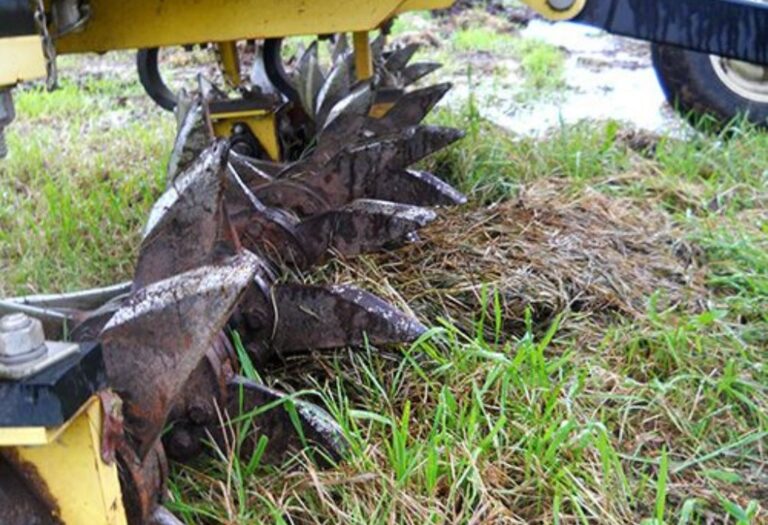
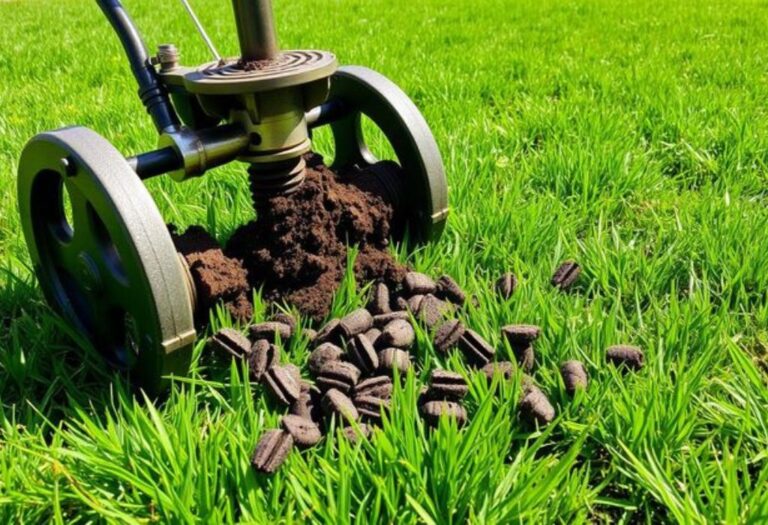
- Core Aerator: Core aerators remove small plugs of soil from the ground, creating larger air spaces and better aeration.
- Spike Aerator: Spike aerators use solid tines to poke holes in the soil, which helps to loosen the soil but does not remove any soil plugs.
- Dethatcher/Aerator Combo: Some machines combine dethatching and aeration, making them useful for removing thatch while aerating.
- Lawn Roller Aerator: Similar to a lawn roller, these devices are designed with spikes to perforate the soil while you move.
Aeration machines can be a big help for larger spaces or severely compacted soil. Core aerators, for example, remove small plugs of soil, which creates channels for air and water. These machines are a good option if you want to increase the efficiency of aerating your soil. Remember to consider the size of your garden and the degree of compaction when choosing a machine. You can aerate efficiently and help your plants flourish by using the right tools.
Proper Timing for Aeration
The best time to aerate your soil can also impact your success. The ideal timing for aeration depends on your region and the type of plants you have. Proper timing makes sure your aeration efforts are successful. Consider these important points when you are planning.
- Early Spring or Fall: The most popular times to aerate are in the early spring or fall. During these seasons, temperatures are cooler and the soil is moderately moist, providing conditions for aeration.
- After Rainfall or Watering: Aerating when the soil is slightly moist makes it easier to penetrate and reduces the chance of damaging your plants’ roots.
- Before Fertilizing: Aerating your soil helps to improve nutrient uptake, which helps to enhance the efficiency of fertilizers.
Timing plays a crucial part in the aeration process. Aerating your soil at the right moment can improve its effectiveness. The early spring and fall seasons are often the most effective times. Soil that is slightly moist during aeration is easier to work with, which ensures better results and minimizes any harm to the roots. Consider aerating before fertilizing to enhance nutrient uptake. By properly timing your aeration efforts, you can maximize their impact on plant health and soil. This helps you get better results in the garden.
Improving Soil Health After Aeration
After aerating, you can take additional steps to improve soil health. Supplementing aeration with additional soil improvement techniques can amplify the benefits. With some care, you can create a healthy growing environment that benefits your plants for a long time. These practices complement aeration, offering a holistic approach to garden care.
Adding Organic Matter
Adding organic matter is a simple and effective step to improve your soil. Organic matter, such as compost and manure, adds nutrients and improves soil structure. It also helps to hold water and nutrients, which creates a healthy environment for roots. By incorporating organic material into your soil, you provide it with essential components for plant growth.
- Compost: Adding compost to your soil is a great way to improve its quality. Compost provides nutrients and improves soil structure, which helps to retain moisture.
- Manure: Well-rotted manure, used carefully, is an effective soil amendment. It adds nutrients and helps improve soil structure. It’s important to use well-rotted manure to prevent burning the plants.
- Cover Crops: Planting cover crops, like clover or rye, helps improve the soil structure. They also prevent erosion and add organic matter. Cover crops enhance soil fertility.
Incorporating organic matter after aeration boosts the soil’s quality. Adding compost, manure, or cover crops enriches the soil. Compost provides nutrients and enhances water retention. Well-rotted manure helps, too, but it should be used carefully. Cover crops contribute to soil health. This ensures the best growing conditions for your plants. It’s a holistic approach that improves your soil’s health and the success of your garden.
Watering and Fertilizing After Aeration
After aerating the soil, proper watering and fertilization are key to plant health. Watering and fertilizing provide plants with the resources they need. Regular watering helps roots absorb nutrients. Fertilization supports growth. A well-nourished garden will produce better results. These steps help your plants recover and thrive.
- Watering Deeply: After aeration, water the soil deeply to ensure water reaches the roots. Deep watering helps the soil retain moisture and encourages root growth.
- Fertilizing: Use a balanced fertilizer to give plants the nutrients they need. Fertilizers improve plant growth and health. Apply the fertilizer according to the package directions.
- Mulching: Applying a layer of mulch helps retain moisture and regulate soil temperature. Mulch protects against erosion, too.
Proper care after aeration improves plant health and soil structure. Deep watering allows water to reach the roots, supporting nutrient uptake. Fertilizing adds nutrients. Mulching helps retain moisture, and it protects the soil. Watering, fertilizing, and mulching help your plants thrive. It’s a complete approach to supporting plant growth and overall garden health.
Frequently Asked Questions
Question: Can I aerate dry soil?
Answer: Yes, you can aerate dry soil, but it’s easier and more effective to aerate when the soil is slightly moist. Lightly watering the soil before aerating can help the process.
Question: How often should I aerate my soil?
Answer: For lawns, aerate once or twice a year, usually in the spring or fall. For gardens, you might need to aerate every one to three years, depending on the soil type and how compacted it gets.
Question: What’s the best tool for aerating a large lawn?
Answer: A core aerator is usually the best option for large lawns. It removes small plugs of soil, which allows better air and water circulation.
Question: Is it okay to aerate the soil around my trees?
Answer: Yes, aerating around trees can be beneficial, but be careful not to damage the tree roots. Use a hand aerator or garden fork, and avoid going too deep.
Question: What can I do after aerating my soil?
Answer: After aerating, it’s beneficial to add organic matter like compost, water the area thoroughly, and fertilize. This helps to maximize the benefits of aeration.
Final Thoughts
So, can you aerate dry soil? Absolutely! Aerating dry soil can be a beneficial step, but the process may be more effective when the soil has some moisture. Now, you have a clear understanding of aeration and its value. You know how to identify the signs of soil compaction and use the right tools for your garden. From hand tools for small spaces to machines for larger areas, you can choose what works best. Remember to improve the soil by adding organic matter, watering well, and fertilizing after aerating. Doing these things guarantees the success of your garden. Embrace these simple steps to help your plants flourish, and keep the soil healthy.