Can You Roll Lawn Too Much Understanding Lawn Care Practices
If you’re new to lawn care, figuring out if you can you roll lawn too much can be tricky. It’s a common question, and it’s easy to make mistakes. Don’t worry, though; we’ll break it down step-by-step. This information will help you understand lawn rolling and make sure your lawn stays healthy and green. Let’s find out how to keep your grass in tip-top shape without causing any damage.
What Is Lawn Rolling and Why Do People Do It?
Lawn rolling is the process of using a lawn roller, which looks like a large, heavy cylinder, to flatten the surface of your lawn. This is often done to address uneven patches, smooth out bumps, or press down small stones. Think of it like a giant rolling pin for your grass! The idea is that it improves the overall look and health of the lawn. However, if done at the wrong time or too often, it can actually harm your grass, which is why it’s essential to get it right. Before you start, it’s a good idea to assess the condition of your lawn and the specific issues you want to address.
When Is Lawn Rolling Appropriate?
Lawn rolling can be beneficial, but it’s important to know when it’s appropriate. The goal is to correct surface imperfections without harming the grass. It’s best used on lawns with minor irregularities, such as bumps or settling after new seed has been spread. For example, if you’ve recently seeded your lawn, rolling can help press the seeds into contact with the soil. However, avoid rolling if the soil is overly wet, as this can compact the soil. Also, rolling should only be done when the grass is actively growing. If your lawn has serious issues, like significant drainage problems or extensive damage, rolling is not the solution. Consulting with a lawn care professional may be helpful.
- Smoothing out uneven areas: Lawn rolling is a great way to fix small bumps and dips in your lawn. This is especially useful after the ground has settled or after heavy foot traffic. The roller helps to level the surface, creating a more uniform appearance and making mowing easier.
- Pressing down newly sown seeds: After spreading grass seed, a light rolling can help ensure the seeds make good contact with the soil. This improves germination rates and encourages healthy growth. This helps to secure the seeds in the ground and prevents them from washing away during watering or rainfall.
- Fixing frost heaves: In colder climates, frost heaves can push the soil up, creating uneven patches. Rolling can help flatten these areas when the ground thaws. It is important to note that you should only do this when the ground is dry enough.
- Addressing minor soil settling: Over time, soil can settle, creating low spots. Rolling can help remedy these minor issues. This is particularly relevant in areas where the soil composition or drainage is less than ideal.
When to Avoid Lawn Rolling
While lawn rolling can be helpful in certain situations, it’s not always the right choice. Knowing when to avoid rolling is just as important as knowing when to do it. Rolling at the wrong time or in the wrong conditions can cause serious damage to your lawn. Consider the health of the soil, the type of grass, and the weather conditions before rolling. If you’re unsure, it’s always best to err on the side of caution. Overdoing it is worse than not doing it at all. It might seem like a quick fix, but it’s important to consider the long-term health of your lawn.
- Rolling on wet soil: Avoid rolling when the soil is wet, especially after rain or irrigation. This is a critical point! Wet soil is easily compacted, which pushes out air pockets and makes it hard for grass roots to get the air and nutrients they need. This leads to unhealthy grass and can even kill it.
- Rolling during dry spells: Avoid rolling during dry periods. Dry soil doesn’t give, and you could damage the grass roots, making them brittle and more prone to breaking. The stress from the roller, combined with the lack of moisture, can be devastating.
- Rolling on compacted soil: If your soil is already compacted, rolling will only make it worse. Compacted soil prevents air and water from reaching the roots. Instead of rolling, you should consider aerating your lawn to break up the compaction.
- Rolling on newly established lawns: Avoid rolling newly seeded or sodded lawns. Young grass is delicate and can be easily damaged. Wait until the grass is well-established before rolling. Otherwise, you risk uprooting the new growth.
- Rolling heavily sloped lawns: On heavily sloped lawns, rolling can make the surface even more unstable. This increases the risk of soil erosion, especially during heavy rainfall. Consider other methods to improve the appearance and health of your lawn on slopes.
Understanding the Impacts of Over-Rolling

Over-rolling can cause several problems, which can damage your lawn. Knowing the impact of over-rolling is key to keeping your lawn healthy. Excessive rolling can lead to compacted soil and stressed roots, and it can also create an environment where diseases thrive. Understanding these consequences helps you make informed decisions and maintain a beautiful, healthy lawn.
Consequences of Excessive Lawn Rolling
Too much rolling can have several undesirable consequences, which can seriously compromise the health and look of your grass. Rolling too often or using a roller that is too heavy can create a range of issues. Excessive rolling can turn a thriving lawn into a patchy mess. Proper lawn care involves balancing the benefits of rolling with the potential risks. Learning to identify the signs of over-rolling is important. Be mindful of how your grass responds to each rolling session.
- Soil Compaction: This is a major issue with excessive rolling. Compaction squeezes the air out of the soil. This makes it difficult for grass roots to get the air and nutrients they need to grow. The result is weak, unhealthy grass that’s more vulnerable to stress.
- Root Damage: The pressure from the roller can damage grass roots, especially when the soil is dry or compacted. Damaged roots struggle to absorb water and nutrients, which impairs the grass’s ability to thrive. Damaged roots lead to yellowing, thinning, or even dead patches in the lawn.
- Reduced Water and Nutrient Absorption: Compacted soil reduces the ability of water and nutrients to reach the roots. This leads to stunted growth, reduced color, and a weakened lawn. The grass becomes less able to withstand environmental stresses such as drought, diseases, or foot traffic.
- Increased Risk of Diseases: Over-rolling can weaken the grass, making it more susceptible to diseases. Compacted soil and stressed grass provide ideal conditions for fungal infections. These can quickly spread and damage the lawn.
- Thatch Buildup: Thatch is a layer of dead organic matter that builds up on the surface of the lawn. While a small amount is normal, excessive thatch can suffocate the grass roots. Rolling can contribute to thatch buildup.
Identifying the Signs of Too Much Rolling
Spotting the signs of over-rolling is important for fixing the damage. Recognizing the issues early can save your lawn from more serious problems. Regularly look at the appearance and overall health of your lawn. Prompt action can get your lawn back on track. Watch for these signals to prevent further damage.
- Yellowing or Browning Grass: This is one of the most visible signs of over-rolling. Grass that’s been rolled too much often turns yellow or brown, indicating root damage and stress. It may start as isolated patches but can spread if the underlying cause isn’t addressed.
- Thinning or Sparse Areas: If the grass starts to thin out, especially in areas where you’ve rolled, it’s a warning sign. Over-rolling can damage the roots, which causes the grass to die back or fail to regrow. This often leads to bare patches.
- Slow Growth: Over-rolled grass grows more slowly than healthy grass. The roots can’t absorb water and nutrients efficiently. This slows down the overall growth rate of your lawn, making it look less full and vibrant.
- Compacted Soil: You can test for compaction by trying to push a screwdriver or a soil probe into the ground. If it’s difficult to insert, the soil is likely compacted. You may also notice standing water after rain or irrigation.
- Increased Weed Growth: Compacted soil and weak grass can give weeds an advantage. Weeds can easily take root in areas where the grass is struggling to grow. If you notice more weeds than usual after rolling, it could be a sign of overdoing it.
Alternative Techniques for Lawn Care
When you’re tempted to roll your lawn, remember that other methods can often provide better results. Understanding these alternative methods, like aeration, overseeding, and topdressing, can greatly improve the health and appearance of your lawn. These techniques tackle different lawn issues and give your grass what it needs to thrive. Considering a blend of techniques will give you a healthier lawn than rolling alone.
Aeration: The Breath of Fresh Air for Your Lawn
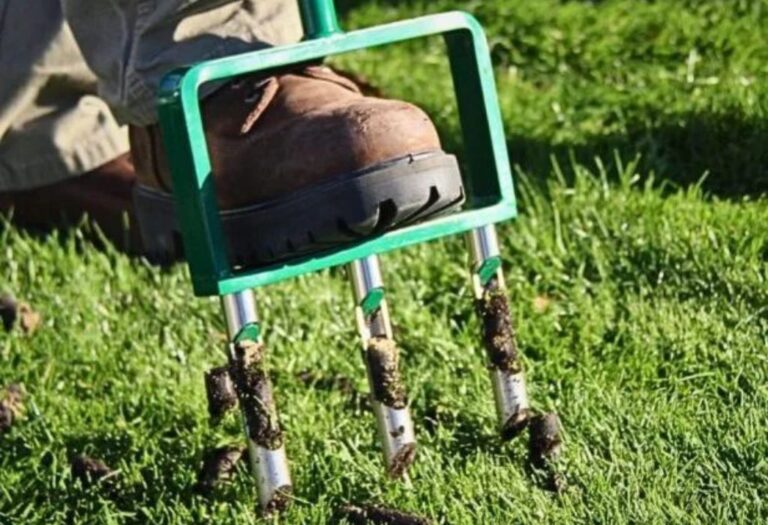
Aeration involves making small holes in your lawn to improve air circulation and reduce soil compaction. This is key for letting water, air, and nutrients reach the grass roots. Aeration is especially beneficial for lawns that experience heavy foot traffic or have clay soil. There are different methods, including core aeration, which removes small plugs of soil, and spike aeration, which creates holes using solid tines. It’s often recommended to aerate your lawn once or twice a year, especially in the spring or fall. Aeration promotes a healthier root system and a more vibrant lawn.
- Why Aerate?
Aeration is crucial for several reasons. Compaction, a common issue, reduces the spaces between soil particles, making it hard for roots to get the air and water they need. Aeration creates channels for air, water, and nutrients. Aeration allows these resources to reach the roots, supporting healthy growth. - Types of Aeration:
There are two main types of aeration. Core aeration removes small plugs of soil, creating larger holes. This is the more effective method for relieving compaction. Spike aeration uses solid tines to poke holes in the ground. While it’s easier, it’s not as effective as core aeration, especially for compacted soil. - When to Aerate:
The best times to aerate are usually during the growing season. Spring and fall are ideal. In spring, aeration helps prepare the lawn for summer. In the fall, aeration helps the grass recover from the summer stress and prepares it for winter. This allows for new root growth and improved health. - Benefits of Aeration:
Aeration offers several benefits. It reduces soil compaction, improves air and water movement, and promotes root growth. Aeration can also help with thatch buildup. Aeration prepares the ground for overseeding.
Overseeding: Filling in the Gaps
Overseeding is the process of spreading grass seed over an existing lawn to fill in thin spots or improve density. This helps create a thicker, more lush appearance. This technique is often used in combination with aeration. Aeration creates holes in the ground, and overseeding allows the seeds to settle into these holes, improving germination rates. The best time for overseeding is usually in the fall, as the cooler temperatures and increased rainfall provide ideal growing conditions. Choose a grass type that suits your climate and needs. Regular overseeding can help keep your lawn looking its best.
- Benefits of Overseeding:
Overseeding brings several benefits. It thickens the existing grass, which improves the appearance of the lawn. Overseeding helps to crowd out weeds. Overseeding makes your lawn more resistant to diseases. Overseeding improves the overall health and look of the lawn. - Choosing the Right Seed:
Selecting the right grass seed is essential. Consider the climate, soil type, and sun exposure of your lawn. Choose a seed mix that’s designed for your region and specific needs. Look for disease-resistant varieties. - Preparing for Overseeding:
Preparation is important for successful overseeding. Start by mowing your lawn. Aerate the lawn to improve soil conditions. Spread the grass seed evenly using a spreader. Follow the seed with a light watering to keep the soil moist. - Aftercare:
After overseeding, care is important for getting good results. Keep the soil consistently moist until the new grass is established. Avoid heavy foot traffic on the newly seeded areas. Once the grass has grown enough, you can resume normal mowing.
Topdressing: Adding the Finishing Touch
Topdressing involves spreading a thin layer of compost or other organic material over your lawn to improve soil health and level the surface. This technique improves soil structure and provides nutrients. Topdressing is especially beneficial for lawns with poor soil quality or those that have uneven patches. The material fills in low spots. It also promotes better drainage. Topdressing is generally done in the spring or fall. It’s a key part of an effective lawn care routine, contributing to a healthy and beautiful lawn.
- Materials for Topdressing:
Several materials can be used for topdressing. Compost is a great option. It improves soil structure and adds nutrients. You can also use a mixture of sand and soil. Make sure the material is well-composted and free of weeds. - How to Topdress:
To topdress, start by mowing your lawn. Spread a thin layer of the topdressing material over the lawn. Use a rake or leveling tool to spread the material. The goal is to fill in low spots and create a more level surface. - When to Topdress:
Topdressing is best done in the spring or fall. These are peak growing seasons. The grass will be able to recover and benefit from the added nutrients. Avoid topdressing during the heat of summer. - Benefits of Topdressing:
Topdressing has several benefits. It improves soil structure, which enhances drainage and aeration. Topdressing adds nutrients to the soil. It helps to level uneven areas of the lawn. Topdressing also helps to control thatch buildup.
Implementing Safe Lawn Rolling Practices
If you’ve decided to roll your lawn, safety is the most important thing. You want to make sure you use the roller in a way that benefits your grass without causing harm. Taking the time to understand safe rolling practices, from choosing the right roller to preparing your lawn, can help you avoid potential problems. Safety is essential, and this ensures you get the best possible outcome for your lawn.
Choosing the Right Lawn Roller
Choosing the right lawn roller is important for protecting your grass. Selecting the appropriate size and weight of the roller for your lawn is key. Consider the size of your lawn, the type of grass, and the soil conditions. You can choose from various types of lawn rollers, including those that can be filled with water or sand to adjust the weight. This provides more control. It is also important to consider the size of the roller. A smaller roller may be fine for small lawns, while larger lawns may need wider rollers to make the job easier. Choosing the right roller helps you get the results you want without causing damage.
- Weight Considerations:
The weight of the roller is a key factor. A heavier roller will provide more compaction, while a lighter roller is gentler. A general rule is to use a roller that weighs between 100-200 pounds when filled. Adjust the weight based on your lawn. - Roller Material:
Lawn rollers are usually made of steel or plastic. Steel rollers are more durable. They can withstand more use. Plastic rollers are lighter and can be easier to maneuver. Select a material that suits your needs. - Size and Maneuverability:
The size of the roller is important for easy use. A smaller roller is great for tight areas and is easy to steer. Larger rollers can cover more ground. - Adjustable Rollers:
Some rollers can be filled with water or sand to adjust their weight. This provides more flexibility. You can adjust the weight to suit different soil conditions.
Preparing Your Lawn for Rolling
Preparing your lawn properly before rolling is critical for getting good results and avoiding damage. By taking these steps, you can create the best conditions for a successful rolling session. Preparation protects your grass and helps you get the results you want. Remember that preparation is key, and it plays a huge role in the health and look of your grass.
- Mowing:
Mow your lawn before rolling. This allows you to assess the surface more easily. It also ensures the grass blades are evenly cut, which improves the rolling process. Make sure to cut your grass at its ideal height. - Cleaning:
Clean your lawn. Remove any debris, such as rocks, twigs, or fallen leaves. These can get in the way of the roller and cause damage. A clean surface ensures a smooth rolling process. - Soil Moisture:
Check the soil moisture. The soil should be slightly moist. Avoid rolling on wet or dry soil. Damp soil ensures that the rolling process is effective. - Addressing Issues:
Address any existing issues before rolling. If you have significant bumps or depressions, it is best to level these out before rolling. Light rolling is best.
Technique: How to Roll Your Lawn Effectively
Knowing how to roll your lawn properly ensures that you get the benefits without the risks. Effective rolling involves the correct technique, from the direction you roll to the speed you use. Learning the right techniques will help you achieve the best results while keeping your lawn healthy and happy. Following these steps ensures your lawn receives the benefit of rolling without damaging the grass.
- Direction:
Roll in straight, overlapping passes. Start in one direction and then switch to a perpendicular direction. This will help to cover the entire lawn evenly. Avoid rolling in the same direction repeatedly, as this can cause soil compaction. - Speed:
Roll at a slow and steady pace. A speed of about 3-4 miles per hour is ideal. This ensures that the roller applies even pressure. Fast rolling can cause uneven results or damage. - Overlap:
Overlap each pass by a few inches. This will help to ensure that the entire lawn is covered evenly. Overlapping prevents any unrolled areas. This guarantees a thorough and consistent result. - Monitoring:
Monitor your lawn during and after rolling. Look for any signs of damage. If you notice any issues, such as excessive compaction or root damage, adjust your rolling technique.
Frequently Asked Questions
Question: How often should I roll my lawn?
Answer: Generally, you should roll your lawn no more than once or twice per year, and only when necessary. This should be done during the growing season when the grass is actively growing and the soil is slightly moist, but not wet.
Question: What time of year is best for lawn rolling?
Answer: The best times to roll your lawn are spring or early fall. In the spring, you can address any damage from winter. In the fall, you can prepare your lawn for the winter season and any new seeds.
Question: What if my soil is compacted?
Answer: If your soil is compacted, rolling may not be the best solution, as it can worsen the situation. Instead, consider aerating your lawn to improve soil aeration and reduce compaction. Aeration can help the grass to get the air and nutrients that it needs.
Question: Can I roll my lawn if it has a slope?
Answer: You should be careful when rolling a lawn with a slope. Rolling a sloped lawn can increase the risk of soil erosion. It’s often better to avoid rolling slopes and choose alternative methods like overseeding or topdressing.
Question: Is it okay to roll my lawn after seeding?
Answer: Yes, you can lightly roll your lawn after seeding. This helps to press the seeds into contact with the soil. Don’t roll too heavily, and only do it when the soil is slightly moist. This will improve germination rates and encourage healthy growth.
Final Thoughts
So, can you roll lawn too much? Yes, absolutely! Rolling your lawn can be a useful way to smooth out uneven areas, but it’s important to do it correctly. Overdoing it can lead to compacted soil and damaged grass. Remember the key points: roll only when necessary, avoid wet or dry soil, and use the right roller. Consider other techniques such as aeration and topdressing for overall lawn health. By keeping these tips in mind, you can help to ensure your lawn stays beautiful, healthy, and green all season long. With some care and the right approach, your lawn can thrive.