Lawn Roller Water Capacity: A Beginner’s Guide to Success
Figuring out the right lawn roller water capacity can seem tricky when you’re first getting started. You might worry about overfilling the roller and making a mess, or underfilling it and not getting the results you want. Don’t worry, many people feel this way when they begin. This guide will walk you through, step-by-step, everything you need to know. We’ll simplify the process so you can achieve the best possible results. First, let’s explore some key considerations.
Choosing the Right Lawn Roller for the Job
Picking the correct lawn roller is the first step toward achieving a beautiful lawn. It is important to consider the size of your lawn, the tasks you plan to undertake, and the type of soil you have. Selecting the wrong roller can lead to poor results, wasted time, and potential damage to your grass. Some rollers are best for leveling uneven ground, while others are great for packing down newly seeded areas. Understanding the differences between these rollers, and the factors that influence their effectiveness, is essential for a successful lawn care routine. There are different materials and sizes. The size affects the overall pressure, and the materials dictate the durability.
Roller Type
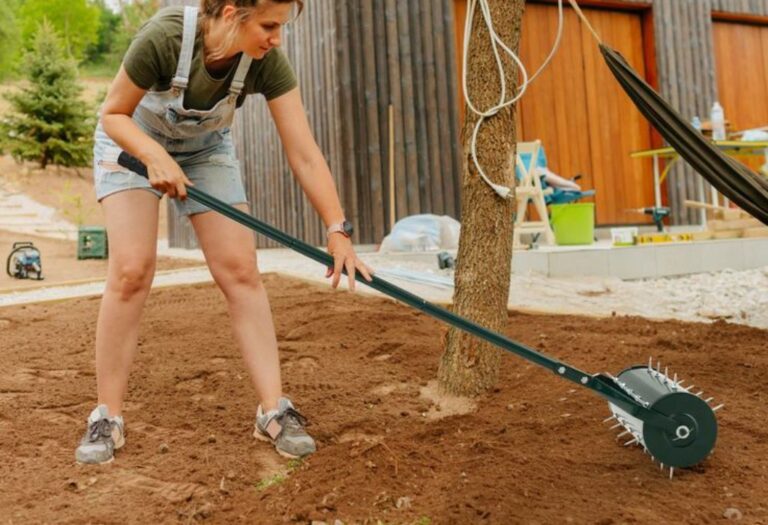
Lawn rollers come in various types, each suited to specific tasks. You’ll find push rollers, which you operate manually, and tow-behind rollers that attach to a riding mower or garden tractor. Push rollers are better for small lawns because they’re easier to maneuver. Tow-behind rollers are more efficient for large areas. Choosing the right roller type significantly influences how quickly and effectively you can achieve the desired results. Also, there are different materials such as steel, plastic, and poly. Steel rollers are the most durable, but they’re also the heaviest, which can make them more difficult to handle when empty. Plastic rollers are lighter and easier to maneuver, but they may not be as long-lasting. Poly rollers offer a good balance of durability and weight.
- Push Rollers: These are ideal for small lawns and yards with tight spaces. They’re typically less expensive and easier to store.
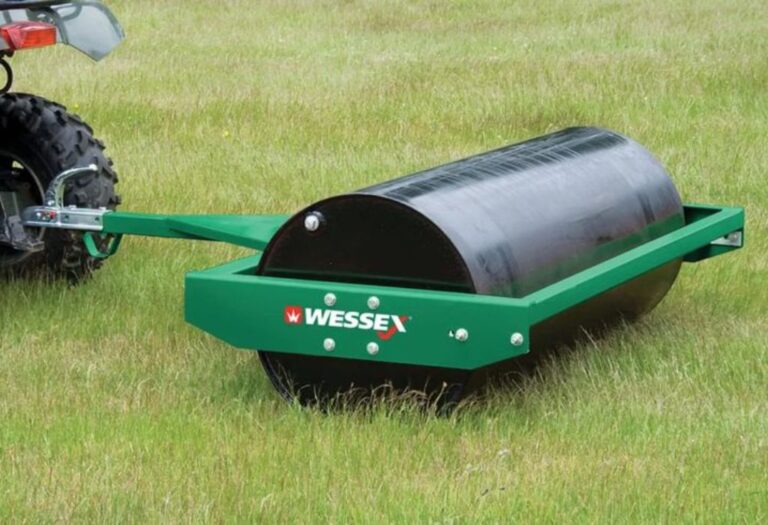
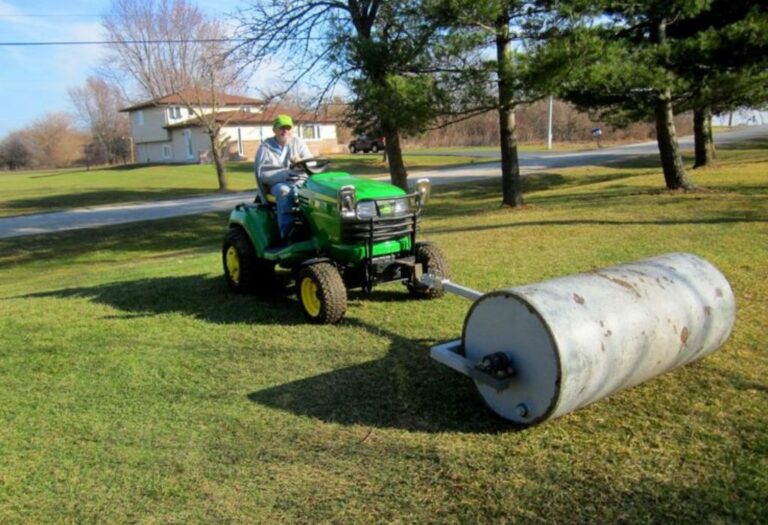
- Tow-Behind Rollers: Designed for larger areas, these rollers attach to a tractor or riding mower, making them great for larger properties.
- Water-Filled Rollers: These rollers use water for weight, allowing for adjustable pressure. This is good for various tasks, like seed contact.
- Solid Rollers: Some rollers are solid and filled with sand or other materials. These provide a constant weight.
For example, using a tow-behind roller on a half-acre lawn will be far quicker than using a push roller, saving you valuable time and effort. Conversely, using a tow-behind roller in a small, intricate garden can lead to unwanted damage. Choosing the appropriate type is the first step.
Roller Size and Weight
The size and weight of a lawn roller are key aspects when choosing the correct one. The size directly affects the width of the area you can cover with each pass, which impacts how quickly you can complete the job. A wider roller covers more ground but can be more challenging to maneuver, especially on smaller or more complex lawns. The weight, particularly when the roller is filled with water, determines the pressure applied to the soil. This is important for tasks like seed-to-soil contact or leveling uneven ground. A heavier roller compacts the soil more effectively, but it can also cause over-compaction, which is something you’d like to avoid. Balancing the roller’s size and weight with your lawn’s specific needs will result in better results. Too much weight can be detrimental.
- Small Rollers: Offer maneuverability in tight spaces, perfect for small lawns or intricate areas.
- Large Rollers: Cover more ground quickly, ideal for large lawns and open spaces.
- Adjustable Weight: Some rollers allow for adjustments in weight by adding or removing water or other materials.
- Weight and Soil Type: The soil type influences how the roller should be. Sandy soil requires less weight than clay soil.
If you have a large lawn and you want to smooth out a bumpy surface, a wider tow-behind roller with an adjustable weight will be more effective than a small, fixed-weight push roller. If you’re overseeding your lawn, a lighter, water-filled roller allows you to carefully pack the seeds into the soil without excessive compaction.
Understanding Lawn Roller Water Capacity and Its Importance

The lawn roller water capacity refers to the maximum volume of water the roller can hold. This capacity is a major factor in determining how much weight the roller can exert on your lawn. The more water the roller holds, the heavier it becomes, which in turn increases the soil compaction. The ability to control the water capacity is what makes the roller so useful. Understanding this capacity allows you to match the roller’s weight to the specific task at hand. For instance, more water might be used when pressing down newly laid sod. The correct capacity makes the difference.
Factors Influencing Water Capacity
Several factors affect the water capacity of a lawn roller. These include the roller’s size, material, and design. Larger rollers naturally hold more water than smaller ones, increasing their potential weight. The material of the roller also plays a role. Steel rollers are often designed with thicker walls. Therefore, they have a certain capacity limit. The design of the roller, including features like internal baffles, can influence how the water distributes within the drum. For example, baffles help to prevent the water from sloshing around, giving a more even weight distribution. Knowing these factors will help you make a good decision when you choose a lawn roller. Many people overlook these things, which is why it’s important to understand them.
- Roller Size: The overall dimensions of the roller directly impact its water holding capacity. Larger rollers typically have a higher capacity.
- Roller Material: The construction material, like steel or poly, can influence the design and, therefore, the capacity.
- Design Features: Internal structures, such as baffles, can affect how water is distributed and the usable capacity.
- Weight Limits: Manufacturers specify a maximum weight, including the water, that the roller can safely handle.
Consider two rollers: One made of poly, designed for a small yard, and another made of steel, built for a larger area. The steel roller, even if of similar overall size, might have a lower water capacity due to the thicker walls required for structural integrity. The poly roller will be lighter overall, giving it a higher water capacity. It is better to have more control of the water.
Why Water Capacity Matters
Knowing the lawn roller water capacity is important because it dictates the amount of weight you can apply to your lawn. This weight affects how well the roller performs tasks like leveling the surface, compacting the soil, or pressing down seed. Using too much weight, by overfilling the roller, can cause over-compaction. This can prevent water, air, and nutrients from reaching the roots of your grass, leading to unhealthy growth. Using too little weight might not be effective for flattening bumps or ensuring good seed-to-soil contact. Getting the correct water capacity is essential. It’s about achieving the desired outcome without damaging your lawn. The wrong amount of water will cause problems.
- Soil Compaction: The weight from the water compresses the soil, which can improve seed-to-soil contact.
- Surface Leveling: The weight helps to even out bumps and uneven areas on the lawn.
- Seed Contact: After seeding, the roller pushes the seeds into contact with the soil, aiding in germination.
- Over-Compaction: Too much weight can cause issues like poor drainage and unhealthy roots.
If you’re leveling an area with compacted soil, you will need to add more water to your roller to achieve the required weight to break up the soil. If you’re using the roller to push down newly laid sod, you need to use a lighter weight to avoid damaging the sod. It’s really about knowing the purpose.
How to Calculate and Manage Lawn Roller Water Capacity
Properly calculating and managing the water capacity of your lawn roller ensures you’re applying the correct weight for the task. This requires knowing the roller’s specifications and understanding how to measure and control the amount of water you add. It also involves considering your lawn’s specific needs, like soil type and the job you’re trying to achieve. Using the right amount of water helps avoid damage or underperformance. The whole idea is to have more control of the roller. A little water goes a long way.
Determining the Roller’s Maximum Capacity
To determine the maximum water capacity of your lawn roller, start by checking the manufacturer’s specifications. This information is usually found on the roller itself, in the user manual, or on the product’s packaging. These specifications tell you the total capacity. Be careful. The specifications will tell you the maximum water capacity in gallons or liters. Also, be careful to note any weight restrictions, as exceeding these can damage the roller. If you don’t have the original documentation, a simple way to find the information is to measure the internal dimensions of the roller’s drum. Calculate the volume of the cylinder using the formula: πr²h, where ‘r’ is the radius of the drum, and ‘h’ is the height or length. Remember that one gallon is about 231 cubic inches. Use these steps to determine the roller’s capacity.
- Check the Manufacturer’s Specifications: Look for the maximum water capacity and weight limits provided by the manufacturer.
- Measure Internal Dimensions: If specifications aren’t available, measure the internal diameter and length of the drum.
- Calculate Volume: Use the cylinder volume formula (πr²h) to determine the volume of the drum in cubic inches.
- Convert to Gallons or Liters: Convert cubic inches to gallons by dividing by 231.
For example, you find the roller’s internal drum dimensions are a radius of 10 inches and a height of 24 inches. Using the formula (π x 10² x 24), the volume of the drum is approximately 7,540 cubic inches. Dividing this by 231 cubic inches per gallon gives you a capacity of about 32.6 gallons. This is your maximum water capacity. Therefore, the maximum water capacity is a bit more than 32 gallons.
Adding and Monitoring Water
When you’re ready to fill your lawn roller, the right method of adding and monitoring the water is important. Using a garden hose is a common method for filling most rollers. Make sure the roller is on a level surface to make the filling process easier and more accurate. Use a water meter to measure the volume of water you add, as this allows you to fill the roller to the specific capacity required for your task. A water meter can prevent overfilling. As you fill, carefully watch the water level. Some rollers include a fill line to help with this. Fill the roller slowly to avoid creating air pockets. Check the weight of the roller regularly while filling. The goal is to fill the roller to the desired weight without exceeding its maximum capacity. Follow these easy steps.
- Prepare the Roller: Place the roller on a level surface.
- Use a Water Meter: Employ a water meter attached to your hose to measure the water.
- Fill Slowly: Add water gradually, allowing it to distribute evenly within the drum.
- Monitor the Water Level: Watch for a fill line or use your measurements to stop at the right level.
Imagine you’re overseeding your lawn, and you have determined that 15 gallons is the right amount of water for your 36-inch roller. You can use your water meter to add exactly 15 gallons, and then monitor the roller’s behavior on a test patch of lawn. This will ensure you apply the correct amount of weight. Over time, you’ll learn to fill the roller and perform the tasks with ease.
Adjusting Water Capacity Based on Task
The ability to adjust the lawn roller water capacity is vital, because it helps you adapt to different lawn care tasks. The amount of water you use directly affects the pressure the roller applies to your lawn. For tasks that require more compaction, like leveling uneven ground, you will need to add more water. For tasks like seed contact, a smaller amount of water might be suitable. For example, when you are compacting soil, more water increases the roller’s weight, which helps press down the soil and get rid of air pockets. If you are rolling newly laid sod, you want a lighter touch to avoid damage. This will give the roots a chance to grow. The weight of the roller has different effects based on the task.
- Leveling Uneven Ground: Increase water capacity for more weight to flatten bumps and depressions.
- Seed Contact: Use a moderate amount of water to ensure seeds make contact with the soil.
- Sod Installation: A lighter weight helps to secure the sod without causing damage.
- Soil Type: Adjust the water capacity based on the soil type; clay soils often need more compaction.
If you’re rolling a newly seeded area, start with a light fill, maybe half the roller’s capacity, and test on a small section of your lawn. Then, if the seeds are not making good contact with the soil, you can carefully add more water until you achieve the desired results. Understanding the job will help you.
Lawn Roller Water Capacity: Common Mistakes and How to Avoid Them
Making mistakes when dealing with lawn roller water capacity can lead to damage to your lawn and unsatisfactory results. The most common mistakes include overfilling the roller, which leads to over-compaction, underfilling the roller, which leads to ineffective rolling. You will also want to avoid using the wrong type of roller. These mistakes can cause problems. Knowing what to watch out for, and how to avoid them, will help you do a good job. A good outcome is what you’re after. Avoiding mistakes is the key to success.
Overfilling the Roller
One of the most common mistakes is overfilling the lawn roller. This happens when you add too much water. Adding too much water increases the weight beyond what your lawn can handle. The extra weight compacts the soil too much. Over-compaction pushes out air pockets and reduces the ability of the soil to absorb water and nutrients. This can lead to the death of grass. The roots cannot breathe. Always follow the manufacturer’s weight recommendations. The consequences of overfilling the roller include stunted growth and yellowing grass. The grass will not be able to grow properly. To prevent overfilling, always check the roller’s capacity, and carefully measure the water you add. Also, test the roller’s performance on a small patch of lawn before you roll the entire area. Keep the roller’s maximum capacity in mind.
- Compacted Soil: Overfilling compacts the soil. This makes it difficult for roots to grow.
- Poor Drainage: Soil compaction prevents water from draining properly.
- Reduced Nutrient Absorption: Compacted soil reduces the availability of essential nutrients.
- Root Suffocation: The roots won’t get enough air if they are compacted.
Imagine you’re preparing a new lawn. You fill your roller to its maximum capacity without considering your soil type. The heavy roller pushes down on the ground, creating compact soil. The roots of your new grass cannot grow. Your grass turns yellow, and it struggles to get the nutrients it needs. Learning about overfilling helps you avoid mistakes.
Underfilling the Roller
Underfilling a lawn roller can be just as problematic as overfilling it. When you don’t add enough water, the roller doesn’t weigh enough to perform its intended tasks effectively. This can be problematic in the same way as overfilling. If the roller isn’t heavy enough, you won’t flatten bumpy surfaces or press seed. This will lead to uneven results and waste your time and effort. Also, the seed will not come into contact with the soil. Your seeds won’t germinate properly. Preventing underfilling means starting by understanding the amount of weight you need for your specific job. Always check the manufacturer’s instructions for guidelines. Add water gradually, and periodically test the roller’s performance on a small area. Underfilling the roller is the same as not using one.
- Uneven Results: Inadequate weight may not flatten the lawn.
- Poor Seed Germination: Seeds may not have enough contact with the soil.
- Ineffective Leveling: Bumps and depressions will remain unaddressed.
- Wasted Effort: The effort of rolling the lawn will not produce the desired outcomes.
If you’re attempting to level an uneven lawn, and you only add a small amount of water to the roller, the roller will not exert enough pressure. The bumps won’t flatten, and the lawn will remain uneven. Knowing this, you will add more water to do the job properly.
Using the Wrong Roller Type
Using the wrong type of lawn roller for the job is another common error. Each type of roller, from push rollers to tow-behind rollers, is made for certain tasks and lawn sizes. Using the wrong roller can lead to inefficient work, poor results, and possible damage. For example, using a heavy tow-behind roller on a small, intricate garden can cause a lot of issues. The weight is too much for a smaller lawn. Similarly, using a push roller for a large area may be slow, and tiring. It’s also important to consider the type of soil. The weight required will differ. Always consider your lawn’s specific needs when selecting your equipment. Matching the right equipment makes a big difference. Choosing the right roller saves time and energy.
- Lawn Size: Using a push roller for a large lawn is inefficient.
- Task Specifics: Using the wrong weight for the job can lead to over or under-compaction.
- Soil Conditions: The roller’s design and weight should match the soil conditions.
- Maneuverability: Large rollers are hard to turn in tight spaces.
If you have a small garden and you’re using a heavy tow-behind roller, you might find it difficult to maneuver around your flowerbeds, potentially damaging your plants. The weight also could lead to over-compaction, harming the grass. Selecting the right equipment prevents damage.
Real-Life Examples and Scenarios
Looking at some real-life situations will show how the principles of lawn roller water capacity affect real-world outcomes. You will see how careful attention to detail and applying the right amount of water can help you achieve great results. These examples also show the consequences of making errors in judgment. You will learn some valuable lessons.
-
- Scenario 1: Leveling a Newly Seeded Lawn.
A homeowner has just finished seeding their new lawn and wants to ensure good seed-to-soil contact for the best results. They own a push roller. They check the manufacturer’s specifications and find the maximum water capacity is 25 gallons. They decide to begin with 10 gallons of water. They test the roller on a small part of the newly seeded area. The seeds are pressed gently into the soil. After seeing good results, they slowly add water, monitoring the performance. They eventually add 15 gallons of water to the roller. The lawn is rolled to ensure even coverage and that the seeds are properly pressed. The seeds germinate in a week. The new grass grows and establishes itself well. In this case, the homeowner successfully uses the roller by following the advice in this guide.
-
- Scenario 2: Repairing Uneven Ground.
The homeowner notices some uneven spots on their lawn. They select a tow-behind roller, which has a higher capacity. They check the manufacturer’s instructions. They also examine the soil conditions. They add water carefully, starting at 1/3 of the capacity. They make several passes over the uneven areas, gradually adding water to the roller until the uneven spots are smoothed. They stop adding water when the soil gets too compacted. They continue to monitor the lawn’s condition. The grass recovers without any issues. They used the roller at full water capacity. This is an example of knowing the soil conditions.
Consider the following situations and how the right or wrong use of lawn roller water capacity can influence the outcome.
- Lawn Aeration: You can aerate your lawn to improve drainage. You add water to the roller, which increases its weight and, in turn, the soil pressure. The right amount of weight makes the difference.
- Overseeding After Aeration: You aerate your lawn. You then decide to add more water to the roller to push the seed into the soil. This will get rid of any air pockets.
| Scenario | Action | Outcome |
|---|---|---|
| Leveling an uneven lawn | Using too much water | Over-compaction, poor drainage, and stunted grass growth. |
| Leveling an uneven lawn | Using too little water | Ineffective leveling, with bumps still visible. |
| Overseeding a new lawn | Using too much water | Over-compaction and poor seed contact with the soil. |
| Overseeding a new lawn | Using too little water | Poor seed-to-soil contact, leading to failed germination. |
Frequently Asked Questions
Question: How do I know how much water my lawn roller needs?
Answer: Check the manufacturer’s instructions. They will provide information on the roller’s maximum capacity. Then, consider the task and the type of soil. You can start with a lighter weight.
Question: What happens if I overfill my lawn roller?
Answer: Overfilling your lawn roller can lead to over-compaction of the soil, which can harm the grass roots. This can prevent water, air, and nutrients from reaching the roots, causing the grass to yellow or die.
Question: Can I use tap water in my lawn roller?
Answer: Yes, you can usually use tap water in your lawn roller. Always clean the roller after use to prevent the build-up of minerals or residue, especially if your tap water is hard.
Question: How often should I use a lawn roller?
Answer: How often you should use a lawn roller depends on your needs. For general maintenance, once or twice a year should be sufficient. You may use it more frequently if you are seeding or leveling your lawn.
Question: Can I use a lawn roller on a newly seeded lawn?
Answer: Yes, but you should apply a lighter water load to avoid damaging the seeds. This helps ensure good seed-to-soil contact. Use a light water capacity.
Final Thoughts
Mastering lawn roller water capacity is a skill that makes a big difference in the results of your lawn care efforts. Whether you’re flattening bumps, preparing a seedbed, or pushing down newly laid sod, the correct amount of water will play a huge role in your success. By choosing the right roller for the job, understanding the importance of the water capacity, and following some basic practices, you can avoid the common mistakes. Remember to always consult the manufacturer’s directions, measure your water, and consider the soil conditions. You are now equipped with the information needed to make smart decisions when using a lawn roller. Now you can easily achieve the lawn you’ve always wanted. Don’t be afraid to experiment, adapt, and refine your approach. With these methods, a beautiful, lush lawn is very possible.