Does Rolling a Lawn Compact Soil? Answers and Solutions
Many homeowners wonder, does rolling lawn compact soil, especially after seeding or when dealing with uneven ground. It’s a common concern, particularly if you’re new to lawn care. Compaction can affect your grass’s health, so it’s important to know the facts. Don’t worry, though! This guide will break down the process step-by-step. Let’s see how rolling impacts your lawn and the best ways to care for it.
Examining the Effects of Lawn Rolling on Soil
Before deciding to roll your lawn, it’s essential to consider what happens beneath the surface. The process of rolling, which involves applying pressure with a heavy roller, can have various impacts, both positive and negative, on your soil. This section explores these effects, offering a comprehensive view. We will explore how soil type, moisture levels, and the frequency of rolling affect the overall health of your lawn.
Impact on Soil Structure
Rolling can alter the physical structure of your soil. This involves the rearrangement of soil particles, influencing pore spaces. Pore spaces are the tiny gaps within the soil that hold air and water. When soil is compacted, these spaces shrink, decreasing air and water availability for grass roots. Understanding this change is vital for lawn care.
- Compaction of Soil Particles: Rolling presses soil particles closer together. This reduces the spaces between them, called pores. This is the main physical change that impacts your lawn’s health. This can limit how well the grass roots grow. It also affects the soil’s ability to drain properly, leading to waterlogging. Less air means fewer nutrients can be accessed by the roots of your grass.
- Reduced Air Circulation: Compaction reduces the number of air pockets in the soil. Air is vital because grass roots need oxygen to breathe, and without it, they can’t thrive. Reduced air circulation hinders the growth of beneficial microorganisms. These organisms are vital for breaking down organic matter and releasing nutrients. The lack of air also affects the overall health of your lawn.
- Decreased Water Infiltration: Compacted soil struggles to absorb water. Water runs off the surface instead of seeping into the soil. This leads to dry conditions, especially during dry spells. Limited water can also cause surface runoff, increasing the risk of erosion. It makes it hard for the grass to get the moisture it needs to flourish.
- Impact on Root Growth: Compacted soil makes it difficult for roots to grow deep and strong. Roots need to penetrate the soil to absorb water and nutrients. Compact soil is dense, making it harder for roots to push through. This results in shallow root systems that are more susceptible to drought and other environmental stresses. This impacts the overall health and look of your lawn.
Consider a simple experiment: compare two areas of your lawn. In one area, roll the ground gently and then note the impact on water drainage. In the other area, leave the soil untouched. Note the differences. Over time, you’ll see the practical differences in how compaction can change your lawn.
Soil Types and Their Reactions
The type of soil significantly influences how it responds to rolling. Soil composition determines how quickly it compacts and how severely it’s affected. For example, clay soils compact more easily than sandy soils. Knowing your soil type helps determine if rolling is suitable for your lawn. Soil tests can show the composition of your soil.
- Clay Soil: Clay soil has very small particles that pack closely together. It naturally has fewer air pockets. Rolling clay soil can worsen compaction, reducing aeration and drainage. This can lead to waterlogging, harming the grass roots. Clay soil requires extra care and possibly more aeration before rolling.
- Sandy Soil: Sandy soil has larger particles with more spaces. It doesn’t compact as easily as clay. Rolling sandy soil may help level the surface without causing severe damage to the soil structure. It also benefits from better drainage. Even so, it’s still good to use rolling sparingly and only when necessary.
- Loam Soil: Loam is a blend of sand, silt, and clay. It offers a balance in drainage and aeration. It usually responds well to rolling, provided it’s done at the right time and with appropriate caution. Rolling can help level minor irregularities and improve seed-to-soil contact. Loam is the ideal soil type for growing grass.
- Organic Matter Content: Soils with high organic matter are less prone to compaction. Organic matter, like compost and decomposed leaves, improves soil structure. It increases the number of pore spaces, improving aeration and drainage. Rolling is generally less detrimental to soil with high organic content.
A soil test can reveal the makeup of your soil. This test identifies the percentage of sand, silt, and clay. This will help determine the best approach for lawn rolling. Proper soil assessments ensure you know your soil’s specific needs.
When and How to Roll Your Lawn

Timing and technique are essential for rolling your lawn. The wrong approach can damage your grass and compact the soil. Proper preparation and execution are critical for achieving the desired results. Understanding the best practices ensures you achieve optimal results.
Optimal Timing for Lawn Rolling
When you choose to roll your lawn can greatly impact its health. Rolling at the wrong time can cause unnecessary damage. The goal is to maximize the benefits and minimize any negative impact on your grass and soil. Timing is key to a successful roll.
- Early Spring: Rolling in early spring can be beneficial. It helps level the ground after winter. It can also improve seed-to-soil contact after overseeding. However, make sure the soil isn’t too wet. This will minimize compaction and ensure a smooth start to the growing season. Early spring rolling can also help with frost heave, which can push grass out of the soil.
- After Overseeding: Rolling gently after overseeding improves the chances of grass seed germination. It ensures that the seed has good contact with the soil. Don’t roll too heavily because this can damage the seeds. A light roll gives better germination rates.
- When the Soil is Moist: It’s best to roll the lawn when the soil is slightly moist. This reduces compaction more than when the soil is dry. Moist soil will also allow the roller to level the ground effectively. Dry soil can be too hard to level, while wet soil can become overly compacted.
- Avoid Rolling During Extreme Conditions: Steer clear of rolling during periods of drought or heavy rain. Rolling during a drought can further harm your grass, which is already stressed. Heavy rains can lead to excessive compaction. It’s best to wait for more favorable conditions to roll your lawn.
Always check the soil moisture before rolling. Gently dig a small amount of soil. It should feel damp, but not sticky. This moisture level creates the perfect conditions for rolling. This simple check can prevent many lawn-care mistakes.
Rolling Techniques and Equipment
Using the right techniques and equipment is critical for achieving a level lawn without compacting the soil. Choose the right roller weight and use proper methods. These steps will help you achieve a well-cared-for lawn.
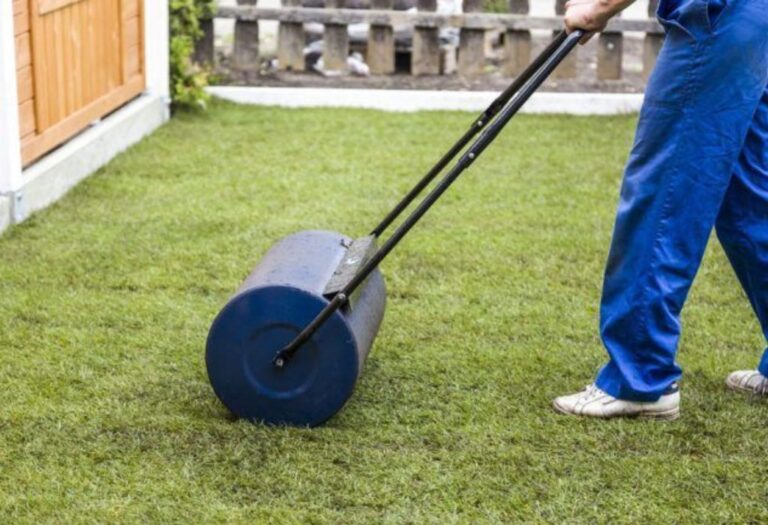
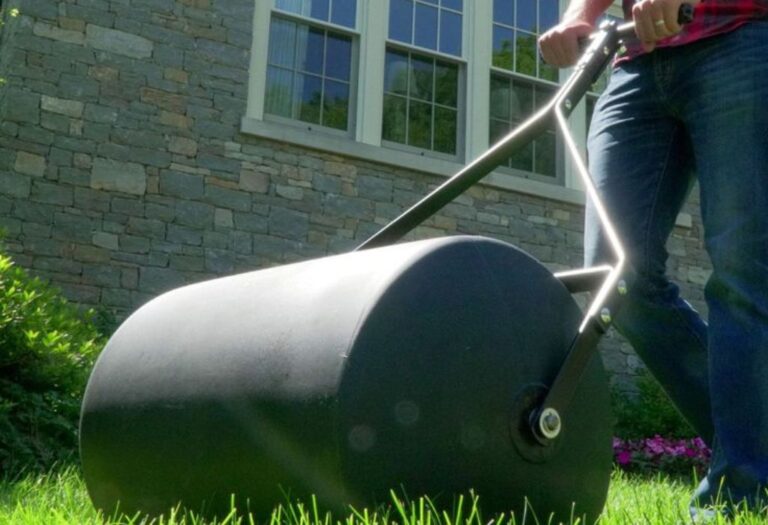
- Choosing the Right Roller: Select a roller based on the size of your lawn and the extent of the leveling needed. Smaller push rollers work well for smaller lawns, while larger tow-behind rollers are better for larger areas. Make sure the roller isn’t too heavy, because this can cause excessive compaction. Adjust the weight according to your lawn’s needs.
- Preparing the Lawn: Before rolling, remove any debris like rocks, twigs, or large clumps of dead grass. This prevents the roller from getting stuck and ensures a smooth roll. Mowing the grass to a low height before rolling will improve your view of any uneven areas. It allows the roller to make better contact with the soil.
- Rolling in Parallel Paths: Roll in straight, parallel lines, overlapping each pass slightly to ensure even coverage. Avoid sharp turns, as these can damage the grass. For a more even result, roll the lawn in one direction and then go over it again at a 90-degree angle. This technique ensures a level surface and reduces the possibility of ruts.
- Controlling Roller Weight: Fill your roller with water or sand to adjust its weight. Start with less weight and gradually add more if needed. The goal is to level the ground. Use only the weight necessary to level the surface, while still minimizing compaction. Check the soil afterward to make sure you’re not compacting too much.
A good starting point is to roll an area with an empty roller and check the results. Add more weight only if necessary. This helps you get the desired level without damaging your soil.
Addressing Soil Compaction: Solutions and Alternatives
If you find that your lawn’s soil has become too compact, don’t worry. There are several ways to improve your soil’s structure and improve grass health. These methods help to lessen the impact of rolling. These solutions will improve the look of your lawn.
The Benefits of Aeration
Aeration is a process that involves creating small holes in the soil. This opens up air passages and eases soil compaction. It’s a key part of lawn maintenance. Proper aeration can significantly improve the health and appearance of your lawn.
- Improved Air Circulation: Aeration creates pathways for air to reach the roots of your grass. This boosts root growth and helps in the absorption of nutrients. It enhances the health of the entire lawn by keeping it healthy. Aeration is especially beneficial in compacted soil.
- Enhanced Water Infiltration: Aeration helps water penetrate the soil more easily. This allows the roots to get water. This also decreases water runoff, which can cause erosion. Improved water infiltration benefits your lawn and reduces the need for frequent watering. This contributes to water conservation.
- Nutrient Uptake: Aeration allows the grass roots to absorb nutrients. By loosening the soil, nutrients can reach the roots more effectively. Aeration is a helpful supplement to fertilizer applications. It makes your efforts more efficient.
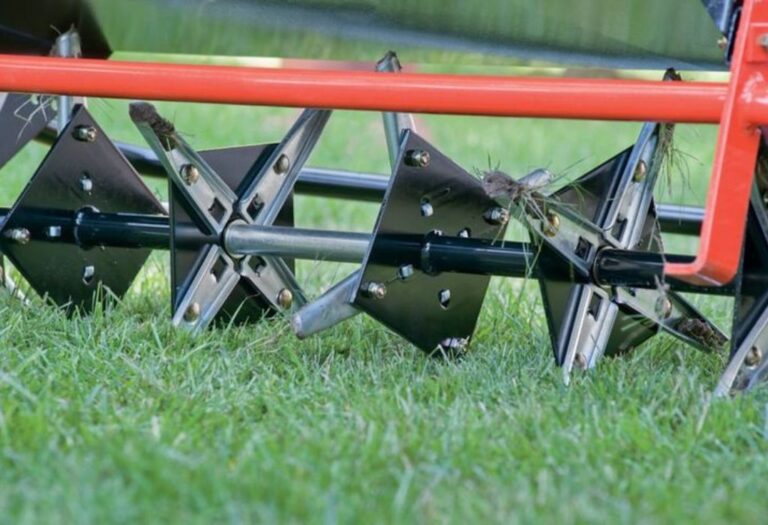
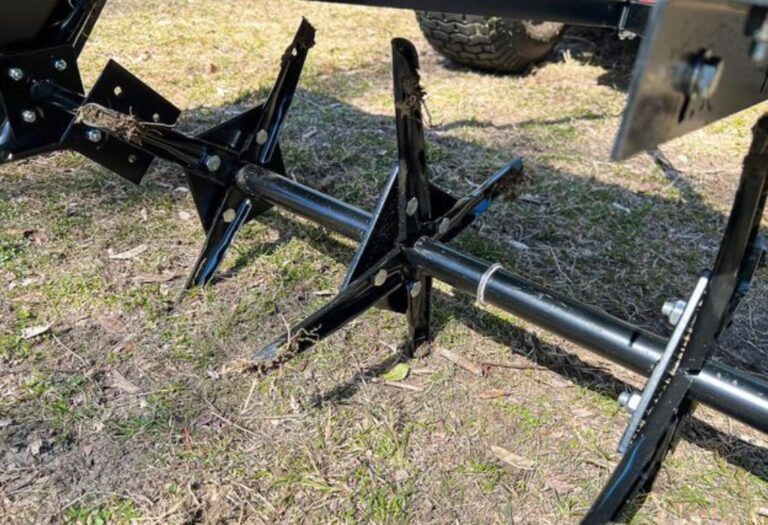
- Types of Aeration: There are two main types of aeration: core aeration and spike aeration. Core aeration removes small plugs of soil. Spike aeration makes holes in the ground using spikes. Core aeration is more effective for reducing compaction. Both help boost your lawn’s health.
To determine the need for aeration, do a simple test. Use a screwdriver to push into the soil. If it’s hard to push, your soil may be compacted. Aeration will loosen the soil. It will benefit your lawn’s health.
Other Methods to Improve Soil
Besides aeration, there are other methods you can use to improve soil health. Incorporating these techniques helps your lawn thrive. It improves your grass’s ability to resist stress. You’ll also boost its ability to grow and stay healthy.
- Topdressing: Topdressing involves adding a thin layer of compost or other organic matter to your lawn. The organic matter breaks down. This improves soil structure and reduces compaction. It also improves drainage and provides nutrients for your grass. Topdressing is beneficial after aeration.
- Using Organic Amendments: Adding organic amendments, such as compost, peat moss, or well-rotted manure, improves soil health. These materials increase the organic matter content in the soil. This helps improve soil structure, drainage, and nutrient retention. Organic amendments improve your lawn’s overall health.
- Proper Watering: Proper watering practices are also key. Deep, infrequent watering promotes deep root growth. It increases the grass’s ability to withstand drought. This method also minimizes shallow root systems, which can be more vulnerable to stress. This makes your lawn healthier and stronger.
- Adjusting Foot Traffic: Reduce foot traffic in areas with heavy use. This can prevent compaction. Use pathways or designated areas for walking to protect your lawn. This preserves the soil structure and helps maintain a healthy lawn. If foot traffic is unavoidable, consider using stepping stones.
Combining these methods helps build a healthy lawn. This combination ensures that the grass has the best possible growing conditions. A well-cared-for lawn is more resistant to stress. This will provide you with a green, healthy lawn.
Does Rolling Lawn Compact Soil: Common Misconceptions
There are misunderstandings about rolling lawns. This section explores these misconceptions, separating fact from fiction. This will give you a complete picture of lawn rolling.
Myth: Rolling Always Compresses Soil
It’s a common misconception that rolling always compacts soil. While rolling does apply pressure, the effect varies depending on several factors. Soil type, moisture levels, and rolling frequency all affect whether compaction happens. The right techniques minimize any negative effects.
- Context Matters: Light rolling on a sandy loam during spring can benefit your lawn. It can level small bumps and improve seed-to-soil contact. Heavy rolling on wet clay soil will worsen compaction. Rolling isn’t inherently bad. It’s about using the right approach.
- Soil Type Differences: As mentioned earlier, rolling has different impacts on different soil types. Sandy soils are less prone to compaction than clay soils. The best outcome depends on the soil composition and the method of rolling. Knowing your soil helps you decide if rolling is suitable.
- Impact of Timing: Rolling at the correct time significantly reduces the risk of compaction. Rolling when the soil is slightly moist avoids damage. Rolling during extreme weather conditions should be avoided. Appropriate timing lessens the negative effects on your lawn.
- Equipment and Weight: Using the right equipment and weight reduces the risk of excessive compaction. Small, lightweight rollers are best for most lawns. Using a roller that is too heavy or overdoing it can cause compaction. Proper equipment ensures your lawn’s health.
Always assess your lawn’s soil conditions before rolling. Start with a light roll and monitor the effects. This helps you to get a great result. It reduces the chance of unwanted compaction.
Myth: Rolling is Always Necessary for Lawn Health
Rolling is often seen as a necessary part of lawn care. But it isn’t always needed for lawn health. Other methods, such as aeration, are better for boosting soil health. Relying solely on rolling can cause more problems. Using rolling wisely is key to proper lawn care.
- Aeration as an Alternative: Aeration is frequently a superior way to reduce soil compaction. Core aeration helps in soil aeration and water and nutrient uptake. This promotes root growth and lawn health. Aeration addresses compaction. It also improves soil drainage.
- Focus on Soil Improvement: Improving soil health is more important than rolling. Adding organic matter, such as compost, improves soil structure. It also improves drainage. A healthy soil can naturally support healthy grass growth. The focus should be on building a strong, healthy soil structure.
- Monitor Soil Conditions: Regularly check your lawn’s soil. Use a screwdriver to assess soil density. Only roll the lawn if leveling is needed. Regular soil checks allow you to handle problems quickly. You can also make sure your lawn is healthy.
- Prioritize Core Practices: Maintain proper mowing, watering, and fertilization. These practices provide the grass with all the support it needs. These practices are more effective than rolling. They also improve the overall health and appearance of your lawn.
Consider rolling only when needed. Use aeration and soil improvement techniques. These techniques improve soil health and grass appearance.
Frequently Asked Questions
Question: When is the best time to roll a lawn?
Answer: The best time to roll a lawn is in early spring when the soil is slightly moist, or after overseeding.
Question: Does rolling always damage grass?
Answer: Rolling can damage grass if done improperly, but light rolling can sometimes help.
Question: What is core aeration?
Answer: Core aeration is the process of removing small plugs of soil to improve soil structure.
Question: How can I tell if my soil is compacted?
Answer: If a screwdriver is hard to push into the soil, it’s likely compacted.
Question: Is rolling a lawn the same as aeration?
Answer: No, rolling and aeration are different. Rolling compresses soil, and aeration improves soil structure.
Final Thoughts
Understanding whether does rolling lawn compact soil is the first step in successful lawn care. Rolling, while sometimes beneficial for leveling, can lead to compaction if done incorrectly. It’s important to consider soil type, moisture levels, and timing. Light rolling on sandy soil in the spring is different from heavy rolling on wet clay soil. Consider aeration and other soil improvement methods to maintain a healthy lawn. Knowing the facts empowers you to make informed decisions. This allows you to care for your lawn. Focus on the soil. Keep the grass healthy, and keep your lawn looking great. You’re ready to enjoy a lush, green space!