How to Maintain Lawn Aerator for a Healthy, Green Yard
If you’re new to lawn care, the process of how to maintain lawn aerator might seem a bit tricky. It’s common for beginners to feel overwhelmed by all the tools and techniques. But don’t worry! Keeping your aerator in good shape isn’t complicated, and it’s essential for a beautiful lawn. This post will break down the steps, making it easy for you to keep your aerator running smoothly so you can enjoy a lush, healthy yard. We’ll look at the basics and then provide a step-by-step guide to keep everything in top shape.
What is a Lawn Aerator and Why Does It Matter?
A lawn aerator is a tool used to improve the health of your lawn by creating small holes in the soil. These holes, or “plugs,” allow essential things like air, water, and nutrients to reach the roots of your grass more easily. Over time, soil can become compacted, making it difficult for these vital resources to penetrate. Aeration solves this problem, promoting stronger root growth and a healthier, greener lawn. There are different types of aerators, including core aerators, which remove plugs of soil, and spike aerators, which simply poke holes. Both serve the same fundamental purpose: to improve soil aeration.
Types of Lawn Aerators
Lawn aerators come in several forms, each with its own advantages. Choosing the right one depends on your lawn’s needs and your personal preference. Understanding the different types helps you select the best tool for the job.
-
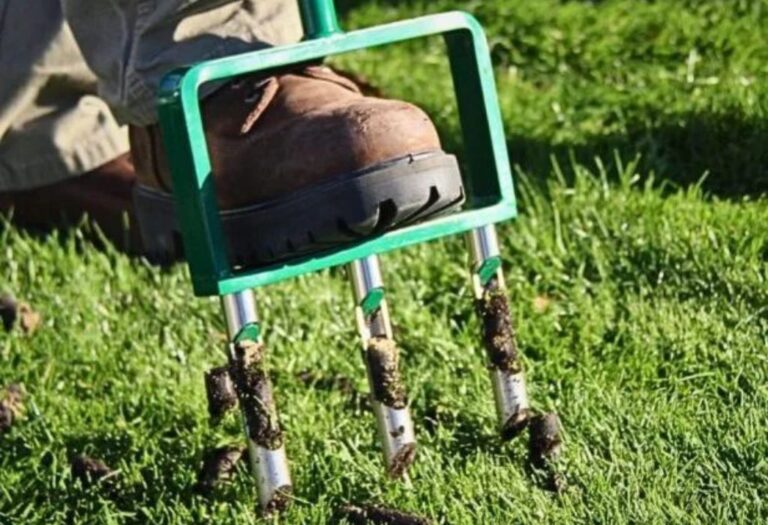
- Core Aerators: These machines are the most effective because they remove small plugs of soil, creating channels for air, water, and nutrients to reach the roots. This process alleviates compaction more thoroughly. Core aerators are often the preferred choice for lawns with heavy clay soil or those that experience significant foot traffic.
Core aerators are designed to remove small cores of soil, typically about 2-4 inches deep and half an inch to an inch in diameter. This process helps to reduce soil compaction and allows for better air circulation and nutrient absorption. The cores of soil that are removed are left on the lawn’s surface and will break down over time, enriching the soil. The effectiveness of a core aerator makes it a popular choice for revitalizing compacted lawns.
-
- Spike Aerators: Unlike core aerators, spike aerators simply poke holes into the soil. While they are easier to use and more readily available, they are less effective at relieving compaction than core aerators. They can be a good option for lawns that aren’t heavily compacted, or as a lighter maintenance tool.
Spike aerators create holes by pushing solid tines into the ground. While they improve aeration to some extent, they don’t remove any soil. This means that the soil around the holes can become compacted over time, reducing their effectiveness. Spike aerators are best suited for lawns with relatively loose soil or for light aeration needs. Their ease of use makes them a convenient option for homeowners.
-
- Manual Aerators: These are hand-operated tools, often consisting of a handle and a set of spikes or a core. They are suitable for small lawns or for spot-treating areas with compaction. Manual aerators require more physical effort but offer a cost-effective solution for those who don’t want to invest in a powered machine.
Manual aerators, often in the form of aerator shoes or handheld tools, provide a simple way to aerate small lawns or problem areas. Aerator shoes have spikes attached to the soles, allowing you to aerate the lawn while walking. Handheld aerators typically have a handle and a set of spikes or a core. They are suitable for spot-treating areas with compaction. They require more physical effort but are a cost-effective option for smaller yards.
-
- Tow-Behind Aerators: These aerators are designed to be towed behind a lawn tractor or ATV. They cover a large area quickly, making them ideal for large properties. Tow-behind aerators can be either core or spike types.
Tow-behind aerators are a time-saving solution for larger properties, quickly covering expansive areas. These aerators are typically core aerators, which is crucial for larger areas where compaction is a significant issue. The efficiency of a tow-behind aerator allows for complete lawn care, making it an excellent choice for homeowners with extensive lawns.
Benefits of Aerating Your Lawn
Aerating your lawn offers a range of benefits, significantly impacting its health and appearance. By relieving soil compaction and improving the movement of essential resources, aeration promotes a stronger, more resilient lawn. Understanding these benefits can help you appreciate the importance of regular aeration.
-
- Improved Air Circulation: Aeration creates pathways for air to reach the roots of your grass. This is crucial because roots need oxygen to breathe. Without adequate air, roots can suffocate, weakening the grass and making it more susceptible to disease. Improved air circulation encourages healthy root growth and overall lawn vigor.
The process of aeration enhances the exchange of gases within the soil. By providing open pathways, aeration helps to remove harmful gases, such as carbon dioxide and methane, while simultaneously allowing for the intake of oxygen, which is essential for healthy root function. This leads to a more balanced and efficient soil environment.
-
- Better Water Absorption: Compacted soil prevents water from penetrating deeply, leading to runoff and wasted water. Aeration creates channels that allow water to reach the roots, improving water absorption and reducing the need for frequent watering. This is especially important during dry periods.
Aeration combats water runoff by enhancing the soil’s capacity to absorb and retain moisture. When the soil is aerated, water can easily seep through the created channels and reach the roots, where it is needed most. This increased water retention also leads to a more resilient lawn during dry spells.
-
- Enhanced Nutrient Uptake: By breaking up compacted soil, aeration allows fertilizers and other nutrients to reach the roots more effectively. This results in better nutrient uptake and a healthier, more vibrant lawn. Aeration optimizes the effectiveness of your fertilization efforts, saving you money and effort.
Aeration promotes efficient nutrient absorption by opening up the soil structure, which allows the fertilizers to easily penetrate to the root zone. This enhances the effectiveness of lawn care products and ultimately leads to more vibrant, healthy grass. The improved access to essential nutrients helps plants grow stronger and more resistant to diseases.
-
- Stronger Root Development: Aeration encourages the growth of deeper, stronger roots. This is crucial for a healthy lawn, as strong roots are better equipped to withstand drought, heat, and foot traffic. A well-rooted lawn is more resilient and requires less maintenance.
Aeration stimulates the development of robust root systems, which is a key element of lawn health. By reducing soil compaction, roots can expand more easily, exploring deeper layers of soil to find more nutrients and water. This is essential for survival during periods of drought or heavy use.
How to Maintain Lawn Aerator: A Step-by-Step Guide
Maintaining your lawn aerator is essential for ensuring it operates at its best and lasts for years. Regular care and maintenance prevent damage, extend the aerator’s life, and save you money in the long run. Follow these simple steps to keep your aerator in top condition.
Pre-Aeration Checks
Before you start aerating, a few preliminary steps will make the job easier and safer. These checks ensure that your machine is ready to go and that you have everything you need. Taking the time to prepare will save you from unexpected problems during the process.
-
- Inspect the Aerator: Check for any loose parts, damaged tines, or wear and tear. Make sure the tines are sharp and in good condition. Look for any oil leaks or other signs of damage. If you find any issues, address them before you start aerating.
A thorough inspection of your aerator prior to use helps identify any potential problems that may hinder performance or cause hazards. By checking for loose parts, damaged tines, and wear and tear, you can ensure that the aerator functions correctly and efficiently. Regular checks can also help you avoid time-consuming repairs and ensure the safety of use.
-
- Gather Your Tools: Have all the necessary tools and supplies on hand before you begin. This includes gloves, safety glasses, a wrench, a screwdriver, and any cleaning supplies. Having everything ready saves time and makes the process more efficient.
Gathering essential tools and supplies before starting any lawn care task guarantees a more efficient and safer experience. These items include safety gear like gloves and safety glasses, as well as tools such as wrenches and screwdrivers. Having all the required tools within reach reduces downtime and allows you to address any issues promptly, which ensures smooth operations.
-
- Prepare the Lawn: Mow the lawn to a short height and remove any debris like twigs or rocks. This will make it easier for the aerator to penetrate the soil. Watering the lawn a day or two before aeration can soften the soil, making it easier to aerate.
Preparing your lawn is crucial for effective aeration. Mowing the grass short before aerating reduces the chances of the aerator getting tangled in long grass and ensures the tines can penetrate the soil easily. Removing any debris like rocks or twigs prevents damage to the machine. Lightly watering the lawn ahead of time softens the soil, making aeration more effective.
During Aeration
Operating the aerator correctly ensures the best results and avoids damage to your lawn and the machine. Following these guidelines helps you aerate your lawn safely and efficiently. Proper technique contributes to the overall effectiveness of the process.
-
- Choose the Right Time: The best time to aerate your lawn is during the growing season, typically in the spring or fall. Avoid aerating during periods of extreme heat or drought. The soil should be moist but not overly wet.
Aerating during the growing season is best because it aligns with the time when your lawn is actively growing and can quickly recover. Spring and fall are ideal as the grass can heal and benefit from the added air, water, and nutrients in the soil. Avoid extreme conditions like heat or drought to protect both your lawn and equipment.
-
- Aeration Pattern: Overlap passes to ensure full coverage. Make multiple passes in different directions to create a comprehensive aeration pattern. Avoid making tight turns, especially with larger machines, to prevent damage to the lawn.
Overlap passes to make sure that the entire lawn is treated, ensuring that the aeration is even and complete. Making multiple passes in various directions is an effective way to relieve compaction throughout the lawn. This thorough approach ensures that the aeration is carried out thoroughly, promoting a healthier lawn.
-
- Safety First: Wear appropriate safety gear, including gloves and safety glasses. Be aware of any underground utilities, such as sprinkler systems or irrigation lines, before you begin. Never operate the aerator on a slope or uneven terrain.
Prioritizing safety while operating your aerator is crucial to prevent accidents or injuries. Always wear gloves to protect your hands and safety glasses to shield your eyes from debris. Be mindful of underground utilities to avoid damage. Avoid working on slopes or uneven terrain as it can cause the aerator to tip over or lose control.
Post-Aeration Care
After you’ve aerated your lawn, there are a few important steps to take to ensure the best results and help your lawn recover quickly. These steps will make sure your grass receives maximum benefit from the aeration process, leading to a healthier, more vibrant lawn.
-
- Leave the Cores: If you’re using a core aerator, leave the soil cores on the lawn. They will break down naturally and return nutrients to the soil. Avoid raking them up unless they are very unsightly.
Leaving the soil cores on the lawn allows them to return valuable nutrients to the soil, which helps to improve the overall health of your lawn. These cores will slowly break down and reintegrate, improving soil structure and enriching the lawn’s ecosystem.
-
- Water and Fertilize: Water the lawn deeply after aeration to help the roots settle and to encourage new growth. Consider applying a slow-release fertilizer to provide essential nutrients to your lawn.
Watering your lawn after aeration promotes healthier root development. A deep watering session helps the soil settle around the roots, fostering a strong, robust lawn. Applying a slow-release fertilizer delivers essential nutrients to aid growth, providing your lawn with the necessary elements to flourish.
-
- Monitor Your Lawn: Keep an eye on your lawn for any signs of stress or damage. Address any issues promptly. Continue with your regular lawn care routine, including mowing and watering, to maintain a healthy lawn.
Monitoring your lawn for any issues ensures prompt intervention. Regular inspections help identify and fix any problems quickly, such as signs of stress or disease. By being alert, you can address issues early and maintain a thriving lawn. Continuing your regular lawn care routine is important to maintain its overall health.
Cleaning and Storage

Proper cleaning and storage are vital for extending the life of your lawn aerator. These simple steps help prevent rust, corrosion, and other damage, ensuring your aerator is ready to go whenever you need it. Taking the time to clean and store your aerator correctly will save you money and time.
Cleaning Your Aerator
Cleaning your aerator after each use prevents rust and keeps it in good working condition. Simple steps make a big difference in maintaining your equipment. Here’s a brief guide to cleaning your aerator.
-
- Remove Debris: After each use, remove any soil, grass, and debris from the tines and other parts of the aerator. Use a brush or scraper to clean off the tines.
Clearing away debris after each use is an important step to ensure the aerator performs well and lasts longer. Use a stiff brush or scraper to remove soil, grass, and any other materials that have accumulated on the tines and other parts of the aerator. Removing this debris prevents rust and maintains performance.
-
- Wash the Aerator: Rinse the aerator with water to remove any remaining dirt. Make sure to dry it thoroughly to prevent rust. Avoid using harsh chemicals that could damage the machine.
Rinsing your aerator removes any dirt that remained after the initial cleaning. Washing with water eliminates the potential for long-term corrosion. Be sure to dry all parts thoroughly after washing; this prevents rust and ensures the machine remains in excellent working condition.
-
- Inspect and Lubricate: Check for any signs of wear and tear, such as loose bolts or worn tines. Lubricate moving parts, such as the axles and wheels, to keep them moving smoothly.
Inspect the aerator for any issues like loose bolts or wear, which helps ensure smooth operation. Lubricating moving parts, like wheels and axles, keeps them working correctly, which extends the machine’s lifespan and maintains its efficiency. Regular inspection and lubrication are key maintenance tasks.
Proper Storage Techniques
Proper storage is essential for protecting your aerator during the off-season. Correct storage keeps it safe from the elements and prolongs its lifespan. Taking these steps is important for easy access to your aerator when you need it.
-
- Clean and Dry: Before storing, make sure the aerator is completely clean and dry to prevent rust. This will protect the machine and keep it in good condition during the off-season.
Ensuring the machine is clean and dry before storing is a critical step for preventing rust. This protects the aerator during the storage period. Proper cleaning keeps your machine in the best possible condition for the next use.
-
- Store in a Dry Place: Store your aerator in a dry location, such as a shed or garage. Avoid storing it outdoors, where it can be exposed to the elements. Protection from rain, snow, and sunlight preserves the machine.
Storing your aerator in a dry location, such as a garage or shed, protects it from the damaging effects of weather. This precaution prolongs the machine’s lifespan, ensuring it remains ready for use when needed.
-
- Cover the Aerator: If possible, cover the aerator with a tarp or a protective cover to prevent dust and debris from accumulating. This will help keep it clean and ready for use when you need it.
Covering the aerator with a tarp or a protective cover ensures it’s protected from dust and debris during storage. This preserves the machine’s condition, making it easy to use when aeration season arrives.
Common Problems and Troubleshooting
Even with proper maintenance, your lawn aerator may encounter problems. Knowing how to identify and solve these issues can save you time and money. Simple troubleshooting steps can often resolve common issues, keeping your machine running smoothly.
Common Issues
Several issues can arise with your lawn aerator. Knowing how to recognize these problems will help you address them promptly. Proper identification is the first step to a solution. These common problems are important for a healthy aerator.
-
- Clogged Tines: This can happen if the soil is too wet or compacted. It reduces the machine’s effectiveness. Regular cleaning and adjusting the aeration depth can help prevent clogging.
Clogged tines are a common problem that hinders the effectiveness of your aerator. When the soil is overly wet or heavily compacted, the tines can become clogged. To resolve the issue, clean the tines regularly and adjust the aeration depth.
-
- Dull Tines: Dull tines reduce the machine’s ability to penetrate the soil. Sharpen or replace the tines as needed. Regular maintenance keeps your machine in good condition.
Dull tines significantly impact the machine’s ability to aerate effectively, making it challenging to penetrate the soil. Sharpen or replace the tines as needed. Regular maintenance will improve the lifespan of the machine.
-
- Engine Problems: This is a common issue for gas-powered aerators. Check the fuel, oil, and spark plugs. Ensure proper maintenance to keep the machine in good condition.
Engine problems can occur with gas-powered aerators, impacting the machine’s performance. Keep an eye on fuel levels, oil, and spark plugs. This helps keep the machine in good operating condition.
Troubleshooting Tips
When you experience problems with your aerator, a few simple troubleshooting steps can often resolve the issue. Knowing these tips can save you time and help you avoid unnecessary repairs.
-
- Aerator Won’t Start: Check the fuel level, the spark plug, and the oil level. Make sure the engine is getting proper fuel and has a good spark. Troubleshoot your engine for simple solutions.
If the aerator won’t start, start by checking the fuel, spark plug, and oil levels. Make sure the engine is getting proper fuel and has a good spark. Checking these elements can help resolve the issue and get your aerator working again.
-
- Tines Not Penetrating Soil: The soil might be too dry or the tines might be dull. Water the lawn a day before aeration or sharpen the tines. Ensure the aeration is operating at top performance.
If the tines aren’t penetrating the soil, the ground may be too dry or the tines may need sharpening. Soften the soil by watering the lawn a day before aeration. This ensures the best performance.
-
- Aerator Vibrating Excessively: This could be due to a bent tine or an unbalanced machine. Inspect the tines and replace or repair any bent ones. This will fix the vibration.
Excessive vibration indicates a potential issue with the aerator. A bent tine or an unbalanced machine can cause this problem. Inspect the tines for any damage, and replace or repair any bent ones. By addressing these issues, you ensure that your equipment runs smoothly.
Safety and Prevention
Taking precautions can protect you and your machine. Safety should always be a top concern when operating lawn care equipment. Following these guidelines helps you aerate your lawn safely and efficiently.
Safety Precautions
Prioritizing safety ensures that you stay safe and your equipment stays in good condition. These essential precautions should always be followed to prevent injuries and maintain the integrity of your equipment.
-
- Wear Protective Gear: Always wear safety glasses, gloves, and sturdy shoes while operating the aerator. Protect yourself and prevent injuries.
Wearing proper protective gear should always be a priority when you’re working with your aerator. Put on safety glasses, gloves, and sturdy shoes for protection. These precautions prevent potential injuries.
-
- Read the Manual: Familiarize yourself with the owner’s manual before using the aerator. The manual contains safety guidelines and operating instructions. Know your machine before use.
Before using the aerator, carefully read the owner’s manual. The manual has crucial safety guidelines and operating instructions. Getting familiar with your equipment is key for safe and effective operation.
-
- Avoid Wet Conditions: Never operate the aerator in wet conditions. Wet grass and soil can cause the machine to slip and increase the risk of accidents. Work on drier days.
Avoid operating the aerator in wet conditions, which increases the possibility of accidents. The risk of slipping or losing control rises if the grass and soil are wet. Select drier weather to ensure safer operations.
Preventative Measures
Taking preventative steps can help you avoid common problems. Regular maintenance prevents wear and tear, extending the life of your equipment. Taking these measures is critical for a smooth operation.
-
- Regular Inspections: Perform regular inspections of the aerator to catch potential problems early. Check for loose parts, worn tines, and other signs of wear and tear. Early detection can prevent costly repairs.
Regular inspections help catch issues early, before they become serious problems. Check the aerator for loose parts, worn tines, and other signs of wear. Finding issues early will prevent costly repairs.
-
- Proper Storage: Store the aerator in a dry, covered area to protect it from the elements. Proper storage extends the machine’s lifespan. Keeping your aerator safe preserves its performance.
Storing the aerator in a dry, covered area protects it from the elements, extends its lifespan, and preserves its performance. Correct storage is an important step to ensure its longevity.
-
- Professional Maintenance: Consider having a professional service your aerator annually. They can identify and address issues you may miss. Preventative care will keep your machine running smoothly.
To keep your aerator running at its best, consider having it professionally serviced yearly. Professionals can find and address issues. It will ensure the machine operates smoothly.
Frequently Asked Questions
Question: How often should I aerate my lawn?
Answer: It depends on your soil and lawn use. Generally, aerate once or twice a year, during the growing season.
Question: Can I aerate my lawn myself, or do I need a professional?
Answer: You can aerate your lawn yourself with a manual or powered aerator, especially if you have a small yard. For larger lawns, a professional may be more efficient.
Question: What’s the best time of year to aerate my lawn?
Answer: The best times are spring or fall, during the growing season. This is when the grass can recover and benefit most.
Question: What kind of aerator should I use for my lawn?
Answer: Choose a core aerator for compacted soil or a spike aerator for lighter needs. The best choice depends on the specific requirements of your lawn.
Question: How do I know if my lawn needs aeration?
Answer: Signs include standing water, compacted soil, and thatch buildup. If your lawn struggles to absorb water or has excessive thatch, aeration is beneficial.
Final Thoughts
Keeping your lawn aerator in good condition is easier than you might think. By following the simple steps outlined, you can ensure your aerator works effectively, creating a healthier, greener lawn. Remember to regularly clean and inspect the machine after each use, storing it properly when not in use. Address any issues promptly, and don’t forget to prioritize safety. From choosing the correct type of aerator to cleaning and storage, each step helps to maintain a green yard. By taking care of your equipment, you can extend its life and make sure you can use it whenever it’s needed.