Aeration Versus Scarifying: Lawn Care Techniques Explained
If you’re starting out in lawn care, figuring out the difference between aeration vs scarifying can feel tricky. These two lawn care treatments sound similar, and it’s easy to get confused about when and how to use them. Don’t worry, many people feel the same way! This post will break down both processes simply, step-by-step, making it easy for you to care for your lawn. We’ll explore what each method does, the tools you’ll need, and when to apply them for the best results. Let’s get started!
Aeration Uncovered
Aeration is a lawn treatment that helps your grass breathe. Think of it as giving your lawn a massage to relieve compaction. Over time, soil gets packed down, especially in areas with heavy foot traffic or clay soil. This compaction makes it hard for air, water, and nutrients to reach the roots of your grass. Aeration fixes this problem by creating small holes in the soil, allowing these essential elements to penetrate. The goal is to improve the overall health and vitality of your lawn, leading to a greener, thicker, and healthier appearance. The process usually involves removing small cores of soil or creating holes in the ground using specialized tools. Different types of aeration tools and methods cater to various lawn types and needs. Proper aeration reduces thatch buildup, enhances root growth, and promotes better drainage.
Why Aerate Your Lawn?
Aeration offers several advantages to your lawn. It’s like giving your lawn a spa treatment. By relieving compaction, you allow your grass roots to grow more deeply and strongly. This, in turn, makes your lawn more resistant to drought, disease, and pests. Improved drainage reduces waterlogging, which prevents fungal diseases. Regular aeration can also improve the effectiveness of fertilizers and other lawn treatments because nutrients can reach the roots more easily. Ultimately, the outcome of lawn aeration is a healthier, more vibrant lawn that looks and performs better all year round. The process also improves the soil’s ability to absorb water, which is important for overall lawn health, especially during drier periods.
- Enhanced Water and Nutrient Absorption: Aeration creates pathways that enable water and nutrients to reach the grass roots more effectively. This ensures that your lawn gets the hydration and nourishment it needs for robust growth and vibrant color. Proper aeration can significantly reduce the need for excessive watering and fertilizer application.
- Improved Root Growth: By breaking up compacted soil, aeration helps roots grow deeper and stronger. This means your lawn will be more resilient against environmental stresses like heat, drought, and heavy foot traffic. The enhanced root system also provides a better foundation for healthy grass growth.
- Reduced Thatch Buildup: Aeration helps to break down thatch, which is a layer of dead organic matter that builds up on the surface of your lawn. Excessive thatch can block water and nutrients from reaching the soil, hindering grass growth. Aeration helps to manage thatch, keeping your lawn healthy and thriving.
- Better Air Circulation: Aeration improves air circulation in the soil, which is crucial for root health. Roots need oxygen to breathe, and aeration provides the necessary pathways for air to reach them. This can prevent common issues like fungal diseases that thrive in poorly aerated soils.
The Aeration Process Step-by-Step
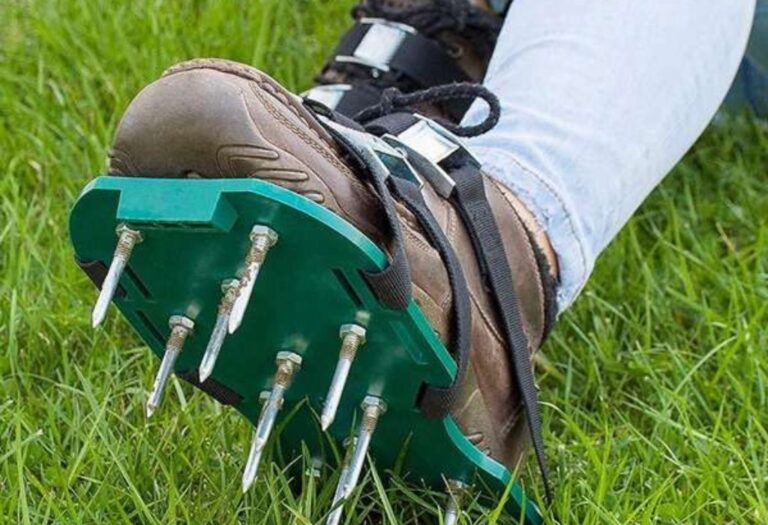
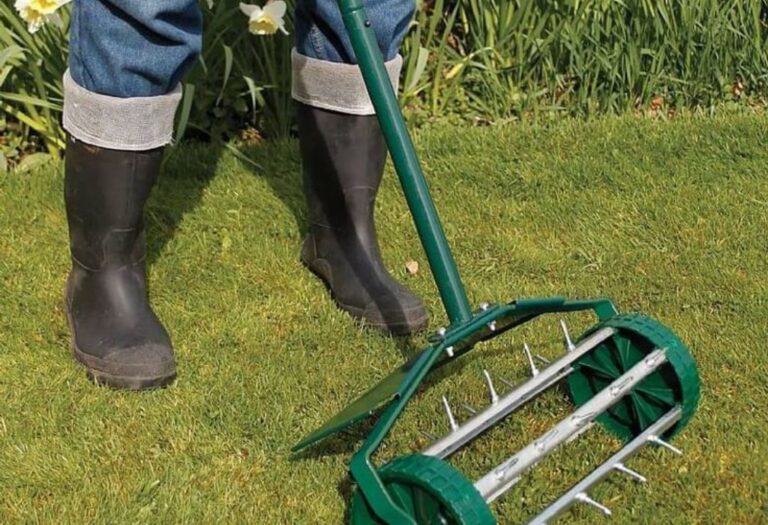
Aerating your lawn might sound complicated, but it’s really straightforward with the right tools and approach. You have various choices for tools, including manual aerators and mechanical aerators. Manual aerators are great for small lawns and require physical effort. Mechanical aerators cover larger areas quicker and offer a more thorough job. The best time to aerate is when your grass is actively growing, which is usually in the spring or fall. It’s also important to consider the type of soil you have when choosing the right aeration method. A core aerator, which removes small plugs of soil, is often best for clay soils. Spike aerators, which simply poke holes, can work for less compacted soils.
- Prepare the Lawn: Mow your lawn to a standard height before aeration. This makes it easier to work with. If your soil is very dry, water the lawn a day or two beforehand to soften the ground, making aeration more effective.
- Choose Your Aerator: Select the right type of aerator for your lawn size and soil type. For small lawns, a manual aerator is fine. For larger lawns, you can rent a core aerator.
- Aerate the Lawn: Follow the aerator’s instructions. If using a core aerator, make multiple passes across your lawn, ensuring the holes are evenly spaced. For a spike aerator, simply push the aerator into the ground to create holes.
- Clean Up and Aftercare: After aerating, leave the soil cores on your lawn; they will break down over time and provide additional nutrients. Water the lawn after aeration to help settle the soil and encourage root growth.
A recent study indicates that lawns treated with aeration experience up to a 50% improvement in water absorption. Regular aeration is a key part of maintaining a healthy lawn. You can expect to see improvements in the health and appearance of your grass.
Scarifying Explained
Scarifying is a deep cleaning for your lawn. This process is more aggressive than aeration, and its primary purpose is to remove thatch and dead organic matter that has accumulated on the surface of your grass. Thatch is a layer of dead grass, stems, and roots that sits between the soil and the green blades of grass. Excessive thatch can suffocate the grass, block water and nutrients from reaching the roots, and create a breeding ground for pests and diseases. Scarifying uses a machine or tool with sharp blades that rake through the lawn to pull out this debris. The result is a cleaner, healthier lawn that can breathe and grow more easily. The best time to scarify is usually in the early spring or late summer/early fall, when your grass is actively growing and can recover from the treatment.
Why Scarify Your Lawn?
The goal of scarifying is to remove thatch and encourage new growth. Removing thatch allows water, air, and nutrients to reach the roots of the grass. This helps to improve the overall health of the lawn. Scarifying also helps to improve the effectiveness of other lawn care treatments, such as fertilizers and weed control. This process can significantly improve the density and appearance of your lawn, leaving it looking greener and healthier. Regular scarifying provides a favorable environment for new grass growth. It also helps to prevent common lawn problems like fungal diseases and pest infestations. For example, if you observe the yellowing of your grass due to thatch, scarifying is a useful method to remove it.
- Thatch Removal: The main benefit is the removal of thatch. By eliminating this layer, you improve air circulation. You also enhance the ability of water and nutrients to reach the grass roots.
- Improved Grass Health: Scarifying promotes healthier grass growth. By removing dead organic matter, you provide space for new grass shoots to emerge and thrive. This contributes to a thicker, denser lawn that is more resistant to weeds and diseases.
- Better Nutrient Uptake: With the thatch removed, the soil can absorb nutrients from fertilizers more effectively. This leads to a healthier and more vibrant lawn, enhancing its overall appearance. Scarifying allows the grass to get the full benefits of any applied fertilizers.
- Disease Prevention: Scarifying helps to prevent common lawn diseases. By removing thatch, you reduce the humidity that can lead to fungal infections. This is especially helpful in areas with high humidity and poor air circulation.
The Scarifying Process Step-by-Step
Scarifying requires some preparation and the right tools, but it’s a manageable task if you follow the correct steps. The best time to scarify is when your grass is actively growing, allowing it to recover quickly. If your lawn is heavily compacted, it’s wise to aerate it before scarifying. This can help to loosen the soil, making the scarifying process more effective. You can use a manual scarifier for smaller lawns. For larger areas, you can rent a powered scarifier, which will make the job much faster and easier. Regardless of the tool you choose, scarifying can improve the overall health of your lawn.
- Prepare the Lawn: Mow your lawn to a low height before scarifying. This allows the scarifying blades to reach the thatch effectively. Clear the lawn of any debris, such as leaves and sticks.
- Choose Your Scarifier: Decide between a manual or a powered scarifier. Manual scarifiers are suitable for small lawns, while powered scarifiers are more efficient for larger areas.
- Scarify the Lawn: Run the scarifier over your lawn in overlapping passes. The blades should penetrate the thatch layer without damaging the soil. Adjust the depth of the blades to avoid causing too much harm to the grass.
- Clean Up and Aftercare: After scarifying, collect and remove the debris. This material can be composted. Water the lawn after scarifying to help it recover. Consider applying a fertilizer to promote new growth.
According to the Lawn Care Association, scarifying can reduce thatch levels by up to 75% in a single treatment. The goal is to create a healthier lawn. It also helps with the growth of new grass, so you can enjoy a vibrant lawn.
Comparing Aeration and Scarifying

While both aeration and scarifying are important lawn care practices, they target different issues and use different methods. Aeration focuses on relieving soil compaction to improve air circulation, water penetration, and nutrient uptake, which affects root growth. Scarifying is more about removing thatch, which is a layer of dead organic matter that can restrict growth. Comparing these two processes helps you choose the best treatment for your lawn’s specific needs.
| Feature | Aeration | Scarifying |
|---|---|---|
| Purpose | Relieves soil compaction, improves air, water, and nutrient flow | Removes thatch and dead organic matter |
| Method | Uses a machine or tools to create holes or remove soil cores | Uses a machine or tools with sharp blades that rake through the grass |
| Benefits | Improved root growth, better water and nutrient absorption | Improved grass health, better nutrient uptake, disease prevention |
| Ideal Timing | Spring or fall, when grass is actively growing | Early spring or late summer/early fall |
| Tools | Core aerator, spike aerator, manual aerator | Manual scarifier, powered scarifier |
Both aeration and scarifying are beneficial lawn care techniques. The choice depends on your lawn’s current state and specific needs. For example, if your lawn suffers from compaction, aeration may be the better choice. If thatch is the main problem, scarifying will be more helpful. Sometimes, both are needed in a comprehensive lawn care plan to achieve optimal results. Understanding the distinctions between these processes allows you to provide the proper care for a green, healthy lawn.
Advanced Techniques
Beyond aeration and scarifying, there are other techniques that can improve your lawn’s health. These include overseeding, top dressing, and proper mowing practices. Overseeding involves spreading grass seeds over your existing lawn. This can help to fill in bare spots and thicken the grass, giving it a fuller appearance. Top dressing is when you apply a thin layer of compost or other organic material to your lawn. This improves the soil structure, adds nutrients, and helps to level out any uneven areas. Proper mowing practices are also important. This involves mowing at the correct height and frequency for your grass type, which helps to promote healthy growth and prevent stress.
Overseeding: A Deeper Dive
Overseeding is an additional important lawn care practice. It involves spreading grass seeds over an existing lawn to improve its density and health. This technique is often used in combination with aeration and scarifying. Overseeding can fill in bare patches, thicken the grass, and improve the overall appearance of your lawn. The process involves selecting the right type of grass seed for your climate and lawn conditions, preparing the soil by aerating or scarifying, spreading the seed evenly, and watering the area. The best time for overseeding is usually in the spring or fall, when the soil temperature is ideal for seed germination. Regular overseeding can help you achieve a healthier, more vibrant lawn that is more resistant to weeds and diseases.
- Choosing the Right Seed: Select grass seed appropriate for your climate and lawn conditions. Consider factors such as sun exposure, soil type, and foot traffic. Look for seed blends that are disease-resistant.
- Preparing the Soil: Aerate or scarify your lawn before overseeding to improve seed-to-soil contact and allow better root growth. Remove any debris. This will help the seeds to germinate more easily.
- Spreading the Seed: Use a broadcast spreader for even seed distribution. Follow the manufacturer’s instructions for the correct seeding rate, which depends on the seed type and the degree of coverage you want to achieve.
- Watering and Aftercare: Water the newly seeded area lightly and frequently to keep the soil surface moist until the seeds germinate. Avoid heavy foot traffic on the newly seeded areas to allow the grass to establish.
Top Dressing for Lawn Enhancement
Top dressing is the process of spreading a thin layer of compost or other materials over your lawn to improve soil quality and grass growth. This practice is often used in conjunction with aeration and scarifying. The benefits of top dressing include improving soil structure, increasing nutrient levels, and smoothing out any uneven areas. The process involves applying the top dressing material evenly over the lawn surface using a spreader or a shovel. Lightly rake the top dressing to distribute it into the grass. Water the lawn after top dressing to help the material settle and integrate with the soil. The best time to top dress is usually in the spring or fall, when your lawn is actively growing.
- Soil Improvement: Top dressing improves the soil structure. It enhances drainage and water retention. This provides a better environment for grass roots to thrive.
- Nutrient Boost: Top dressing adds nutrients to the soil. Using compost or other organic materials enriches the soil, promoting healthy grass growth. It reduces the need for frequent fertilizer applications.
- Surface Leveling: Top dressing can help to level out uneven areas on your lawn. This results in a smoother, more aesthetically pleasing surface. It also minimizes the risk of tripping hazards.
- Thatch Management: Top dressing helps manage thatch buildup. Microbes in the top dressing material break down thatch. This prevents it from building up and choking the grass roots.
Frequently Asked Questions
Question: Can I aerate and scarify my lawn in the same year?
Answer: Yes, you can. In fact, it’s often a good approach. You can do this at different times of the year. Aerate in the spring or fall, and scarify in the spring or late summer/early fall. This will give your lawn the best chance to be healthy.
Question: What’s the best tool for a small lawn?
Answer: For a small lawn, a manual aerator or scarifier will work well. They’re affordable and easy to use. Manual tools give you the ability to target specific areas of your lawn.
Question: How often should I aerate or scarify my lawn?
Answer: Aerate your lawn once a year, or twice if you have heavy clay soil or a lot of foot traffic. Scarify your lawn once a year, preferably in the spring or fall. However, this depends on how much thatch your lawn develops.
Question: Should I water after aeration and scarification?
Answer: Yes, watering after aeration and scarification is a good idea. Water after aeration to help the soil settle. Water after scarifying to help the grass recover. Proper watering aids root growth.
Question: Are there any types of grass that don’t need these treatments?
Answer: All lawns can benefit from aeration and scarification. These treatments ensure your lawn remains healthy. If you’re not sure about your grass type, consult with a lawn care professional.
Final Thoughts
Choosing between aeration vs scarifying is about understanding what your lawn needs. Aeration is all about letting your grass roots breathe, creating space for air, water, and nutrients. It’s great if your soil is compacted. Scarifying is a deeper clean, removing thatch to help your grass grow freely. Which method is right for you depends on what issues your lawn has. If you have compaction, start with aeration. If you have thatch, choose scarifying. Sometimes, you might need both for maximum lawn health! By taking the time to understand your lawn’s requirements and applying these methods at the right times, you’ll be well on your way to a healthier, more vibrant lawn. Consider the benefits of both aeration and scarifying to achieve the best results.