How Soon to Aerate New Lawns for Lush Growth
Figuring out how soon to aerate new lawn can be a tricky thing for folks starting out. You want a great lawn, but you don’t want to mess it up! Don’t worry, it’s a common question, and we’ll break it down so it’s super easy to understand. We’ll show you a step-by-step guide to help you decide when the time is right, leading to a lawn that looks amazing. Ready to get started?
What Aeration Does and Why It Matters
Aeration is a fancy word for poking holes in your lawn. These holes give the soil a chance to breathe, letting in air, water, and nutrients. Think of it like giving your lawn a massage! It helps the roots grow strong and healthy. When the soil is compacted – meaning it’s packed tightly – it’s tough for roots to get what they need. Aeration solves this problem.
The Benefits of Aeration Explained
Aeration opens up pathways in the soil. This allows vital elements to reach the roots of your grass. This action significantly improves grass growth and promotes a dense, healthy lawn. Beyond improved grass health, aeration makes your lawn more resilient. This process allows water to penetrate the soil more effectively, reducing the risk of runoff and erosion. Also, it aids in reducing thatch, which can choke your lawn.
- Enhanced Root Development: Aeration allows the roots to grow deeper and stronger. This means the grass is better equipped to handle stress, like drought.
- Improved Water and Nutrient Absorption: When the soil is aerated, water and fertilizers can reach the roots much easier. This ensures your lawn gets the food it needs.
- Reduced Soil Compaction: Aeration breaks up compacted soil, especially in high-traffic areas. This makes it easier for the grass to thrive.
- Better Air Circulation: Aeration improves air circulation, which is key for healthy grass growth and reduces the risk of diseases.
Types of Aeration Techniques
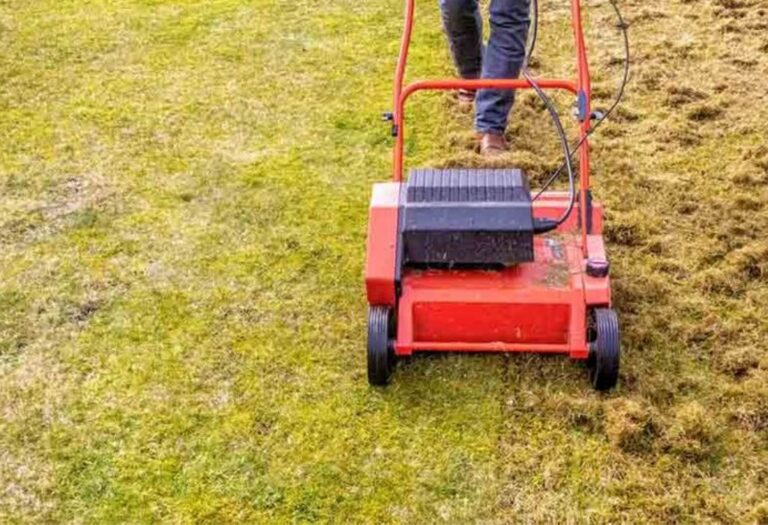
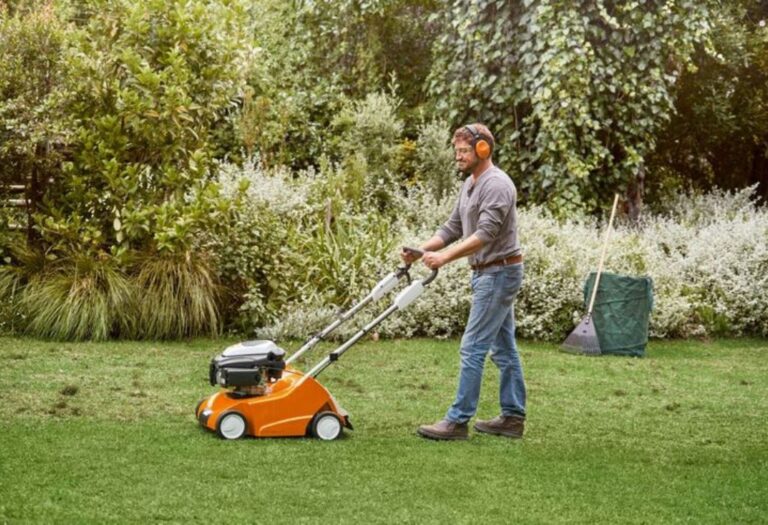
There are two main ways to aerate your lawn: core aeration and spike aeration. Core aeration pulls out small plugs of soil, leaving holes. This is often better because it creates more space for the roots. Spike aeration uses solid tines to poke holes. Both methods help the soil, but core aeration is generally preferred for its longer-lasting results.
- Core Aeration: This involves using a machine that removes small cores of soil from your lawn. This method is the most effective at reducing compaction.
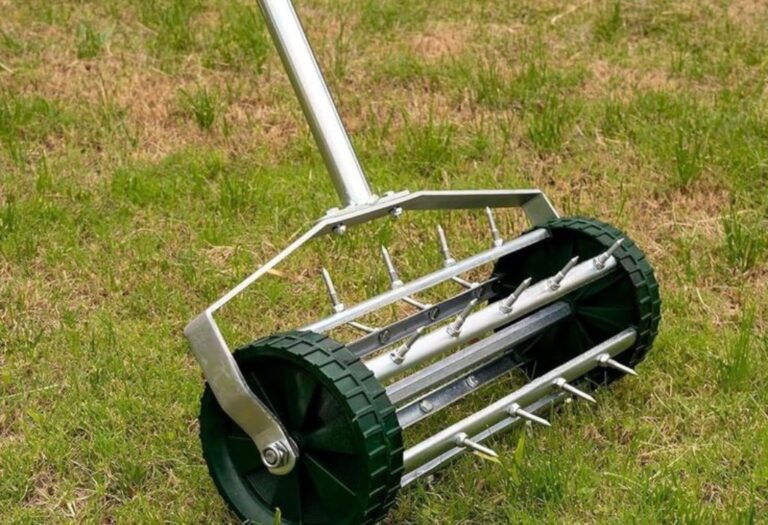
- Spike Aeration: This uses solid tines to create holes in the soil. It’s less effective than core aeration but still helps to improve air and water flow.
- Manual Aeration: For smaller lawns, you can use a manual aerator, which is a tool that you push into the ground to create holes.
- Aeration Shoes: These shoes have spikes on the soles. As you walk, they aerate the lawn. However, they are generally less effective than core aeration.
Deciding When to Aerate a New Lawn
The timing for aerating a new lawn is a bit different than for an established one. You need to balance helping the grass roots with not damaging the new growth. Aerating too early can be risky, while waiting too long can mean the grass gets off to a slow start. It’s all about finding the sweet spot for your lawn.
Assessing Your Lawn’s Maturity
Before you even think about aerating, you must check the maturity of your grass. A key step is ensuring the roots are well-established. If the grass is still very young, aeration might do more harm than good. You’ll want to allow the new grass to settle in and establish a solid root system first. The type of grass you have will also affect how quickly it matures.
- Check for Root Depth: Gently tug on the grass. If it pulls up easily, the roots aren’t strong enough. Wait a bit longer.
- Observe Growth Rate: A healthy, growing lawn is a good sign that it’s ready for some extra help.
- Consider the Grass Type: Some grasses, like fescues, establish quicker than others. Know your grass.
- Avoid Aerating Too Early: Don’t aerate before the grass has a chance to take hold. Give it some time.
Factors Influencing Aeration Timing
Several things will influence the perfect time to aerate your new lawn. The type of soil you have and how much you water the lawn are important. The weather also plays a role. Aerating just before a rainstorm is helpful because the water can soak in better. The best time to aerate often depends on these different factors.
- Soil Type: Clay soil compacts more easily. So, it might need aeration sooner than sandy soil.
- Watering Schedule: Lawns that are watered often can become compacted faster.
- Seasonal Conditions: Spring or fall are generally the best times, offering good growing conditions.
- Traffic Levels: If your lawn gets a lot of use, you might need to aerate a bit earlier.
Step-by-Step Guide: Aerating Your Lawn

Once you’ve decided it’s time to aerate, here’s a simple guide to help you do it right. This process will involve a few basic steps. Making sure you prepare the lawn and aerate it properly will ensure your grass is off to a great start. Taking your time and doing it correctly is more important than rushing through it.
Pre-Aeration Preparation
Getting your lawn ready beforehand makes the process easier and more effective. It also helps to prevent damage to your equipment. Start by mowing the grass. Then, give the lawn a good watering a day or two before aerating. This softens the soil, making it easier for the aerator to work. Cleaning the area is also important.
- Mow the Lawn: Cut the grass short before you begin. This makes it easier for the aerator to work.
- Water the Lawn: Water the lawn a day or two before. This will soften the soil.
- Mark Obstacles: Identify sprinkler heads and other underground utilities to avoid damage.
- Gather Your Tools: Make sure you have the right equipment ready to go.
Aeration Process: Core or Spike?
As mentioned earlier, choose between core or spike aeration. Core aeration is generally more effective, especially for compacted soil. Spike aeration is easier to do, but it doesn’t give as good results. If you’re unsure, core aeration is a great choice. Follow the instructions for your equipment, whether you’re using a machine or a manual tool.
- Core Aeration Method: Run the core aerator over your lawn, making multiple passes. The goal is to remove soil plugs.
- Spike Aeration Method: Use a spike aerator, ensuring you cover the entire lawn. Make multiple passes for better results.
- Depth of Aeration: Aim for a depth of 2-3 inches to get the best results.
- Consider Overseeding: After aerating, overseeding your lawn can fill in bare patches and thicken the grass.
Post-Aeration Care and Maintenance
Once you’ve aerated, take care of your lawn so it recovers well. Leave the soil plugs on the lawn. They break down and add nutrients. Water the lawn after aerating to help the roots. Be patient and give the grass time to grow. Avoid heavy traffic on the lawn during this time so it can thrive.
- Leave the Plugs: Don’t remove the soil plugs. They provide nutrients as they break down.
- Water Deeply: Water your lawn deeply after aerating to help the roots get established.
- Fertilize (Optional): Apply a light fertilizer after aerating. It can help boost growth.
- Monitor and Adjust: Watch your lawn and adjust your watering and maintenance accordingly.
When to Aerate Established Lawns
For lawns that have been around for a while, the timing can be different. Aerating established lawns helps them stay healthy year after year. The goal is to ensure the grass keeps growing well. Aerating at the correct times is essential for your lawn to thrive. It helps your grass look lush and green.
Optimal Seasons for Aeration
Spring and fall are generally the best times to aerate established lawns. In spring, the grass is coming out of its winter sleep. It can use the extra air and nutrients to grow strong. In the fall, the cooler weather and increased rainfall help the grass to recover from the aeration process. Both seasons give your grass the perfect environment to thrive.
- Spring Aeration: Aerate in early spring to give the grass a boost as it starts to grow.
- Fall Aeration: This is often the ideal time. The grass has time to recover before winter.
- Avoid Summer Aeration: During the hot summer, the grass is stressed and might not recover as well.
- Consider Your Climate: Adjust the timing based on your local weather conditions.
Signs Your Lawn Needs Aeration
Your lawn will show signs when it needs aeration. Look out for things like standing water, compacted soil, and thatch. These are tell-tale signs. If you see them, your lawn likely needs some help. Aeration can solve these problems, making your grass healthier. Checking for these signs can help you prevent issues before they get out of hand.
- Standing Water: If water pools on the surface instead of soaking in, it’s a sign of compacted soil.
- Thatch Buildup: A thick layer of thatch blocks air, water, and nutrients.
- Compacted Soil: If the soil is hard and difficult to penetrate, aeration is needed.
- Poor Grass Growth: If the grass looks thin or unhealthy, it could be due to soil compaction.
Soil Testing and Analysis for Lawn Health
Understanding your soil is key to a thriving lawn. Soil testing tells you about the nutrients, pH level, and texture of the soil. This info helps you choose the right aeration methods and amendments. Testing can solve any issues preventing your lawn from growing well. Soil testing is like a check-up for your lawn.
Importance of Soil Testing
Soil testing can help you understand your lawn. Knowing the pH level is important. Soil that is too acidic or alkaline makes it hard for the grass to absorb nutrients. Testing also tells you about the nutrient levels in your soil. This can help you choose the right fertilizers and amendments. Soil testing guides you in the right direction.
- Determine Nutrient Deficiencies: Testing identifies any missing nutrients your grass needs.
- Assess pH Levels: Testing helps you maintain the ideal pH for healthy grass growth.
- Understand Soil Texture: Knowing the soil type helps you determine the best aeration methods.
- Optimize Fertilizer Use: Soil testing helps you apply fertilizers only when needed.
Interpreting Soil Test Results
Once you get the soil test results, you’ll need to interpret them. The results will provide information about your soil’s properties, like pH and nutrient levels. Learn to understand these results. If you don’t know the best way, consult a local expert. They can help you understand your results. Using this information helps you make smart decisions for your lawn.
- pH Levels: Aim for a pH between 6.0 and 7.0 for optimal grass growth.
- Nutrient Levels: Know the levels of nitrogen, phosphorus, and potassium.
- Organic Matter: High organic matter levels improve soil health.
- Recommendations: Follow the recommendations for fertilizer and amendments.
Common Mistakes to Avoid When Aerating
Even with the best intentions, it’s easy to make mistakes when aerating your lawn. Being aware of these pitfalls can help you avoid them. Making these mistakes can damage your lawn. Common mistakes include aerating at the wrong time or using the wrong equipment. Taking your time can help you create a beautiful, healthy lawn.
Aerating at the Wrong Time
One of the most common errors is aerating at the wrong time. Aerating in the middle of summer, when the grass is stressed, can be harmful. The grass needs time to recover and grow. Aerating during the active growing seasons, spring or fall, is best. Avoiding these times will give your lawn the best chance to recover.
- Aerating in Summer: Avoid aerating during hot and dry spells. The grass will struggle to recover.
- Aerating Too Early: Don’t aerate a new lawn before it’s properly established.
- Ignoring Weather Conditions: Pay attention to the weather forecast. Avoid aerating before a dry spell.
- Incorrect Timing for Grass Type: Match the timing to your specific type of grass.
Using the Wrong Equipment or Technique
Using the wrong equipment can lead to poor results. This happens often. Using a spike aerator on heavily compacted soil might not be effective. Using dull equipment won’t penetrate the soil properly. Correct equipment can help you create the lawn of your dreams. If you choose the correct equipment, you will be successful.
- Using the Wrong Aerator Type: Core aerators are generally more effective than spike aerators for heavily compacted soil.
- Not Aerating Deep Enough: The aerator needs to penetrate the soil deeply enough.
- Skipping Pre-Aeration Prep: Not watering the lawn beforehand or mowing the grass can reduce the effectiveness of aeration.
- Poor Technique: Ensure you are making overlapping passes to aerate the entire lawn.
Frequently Asked Questions
Question: When should I aerate my new lawn if I seeded it?
Answer: Wait until the new grass has established a strong root system, usually after one or two full growing seasons. This gives the grass time to mature.
Question: Can I aerate my lawn too often?
Answer: Yes, aerating too often can damage the grass. Typically, aerate once a year, or twice at most, depending on your lawn’s needs.
Question: Do I need to water after aerating a new lawn?
Answer: Yes, watering is important after aerating. It helps settle the soil and promotes root growth. Deep watering is key.
Question: Can I aerate my lawn in the winter?
Answer: It’s best to aerate during the growing seasons (spring or fall). Winter aeration is not recommended as the grass may not recover well.
Question: Is it okay to aerate a lawn with weeds?
Answer: Yes, aeration can help with weeds by improving overall lawn health. However, address weed issues separately with appropriate treatments.
Final Thoughts
So, the big question of how soon to aerate new lawn has a few simple answers. The key idea is to give the grass time to get strong. Don’t rush the process! Look at things like root strength and the time of year. Proper timing will help you avoid problems and gives your lawn the best start possible. Remember that core aeration is often preferred. Also, don’t forget to water after aerating to help your new lawn establish roots. Start with these simple steps, and you’ll be on your way to a great-looking lawn. Now, go out there and give your new lawn the care it needs, and you’ll soon be enjoying a beautiful, healthy space.