Softening Soil Before Aeration Simple Steps for Better Lawns
If you’re new to lawn care, the idea of how to soften soil before aeration might seem a little tricky. It’s a common challenge, especially if your soil is hard or compacted. Don’t worry, it’s easier than you think! This guide will help you get your soil ready for aeration, step by step. We’ll explore some simple techniques that will make a big difference in the health of your lawn. Let’s see how you can make your soil soft and ready for action.
What is Soil Aeration and Why Is It Important?
Soil aeration is like giving your lawn a breath of fresh air. It involves creating small holes or removing plugs of soil to improve the exchange of air, water, and nutrients. This process is essential for a healthy lawn, but sometimes the ground is too hard to effectively aerate. Soil becomes compacted over time due to foot traffic, heavy rain, or even just the natural settling of the earth. This compaction squeezes out the air pockets that grass roots need to thrive. Aeration helps break up this compaction, allowing the grass roots to grow deeper and stronger. Regular aeration is a key part of keeping a vibrant, green lawn.
The Benefits of Aeration for a Healthier Lawn
Aerating your lawn offers a multitude of benefits, directly contributing to its overall health and vitality. By opening up the soil, aeration improves the environment for grass roots. These deeper roots help the grass withstand drought and other environmental stresses. Aeration is a great way to revitalize your lawn!
- Improved Air Circulation: Aeration provides the roots with essential oxygen. Without enough air, the roots struggle to absorb nutrients and water. This is a very helpful thing!Adequate air circulation is vital for a healthy lawn. The roots need oxygen to perform essential functions, much like humans do. When the soil is compacted, air circulation is restricted. Aeration creates pathways that allow oxygen to reach the roots, leading to healthier growth. With proper air flow, grass can also better handle the impact of fungi, because the roots are stronger.
- Enhanced Water Absorption: Aeration helps water to penetrate the soil more easily. This reduces the risk of runoff and ensures that the grass gets the hydration it needs.Compacted soil prevents water from soaking into the ground, leading to runoff and wasted water. Aeration creates pathways for water to reach the roots, making them more resilient. This is especially useful during dry spells, when the lawn requires proper hydration.
- Better Nutrient Uptake: With improved air and water movement, grass roots are better able to absorb the nutrients from fertilizers. Aeration can make your lawn look really good.Roots need to be strong enough to absorb nutrients from the soil. Aeration prepares the ground for fertilization. The roots can easily reach the required minerals and vitamins.
- Reduced Soil Compaction: Aeration breaks up compacted soil, allowing the roots to grow more freely. Compaction is the biggest enemy of a healthy lawn!Over time, foot traffic, rain, and other factors can compact the soil. This compaction restricts the movement of air, water, and nutrients. Aeration is the primary way to alleviate compaction, improving the overall health of your lawn.
Understanding Your Soil Type
Before you get started, it’s helpful to know what kind of soil you have. Different soil types have different needs when it comes to aeration. This knowledge helps you choose the best methods for softening the soil and getting the results you want.
Common Soil Types and Their Properties
Soil type affects how easily your ground becomes compacted and how best to prepare it for aeration. Knowing the type of soil in your lawn helps you plan your strategy.
- Clay Soil: Clay soil is very fine and compacts easily. It holds water well but can become waterlogged and hard when dry. Clay soil may need more attention.Clay soil is known for its ability to retain water, but this can also lead to compaction and poor drainage. Aerating clay soil requires extra effort, but it is necessary for maintaining a healthy lawn. Clay can make it hard for the grass to get the oxygen, water and nutrients it requires.
- Sandy Soil: Sandy soil drains quickly but doesn’t hold nutrients well. It is less prone to compaction, but aeration can still be beneficial.Sandy soil drains faster, which means that it loses nutrients as well. Aeration in sandy soils can help with root growth, and it can also assist with water retention. It can also help the soil to stay cool during the summer.
- Loam Soil: Loam is a mixture of sand, silt, and clay, and is often considered the ideal soil. It drains well, holds nutrients, and is less prone to compaction than clay.Loam soil provides a great balance of drainage, nutrient retention, and aeration. This kind of soil is perfect for the growth of grass roots. Aeration will ensure the best possible soil for your grass to thrive.
- Silt Soil: Silt soil particles are smaller than sand particles but larger than clay particles. Silt can be easily compacted. Silt soil compacts quickly.Silt is easily compacted, like clay, because it holds water. Aerating this soil will help the grass have access to air and nutrients.
Conducting a Simple Soil Test
There are a few easy tests you can do to find out what type of soil you have. This quick test will give you a good idea of your soil type. Soil testing will let you know how hard it is and what steps you’ll need to take before aeration.
- The Jar Test: Place a sample of your soil in a jar, add water, and shake. Let it settle. The layers that form will help you determine the proportions of sand, silt, and clay.This is a simple DIY test to determine your soil composition. Fill a clear jar with a sample of your soil and add water. Shake it well and let it settle for a few hours. The different particles will separate into layers, revealing how much sand, silt, and clay are present.
- The Squeeze Test: Take a handful of moist soil and squeeze it. If it forms a ball, it has a high clay content. If it crumbles, it’s likely sandy.This test gives you a quick assessment of your soil’s texture. If you can squeeze the wet soil into a ball, and it holds together, it likely has a high clay content. Sandy soil will not form a ball and will easily crumble.
- The Ribbon Test: Roll a moist soil sample into a ribbon. The length of the ribbon tells you the clay content. Longer ribbons indicate more clay.This test helps to determine the clay content of your soil. Roll a moist soil sample into a ribbon and see how long it remains intact. A long ribbon suggests a higher clay content, while a short or crumbly ribbon indicates less clay.
Effective Strategies for How to Soften Soil Before Aeration

Now, let’s explore ways to get your soil ready for aeration. These techniques will help loosen up the ground and make it easier to work with. These steps are simple to follow and can improve the impact of your aeration efforts. Ready to get started?
Pre-Aeration Watering: Hydrating the Ground
One of the easiest ways to soften soil is to water it before you start aerating. This simple step can greatly improve your aeration results.
- Watering Timing: Water the lawn one or two days before you plan to aerate.The best time to water before aeration is a day or two before your scheduled aeration. This allows the water to soak into the soil, softening it without creating a muddy mess. Make sure the water has enough time to be absorbed.
- Amount of Water: Water deeply, allowing the water to penetrate the soil. Aim for about an inch of water.A good rule of thumb is to apply about an inch of water. You can measure this by placing a container on your lawn while watering. This amount of water is enough to moisten the soil without making it soggy.
- Best Time to Water: Water in the morning, so the lawn has time to dry throughout the day.Watering in the morning ensures that the lawn dries throughout the day, which helps prevent the growth of fungal diseases. It also allows the water to fully absorb into the soil.
- Tools to Use: Use a sprinkler system or garden hose.A sprinkler system or garden hose makes it easy to water your lawn. If you have an in-ground sprinkler system, adjust it to give your lawn an adequate amount of water. If you don’t, you can use a garden hose and sprinkler.
Using a Core Aerator vs. Spike Aerator
When it comes to aeration, there are two main types of machines: core aerators and spike aerators. Each type works differently and is suited to different needs. The tool you select can affect the effort required to soften your lawn before aeration.
- Core Aerators: These machines remove plugs of soil, creating deeper holes and relieving compaction. They’re typically more effective for heavy clay soils.Core aerators are great because they actually remove soil plugs, creating more room for air and water. This is an effective choice for seriously compacted soils. This type of aerator is the ideal choice for heavy clay soils.
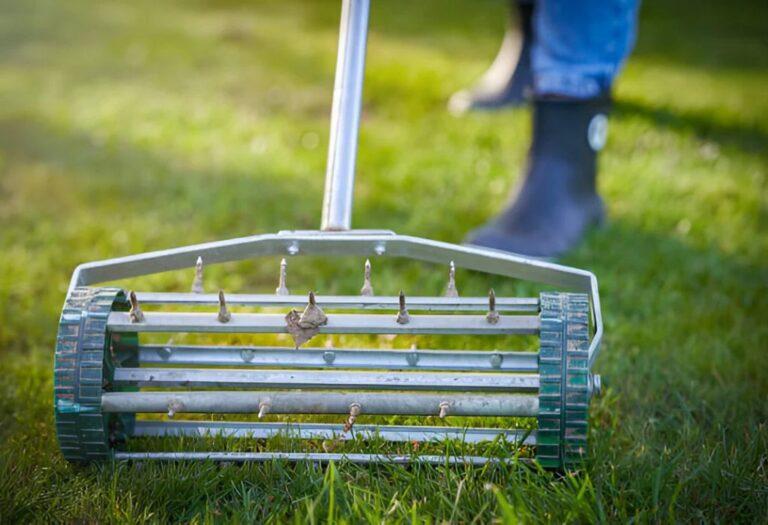
- Spike Aerators: These aerators simply poke holes in the ground. They are less effective than core aerators but can still improve soil aeration.Spike aerators poke holes in the ground, compressing the soil around the holes. While they can help with aeration, they are not as effective as core aerators, especially in compacted areas. Spike aeration is usually easier and faster, but less effective.
- Choosing the Right Type: Consider your soil type and the level of compaction when selecting an aerator.The type of soil you have and its current condition are helpful indicators. If the soil is heavily compacted, a core aerator is the best selection. For slightly compacted soil, a spike aerator will be effective.
Topdressing: Adding Organic Matter
Adding organic matter to your lawn is a great long-term strategy. This improves the structure of the soil, making it easier to aerate and maintain a healthy lawn. Topdressing is a very useful technique.
- What is Topdressing?: Applying a thin layer of compost or other organic material to the top of your lawn.Topdressing involves spreading a thin layer of a soil amendment, such as compost, over your lawn. This provides essential nutrients and boosts the health of the soil. This can also help to break down thatch.
- Benefits of Topdressing: Improves soil structure, adds nutrients, and helps with water retention.Topdressing will provide numerous benefits. It improves soil structure, introduces vital nutrients, and enhances water retention. Using topdressing also helps to reduce compaction over time, making it simpler to aerate. Topdressing is a win-win!
- Timing of Topdressing: Apply topdressing after aerating. The holes created by aeration will help it penetrate the soil.Topdressing after aeration is most effective. The aeration holes will allow the organic matter to reach deeper, which allows the soil to benefit faster. You can seed the lawn with grass seed after this step, if needed.
Using Soil Amendments: Improving Soil Structure
Soil amendments are materials that you can add to your soil to enhance its health and structure. These can be very helpful for softening the ground and boosting the effectiveness of aeration.
- Common Soil Amendments: Compost, peat moss, and well-rotted manure are popular choices.A variety of soil amendments can improve your soil. Compost enriches the soil with essential nutrients, while peat moss and well-rotted manure enhance its ability to retain water and improve overall soil texture. You may wish to mix various materials.
- How Amendments Work: They improve soil structure, drainage, and aeration.Soil amendments enhance the structure, drainage, and aeration. They break up compacted soil, and they also increase the soil’s capacity to hold water, and improve its ability to support healthy root development.
- Application: Spread the amendment evenly over the lawn, then work it into the soil.The best way to apply amendments is to spread them evenly over the lawn. Using a rake or a similar tool can help you to gently work the amendment into the soil. Doing this will ensure the amendments will be more effective.
Best Practices and Timing for Lawn Aeration
Aerating your lawn at the right time and in the right way is critical for getting good results. Following best practices will maximize the benefits.
Optimal Time of Year for Aeration
The best time to aerate your lawn depends on your grass type. Aerating at the correct time will make all the difference for your lawn!
- For Cool-Season Grasses (e.g., Kentucky bluegrass, fescue): Aerate in the early fall or spring.For cool-season grasses, the best time to aerate is in the early fall or spring. These are ideal times because the grass is actively growing and can quickly recover from the aeration process. Aeration in fall and spring makes the process more effective.
- For Warm-Season Grasses (e.g., Bermuda grass, zoysia grass): Aerate in late spring or early summer.Warm-season grasses should be aerated in the late spring or early summer. These months are when the grass is actively growing. Aeration at this time lets the grass to recover quickly and take advantage of the improvements in soil conditions.
- Avoid Aerating in Winter or During Droughts: The grass cannot recover well during these times.Try to avoid aerating during the winter months or during times of drought. The grass may not recover well in these conditions, and it could be damaged.
Aeration Frequency and Maintenance
How often you aerate and how you maintain your lawn after aeration will help you to maintain a healthy lawn. Here’s what you should know.
- Frequency: Aerate annually for highly compacted soil. For less compacted soil, every other year may be sufficient.The frequency of aeration depends on your lawn’s condition and the type of soil. For compacted soil, annual aeration is recommended. For less compacted soil, aerating every other year may be enough to keep the grass healthy. Monitor your lawn’s condition and adjust the frequency as needed.
- Post-Aeration Care: Water, fertilize, and overseed after aerating. These actions encourage the growth.Proper care after aeration will ensure the best results. Water the lawn deeply to help the soil settle and promote root growth. Fertilize with a balanced fertilizer to give the grass the nutrients it requires to recover. If needed, overseed the lawn to fill in any bare spots and to thicken the grass.
- Ongoing Lawn Care: Regular mowing, watering, and fertilization will maintain a healthy lawn.Regular mowing, watering, and fertilization support the results of aeration. These routines contribute to overall lawn health. Consistent care, combined with aeration, will maintain a vibrant and resilient lawn.
Real-Life Examples and Case Studies
Let’s look at a few examples of how these techniques can work. These case studies will provide more detail and real-world results.
Case Study 1: John’s Lawn Transformation
John, a homeowner with a clay soil lawn, struggled with compacted ground. Following our recommendations, he pre-watered his lawn for two days and used a core aerator in the fall. After aeration, he topdressed with compost and overseeded. The result? A lush, green lawn with improved drainage and significantly less compaction.
Case Study 2: Sarah’s Sandy Soil Success
Sarah had sandy soil that was draining too quickly, and her grass was not growing well. After conducting a soil test, she aerated her lawn in the spring. Then, she topdressed with compost and peat moss. The topdressing helped the soil retain more water and nutrients. Her lawn became more green and healthy.
Case Study 3: The Impact of Proper Timing and Amendments
A study of a local community park compared the effects of aeration done at different times of the year, with and without topdressing. Lawns aerated in the fall and topdressed with compost showed the most significant improvements in grass density and root growth, compared to those aerated in spring or without amendments.
Advanced Techniques and Troubleshooting
For tougher situations, there are a few advanced techniques and tips to help you overcome common issues. These are designed to address the trickiest challenges.
Dealing With Extremely Compacted Soil
If your soil is extremely hard, you may need extra help to soften it. These steps will help you handle really tough ground.
- Deep Aeration: Use a core aerator that penetrates deep into the soil.When the soil is heavily compacted, you need to aerate deep into the ground to ensure you break it up. Select a core aerator that can penetrate at least 2-3 inches into the soil. Make multiple passes in different directions.
- Multiple Aeration Passes: Make multiple passes over the lawn, especially in heavily compacted areas.For really compacted areas, multiple passes are needed to loosen up the soil. After the initial pass, go over the lawn a second time in a different direction. This will ensure that you have covered all the ground.
- Consider Professional Help: If your soil is very compacted, consider hiring a professional.If your soil is particularly hard or if you are dealing with a large area, you may need a professional. They will have access to heavy-duty equipment that will get the job done quickly and effectively. They can also provide expert recommendations.
Troubleshooting Common Aeration Issues
It’s important to know what you might face when softening the soil. Knowing these issues and solutions is very helpful!
- Aerator Clogging: If your aerator clogs, stop and clean it out.Aerators can sometimes get clogged with soil and debris. If your aerator clogs, immediately stop and clean out the tines or cores. This will prevent damage to your equipment. A simple way to unclog it is to use a stick.
- Uneven Aeration: Ensure even coverage by overlapping your passes.To avoid uneven aeration, ensure you are overlapping your passes by a few inches. This will ensure that all areas of your lawn are aerated. This is key to preventing problems like compaction.
- Difficulty Penetrating Soil: Ensure the soil is adequately moist before aerating.If you’re having trouble getting the aerator to penetrate the soil, check and see if it is moist enough. Water your lawn for one or two days before aerating. This will make the job much easier.
Incorporating Dethatching with Aeration
Thatch is a layer of dead grass and organic matter that builds up on your lawn. Dethatching and aeration together create great results.
- What is Thatch?: A layer of dead grass, stems, and roots that accumulates between the soil surface and the grass blades.Thatch is a layer of organic material. It’s found between the soil surface and the green grass blades. Too much thatch can prevent water and nutrients from reaching the roots. It can also harbor pests.
- Dethatching Process: Use a dethatcher to remove the thatch. This improves air circulation, water absorption, and nutrient uptake.The dethatching process removes the layer of thatch to allow more air and water to penetrate. Dethatching with aeration will produce the best results. You will want to use a dethatching machine, or you can use a hand rake.
- Combining Dethatching and Aeration: Dethatch before aerating, so the aeration holes can more effectively remove soil.For best results, dethatch your lawn before you aerate. This prepares the ground, allowing the aerator to reach the soil. The aeration can then address any thatch issues. You can seed after dethatching and aeration.
| Technique | Purpose | Effect |
|---|---|---|
| Pre-Aeration Watering | Moistens the soil | Makes aeration easier, reduces the force needed. |
| Using Core Aerator | Removes soil plugs | Provides deeper aeration, relieves compaction effectively. |
| Topdressing with Compost | Adds organic matter | Improves soil structure, adds nutrients, enhances water retention. |
| Using Soil Amendments | Adds nutrients, improves drainage | Enhances soil structure, supports root growth. |
| Dethatching | Removes excess thatch | Improves water and nutrient penetration. |
Frequently Asked Questions
Question: How long before aeration should I water my lawn?
Answer: Water your lawn one to two days before you plan to aerate. This gives the water time to soak into the soil and soften it, making the process easier.
Question: Is it necessary to fertilize after aeration?
Answer: Yes, it is a good idea to fertilize after aeration. Aeration creates openings that allow the fertilizer to reach the grass roots more effectively, promoting healthier growth.
Question: Can I aerate my lawn if it has a lot of weeds?
Answer: Yes, you can aerate a lawn with weeds. However, consider addressing the weeds before or after aeration. This can involve hand-pulling, herbicides, or spot treatments to prevent them from spreading.
Question: Should I seed after aerating?
Answer: Yes, seeding after aeration is generally recommended, especially if you have bare spots. Aeration holes provide an ideal environment for grass seeds to germinate and take root, resulting in a thicker lawn.
Question: What’s the difference between a core aerator and a spike aerator?
Answer: A core aerator removes small plugs of soil, creating holes. A spike aerator pokes holes in the ground. Core aeration is generally more effective at relieving compaction.
Final Thoughts
You now have a clear guide on how to soften soil before aeration and how to care for your lawn. From pre-aeration watering and knowing your soil type, to the benefits of topdressing and choosing the right equipment, you’re now equipped to take on this key part of lawn care. Remember, preparation is key, and the right approach makes a huge difference. Don’t worry if it doesn’t look perfect right away. With these steps, you’ll be well on your way to a lush, healthy lawn that you can be proud of! Ready to get started? Take action and watch your lawn become the envy of the neighborhood!