String Trimmer Spool Problems Explained and Solved
If you’re new to yard work, you might have experienced the frustration of your string trimmer spool popping open. This often happens because of a few simple mistakes, but don’t worry – it’s a common issue and easily fixed. This guide will walk you through the most likely causes and give you step-by-step instructions. We’ll explore why this happens and give you the knowledge you need to get your trimmer working smoothly again. Let’s get started!
Reasons Why String Trimmer Spool Issues Arise
The problems with a string trimmer spool aren’t always complicated; they often have simple causes. This section will look at the usual suspects, breaking down what can cause the spool to malfunction. From the wrong type of string to how you handle the trimmer, we’ll cover the main issues. Knowing these reasons can help you stop these problems before they begin. This knowledge can also prevent future frustrations.
Incorrect String Type and Size
One of the biggest issues leading to a string trimmer spool popping open is using the wrong type or size of string. String trimmers are designed to work with specific string dimensions and materials. Using the wrong kind can cause all sorts of problems. It can lead to the spool jamming, breaking, or, as we know, unexpectedly opening. Also, the string may not feed properly. This could even cause damage to the trimmer’s internal components. Always check your trimmer’s manual to find the correct string size and type for your machine. This helps to avoid string-related difficulties.
- Size Matters: Using string that’s too thick can cause the spool to bind and potentially break. A string that is too thin will break easily or not cut efficiently. Always choose the recommended gauge.
- Material Matters: String comes in different materials like nylon, co-polymer, and twisted or serrated types. Each has its strengths. Some are better for certain types of grass and weeds. Ensure your choice meets your yard’s needs.
- String Quality: Cheaper strings might break faster. They could also tangle more easily compared to higher-quality products. It’s smart to pick a well-regarded brand. That way, you get the best performance and durability.
- Loading the String Correctly: Improper string loading, such as winding the string too loosely or tightly, can create issues. The string might tangle and obstruct the feeding mechanism. Always follow the manufacturer’s instructions. This approach ensures smooth operation.
Think about a time you tried to use fishing line in your string trimmer. The results likely included tangled messes, as fishing line isn’t made for this purpose. That’s a good example of why choosing the right string type and size is important. The correct string makes all the difference in achieving a clean cut and avoids frustrations.
Overloading the Spool
Filling the spool with too much string is another common error. This can cause the string trimmer spool popping open. An overloaded spool may struggle to spin freely. This can lead to increased friction and heat, causing the string to fuse and prevent proper operation. The excess string may also jam the feeding mechanism or prevent the spool from closing completely. This situation often arises from estimating or not measuring string lengths. Always follow the manufacturer’s instructions regarding the appropriate amount of string to load into the spool. This approach helps maintain the trimmer’s optimal performance and lengthen its lifespan.
- Measuring the String: Don’t guess the amount of string. Use the string length specified in the trimmer’s manual. If you don’t have the manual, look for markings on the spool itself or search for your trimmer model online.
- Winding Technique: Wind the string neatly and evenly. Avoid overlapping or crisscrossing the string too much, which can cause jams. Keep the winding consistent to prevent issues.
- Checking the Feed System: Before closing the spool, ensure the string can move freely through the eyelets or feed holes. Clear any obstructions, such as tangled string.
- Avoiding Forced Feeding: If the string jams, don’t force it. Unload the spool and re-wind it. This practice prevents damage to the trimmer’s components.
A homeowner might feel the need to fill the spool completely, thinking it helps with more cutting time. However, this action will create more problems than it solves. Stick to the manufacturer’s recommended amount. This will give the best performance.
Improper Trimmer Operation
How you operate your string trimmer can significantly impact whether the string trimmer spool popping open. Using incorrect techniques, such as applying excessive force or tilting the trimmer at extreme angles, can contribute to malfunctions. This can also lead to premature wear and tear. Furthermore, if you are not careful about the materials you cut (e.g., hitting hard objects), it can affect the cutting performance. Developing good operating practices, learning to use the trimmer smoothly, and minimizing potential stresses on the spool will help ensure the trimmer continues to operate properly.
- Cutting Techniques: The proper cutting technique is essential. Avoid slamming the trimmer head into the ground or forcefully cutting through thick patches of grass or weeds. Use the tip of the string to do the work. Overworking the trimmer leads to premature wear.
- Operating Angle: Maintain a level operating angle. Tilting the trimmer at extreme angles may cause the string to wear out faster or jam. Always maintain control.
- Ground Conditions: Be mindful of what you are cutting. Avoid hitting hard objects like rocks or fences. These obstacles can cause the string to break. This situation may also lead to spool damage.
- String Extension: Understand how your trimmer extends the string. Some trimmers are designed to automatically advance the string. Others have a ‘bump’ feature, or require a manual pull. Knowing how to extend the string properly is important.
A common mistake is trying to take down tough weeds in a single pass. This forces the string. Taking multiple passes is more effective and easier on the trimmer. It can help avoid damage.
Troubleshooting and Solutions

Once you know the main causes of the string trimmer spool popping open, knowing the solutions will help you fix them. This section will offer practical steps to solve the most common issues. These easy-to-follow actions will ensure your trimmer is ready to use quickly.
Unclogging the Spool and Head
Often, a string trimmer spool can malfunction due to string tangles or debris. When this occurs, the spool and head need to be inspected. Cleaning the trimmer head regularly is a simple solution. It’s also crucial to clear any obstructions that prevent the string from feeding correctly. This maintenance helps prevent the string trimmer spool from opening. Here is how to perform this maintenance.
- Disassembly: First, make sure the trimmer is unplugged or the battery is removed. Next, carefully disassemble the spool head according to the manufacturer’s instructions. Usually, this involves removing the spool cover and taking out the spool itself.
- Inspect and Remove Debris: Examine the trimmer head and spool for any tangled string, grass clippings, or other debris. Use a small tool, like a screwdriver or needle-nose pliers, to carefully remove any obstructions.
- Clean the Spool: Clean the spool itself. Use a brush or cloth to remove any remaining debris. This action ensures smooth operation.
- Reassembly: Once everything is clean, reassemble the trimmer head. Make sure all components fit correctly and the string is routed through the eyelets or feeding channels properly. This action prevents the string trimmer spool popping open.
Imagine your trimmer suddenly stops working. You open it up and find a wad of string and grass stuck inside. Clearing this out solves the problem. A bit of routine maintenance goes a long way. This will ensure your trimmer continues to perform well.
Proper String Winding and Loading Techniques
How you load your string trimmer is very important. Improper winding can lead to the string trimmer spool popping open. Following these tips ensures the string feeds properly and that the trimmer functions at its best. Taking care in this process can save time and energy.
- Read the Manual: Always consult the trimmer’s manual. This will detail the specific instructions for your model. It often includes diagrams and helpful tips.
- Measure the String: Measure the exact length of string. The manual provides the proper amount to use. Don’t guess, or you could end up with a tangled mess.
- Wind Correctly: Wind the string neatly onto the spool. This is important to ensure the string comes off smoothly.
- Secure the Ends: Secure the string ends in the correct slots or clips on the spool. This helps prevent the string from unwinding during use.
If you’ve ever had a string trimmer tangle, then you know how frustrating it is. This situation often comes from improper loading. Taking time to follow instructions will make your yard work much more enjoyable.
Adjusting and Replacing Spools and Covers
Sometimes, the trimmer’s components themselves need attention. This involves adjusting or replacing parts. Properly addressing these factors will keep your trimmer working well. Regular maintenance of the spool and cover is essential. This can keep your machine from having issues.
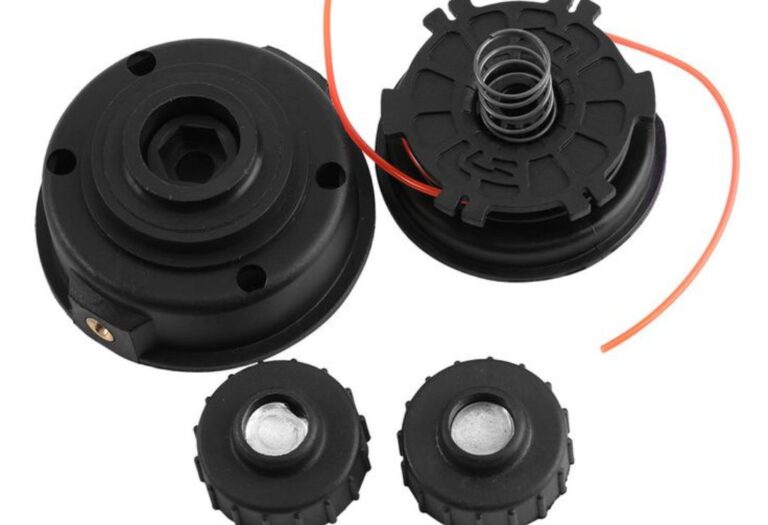
- Spool Inspection: Check the spool for cracks or damage. Any damage can impact the way the string feeds.
- Cover Condition: Inspect the spool cover for any wear and tear. A damaged cover may not secure the spool properly.
- Proper Fit: Make sure the spool and cover fit correctly. They should snap together easily. If they don’t, there might be a problem with either one.
- Replacement: Replace the spool or cover if damaged. This should be done to prevent future issues.
A cracked spool cover is like a broken phone screen. It may not seem important at first, but it can cause bigger problems. Keep your equipment working properly. You will find that replacing the worn parts leads to a more enjoyable experience.
Advanced Techniques and Preventive Measures
While fixing a string trimmer spool popping open can be straightforward, a few advanced techniques can help. These are not only useful for troubleshooting, but also for preventing problems. Knowing these strategies can reduce downtime and improve the life of your trimmer.
String Trimmer Head Modifications and Upgrades
Several modifications and upgrades can improve your trimmer’s function. While these upgrades may require some know-how, they offer benefits. Investing in the appropriate enhancements for your trimmer can boost its usefulness. They can also minimize common problems.
- Upgrade the Head: Consider replacing the standard trimmer head with an upgraded version. Look at a bump-feed head. These may be more durable and easier to use.
- Use a Different String: Experiment with different types of string. Explore the benefits of different materials. Some strings may perform better with specific types of grass.
- Reinforced Components: Upgrade components. Some aftermarket spools and covers are made of stronger materials.
- Regular Maintenance: Regularly inspect and maintain your trimmer. Remove debris and look for signs of wear. Following maintenance ensures optimal performance.
Just as car owners customize their vehicles, you can change your string trimmer. Upgrading these components lets you tailor your equipment to meet your specific needs. This will enhance your trimming experience.
Preventive Maintenance Tips
Preventive maintenance can do more than fix issues. It can also prevent the string trimmer spool popping open. Taking care of your trimmer before it breaks down helps prevent problems. This includes regular cleaning, inspection, and storage practices. These actions will keep your trimmer ready for use. By following a basic care routine, you can avoid costly repairs. You will also improve the equipment’s lifespan.
- Clean After Each Use: After each use, clean the trimmer head. This will remove any grass clippings and debris.
- Inspect for Wear and Tear: Regularly inspect the spool, cover, and string. This will catch damage early.
- Proper Storage: When not in use, store the trimmer in a dry, covered area. This prevents rust and other damage.
- String Management: Keep a supply of string handy. This makes it easier to replace the string.
Think of it like getting regular oil changes for a car. Taking time to care for your string trimmer pays off. You’ll avoid issues and keep it working at its best.
String Trimmer Spool Troubleshooting Scenarios
Real-life examples can help you address issues that can occur. Let’s look at some likely situations. These examples give you information on fixing problems. These scenarios show how to get the most out of your string trimmer.
- Scenario 1: The String Keeps Breaking: Your trimmer string keeps breaking. This issue can often be solved by checking the string type and using a different gauge. If you consistently cut thick weeds, use a thicker, more durable string. This approach addresses the cutting issue.
- Scenario 2: The Spool Won’t Feed String: The spool does not release more string when you need it. This situation might be from a tangled string or debris. Disassemble the spool head, remove any debris, and re-wind the string properly. A clean spool and head will ensure the string feeds smoothly.
- Scenario 3: The Spool Opens During Use: The string trimmer spool keeps opening when in use. This problem is usually from the wrong loading technique or overloading the spool with string. Check the trimmer manual. Use the correct amount of string and wind it neatly.
These scenarios offer real-world context. This ensures the advice is practical and helps you address issues. Apply these tips to keep your trimmer in great condition.
| Issue | Likely Cause | Solution |
|---|---|---|
| String Breaks Frequently | Incorrect String Type or Damage to Trimmer Head | Use the right string for your trimmer. Check for damage. |
| String Won’t Feed | Tangled String or Debris in the Spool | Disassemble and clean the spool. Properly re-wind the string. |
| Spool Opens During Use | Overloaded Spool or Incorrect Winding | Load the right amount of string. Follow instructions. |
Frequently Asked Questions
Question: Why does my string trimmer spool keep opening?
Answer: This usually happens because the spool is overloaded with string, the string is not wound properly, or the wrong type of string is being used.
Question: How do I know what type of string to use in my trimmer?
Answer: Check your trimmer’s manual for the recommended string type and size. You can also often find this information printed on the trimmer’s spool cover.
Question: What’s the best way to wind the string onto the spool?
Answer: Follow the winding instructions in your trimmer’s manual, usually involving securing the string end in a slot and winding it neatly, making sure the string doesn’t overlap excessively or get tangled.
Question: Can I use any type of string in my string trimmer?
Answer: No. Using the wrong type of string can damage the trimmer or cause it not to work. Always use the string type and size recommended in your trimmer’s manual.
Question: How often should I replace the string in my string trimmer?
Answer: Replace the string when it runs out or becomes worn and frayed. Keep extra string on hand so you can change it as needed.
Final Thoughts
Dealing with a string trimmer spool popping open can be frustrating, but with a bit of knowledge, it’s a manageable problem. You now know the main causes: incorrect string, overloading the spool, and improper use. You’ve explored practical solutions, from simple cleaning and proper winding techniques to preventive maintenance and upgrades. Remembering these simple steps will save you time and money. That is because it helps you keep your yard looking its best. With these tips, you’re well-equipped to tackle any spool-related issues. You can now approach yard work with confidence. Get out there and enjoy a well-manicured lawn!