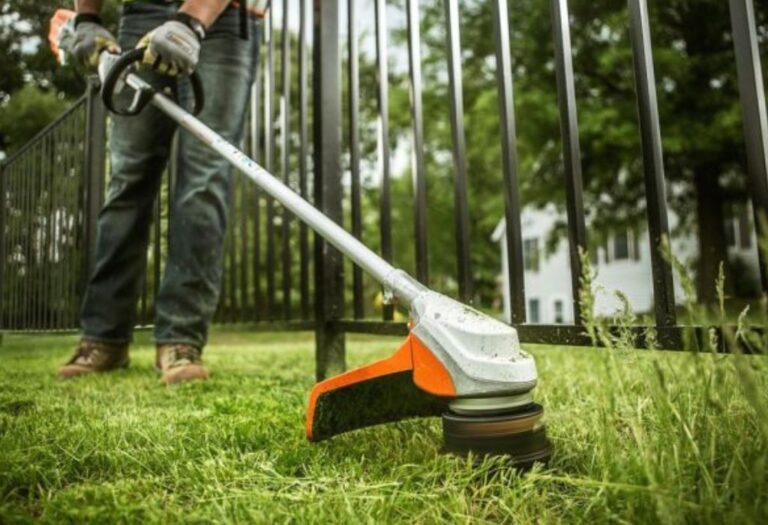
String Trimmer Blade or Line? Choosing the Right Tool
Figuring out the difference between a string trimmer blade vs line differences can be tricky when you’re just starting. It’s like choosing between a crayon and a marker – both get the job done, but in different ways! Many beginners find this part a little confusing because there are so many options. Don’t worry, though! We’ll explore the ins and outs to help you pick the best tool for your yard. Prepare to get the lowdown on everything you need to know about string trimmers.
Choosing the Right Cutting Head: String Trimmer Line vs Blades
The choice of whether to use string trimmer line or blades is a fundamental one when it comes to maintaining your lawn or garden. Each option offers unique advantages and disadvantages, making one more appropriate than the other, depending on the specific tasks at hand. Understanding these differences can significantly impact the effectiveness and efficiency of your yard work. Deciding between a string trimmer line and a blade depends heavily on what kind of vegetation you are dealing with, the size of the area, and your personal preferences. For instance, a small, ornamental garden might be best suited to the precision of trimmer line, while a larger area with thick weeds may call for the power of a blade.
String Trimmer Line: The Basics
Trimmer line, often referred to as “weed eater string,” is the most common cutting mechanism in string trimmers. It’s made of durable, flexible materials like nylon, designed to be spun at high speeds to cut through grass and weeds. The line comes in various thicknesses and shapes, such as round, square, or twisted, each offering different cutting capabilities and durability. Its flexibility is a key attribute, allowing it to “give” when it hits hard objects, reducing the risk of damage to the trimmer or nearby structures. Also, it’s easier to replace and less expensive to maintain compared to blades. The line is designed to wear down during use, and it is fed out from the trimmer head as needed.
- Variety of Shapes and Sizes: Trimmer lines come in various shapes (round, square, twisted) and thicknesses, affecting their cutting power and efficiency. Round lines are generally quieter and better for lighter jobs, while square or twisted lines provide more aggressive cutting for tougher weeds and brush. The size, or diameter, of the line affects its durability and the type of jobs you can do. Thicker lines are stronger, more durable, and suited for tougher jobs, like cutting through thick weeds or small shrubs, while thinner lines are best for light trimming and edging.
- Flexibility and Safety: The flexible nature of trimmer line is a significant advantage, particularly when working around fences, trees, and other obstacles. When the line strikes a hard object, it tends to bounce off or break rather than causing damage to the object or the trimmer. This makes it a safer option for beginners and for use in areas with obstacles.
- Ease of Use and Maintenance: Changing trimmer line is generally a quick and straightforward process. Many trimmers have a bump-feed system, where you tap the trimmer head on the ground to advance the line. Replacing the line is often as simple as opening the spool, removing the old line, and winding on a new one. This ease of maintenance makes string trimmer line a convenient choice for regular yard work.
String Trimmer Blades: The Alternative
Blades, on the other hand, offer a more aggressive cutting action. They are typically made of metal and are designed to slice through tougher vegetation such as thick grass, small bushes, and dense weeds. Blades are generally more durable than line, allowing them to tackle more demanding tasks. Using a blade can significantly reduce the time needed to clear areas, making it suitable for larger yards or overgrown spaces. Blades require more care and attention during use, and it’s important to understand the specific safety guidelines for their use.
- Aggressive Cutting Power: Blades excel at cutting through dense or woody vegetation that trimmer line may struggle with. They can quickly clear thick patches of weeds and small shrubs, making them suitable for heavy-duty yard work. Because of their cutting edge, blades can make cleaner cuts, particularly in thicker vegetation, and they are usually able to cut faster than line.
- Durability and Longevity: Blades are usually more durable than trimmer line and are designed to last longer, especially when used for tougher cutting tasks. They are often made from hardened steel or other robust materials that can withstand more wear and tear. This durability can result in fewer replacements and less downtime during yard work.
- Safety Considerations: Blades pose a greater safety risk than trimmer line. Because they are rigid and designed to cut, there is a higher potential for injury if they come into contact with a person or object. It’s very important to wear protective gear, including eye protection, gloves, and sturdy shoes, when using a trimmer with blades. Make sure to carefully check the area before use to make sure that no people or pets are nearby.
Evaluating Yard Size and Vegetation Type

The size of your yard and the type of vegetation present play a key role in deciding whether to use string trimmer line or blades. Smaller yards with predominantly grass and occasional weeds are generally well-served by trimmer line. Larger areas with overgrown weeds and tougher vegetation, on the other hand, benefit from the power of blades. Consider that the choice isn’t always about one versus the other. Some users find that using both, depending on the job, is ideal.
Small Yards and Light Vegetation
For small yards, the precision and ease of use of trimmer line is usually a great choice. These areas usually have neatly maintained lawns, with occasional weeds and soft grasses. The trimmer line offers enough cutting power to maintain the lawn’s edges and keep weeds at bay. It also has safety advantages in tighter spaces, such as around flower beds and pathways. Using trimmer line in a small yard usually simplifies the maintenance routine, because you will only need to
- Precision Trimming: Trimmer line excels at detailed work, such as edging along sidewalks and around trees or flower beds. It allows for more control and precision compared to blades, making it easier to achieve a clean and polished look.
- Maneuverability: In tight spaces and around obstacles, trimmer line’s flexibility allows for easier maneuverability. This is helpful when working near fences, walls, and landscaping features, reducing the risk of damage.
- Maintenance Simplicity: Replacing the trimmer line is a quick and straightforward process, involving simply winding on new line when needed. This ease of maintenance makes trimmer line a convenient option for regular yard work.
Large Yards and Heavy Vegetation
If you have a large yard with a lot of overgrown weeds and thick grass, you will find that blades are a more effective option. Blades deliver the power needed to quickly clear large areas of dense vegetation. They can tackle tough weeds and small bushes that trimmer line struggles to cut through. Using blades reduces the time needed for yard work, making it efficient for large properties. If you live in an area with tough weeds or where grass grows quickly, blades become essential.
- Cutting Tough Weeds: Blades have the strength and cutting ability to remove thick weeds and small bushes that trimmer line might not be able to handle. This makes blades the right choice for restoring overgrown areas to a manageable state.
- Efficiency: Blades allow you to clear large areas quickly. Their cutting power and speed can greatly reduce the time required for yard work, making it an excellent option for large properties.
- Durability: Blades are made to last longer and withstand harsh conditions. They can take more wear and tear than trimmer line, which means less time spent replacing the cutting head.
Safety Aspects of Trimmer Line and Blades
Safety is critical when using any yard tool, and understanding the safety aspects of both string trimmer line and blades is essential. While string trimmer line is generally considered safer, blades pose a greater risk due to their rigidity and cutting ability. Taking proper precautions and wearing the correct personal protective equipment (PPE) is essential for anyone using a string trimmer. This involves protecting eyes, ears, hands, and feet, along with considering the surrounding environment.
Essential Safety Gear
Wearing the correct personal protective equipment (PPE) is critical when operating any string trimmer. This includes eye protection, ear protection, gloves, and sturdy footwear. Protective eyewear will shield your eyes from flying debris such as grass, dirt, and small objects. Ear protection can minimize hearing damage from the high-pitched sound of the trimmer engine. Gloves provide grip and reduce the risk of injury if you come into contact with the cutting head or any sharp objects, and sturdy footwear protects feet from injury.
- Eye Protection: Always wear safety glasses or a face shield to protect your eyes from flying debris.
- Ear Protection: String trimmers can be noisy. Use earplugs or earmuffs to prevent hearing damage.
- Gloves: Wear work gloves to protect your hands and improve your grip.
- Sturdy Footwear: Wear closed-toe shoes or boots to protect your feet. Avoid wearing sandals or going barefoot.
Operational Safety Practices
In addition to wearing PPE, it’s important to practice safe operational habits. This includes keeping the work area clear of people and pets and making sure to carefully check the area for obstacles or hazards before starting work. Always hold the trimmer correctly, maintain a secure grip, and avoid trimming in wet conditions, because wet grass can cause the trimmer to work less effectively and potentially lead to injury.
- Clear the Work Area: Before starting your string trimmer, clear the area of any objects, people, or pets.
- Maintain a Secure Grip: Always hold the trimmer firmly and maintain control.
- Inspect the Trimmer: Check the trimmer for any damage before each use.
- Avoid Wet Conditions: Don’t use a string trimmer in wet conditions, as it can be slippery and hazardous.
Maintaining and Troubleshooting Trimmer Issues
Regular maintenance and knowing how to handle common issues is key to keeping your string trimmer working correctly. This is important whether you are using string trimmer line or blades. Regular maintenance extends the life of your equipment and makes sure your yard work goes smoothly. If your trimmer is not working the way you expect, some straightforward troubleshooting tips can usually help you find the problem and get it working again. Regular care, along with a few simple fixes, can save you time and money.
String Trimmer Line Maintenance and Repair
Taking care of trimmer line is relatively simple. The main part of maintenance involves replacing the line when needed, which is usually indicated by reduced cutting ability or if the line wears down quickly. To keep your trimmer running smoothly, you should also inspect the spool and line feed mechanism regularly for any damage or debris. Keeping these things in mind makes sure the trimmer continues to work well.
- Replacing the Line: Regularly check the trimmer line and replace it when it wears down. This will keep the trimmer working efficiently.
- Inspecting the Spool: Check the spool for any damage or tangles.
- Cleaning the Line Feed: Make sure the line feed mechanism is clear of debris to ensure smooth operation.
Blade Maintenance and Troubleshooting
Maintaining blades involves inspecting them for damage, keeping them sharp, and replacing them when needed. Always follow the safety instructions when handling the blades. If the trimmer isn’t working as well as it used to, check the blade for damage or dullness and consider sharpening or replacing it. Keep these tips in mind to keep your blade-equipped trimmer running smoothly.
- Inspect for Damage: Examine the blade for any signs of damage, such as cracks, chips, or bends.
- Sharpening the Blade: Regularly sharpen the blade to maintain its cutting efficiency.
- Replacing the Blade: Replace the blade as needed, usually when it becomes too dull or damaged to cut effectively.
String Trimmer Line Versus Blades: A Comparison Table
This table summarizes the key differences between string trimmer line and blades, to help make your choice easier. It breaks down the important factors, helping you understand which option best fits your yard work needs.
| Feature | String Trimmer Line | Blades |
|---|---|---|
| Cutting Power | Effective for grass and soft weeds. | Powerful for tough weeds, thick grass, and small shrubs. |
| Durability | Less durable. | More durable. |
| Safety | Generally safer; flexible. | Higher risk; rigid and sharp. |
| Ideal Use | Small yards, edging, around obstacles. | Large yards, clearing overgrown areas. |
| Maintenance | Easy line replacement. | Requires inspection, sharpening, and replacement. |
According to a 2023 study by the National Gardening Association, 65% of American households have a yard or garden, and 40% of those households own a string trimmer. Another study shows that the most common injury when using string trimmers is eye-related, highlighting the importance of eye protection.
Frequently Asked Questions
Question: Can I use blades on any string trimmer?
Answer: Not necessarily. You must make sure your trimmer is designed to accommodate blades. Check your trimmer’s manual to verify compatibility and make sure you use the right blade type.
Question: How often should I replace the trimmer line?
Answer: Replace the trimmer line when it breaks, wears down, or stops cutting effectively. This typically depends on how often you use the trimmer and the type of vegetation you are cutting.
Question: Are blades more dangerous than trimmer line?
Answer: Yes, blades are generally more dangerous than trimmer line because they are rigid and designed to cut, which increases the risk of injury.
Question: How do I store my string trimmer safely?
Answer: Always store your string trimmer in a dry place, away from children. If it uses fuel, make sure the fuel tank is empty to avoid leaks. If the trimmer has a blade, cover the blade to prevent accidental injuries.
Question: Can I use both line and blades on the same trimmer?
Answer: Some trimmers have interchangeable cutting heads, which allows you to switch between string trimmer line and blades. Check the specifications for your specific trimmer model.
Final Thoughts
Choosing between string trimmer blades and line is a decision that depends on your specific yard work requirements. String trimmer line is great for smaller yards, easier to use in tight spaces, and easier to maintain. Blades provide a powerful solution for bigger jobs and tough vegetation. Always prioritize safety, and wear the correct gear, when using any string trimmer. Consider the type of vegetation, your yard size, and the level of maintenance you are willing to do. With this knowledge, you are ready to explore your yard confidently. Make the best choice for your needs, and enjoy your yard!