How to Roll Lawn on Slope: A Simple Step-by-Step Guide
Figuring out how to roll lawn on slope can feel tricky, especially if you’re just getting started. Sloped lawns present unique challenges, and it’s easy to get overwhelmed by the idea of making it perfect. Don’t worry, though! We’re here to help you get this job done right without a headache. This guide is crafted to break down the process into easy steps. Get ready to learn everything you need to know.
What Makes Rolling Lawns on Slopes Difficult?
Dealing with a sloped lawn is a different game compared to flat ground. The primary difficulty is gravity. When you roll a lawn on a slope, gravity works against you. The roller can easily slide, making it hard to get an even finish. Also, the soil on a slope is more prone to erosion, especially if the ground isn’t well-compacted. This can lead to uneven surfaces and damage to your lawn. The angle of the slope plays a big role as well. A gentle slope will be easier to manage than a steep one, requiring more care and proper methods to get good results. Understanding these factors is key to successful lawn rolling.
The Impact of Soil Type and Slope Angle
The type of soil you have and the steepness of your slope both have a big effect on how to roll lawn on slope. Clay soil is dense and tends to hold moisture. This means it can compact easily, potentially leading to waterlogging. Sandy soil, on the other hand, drains well but doesn’t hold its shape as easily. It might shift more when you roll it. The angle of the slope also matters. A steeper slope increases the risk of the roller sliding and causing uneven compression. Knowing your soil type and slope angle is important before starting.
- Soil Density: Dense clay soils require less rolling because they compact readily. In contrast, sandy soils need more care to prevent shifting.
- Slope Steepness: Steeper slopes require lighter rollers and more careful passes to avoid damaging the turf.
- Moisture Levels: Rolling when the soil is too wet can worsen compaction, while rolling when it is too dry can be ineffective.
- Grass Type: Different grass species have varied root systems, influencing how they respond to rolling.
A good understanding of your lawn’s characteristics will help you choose the correct approach. For instance, testing the soil’s moisture by squeezing a handful can provide insights into whether it’s ready for rolling. If the soil forms a ball that crumbles easily, it’s generally good to go. If it’s too wet and sticks together, it is better to wait. The goal is to create a firm, level surface without causing damage. The approach will be different if you are dealing with a bermuda lawn vs. a bluegrass lawn because of the different root systems.
Choosing the Right Lawn Roller
Picking the correct roller makes all the difference when you’re learning how to roll lawn on slope. Rollers come in several types, from water-filled models to those that you fill with sand or use with a weight attachment. The size and weight of the roller are also important. For slopes, you need a roller that you can control. A heavy roller can slide down the slope, damaging your grass. Choosing the right roller helps you get an even surface and ensures that the rolling process is effective and safe. You want something that provides enough pressure to compress the soil without being too heavy. Consider a model with a lower weight capacity or one you can adjust to fit your needs.
- Water-Filled Rollers: These rollers allow you to adjust the weight. They are great for slopes because you can reduce the weight to prevent the roller from sliding.
- Sand-Filled Rollers: Sand-filled rollers provide consistent weight. These can be good for gentler slopes, but make sure you can control them.
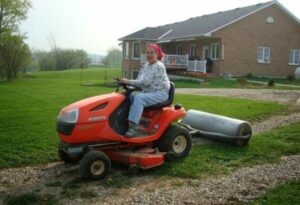
- Towed Rollers: These rollers connect to your lawn tractor. They’re good for larger areas, but not ideal for slopes because they can be difficult to maneuver.
- Adjustable Weight: Look for rollers where you can change the weight. This feature lets you customize the roller for your slope.
Before buying a roller, think about your lawn’s size and the steepness of the slopes. Smaller, lighter rollers are often best for sloped yards. If you can, test the roller on a small section of your lawn. This way, you can see how it performs before you roll the whole area. Consider borrowing a roller from a friend or renting one to ensure it suits your needs. Proper selection can prevent damage and makes the job much easier.
Step-by-Step Guide on How to Roll Lawn on Slope
Let’s get down to the actual process of how to roll lawn on slope. It’s a straightforward series of steps that will help you achieve a well-groomed lawn, even if it’s not completely flat. Each step is important for getting the best results. Following this guide ensures your lawn gets the care it deserves.
Preparing Your Lawn for Rolling
Preparing your lawn is the initial step for how to roll lawn on slope. This sets the stage for a smooth process and a good outcome. Before rolling, you should cut your grass to a manageable height. This lets the roller work on the soil without getting caught in long grass. Then, make sure the soil is moist but not saturated. Wet soil compacts easily, which can cause problems. Remove any debris, such as rocks and twigs. Finally, check for any uneven areas or depressions. Fill these in with topsoil to create a more level surface before rolling. These preparation steps are important for a good final result.
- Mow the Grass: Cut your grass to a moderate length before rolling. This prevents the grass from getting flattened or damaged.
- Moist Soil: Ensure the soil is damp, not soaking wet. Wet soil can compact too much. If the soil is dry, water it a day or two before you roll.
- Clear Debris: Remove any loose objects like rocks, sticks, or branches. These can get in the way of the roller and cause unevenness.
- Fill Depressions: Small dips or holes can cause problems during rolling. Fill them in with topsoil to level them out.
Proper preparation is key to a smooth process. You can use a rake to remove any debris and check for bumps. Walking across your lawn before you roll can help you spot any problems. Make sure to level any uneven spots as this ensures the roller doesn’t get stuck. A well-prepared lawn will roll evenly and give you the best final results. This is all part of how to roll lawn on slope effectively.
Rolling Techniques for Slopes
When you get to the actual rolling, the right methods become very important for how to roll lawn on slope. On slopes, you should roll across the slope, not up and down. This will help prevent the roller from sliding down. Start at the top of the slope and work your way down. Overlap each pass slightly to ensure full coverage. It’s better to make multiple light passes than a single heavy one. Avoid making quick turns. Instead, lift and reposition the roller carefully. These rolling techniques will help you manage the slope and avoid damage.
- Roll Across the Slope: Instead of rolling up and down, move the roller sideways, perpendicular to the slope. This reduces the risk of the roller sliding down.
- Start at the Top: Begin rolling at the highest point of the slope. Work your way down in parallel lines.
- Overlap Passes: Overlap each pass by a few inches to ensure the entire area is covered and to avoid gaps.
- Avoid Sharp Turns: Be gentle with turns. Lift and reposition the roller to avoid damaging the turf.
When rolling, keep a steady pace. Rolling too fast can lead to an uneven finish, while going too slow can over-compact the soil. You may need to adjust the roller’s weight depending on the steepness of the slope. On steeper areas, you should use less weight. For gentler slopes, you can add more. After the first pass, check the lawn. This lets you make adjustments and see if there are any areas that need more attention. Practice makes perfect, and with a few passes, you’ll be able to improve your technique.
Post-Rolling Care
After you are done rolling, the real work doesn’t stop. Post-rolling care is critical for the long-term health and look of your lawn. Water your lawn after you roll to help the roots settle into the compacted soil. Avoid heavy traffic on the lawn for a few days to allow the grass to recover. Keep an eye out for any signs of stress, such as yellowing or wilting. If you see these signs, you may need to adjust your watering or fertilizing schedule. Post-rolling care is how you make sure your effort is worth it and keeps your lawn looking its best.
- Water Thoroughly: Water your lawn immediately after rolling. This will help the roots re-establish contact with the soil.
- Avoid Foot Traffic: Keep off the lawn for a few days after rolling to prevent any damage to the compacted soil.
- Monitor for Stress: Watch for signs of stress, such as yellowing or wilting. Adjust watering and fertilization as needed.
- Fertilize as Needed: Apply fertilizer a few weeks after rolling to encourage healthy growth and recovery.
Regular maintenance is a must for a healthy lawn. You may need to adjust your lawn care based on the results you see after rolling. If the lawn has areas that appear overly compressed, you may need to aerate those spots in the fall. Proper post-rolling care will make your lawn lush and strong. It’s a key part of making sure you get the best from your efforts on how to roll lawn on slope.
Addressing Common Lawn Issues on Slopes
Even when you carefully follow the steps, dealing with a sloped lawn can still present problems. Understanding how to handle these issues is important for maintaining your lawn’s beauty. Let’s look at some of the most common issues and discuss how to solve them.
Dealing With Erosion and Runoff
Erosion is a big problem on slopes, and it is something to keep in mind when learning how to roll lawn on slope. Heavy rain can wash away soil, especially on bare spots or areas with thin grass. Runoff also carries away important nutrients and can lead to uneven surfaces. You can reduce erosion by improving the grass cover. You might consider using erosion control blankets or seeding with grass varieties. Regular maintenance, such as reseeding bare spots and adding compost, will also help to improve soil stability and reduce the impact of water runoff.
- Improve Grass Cover: Dense grass cover is the best defense against erosion. Overseed bare patches and thin areas.
- Use Erosion Control Blankets: These blankets provide immediate protection against erosion until the grass grows.
- Install Terraces or Retaining Walls: Consider these structures to break up long slopes, which can prevent erosion.
- Improve Drainage: Make sure water drains properly. You can improve drainage with drainage systems or by amending your soil to help it absorb water.
Regular maintenance plays a huge role in preventing erosion. You should inspect your lawn after heavy rain. Look for any signs of soil loss or damage. Address these issues quickly by reseeding or by adding soil. Correcting drainage problems is important to prevent soil washout. Proper drainage and preventing runoff will keep your lawn looking good.
Managing Uneven Surfaces and Depressions
Uneven surfaces and depressions can be a constant challenge when you figure out how to roll lawn on slope. These problems make it hard to mow the lawn evenly and can cause water to collect, which can lead to other issues. You can address unevenness by filling in low spots. Use a good quality topsoil mix to level out small depressions. For more severe issues, you might need to re-grade the area. Consider core aeration to help loosen compacted soil and improve the overall texture. These actions will help you create a more uniform surface, making it easier to maintain and enjoy your lawn.
- Fill in Low Spots: Use topsoil to raise sunken areas gradually. Avoid adding too much soil at once.
- Core Aeration: Aerate the lawn to reduce soil compaction and improve the overall lawn health.
- Topdressing: Spread a thin layer of compost or topsoil over the lawn to level out minor imperfections.
- Re-grading: For serious problems, consider re-grading the area to create a level surface.
Checking your lawn frequently will let you catch problems early. If you see depressions forming, address them promptly. Proper grading and the right amount of rolling will help keep your lawn looking smooth. Maintaining a uniform surface is critical for both the aesthetics and the health of your lawn.
Addressing Compaction Issues
Compaction is a frequent problem when you are learning how to roll lawn on slope. It makes it harder for water, air, and nutrients to get to the roots of the grass. This can lead to weak growth and unhealthy grass. Core aeration is the best method to resolve compaction. Core aeration involves using a machine that removes small plugs of soil from your lawn, creating space for air and water. Aerate your lawn in the fall or spring for the best results. Following aeration, consider topdressing your lawn with compost. This fills the holes created by aeration and adds important nutrients to the soil. Taking these steps will improve your lawn’s health and reduce compaction.
- Core Aeration: Remove small soil plugs to improve air and water flow.
- Topdressing: Apply a layer of compost after aeration. This helps fill the holes.
- Avoid Heavy Equipment: Try not to use heavy equipment on your lawn.
- Reduce Foot Traffic: Limiting the amount of foot traffic will reduce soil compaction.
Knowing when and how to address soil compaction is vital. You should also make sure to water your lawn correctly to avoid over-compaction. If you notice standing water or stunted growth, it is likely compaction is an issue. Regular aeration and good lawn maintenance will keep your lawn looking great.
FAQ: Frequently Asked Questions
Question: When is the best time to roll a sloped lawn?
Answer: The best time to roll a sloped lawn is during the spring or fall. These periods generally offer moderate temperatures and suitable soil moisture, allowing the grass to recover quickly. Avoid rolling during the peak of summer or when the ground is frozen.
Question: What’s the best approach for mowing a sloped lawn after rolling?
Answer: Mow across the slope, not up and down. This helps to reduce wear and tear and keeps the mower from sliding. Be very cautious, and use a mower with a low center of gravity for added safety.
Question: How often should I roll my sloped lawn?
Answer: Generally, you should only roll your sloped lawn once or twice a year, ideally after the grass has been cut short. Excessive rolling can damage the soil and grass roots. Only roll when necessary to correct unevenness or after reseeding.
Question: Is it safe to roll a lawn with standing water on a slope?
Answer: No, you should never roll a lawn with standing water. Wet soil is easily compacted, which can lead to poor drainage and damage to your grass roots. Wait until the soil drains and dries out to avoid issues.
Question: What can I do if my roller slides down the slope while rolling?
Answer: If your roller slides, reduce the weight of the roller. If it continues to slide, consider rolling in smaller sections or using a lighter roller. You might also want to consult with a lawn care professional for a more specific solution.
Final Thoughts
So, we’ve explored all the details that matter when it comes to figuring out how to roll lawn on slope. We covered the challenges slopes bring, how to prepare your lawn, and which rolling methods work best. We’ve also talked about handling common lawn issues, like erosion and unevenness. This knowledge is important for keeping your sloped lawn healthy and looking its best. With the right tools and techniques, even the trickiest slopes become manageable.
Now, go ahead and take the steps you’ve learned. Start by assessing your lawn and choosing the right roller. Remember to roll across the slope, not up and down, and always prepare your lawn beforehand. Keep up with post-rolling care like watering and watch for any signs of problems. With consistency, you will see a big difference in the look of your lawn. So, get out there, follow the steps, and see how much better your sloped lawn can look!