Lawn Aerator Maintenance Schedule: Keeping Your Yard Green
Figuring out a proper lawn aerator maintenance schedule can seem tricky when you’re starting. There are different types of aerators, and knowing when and how to care for them can be confusing. Don’t worry, it doesn’t have to be hard! We’ll make it simple to understand, so you can keep your lawn healthy and looking its best. Next, we’ll break down the steps and give you a clear plan.
What Is Lawn Aeration and Why Does It Matter?
Lawn aeration is like giving your grass a breath of fresh air. Think of it as poking tiny holes in your lawn to let air, water, and nutrients get down to the roots. This process combats soil compaction, which is when the soil becomes packed so tightly that it chokes the grass roots. Compacted soil is a problem because it prevents the roots from getting the resources they need to thrive. Regular aeration improves the health of your lawn, making it greener and more resilient.
The Importance of Soil Compaction
Soil compaction is the enemy of a healthy lawn. It happens naturally over time, especially in areas with heavy foot traffic or clay-rich soil. When soil becomes compacted, it squeezes the air spaces that grass roots need to breathe. This restriction makes it tough for water and nutrients to reach the roots, leading to weak, unhealthy grass. Compacted soil also makes it difficult for roots to grow deep, making your lawn less resistant to drought and other stresses.
- Heavy Foot Traffic: Repeated walking, running, or playing on your lawn can compress the soil over time. This is especially true in areas where people frequently gather, such as pathways or areas where kids play.
- Clay Soil: Clay soil particles are tiny and pack together easily, leading to compaction. Clay soil holds water well, but it also restricts air and drainage when compressed.
- Parking Vehicles: Driving or parking vehicles on the lawn can cause severe compaction. The weight of the vehicle crushes the soil, eliminating air pockets and compacting the soil significantly.
- Infrequent Aeration: Without regular aeration, soil compaction builds up. This leads to reduced root growth, poor nutrient uptake, and overall decline in lawn health.
Aeration addresses these issues by creating channels in the soil that relieve compaction. This helps to improve the overall health of the lawn. Aeration allows more water, nutrients, and air to reach the roots of your grass. It also promotes deeper root growth. This results in a healthier, more resilient lawn that can withstand stress, such as drought, foot traffic, and extreme temperatures.
Types of Lawn Aerators
There are different types of lawn aerators. Each aerator works in a different way to improve soil conditions. Choosing the right one depends on your lawn’s size and the level of compaction. Knowing the differences between these tools is important for effective lawn care. These tools help maintain soil health and help your grass thrive.
- Core Aerators: These machines remove small plugs or cores of soil and grass from your lawn. This method is the most effective way to reduce compaction because it physically removes the soil.
- Spike Aerators: These aerators have solid tines that poke holes into the soil. While they can create channels for air and water, they don’t remove soil, so they’re not as effective at reducing compaction.
- Manual Aerators: These are hand-held tools, such as aerator shoes or core aerators, which are best for small lawns. These require more physical effort but are cost-effective.
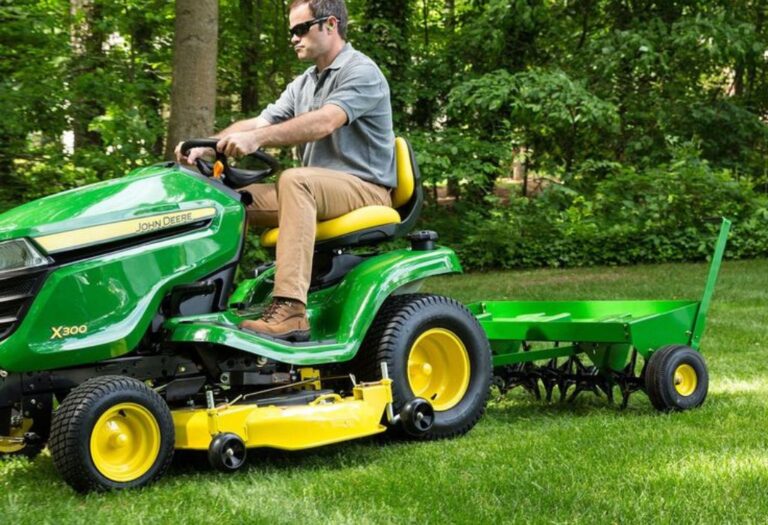
- Tow-Behind Aerators: These machines attach to a lawn tractor or riding mower. They cover larger areas quickly and are good for medium to large lawns.
To pick the best aerator, consider your yard’s size and the soil type. For example, core aerators are excellent for clay soil. They effectively break up the compacted ground. Spike aerators can work for sandy soil, but are less effective for compacted areas. Keep in mind that core aerators are generally the better option.
Setting Up Your Lawn Aerator Maintenance Schedule

Creating a lawn aerator maintenance schedule will help you keep your yard in good shape. It involves figuring out when to aerate and how often. Proper scheduling is key to getting the best results. The timing of aeration depends on your grass type and the climate where you live. Follow these steps to set up a plan that suits your needs.
Timing Aeration for Cool-Season Grass
Cool-season grasses, like Kentucky bluegrass and fescue, do best when aerated in the fall. The cooler temperatures and increased rainfall during this season help the grass recover quickly. Aerating in the fall allows the grass roots to grow strong. It provides a good window for overseeding. This boosts grass growth and helps repair any bare spots. Aerating in spring can also be beneficial, but it may cause more weed growth.
- Fall Aeration: This is the ideal time. It allows the grass to recover over the winter and promotes robust root growth.
- Early Spring Aeration: A second aeration in early spring can be useful. It should be done before the grass actively grows to prevent root damage.
- Avoid Summer Aeration: High temperatures and dry conditions in the summer can stress the grass. Aeration during this time can make things worse.
Always time your aeration to coincide with the grass’s growing cycle. This helps with the recovery of the lawn. If you live in an area with cool-season grass, like the northern United States, focus on fall aeration. You might consider a light aeration in early spring. This helps the grass prepare for the growing season.
Timing Aeration for Warm-Season Grass
Warm-season grasses, such as Bermuda grass and zoysia, grow best when aerated in late spring or early summer. These months offer the right balance of temperature and moisture. This promotes good recovery. Aerating during this period also helps the grass establish strong roots before the hottest part of the summer. Regular aeration can also aid with weed control by improving lawn density.
- Late Spring/Early Summer: Aerate your lawn during this time to encourage growth. It’s when warm-season grasses are actively growing.
- Avoid Aerating in Late Summer or Fall: As the growing season ends, aerating can hinder the grass’s ability to recover before winter.
- Frequency: Typically, warm-season grasses require aeration every one to three years. Consider the amount of foot traffic and soil compaction in your lawn.
Consider the timing based on your region’s climate patterns. Late spring or early summer is best to aerate your warm-season grass. This provides the best conditions for recovery. This allows the grass to thrive during the peak growing season. Keep in mind that different grass types have different needs. Knowing the right timing ensures that your lawn gets the most out of aeration.
Aerator Maintenance: Prep, Operation, and Aftercare
A good lawn aerator maintenance schedule includes preparing for, using, and taking care of the aerator. Before you start, check your lawn for any underground utilities. This avoids damaging pipes or cables. During aeration, make sure to overlap the passes to ensure full coverage. Post-aeration care involves watering, fertilizing, and overseeding. This helps the lawn recover and thrive after the process.
Preparing Your Lawn for Aeration
Proper preparation is important for making aeration effective. This includes mowing the grass to a short height. This makes it easier for the aerator to penetrate the soil. Watering the lawn a day or two before aerating helps soften the soil, making it easier to aerate. Removing any obstacles, such as rocks or debris, prevents damage to the aerator. Preparing your lawn leads to better aeration and better outcomes for your grass.
- Mow the Lawn: Mow your lawn to a height of about 1-2 inches. This gives the aerator clear access to the soil.
- Water the Lawn: Water the lawn one or two days before aerating. The moist soil will be softer, making the process easier.
- Mark Sprinkler Heads and Underground Utilities: Clearly mark any sprinkler heads, pipes, or other underground utilities. This will help you avoid damaging them.
- Clear the Area: Remove any rocks, twigs, or other debris that might interfere with the aerator. This prevents the machine from getting damaged.
Checking the soil moisture is also helpful. The soil should be moist but not soaking wet. Wet soil can cause the aerator to become bogged down, and the tines might not penetrate properly. By doing these prep steps, you make the aeration process efficient. You also promote the health of your lawn.
Operating Your Lawn Aerator
Using a lawn aerator properly is key to success. For a core aerator, make sure the tines go deep enough into the soil. For a spike aerator, push it in firmly. Overlap passes to make sure you’re covering the entire lawn. Be careful to avoid any obstacles that could cause damage to the machine. Follow these instructions for a successful aeration session.
- Choose the Right Aerator: Choose the best type of aerator for your lawn. This depends on your lawn size and soil type.
- Adjust the Depth: Set the aerator to the right depth. Core aerators remove soil plugs about 2-3 inches deep.
- Overlap Passes: Make multiple passes over the lawn. Overlap each pass by a few inches to ensure complete coverage.
- Operate Safely: Follow the manufacturer’s directions for safety. Keep your feet away from the aerator’s tines.
Make sure to keep a consistent pace to avoid uneven results. Avoid making sharp turns while aerating, especially with a tow-behind model. This could damage the lawn. Following these tips ensures that your lawn gets the full benefits of aeration. Make sure you get a lush, green lawn as a reward.
Post-Aeration Care
Taking care of your lawn after aeration is important. This involves watering, fertilizing, and overseeding your lawn. After aeration, water your lawn thoroughly to help settle the soil and encourage root growth. Apply fertilizer according to your lawn’s needs to give it a boost. Overseeding can fill in bare patches and make your lawn thicker. Following these steps helps your lawn bounce back quickly.
- Watering: Water the lawn right after aerating. Water deeply and regularly. This helps the soil settle and gives the roots the moisture they need to grow.
- Fertilizing: Apply a fertilizer suited for your grass type. Aeration lets the fertilizer get deep into the soil.
- Overseeding: If your lawn is thin or has bare patches, consider overseeding. Aeration creates ideal conditions for grass seed germination.
- Monitor and Adjust: Keep an eye on your lawn’s progress, and make adjustments as needed. Watch out for signs of pests or disease.
Monitor your lawn for any signs of stress. Be sure to address any issues promptly. Proper post-aeration care will lead to a healthier, more vibrant lawn. This will help you get the most out of your aeration effort. After a few weeks, your lawn should look greener and have thicker growth.
Troubleshooting Common Aeration Issues
While aeration is generally easy, you might run into some problems. Common problems include the aerator getting stuck or the tines not penetrating the soil. Some lawns might be too wet or too dry. Knowing how to solve these problems ensures that your aeration is effective. You can avoid many problems by preparing correctly and keeping an eye on your equipment. This helps you get better results.
Dealing With a Stuck Aerator
Sometimes, your aerator may get stuck. This could happen due to thick thatch, compacted soil, or hidden obstacles. Trying to force the aerator can damage the equipment. Here are the steps to address this. Knowing these tips will help you safely remove the aerator and continue your work. It also helps prevent damage to your lawn.
- Stop Immediately: Turn off the aerator. If the machine is powered, stop the engine. This avoids any damage to the equipment or injury.
- Check for Obstacles: Examine the area for rocks, roots, or other hidden objects that might be causing the blockage. Remove any debris carefully.
- Adjust Soil Moisture: If the soil is too dry, water the area and wait a day or two. If it’s too wet, hold off until the soil dries slightly.
- Try a Different Approach: Change the direction of your pass or use a different aeration pattern. This may help the aerator overcome the obstacle.
If the aerator still doesn’t budge, consider using a different tool to assist. A shovel can help to loosen the soil around the tines. Remember to take things slowly and carefully. This reduces the risk of damaging your equipment. It also prevents any injury to yourself.
Addressing Tine Penetration Problems
Sometimes, the aerator tines won’t go deep enough into the soil. This is usually due to compacted soil or a dull aerator. The result is ineffective aeration. These steps can help you fix the issue. Ensuring that the tines reach the right depth is essential for effective aeration. These tips will help you make the most of your aeration session.
- Check the Aerator Tines: Make sure the tines are sharp and in good condition. Replace any broken or dull tines.
- Adjust the Depth: Set the aerator to the correct depth. Most core aerators need to penetrate the soil by about 2-3 inches.
- Water the Soil: Moist soil is easier to aerate. Water the lawn a day or two before your aeration session.
- Use a Different Method: If the tines still can’t penetrate, try a different aeration method. A core aerator will remove soil plugs and relieve compaction better than a spike aerator.
If you’re using a manual aerator, apply extra pressure. For a tow-behind model, slow down your speed. By tackling these common issues, you can get the best aeration results. Making sure that the tines penetrate correctly is essential. It lets air, water, and nutrients reach the grass roots.
Example Scenario: Handling an Aerator Malfunction
Let’s say you’re aerating your lawn, and your core aerator suddenly stops working. You realize the tines are jammed with compacted soil. The engine is running, but the tines won’t rotate. What should you do? Here’s a plan to get you back on track.
- Turn Off the Aerator: Immediately turn off the engine or motor. This prevents any further damage or injury.
- Inspect the Tines: Carefully examine the tines. Look for any soil clumps or debris that are blocking them.
- Clear the Obstruction: Use a sturdy tool, like a screwdriver or a small trowel, to remove any soil that’s blocking the tines. Be gentle to avoid bending the tines.
- Re-Engage and Test: Once the obstruction is cleared, try turning the aerator back on to see if the tines rotate correctly.
By following these steps, you can resolve the issue and resume your work. This will let you get the benefits of aeration. It also helps to prevent damage to your equipment. Addressing equipment problems quickly makes for a smooth and effective process.
Advanced Aeration Techniques and Tips
You can improve your aeration skills with advanced methods. Overseeding after aeration creates a thicker, healthier lawn. Core aeration is better than spike aeration. Combining aeration with other lawn care practices amplifies the benefits. Following these methods can boost your results. This ensures your lawn thrives.
Overseeding after Aeration
Overseeding is the act of spreading grass seeds over an existing lawn. Doing this after aeration can boost your lawn’s health. Aeration makes small holes in the soil. Overseeding after aeration lets seeds fall into these holes. This improves seed-to-soil contact. This leads to higher germination rates and a thicker lawn. Overseeding, combined with aeration, can fix bare patches and make your lawn look fuller.
- Choose the Right Seed: Pick grass seed that’s suitable for your climate and soil conditions.
- Spread the Seed: Use a spreader to distribute the seed evenly across the aerated lawn.
- Lightly Rake: Lightly rake the seeds into the aeration holes. This makes sure the seed makes good contact with the soil.
- Water Frequently: Keep the area moist until the seeds germinate and the new grass is established.
If you’re overseeding, avoid using pre-emergent herbicides. They can prevent the new grass seed from growing. Combining overseeding and aeration is an efficient method to make your lawn look great. It helps boost the health and appearance of your yard. It’s a great way to improve your lawn’s density and health.
Core Aeration Versus Spike Aeration
Knowing the differences between core aeration and spike aeration helps you pick the right method. Core aeration removes small plugs of soil, which relieves soil compaction. Spike aeration only punches holes in the ground. Core aeration is best. It provides better results. Choose the best approach for your lawn care.
| Feature | Core Aeration | Spike Aeration |
|---|---|---|
| Method | Removes soil plugs | Pokes holes in the soil |
| Effectiveness | Highly effective at reducing compaction | Less effective at reducing compaction |
| Benefits | Improved air and water flow, better root growth | Some improvement, but less dramatic |
| Ideal For | Heavily compacted soil, clay soils | Less compacted soils, light compaction |
Core aeration offers better results for most lawns. It physically removes the compacted soil. Spike aeration might be fine for preventing compaction. However, it’s not as effective. Core aeration provides the best environment for your grass to thrive. It’s an effective choice for healthy lawn care.
Combining Aeration With Other Lawn Care Practices
Pairing aeration with other activities can greatly improve your lawn’s health. Aerating the lawn allows fertilizers and amendments to get into the soil. This helps your grass absorb the nutrients. Aeration can also improve the effectiveness of weed control. It reduces the chance of weed growth. Combining aeration with proper practices is important for a green, healthy lawn. Doing this can bring good results.
- Fertilizing: Apply fertilizer after aeration. It’s essential for better absorption.
- Weed Control: Aerate before applying pre-emergent herbicides. This improves the herbicide’s effectiveness.
- Topdressing: Adding a thin layer of compost on top of the aerated lawn improves soil quality.
- Watering: Water your lawn deeply and regularly after aeration. This promotes root growth.
These practices combined make sure your lawn is healthy. They also provide the resources it needs to thrive. Mixing these methods results in a stronger, more resilient lawn. It also helps to prevent common problems. Following these steps helps make sure your lawn looks its best. The outcome is a green, healthy lawn.
Frequently Asked Questions
Question: How often should I aerate my lawn?
Answer: For cool-season grasses, aerate once a year, ideally in the fall. For warm-season grasses, aerate every one to three years, in late spring or early summer.
Question: Can I aerate my lawn too often?
Answer: Aerating too frequently can stress your lawn. Stick to the recommended schedule for your grass type.
Question: What’s the best time of day to aerate?
Answer: Aerate during the cooler parts of the day, like early morning or late afternoon, to reduce stress on your grass.
Question: What kind of aerator should I use?
Answer: Core aerators are generally the most effective, as they remove plugs of soil. Choose the right size for your lawn.
Question: Should I water after aeration?
Answer: Yes, water your lawn deeply after aeration to help the soil settle and encourage root growth.
Final Thoughts
A well-planned lawn aerator maintenance schedule is key to a healthy lawn. Knowing when to aerate and the correct ways to take care of your lawn makes a big difference. Remember to prepare your lawn properly, pick the right tools, and take care of the lawn. These steps provide the best results. By following a good routine, you can make sure your lawn is lush and vibrant. Take action, put these steps into practice, and enjoy a greener, healthier lawn. You’ve got this!