How to Mend a String Trimmer Pull Cord Step by Step
Getting your string trimmer going can be tough when the pull cord breaks. It’s a common problem! Don’t worry, even if you’re not a handyman, you can usually fix this yourself. This guide will walk you through how to fix string trimmer pull cord issues, making it easy to get your yard work done. We’ll break down the process step by step, so you can get your trimmer back in action. Let’s get started!
What Causes String Trimmer Pull Cord Problems?
String trimmers are awesome for keeping your lawn tidy, but the pull cord takes a beating. It’s constantly being yanked and tugged, so it’s no surprise that it sometimes breaks. Several things can cause problems, including wear and tear from regular use. Over time, the cord can fray, snap, or become tangled inside the trimmer. Another common cause is the recoil spring getting weak or broken, which makes it hard for the cord to rewind properly. Also, the cord can get stuck if the trimmer isn’t maintained, maybe from dirt or debris getting inside. If you’re regularly using your trimmer, you’ll need to stay on top of maintenance. This section will get you started on the right foot.
Normal Wear and Tear on the Pull Cord
The pull cord on your string trimmer is the primary way to start the engine, and it undergoes stress every time you use the machine. It stretches, bends, and rubs against the housing, eventually wearing down the material. Think of it like a rope you’re constantly pulling on. The more you use the trimmer, the more likely the cord is to wear. Weather also plays a role, with exposure to sun, rain, and extreme temperatures contributing to the cord’s degradation. Fraying, a telltale sign of wear, can be spotted along the cord’s length, especially near the handle or where it enters the trimmer housing. Regular inspections and timely replacements are essential to keep your trimmer running efficiently.
- Friction and Abrasion: Each time the cord is pulled, it rubs against the edges of the housing and internal parts. This friction slowly wears away the cord’s fibers. This process is accelerated if the cord is of lower quality or the trimmer design isn’t smooth.
- UV Exposure: Sunlight can break down the materials of the cord. The sun’s UV rays cause the cord to become brittle and lose its strength over time. This is why storage and care matter.
- Incorrect Pulling Technique: Jerky or aggressive pulls can put extra strain on the cord. If the cord is pulled at an angle or pulled too hard, it can make it fail.
- Material Degradation: The materials used to make the cord have a lifespan. Some cords are made from less durable materials and can break down quickly.
The Recoil Spring’s Role
The recoil spring is a crucial component of the string trimmer’s starting mechanism. It’s a tightly wound spring that stores energy when the pull cord is retracted and releases this energy to rewind the cord back into the housing. This spring works with the pulley system to perform its job. If the spring is broken or weakened, the cord won’t rewind properly, making it difficult to start the trimmer. Also, problems like rust, corrosion, or debris can cause the spring to fail. Replacing this is usually easy with the correct steps and tools. Also, proper care and maintenance can prevent these issues.
- Energy Storage: The spring stores the energy used to rewind the pull cord. The spring is designed to resist deformation and maintain its ability to bounce back.
- Rewind Mechanism: The recoil spring is attached to a pulley system. This system allows the cord to retract back into the trimmer’s housing smoothly after the engine starts.
- Spring Failure: Springs can break due to metal fatigue or corrosion, which prevents the cord from retracting. This failure prevents the trimmer from operating properly.
- Inspection and Maintenance: Keep an eye on the recoil spring. Look for signs of damage or wear, and clean it regularly. This helps the trimmer last longer.
How Debris and Dirt Affect the Pull Cord
Debris and dirt can cause several issues with the pull cord mechanism of a string trimmer. Dirt gets into the housing, which can interfere with the smooth operation of the recoil system. Dust and grime can also cause abrasion, slowly wearing down the cord. This grit can also work its way into the spring mechanism, leading to rust or jamming. Proper maintenance, including cleaning the trimmer regularly, can help to prevent these issues. Keeping the trimmer clean and stored properly in a clean area also helps a lot.
- Abrasion: Dirt acts like sandpaper, causing friction and wearing down the cord. Small particles caught between the cord and the housing can speed up wear.
- Jamming: Debris in the recoil mechanism can cause the cord to jam or get stuck. This makes it difficult to pull and can lead to breakage.
- Corrosion: Dirt mixed with moisture can cause rust to form on internal parts, including the recoil spring. This corrosion can prevent the spring from functioning correctly.
- Reduced Lifespan: Over time, the buildup of dirt and debris can shorten the lifespan of the cord and the components. Regular cleaning can extend the life.
Tools and Supplies You’ll Need

To repair your string trimmer’s pull cord, you’ll need a few tools and supplies. Gathering these before you start the job will make the process easier and prevent interruptions. You probably already have some of these in your toolbox. The exact needs can vary based on the trimmer model, so always consult your owner’s manual for specific recommendations. Getting the right tools will make the process much easier, and you’ll get it working again in no time.
Essential Tools
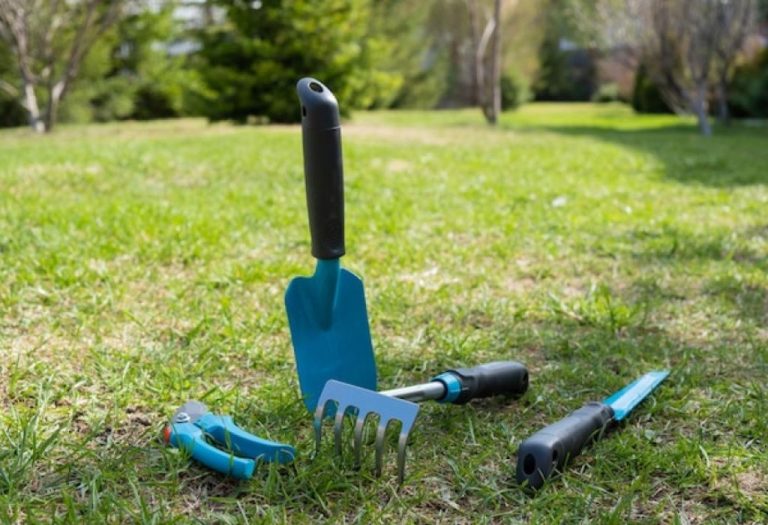
Having the correct tools will make the repair process go smoothly. Here’s a list of essential tools you’ll need to do the job right. Some trimmers are held together with Torx screws, so you may need those types of drivers. Always prioritize safety, and make sure your trimmer is turned off and disconnected from any power source before you begin the work. Check your owner’s manual for any model-specific tool requirements.
- Screwdrivers: You’ll need both a flathead screwdriver and a Phillips head screwdriver to remove the housing and other parts. Make sure to have a variety of sizes.
- Wrench: A small wrench is often needed to loosen bolts. You might also need adjustable wrenches for different sizes of nuts and bolts.
- Pliers: Pliers are useful for gripping and pulling out old cord. Needle-nose pliers can be particularly helpful for intricate work.
- Utility Knife: You’ll use this to cut the new cord to the correct length. Be very careful when using it.
- Gloves: Protect your hands with work gloves. This gives you a better grip and protects your skin.
Necessary Supplies
Besides tools, you’ll need a few supplies to complete the repair. The type of cord will depend on your specific trimmer model, so check the owner’s manual for guidance. Having these supplies on hand before you start will help you complete the job efficiently. You can find these items at most hardware stores or online retailers. Consider getting extra supplies, just in case.
- Cord Handle: Replacement handles are sometimes needed if the original one is broken or worn. This helps to grip and pull the cord comfortably.
- Gloves: Work gloves protect your hands. This is helpful to ensure a good grip and safety.
- Lubricant (Optional): A small amount of lubricant can help the cord move freely within the housing. Look for lubricants that are safe for use with plastic parts.
Step-by-Step Guide to Replacing the Pull Cord
Replacing the pull cord of a string trimmer might seem complicated, but it’s often a straightforward task you can do at home. Follow these steps carefully to ensure a smooth repair. Remember to work in a well-lit area and keep all the parts organized to avoid losing anything. Before you begin, always disconnect the spark plug to prevent accidental starts. If you aren’t comfortable with this work, you can always take the trimmer to a repair shop. With a little care, you’ll have your trimmer ready to go again.
Removing the Old Cord
The first step in fixing your string trimmer is removing the old, broken cord. This needs to be done carefully to prevent any further damage to the trimmer. Take your time, and make sure you have a clear understanding of how the cord is attached. If you’re unsure, consult your owner’s manual for guidance specific to your trimmer model. It might be helpful to take pictures as you disassemble the trimmer to remember how everything goes back together. This will help you complete the repair. Here’s how you can remove the old cord.
- Safety First: Disconnect the spark plug wire to prevent the engine from starting accidentally. Always wear work gloves for protection.
- Open the Housing: Use the appropriate screwdriver to remove the screws holding the housing together. Keep the screws in a safe place.
- Locate the Pulley: Inside the housing, you’ll find the pulley. It’s where the pull cord is attached.
- Detach the Cord: Carefully detach the old cord from the pulley. Note how the cord is attached so you can replicate it with the new cord.
- Remove the Cord from the Handle: Detach the old cord from the handle. You may need to remove a knot or a cap to free it.
Preparing the New Cord
After removing the old cord, you’ll need to prepare the new one before installing it. Measure the cord and ensure it is the correct length for your trimmer model. Some trimmers require a specific cord length, so always consult the owner’s manual for precise instructions. Taking this step carefully ensures the new cord will work correctly. Taking care in the preparation will help with a smooth start. The goal is to make the cord ready for installation. Proper preparation ensures your trimmer will work properly after the replacement.
- Measure the Cord: Measure the length of the old cord and the new cord. The new cord should be the same length as the old one. If unsure, check your manual.
- Cut the Cord: Using a utility knife, cut the new cord to the correct length. Make a clean cut to prevent fraying.
- Prepare the Cord End: If needed, melt the end of the cord with a lighter. This will prevent fraying, which will make it easier to thread through small openings.
- Attach the Handle: Thread the cord through the handle and secure it with a knot. Make sure the knot is tight and won’t slip.
- Check for Smoothness: Tug on the cord to make sure it slides smoothly through the handle. Trim any excess cord from the knot.
Installing the New Cord
Installing the new cord is a vital step in fixing your string trimmer. This involves threading the cord through the pulley and attaching it to the internal mechanisms, and also to the handle. Carefully follow these instructions, paying attention to how the old cord was positioned. The goal is to make sure the cord is connected correctly, so you can pull the start cord and get your trimmer running. Take your time, and double-check each connection before you reassemble the housing.
- Thread the Cord Through the Housing: Thread the new cord through the housing, following the path of the old cord. Make sure it goes through all the necessary guides and openings.
- Attach to the Pulley: Securely attach the other end of the cord to the pulley. Depending on your trimmer, this might involve tying a knot, using a clip, or threading it through a hole.
- Wind the Cord (if applicable): Some trimmers require winding the cord around the pulley before reassembly. Follow your manual’s instructions for the correct number of turns.
- Test the Rewind: Gently pull the cord and let it rewind. Make sure it retracts smoothly without any snags.
- Reassemble the Housing: Once you are sure everything works, put the housing back together, securing it with the screws.
Troubleshooting Common Issues
Sometimes, even after replacing the pull cord, you might still experience issues with your string trimmer. Common problems include the cord not retracting fully, the engine not starting, or the cord getting stuck. In this part, we’ll look at these common issues and their solutions. By addressing these problems, you can resolve the issue and make sure your trimmer runs well. Troubleshooting helps you identify and fix the problem. Here are a few troubleshooting tips to keep in mind.
Cord Fails to Retract
If the pull cord fails to retract fully after being pulled, there might be a problem with the recoil mechanism. This could be due to a tangled cord, a broken spring, or dirt buildup. First, check the cord itself for any kinks or tangles. If the cord appears clear, the problem may be internal. The recoil spring might be broken or damaged. Inspect the spring housing for damage or debris. Proper cleaning and inspection, along with repair of any internal issues, can solve the issue. Let’s troubleshoot and get that cord retracting.
- Tangled Cord: Sometimes, the cord can get tangled inside the housing. Open the housing and carefully untangle the cord. Make sure it moves freely through all the guides.
- Broken Recoil Spring: If the spring breaks, it can’t rewind the cord. If you suspect this, you may need to replace the entire recoil assembly.
- Debris in the Mechanism: Dirt or grass clippings can jam the recoil mechanism. Clean the area around the spring and pulley to clear any obstructions.
- Insufficient Lubrication: A lack of lubrication can cause friction and prevent the cord from retracting smoothly. Using a silicone-based lubricant can help.
Engine Won’t Start
If the engine won’t start after you’ve replaced the pull cord, the issue could be unrelated to the cord itself. Check the spark plug to make sure it’s firing properly. A clogged carburetor can also prevent the engine from starting, so clean the carburetor and make sure the fuel lines are clear. Low fuel or bad fuel can also keep the engine from running. If the engine still won’t start, you might need to take your trimmer to a repair shop. Identifying this problem and fixing it might take a bit of work.
- Spark Plug Issues: Make sure the spark plug is clean, properly gapped, and functioning. Replace it if necessary. A bad spark plug is a common cause.
- Fuel Problems: Old or bad fuel can prevent the engine from starting. Drain the old fuel and use fresh fuel. A clogged fuel filter is another issue.
- Carburetor Problems: The carburetor could be clogged. Clean or rebuild the carburetor. This helps the engine get the right mix of fuel and air.
- Compression Issues: A lack of compression can prevent the engine from starting. This is a more complex issue that requires professional attention.
Cord Gets Stuck
If the pull cord gets stuck while you’re trying to start the trimmer, something is interfering with its movement. The cord might be tangled within the housing. Or, debris might be jamming the mechanism. Inspect the cord and make sure it’s properly routed through the housing and that there are no obstructions. If you can’t identify the cause of the problem, consider taking your trimmer to a professional. Identifying and fixing the root cause will fix the problem. Here’s a quick look at this common problem.
- Tangled Cord Inside: Open the housing and check for any tangles or knots. Carefully untangle the cord, ensuring it moves freely.
- Obstructed Guides: Make sure the cord is routed correctly through all guides and pulleys. Debris or damage can cause the cord to get caught.
- Incorrect Cord: Using the wrong type of cord or a cord that’s too thick can cause it to get stuck. Make sure you are using the correct cord.
- Pulley Issues: Check the pulley for damage or obstructions. A damaged pulley can catch and jam the cord.
Frequently Asked Questions
Question: Why did my string trimmer pull cord break?
Answer: The pull cord can break due to normal wear and tear, excessive force when pulling, exposure to the elements, or damage to the internal components of the trimmer, such as the recoil spring.
Question: What kind of replacement cord should I use?
Answer: Use a replacement cord that is the same type and size as the original cord. Check your string trimmer’s owner’s manual for the right specifications. Using the correct cord ensures proper function and durability.
Question: Can I fix a broken pull cord myself?
Answer: Yes, in many cases, you can fix the pull cord yourself. With the right tools and this guide, the repair is usually straightforward. Always turn off the trimmer and make sure the engine is cool.
Question: How often should I replace the pull cord?
Answer: The frequency of replacement depends on usage. You may need to replace it when it shows signs of wear, such as fraying or cracking. For regular users, an annual check is often helpful.
Question: What if the cord won’t retract after I replace it?
Answer: If the cord does not retract, check for tangles, obstructions, or issues with the recoil spring. Ensure the cord is properly attached to the pulley and the handle, and that it can move smoothly.
Final Thoughts
Knowing how to fix string trimmer pull cord problems is a handy skill for any homeowner or gardener. We’ve explored the causes of these issues and detailed a step-by-step process for replacing the cord. You now know the essential tools and supplies you need. Remember to inspect your trimmer regularly, and