How Do You Refill Ego Weeder Quickly and Safely
Few moments are as frustrating as running out of trimmer line in the middle of tackling a yard. The weeds are winning, the lawn looks unfinished, and the tool that promised effortless trimming is now silent. The problem isn’t the machine itself but the question of how to get it back into action.
The Ego weeder has become a popular choice because of its strong performance and advanced features. Yet the process of replacing the line is where many users stumble.
The task seems simple, but confusion about which model is being used, what type of line fits, and how to feed it correctly often leads to wasted time and uneven trimming.
This raises the key question: how do you refill ego weeder quickly and safely? Knowing the right method not only saves time but also ensures better results.
The good news is that Ego provides two different approaches—manual spool winding and the PowerLoad self-winding system. Each method has its own steps, but both can be mastered with ease once explained clearly.
Ego highlights that its PowerLoad models can reload in as little as 10 seconds, cutting downtime by more than 70% compared to older spool methods (EGO Power+).
A study on trimming tools also notes that using the correct line diameter reduces breakage rates by over 30%, ensuring fewer interruptions and smoother operation (YouTube Tutorial).
Understanding Your Ego Weeder Models and Line Types

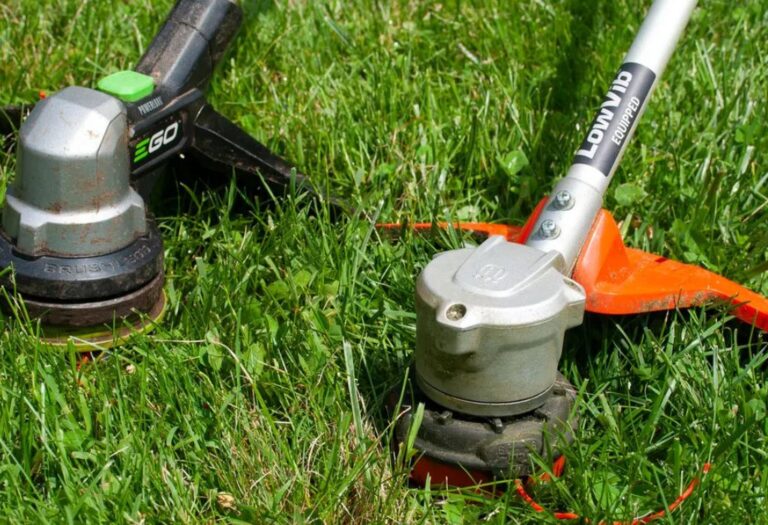
The first step in learning how do you refill ego weeder is identifying the model being used. Ego weeders generally come in two categories: traditional spool-based models and the innovative PowerLoad models. The distinction matters because the process of refilling is completely different.
Traditional spool systems operate like most trimmers. The head must be opened, the old line removed, and the new line carefully wound onto the spool. The user then feeds equal lengths through the eyelets and reassembles the head. While effective, this process can be time-consuming and requires patience.
The PowerLoad system, on the other hand, revolutionizes this process. Instead of winding by hand, the user inserts the line through the eyelets, ensures both sides are even, and then presses the PowerLoad button.
The motor automatically winds the line inside the head in seconds, reducing the risk of misalignment or uneven feeding.
Another critical factor is the type of line being used. Ego models commonly accept .095-inch nylon line, though always verifying the manual is essential.
Using the wrong diameter can cause jams, poor performance, or premature line breakage. The shape of the line—whether round, twisted, or square—also impacts durability and cutting efficiency.
Understanding these details ensures that the correct approach is taken for each machine. Without this knowledge, attempts to refill may lead to frustration or even damage to the tool.
Tools and Safety Preparations Before Refilling
Safety comes before speed when working with any power tool. Before beginning the process of how do you refill ego weeder, always remove the battery. This eliminates the risk of accidental startup, which could result in injury.
The work area should be clear and stable. Gloves protect hands from sharp edges, while safety glasses keep debris from reaching the eyes. A clean cloth helps remove dirt from the spool housing, and scissors or side cutters allow clean cuts of the trimmer line.
It is also important to check the trimmer head for wear. Damaged tabs, cracked eyelets, or missing springs can interfere with line feeding. Replacing worn components before loading new line prevents repeated issues during operation. Proper preparation ensures the refilling process is both quick and safe.
Step-by-Step: How Do You Refill Ego Weeder (Manual Spool Models)
For spool-based Ego weeders, the process begins with disassembly. Press the tabs on the sides of the head to release the cap. Remove the old line and clear any debris inside the spool housing. This prevents future jams and ensures smooth feeding.
Next, measure and cut the correct length of line. Most spools hold between 15 and 20 feet of line, though the manual provides exact recommendations. Feeding the line evenly is crucial. Insert one end of the line into the eyelet or guide hole, then pull it through until both sides are equal in length.
Begin winding the line onto the spool in the direction indicated by the arrows. Keep the coils neat and tight, avoiding overlaps or tangles. Proper winding ensures the line feeds evenly during operation. Once the line is wound, snap the cap back into place, leaving about six inches of line exposed on each side.
The final step is to test the spool. Gently pull on both ends to ensure the line advances smoothly. When the trimmer is powered on again, excess line will be trimmed by the cutter on the guard, leaving both sides even.
Step-by-Step: How Do You Refill Ego Weeder (PowerLoad Models)

Ego’s PowerLoad models are designed to eliminate the complexity of manual winding. Start by removing the old line, then thread the new line straight through the two eyelets until both sides extend evenly.
Once the line is centered, press and hold the PowerLoad button located on the trimmer head. The motor will automatically pull the line inside, winding it neatly and evenly. Release the button when about six inches of line remain visible on each side.
This entire process takes less than 10 seconds, making it one of the fastest methods available for any trimmer. The self-winding feature removes guesswork, prevents tangles, and ensures a consistent line feed. For professionals and homeowners alike, this feature saves valuable time and reduces the learning curve.
Troubleshooting Common Issues When Refilling
Even with proper technique, problems may occur. Line that fails to feed is often the result of incorrect winding or uneven lengths. Ensuring both sides are equal before closing the head is critical. Jams can also occur if dirt or grass has built up inside the spool, so cleaning should be part of every refill.
Line breakage is another frequent complaint. This usually stems from using the wrong diameter or low-quality nylon. Ego recommends high-strength nylon line in .095-inch size for most models. Using the proper material significantly reduces the chances of line snapping during use.
For PowerLoad models, the most common issue is overloading. If too much line is fed into the head, the motor may jam or wind unevenly. Stopping the load once the correct length remains outside the head prevents this.
Consistent issues may signal that a component such as the spring, eyelet, or cap is worn and needs replacing. Maintaining the hardware is just as important as replacing the line itself.
Maintenance and Best Practices for Longer Life
Refilling is only part of the story. To maximize performance, regular maintenance is essential. Cleaning the trimmer head after each use removes debris that could interfere with the feed mechanism. Inspecting the eyelets, springs, and caps ensures parts remain functional.
Proper storage of spare line also makes a difference. Nylon can dry out or become brittle if left in heat or sunlight. Storing it in a cool, dry location maintains flexibility. Some users even soak nylon line in water before use to increase durability, though manufacturer recommendations should be followed.
Using genuine Ego line or high-quality alternatives prevents many common problems. While cheaper line may seem cost-effective, it breaks more easily and can damage the feed mechanism. Investing in the right materials saves time and money over the long run.
Estimated Time, Cost, and Efficiency Comparison
The time saved with PowerLoad models compared to traditional spool systems is significant. Manual winding typically takes two to five minutes, depending on skill and familiarity. PowerLoad completes the task in about 10 seconds, reducing downtime dramatically.
Cost is another consideration. Pre-wound spools are more expensive per foot of line, but they eliminate the need to measure and wind manually. Bulk line is cheaper but requires more effort to install. Choosing between the two depends on whether convenience or cost savings is the priority.
Efficiency also extends to performance. Using the correct line and maintaining the head ensures consistent feeding, which translates to smoother trimming and less strain on the motor. This, in turn, reduces battery usage and extends overall tool life.
When to Replace Components Instead of Refilling

Refilling is effective only when the trimmer head is in good condition. Over time, caps can crack, springs lose tension, and eyelets wear down. These issues prevent the line from feeding properly even if refilling is done correctly.
If repeated jams or breakages occur despite using the right line, it may be time to replace parts. In many cases, purchasing a new spool or even a new head is more efficient than struggling with worn components.
Ego’s replacement parts are widely available and designed for compatibility, ensuring performance is restored quickly.
Knowing when to replace rather than refill saves both time and frustration. It also prevents unnecessary wear on the motor caused by faulty feeding mechanisms.
Conclusion
Learning how do you refill ego weeder quickly and safely transforms a frustrating chore into a simple routine. The process depends on the model, with manual spool systems requiring careful winding and PowerLoad models offering nearly instant auto-winding.
In both cases, safety steps like removing the battery, cleaning the head, and using the correct line diameter are essential.
By adopting proper techniques, performing routine maintenance, and knowing when to replace worn parts, trimming becomes efficient and reliable. The difference is clear: a properly refilled Ego weeder cuts smoothly, saves time, and avoids unnecessary downtime.
Whether tackling a small backyard or managing larger properties, mastering the refill process ensures that the Ego weeder performs at its best every time.

I’m Maya L. Greenwood, a lifelong plant lover who believes anyone can grow something beautiful with the right guidance. After years of testing soil mixes, pruning methods, irrigation tricks, and pest-safe solutions, I started EasyGardenTips.com to turn hard-won lessons into step-by-step advice. From seed starting and container gardens to composting and seasonal checklists, my goal is to make gardening simple, sustainable, and fun.