Lawn Aeration and Fertilizing A Simple Guide for a Green Yard
Starting with lawn aeration and fertilizing can seem tricky, especially if you’re new to lawn care. Many people find it a little confusing at first, unsure where to begin. But don’t worry, it’s easier than you think! This guide will break down the steps, making it simple to get a beautiful, healthy lawn. We’ll cover everything you need, making your lawn care tasks straightforward. We’ll start with the basics, so let’s get right into it.
What Is Lawn Aeration and Why Do It?
Lawn aeration is like giving your lawn a breath of fresh air. It involves creating small holes in the soil to allow more air, water, and nutrients to reach the grass roots. Over time, soil can become compacted, especially in areas with heavy foot traffic or clay-rich soil. This compaction prevents the roots from getting what they need to thrive. Aeration solves this problem by loosening the soil and improving its overall health. Think of it as a massage for your lawn, helping it relax and grow stronger. This process is often a key step in preparing your lawn for fertilizing.
The Science Behind Soil Compaction
Soil compaction happens when soil particles are pressed together, reducing the spaces between them. This reduces the amount of air, water, and nutrients that can reach the grass roots. When the soil is packed tightly, it’s difficult for roots to grow and expand. This can lead to a thin, unhealthy lawn. Compaction can be caused by various factors, including foot traffic, the use of heavy equipment like lawnmowers, and the natural composition of the soil. The frequency of aeration depends on your soil type, and how much foot traffic your lawn gets.
- Airflow: Compaction reduces the amount of air in the soil, which is crucial for root health and the activity of beneficial microorganisms.
- Water Penetration: Compacted soil prevents water from soaking deep into the ground. Most of the water runs off, leading to dry conditions for your grass.
- Nutrient Availability: Roots require easy access to soil nutrients. Compaction hinders this access, making it difficult for the grass to absorb essential nutrients.
- Root Development: Compaction makes it harder for roots to penetrate the soil, resulting in shallow root systems and a less resilient lawn.
Types of Lawn Aeration Techniques
There are several methods for aerating your lawn, each with its own advantages. The most common types are core aeration and spike aeration. Core aeration involves using a machine that removes small plugs of soil from the ground. Spike aeration uses a tool to create holes without removing any soil. While both methods improve aeration, core aeration is generally considered more effective, especially for heavily compacted soil. Choosing the right method depends on your lawn’s specific needs and the level of compaction.
- Core Aeration: This method uses a machine to remove small cores or plugs of soil and thatch from the lawn. It is the most effective method, especially for clay soils.
- Spike Aeration: This process involves using tools with solid tines that poke holes into the soil. While it provides some aeration, it is not as effective as core aeration, especially for addressing severe compaction.
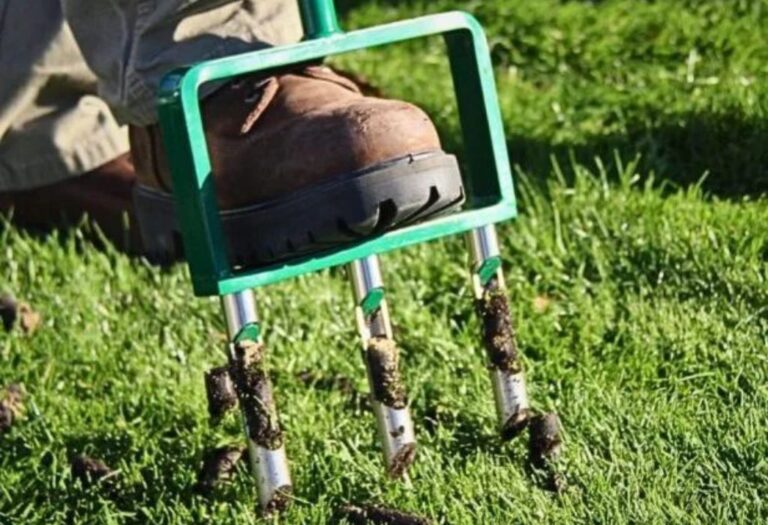
- Manual Aeration: For smaller lawns, you can use a manual aerator, which is a tool that you push or step on to create holes.
- Liquid Aeration: This uses a liquid product that helps break down compaction in the soil. It is more a supplement than a primary method for aeration.
Choosing the Right Time for Lawn Aeration and Fertilizing

Timing is important when it comes to lawn aeration and fertilizing. Aerating and fertilizing at the right time of year will give your lawn the best chance to recover and thrive. The ideal time for aeration is typically during the growing season, when the grass is actively growing. This allows the grass to quickly fill in the holes created by aeration. Fertilizing should then follow the aeration process to help the grass recover and grow. It’s best to fertilize after aerating so that the nutrients can get right down into the roots.
Optimal Seasons for Aeration
The best time to aerate your lawn depends on your grass type. For cool-season grasses, like Kentucky bluegrass and fescue, the ideal time for aeration is in the fall or early spring. This allows the grass to recover quickly and take advantage of cooler temperatures and increased rainfall. For warm-season grasses, like Bermuda grass and zoysia grass, aeration is best done in late spring or early summer, when the grass is actively growing. It is important to know your grass type, for best results. This can have a huge impact on your lawn.
- Cool-Season Grasses: Aerate in the early spring or fall. These are the periods when these grasses are experiencing their most active growth.
- Warm-Season Grasses: Aerate in the late spring or early summer. This timeframe is when these grasses have their most active growth, and can recover most rapidly.
- Weather Considerations: Avoid aerating during periods of drought or extreme heat. The stress can further harm your grass.
Selecting the Right Fertilizer for Your Needs
The type of fertilizer you use can influence your lawn’s health. Fertilizers are available in different forms, including granular, liquid, and slow-release. Granular fertilizers are spread over the lawn using a spreader and release nutrients over time. Liquid fertilizers are easier to apply but may require more frequent applications. Slow-release fertilizers release nutrients gradually, providing a consistent feeding for your lawn. Choosing the right fertilizer depends on your soil type, grass type, and the specific needs of your lawn. Be sure to select a formula that is appropriate for the time of year and the stage of your lawn’s growth.
- Granular Fertilizers: These are dry, solid fertilizers that are spread over the lawn. They release nutrients over time and are suitable for most lawns.
- Liquid Fertilizers: These are fertilizers that are mixed with water and applied to the lawn. They are easy to apply but may require more frequent applications.
- Slow-Release Fertilizers: These release nutrients slowly over a longer period, providing a consistent feeding for your lawn.
- Organic vs. Synthetic: Consider both options. Organic fertilizers use natural ingredients, while synthetic fertilizers are made using chemicals. Both can be effective, depending on your needs.
Step-by-Step Guide to Aerating and Fertilizing
Here’s a simple, easy-to-follow guide to aerating and fertilizing your lawn. These steps will make the entire process easier. Proper preparation and following these steps will make a big difference in the results. You’ll be well on your way to a healthy, green lawn.
Pre-Aeration Preparations
Before you begin aerating, it’s important to prepare your lawn. This involves mowing the grass to a low height and watering the lawn thoroughly a day or two before aerating. Watering the lawn softens the soil, making it easier for the aerator to penetrate. You should also mark any sprinkler heads, underground utilities, and other obstacles to avoid damaging them during aeration. By doing this prep work you set yourself up for better results. Take your time to get it right.
- Mow the Lawn: Cut the grass to a shorter height. This will make it easier for the aerator to penetrate the soil.
- Water the Lawn: Water the lawn a day or two before aerating. This will soften the soil and make it easier for the aerator to work.
- Mark Obstacles: Mark any sprinkler heads, underground utilities, and other obstacles to avoid damaging them.
Aeration Process Explained
Aerating your lawn can be done using various tools. For smaller lawns, you can use a manual core aerator, which is a handheld tool that you push into the ground. For larger lawns, you can rent a power core aerator from a local hardware store. When aerating, make sure to overlap the passes to ensure that the entire lawn is covered. After aerating, leave the soil plugs on the lawn to decompose, which will add organic matter to the soil. You’ll be thrilled at the improvement.
- Choose Your Aerator: Select the right tool for your lawn.
- Aeration Passes: Run the aerator across the lawn in straight lines, overlapping each pass slightly.
- Soil Plugs: Leave the soil plugs on the lawn. They will break down and add nutrients to the soil.
Fertilizing Your Lawn Post-Aeration
After aerating, it’s time to fertilize your lawn. Choose a fertilizer that’s appropriate for your grass type and the time of year. Spread the fertilizer evenly over the lawn using a spreader. Follow the instructions on the fertilizer packaging for the correct application rate. After fertilizing, water the lawn to help the fertilizer soak into the soil. Aerating before you fertilize makes a big difference. This method will give your lawn the best results.
- Select Fertilizer: Choose a fertilizer suitable for your grass type and season.
- Apply Fertilizer: Use a spreader to distribute the fertilizer evenly.
- Water the Lawn: Water the lawn to help the fertilizer seep into the soil.
Troubleshooting Common Challenges
Even with careful planning, things can sometimes go wrong. Here are some common problems and how to solve them. Addressing these issues can keep your lawn healthy. Understanding these challenges will help you have a successful lawn care experience.
Dealing with Uneven Aeration
Sometimes, the aerator might not penetrate the soil evenly, resulting in uneven aeration. This can happen if the soil is too dry or if there are hard patches of soil. To solve this, make sure to water the lawn before aerating. Go over the areas that are not aerated well. For difficult spots, you might need to use a hand aerator. Taking your time will help ensure complete coverage.
- Soil Condition: Ensure the soil is moist.
- Aerator Maintenance: Make sure your aerator is in good working condition.
- Overlapping Passes: Make multiple passes over areas that are not aerated thoroughly.
Over-Fertilizing and Its Consequences
Over-fertilizing can be a common mistake. Applying too much fertilizer can burn your grass, leading to brown patches and stunted growth. To avoid over-fertilizing, always follow the instructions on the fertilizer packaging. Make sure you calibrate your spreader correctly. Be careful to apply the correct amount of fertilizer. If you do over-fertilize, water the lawn heavily to flush out the excess fertilizer. Over-fertilizing can do more harm than good, so follow the recommendations.
- Following Directions: Stick to the application rates specified on the fertilizer packaging.
- Calibrating Spreader: Make sure your spreader is calibrated to the correct setting.
- Heavy Watering: If you over-fertilize, water the lawn extensively to dilute the fertilizer.
Managing Thatch Buildup
Thatch is a layer of dead grass and organic matter that can build up on your lawn over time. Too much thatch can prevent air, water, and nutrients from reaching the roots. To manage thatch, core aerate your lawn regularly. This will help break down the thatch layer. You can also use a dethatching rake to remove thatch manually. Regular aeration and dethatching will keep your lawn healthy and thriving. Over time you should notice a dramatic improvement in your lawn.
- Regular Aeration: Aerating will help to break down thatch naturally.
- Dethatching: Use a dethatching rake to remove excess thatch.
- Proper Mowing: Mow your lawn regularly and avoid overwatering.
Real-Life Examples and Success Stories
Here are some examples of the positive results of proper lawn aeration and fertilizing. These case studies show the difference these techniques can make. You can achieve similar results. These stories will show you the benefits of proper lawn care.
- Case Study 1: Addressing Compaction Issues
A homeowner had a lawn that was suffering from severe soil compaction. After aerating their lawn, they applied fertilizer. The results were dramatic. The grass became much thicker and greener, the soil became healthier, and the lawn was able to withstand foot traffic much better. Their lawn saw dramatic improvements. - Case Study 2: Improving Nutrient Absorption
A different homeowner’s lawn lacked essential nutrients and was struggling. After aerating and fertilizing with a balanced formula, the grass responded well. The homeowner reported a significant improvement in the grass’s color, density, and overall health. The lawn responded in kind. - Case Study 3: Overcoming Thatch Problems
One family struggled with thatch buildup, which was choking their grass. After aeration, followed by the application of a fertilizer designed to encourage healthy root growth, the grass began to breathe and grow stronger. They reported a healthier, more vibrant lawn after the process. The impact was clear and immediate.
The Benefits of Consistent Lawn Care
Regular lawn aeration and fertilizing offer many advantages. These key benefits will show why it’s important to invest the time in this process. Lawn care yields real, long-term benefits. Proper care will give your lawn the best chance to be healthy.
- Improved Root Development: Aeration helps roots access the air and nutrients they need.
- Enhanced Water Absorption: Aeration allows water to penetrate the soil and reach the roots.
- Thicker, Greener Grass: Fertilizing provides essential nutrients.
- Reduced Soil Compaction: Regular aeration helps prevent soil from becoming compacted.
- Disease Resistance: A healthy lawn is more resistant to disease.
Lawn Aeration and Fertilizing by the Numbers
Here are some interesting stats to consider. These figures can show you the real impact of lawn care. These stats will show you the real impact of these techniques. These numbers will help you understand lawn care’s value.
| Statistic | Details |
|---|---|
| Percentage Improvement | Lawns that undergo regular aeration and fertilizing can show up to a 50% improvement in root growth. |
| Water Penetration Increase | Aeration can increase water penetration by up to 100%, leading to more efficient water use and healthier lawns. |
| Nutrient Uptake Boost | Proper fertilization, when combined with aeration, can improve nutrient uptake by up to 40%, contributing to denser, greener grass. |
Frequently Asked Questions
Question: When should I aerate my lawn?
Answer: The best time depends on your grass type. Aerate cool-season grasses in early spring or fall, and warm-season grasses in late spring or early summer.
Question: How often should I aerate my lawn?
Answer: For most lawns, aerate once a year. Lawns with heavy foot traffic or clay soil may benefit from aeration twice a year.
Question: What type of fertilizer should I use?
Answer: Select a fertilizer based on your grass type and the results you want. Read the label. Choose an appropriate product.
Question: Should I water after aerating?
Answer: Yes, watering after aerating helps the soil settle and helps the grass recover faster.
Question: Can I aerate my lawn myself, or do I need professional help?
Answer: You can aerate your lawn yourself, using manual or rented equipment. For large lawns, consider professional services.
Final Thoughts
Lawn aeration and fertilizing is a simple process that can significantly improve your lawn’s health and appearance. By loosening the soil, aeration allows air, water, and nutrients to reach the roots, while fertilization provides the essential nutrients for vigorous growth. Choosing the correct timing and methods is vital for success. Remember to prepare your lawn before aerating, follow the steps carefully, and address any challenges that may arise. By following these simple steps, you can transform your lawn into a lush, healthy space you can be proud of. Get started today and enjoy a greener, healthier lawn!