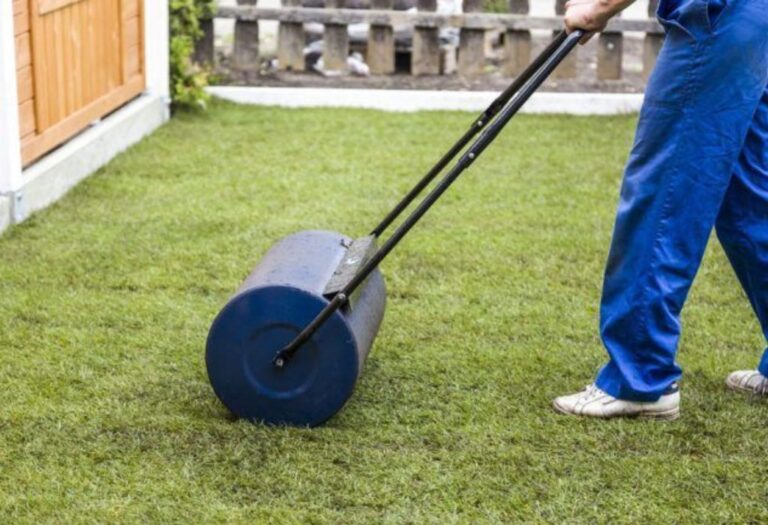
Lawn Aerator Problems: Why It’s Not Pulling Plugs And How to Fix It
Having a lawn aerator not pulling plugs can be a real headache, especially if you’re new to lawn care. It’s a common issue because several small things can go wrong. Don’t worry, though; this is easily solved. We’re going to break down the most common reasons why your aerator might be failing and give you simple, step-by-step solutions to get those plugs coming up. Learn everything you need to know about getting your lawn in tip-top shape!
Common Problems When a Lawn Aerator Isn’t Working Right

One of the most frustrating aspects of lawn care is when your equipment doesn’t perform as expected. If your lawn aerator not pulling plugs, it can be due to various reasons, from simple user errors to more complex mechanical issues. A poorly functioning aerator undermines your efforts to improve soil health, air circulation, and water absorption. Identifying and addressing these problems is key to a healthy lawn and efficient lawn care practices. Let’s explore some of the most common issues that prevent a lawn aerator from doing its job, so you can diagnose and fix the problem quickly.
Incorrect Settings or Operation
One of the most common reasons aerators fail to pull plugs is related to how you set them up and how you use them. Sometimes, the issue isn’t with the machine itself, but how you’re operating it. Making sure that the tines are the right depth and the machine is in the correct operating mode are the initial steps to ensure the aerator works as it should. Incorrect settings can lead to inefficient operation and a lawn that does not receive the benefits of aeration. Learning the correct use of your equipment is a primary step.
-
- Depth of Tines:
The depth to which the tines penetrate the soil is very important. If they’re not deep enough, they won’t be able to pull up soil plugs. The appropriate depth depends on the type of soil and how compacted it is. Tines need to go deep enough to get the soil out, but not so deep that they damage roots or hit underground utilities.
- Depth of Tines:
Adjusting the depth correctly means your aerator will lift a core of soil instead of just scratching the surface. This creates the channels needed for essential nutrients and elements like air, water, and fertilizer to reach the root zone. Proper aeration enhances root development, and allows better infiltration of water, reducing runoff and promoting a healthier, more resilient lawn. The goal is to aerate the soil effectively without causing any damage.
-
- Operating Speed:
Moving too quickly across your lawn can mean the aerator doesn’t have enough time to do its job. A slower, more steady pace is usually the best approach. If you go too fast, the tines won’t have enough time to penetrate and extract the soil cores.
- Operating Speed:
Operating at a good speed can significantly impact the quality of the aeration. It allows the aerator’s tines to fully engage with the soil. This leads to cleaner, more uniform plugs that are critical for air, water, and nutrient exchange. The right speed will depend on your aerator’s specific design and your lawn’s condition, so it’s important to read the manual for the best results.
-
- Proper Overlap:
Ensure that you overlap each pass of the aerator. Aerating without overlap means that you might miss spots, which leaves some parts of your lawn un-aerated. Overlapping ensures that you cover every part of your lawn, which makes the aeration consistent.
- Proper Overlap:
Overlapping ensures that all areas get aerated evenly. This means that every section of your lawn benefits from the improved air and water flow. If you skip sections, you will have uneven results, with some areas having improved soil health while others remain compacted. Plan your aeration pattern, paying close attention to overlap, to ensure that your whole lawn gets the benefits.
Soil Conditions and Preparation
The condition of your soil plays a big part in how effectively your aerator works. Hard, dry soil is tough to aerate, while wet soil can clog the machine. Making sure your soil is in the right state is a significant step in the process. Understanding the soil conditions and knowing when to aerate is important for optimal performance.
-
- Soil Moisture Levels:
Soil that is either too dry or too wet can cause problems. Dry soil is hard and makes it difficult for the tines to penetrate and pull plugs. Wet soil can stick to the tines and clog the machine, preventing it from working properly.
- Soil Moisture Levels:
Ideal soil moisture is key to successful aeration. If the soil is too dry, consider watering your lawn a day or two before aerating to soften it up. If it’s too wet, wait a few days for it to dry out a bit. Aim for a moisture level that is similar to a damp sponge; this will allow the tines to enter the ground easily and pull clean plugs without clogging the aerator. Adjust the timing of your aeration to get the best moisture conditions.
-
- Soil Type and Compaction:
The type of soil you have matters. Clay soil tends to be more compacted and is harder to aerate than sandy soil. Compacted soil prevents air, water, and nutrients from reaching the roots, leading to a host of problems.
- Soil Type and Compaction:
Understanding your soil type is important because each one calls for its own aeration strategy. For clay soils, more frequent aeration or deeper tine penetration may be needed. Sandy soils may require less frequent aeration. Pay attention to how compacted the soil is to get the best result. Regular aeration can reduce compaction and improve soil structure, which helps the health of your lawn over the long term.
-
- Pre-Aeration Watering:
If the soil is dry, a light watering 1–2 days before aerating can help soften the soil. This helps the tines penetrate the soil more easily. Water enough so the soil is damp but not soaking wet.
- Pre-Aeration Watering:
Pre-aeration watering is a simple step, but it can make a big difference in the efficiency of your aeration. By softening the soil before you begin, you can make it easier for the aerator to work. It can also reduce the effort needed to push the aerator across your lawn. It’s also important to avoid overwatering to prevent the soil from becoming too saturated.
Common Aerator Issues and Solutions
Sometimes, the problem isn’t how you use the aerator or the soil conditions, but the aerator itself. Several mechanical issues can keep your lawn aerator not pulling plugs. Regular maintenance and knowing what to look for will help you fix these issues and make sure your equipment is working well.
Tine Problems and Maintenance
The tines are the most critical part of an aerator, as they directly impact its ability to pull plugs. These metal tubes or spoons get the soil out, so any damage or wear can make them ineffective. Regular inspection and care will keep the tines working well. Check for these problems before and after each aeration.
-
- Worn or Damaged Tines:
Over time, the tines can wear down from use, which impacts their ability to get a clean plug. They can also get damaged if they hit rocks or other hard objects. Dull or damaged tines won’t penetrate the soil effectively.
- Worn or Damaged Tines:
Regularly inspect your tines for wear and tear. If they’re worn, consider replacing them. Keeping your tines sharp and in good shape helps ensure effective aeration. Before starting each aeration session, check for any bends or damage to the tines. If your tines have become dull or damaged, they may not be able to penetrate the soil and pull the plugs effectively.
-
- Clogged Tines:
Soil, especially when wet, can get stuck inside the tines, preventing them from pulling plugs. This is a common issue when aerating in wet conditions. Soil buildup inside the tines reduces their effectiveness and makes it hard for them to work properly.
- Clogged Tines:
Clogged tines are a common problem. If you’re aerating and notice that the machine isn’t pulling plugs, stop and check the tines. Use a tool like a screwdriver or stick to clear out any packed soil. Regularly check and clean the tines to prevent this from happening. A quick cleaning after each use can help avoid clogs and keep your aerator working at its best.
-
- Tine Alignment:
Ensure your tines are aligned correctly. Misaligned tines won’t penetrate the soil properly. Check the manufacturer’s instructions to ensure they’re correctly positioned.
- Tine Alignment:
Proper alignment of the tines is also important. This is more of an issue with aerators that have replaceable tines. Misaligned tines can prevent the aerator from pulling clean, even plugs. Checking the alignment before each use helps make sure that the aerator is working at its maximum efficiency. It prevents the machine from damaging itself.
Mechanical Issues and Troubleshooting
Apart from the tines, other mechanical parts of your aerator may cause issues. If your lawn aerator isn’t pulling plugs, a mechanical issue could be to blame. Some of these are easy to fix, while others may require some mechanical skill or professional help. It’s important to inspect all parts regularly to prevent any serious damage and ensure optimal performance.
-
- Engine Problems (for Powered Aerators):
If your aerator has an engine, make sure it’s running properly. Engine issues, such as low power or stalling, will affect the machine’s ability to pull plugs. Check the fuel level, change the oil, and make sure the spark plug is working correctly.
- Engine Problems (for Powered Aerators):
When your aerator is powered, engine issues are a common cause of performance problems. If the engine isn’t running at full power, it may not provide enough force to drive the tines into the soil effectively. Inspect the engine for problems, starting with the fuel, spark plugs, and air filter. These issues often prevent the machine from pulling plugs effectively. For specific problems, check the user manual for detailed information about engine maintenance.
-
- Drive System Problems:
The drive system in a powered aerator helps turn the tines. If there’s a problem, such as a broken belt or worn gears, the tines won’t rotate correctly. Check these parts regularly for wear and tear.
- Drive System Problems:
The drive system is another important element in powered aerators. The drive system’s job is to transfer power from the engine to the tines. If the system fails, the tines will either not move or move with less force. Issues such as worn belts, broken gears, or a faulty drive mechanism will reduce the effectiveness of the aeration. Inspecting the drive system is an important part of regular maintenance. This ensures efficient aeration and helps extend the life of your equipment.
-
- Weight Distribution and Adjustment:
The weight of the aerator impacts how well it penetrates the soil. If your aerator has a weight tray, make sure it’s loaded. If the machine does not have the right weight, it might not be able to get through compacted soil, which prevents it from pulling plugs.
- Weight Distribution and Adjustment:
Weight distribution plays a role in the function of an aerator. The weight is important for the machine to penetrate the soil correctly. Most aerators have a spot to add extra weight. This helps them cut through compacted soil. Adjust the weight according to the soil conditions and the aerator’s instructions. Adding weight can help if your aerator isn’t pulling plugs.
Step-by-Step Guide to Fix Lawn Aerator Problems
Troubleshooting your lawn aerator not pulling plugs doesn’t have to be hard. By following these steps, you can identify the problem and get your aerator back in action. These steps will help you work through the common problems and make any necessary corrections. It’s best to go through each of these steps and rule them out before deciding if you have a serious problem.
-
- Check the Tines:
Inspect the tines for wear, damage, and clogs. Make sure the tines are sharp and in good condition. If they’re damaged, you will need to replace them.
- Check the Tines:
This is the first step when your aerator isn’t doing its job. Check the condition of the tines. This is easy to do by visually inspecting them. If the tines are bent, worn, or clogged, they won’t be able to pull plugs effectively. Cleaning and replacing the tines can often resolve the problem. Regular inspection of the tines ensures effective aeration.
-
- Assess Soil Conditions:
Check the soil’s moisture level. If the soil is too dry, water the lawn a day or two before aerating. If it’s too wet, wait for it to dry out a bit.
- Assess Soil Conditions:
The soil is very important, so check to see what state your soil is in. Adjusting the soil moisture can make a significant difference. The best time to aerate is after the soil has been watered and has had time to absorb the moisture. The goal is to make the soil easier for the aerator to penetrate. Preparing the soil is key to a successful aeration.
-
- Verify the Settings:
Ensure the aerator’s settings are correct. Check the tine depth and speed. Adjust these settings according to the manufacturer’s instructions and the condition of your lawn.
- Verify the Settings:
Correct settings are key to getting the results you want. Ensure that you have the correct depth and speed for your lawn’s conditions. Improper settings can lead to inefficient operation or even damage to the equipment. Consulting the user manual is important, as different aerators have different settings. Make sure that you understand the best approach.
-
- Inspect Mechanical Components:
If you have a powered aerator, check the engine, drive belts, and gears. Look for any signs of wear or damage. You can fix most problems yourself, but you may need a professional for serious repairs.
- Inspect Mechanical Components:
Mechanical problems are best to address by regular maintenance and inspection of the parts. For engine-powered aerators, it’s necessary to check the engine, drive belts, and gears. If you discover problems with any of these parts, it’s important to address them promptly. You can often handle minor fixes yourself, but complex issues will call for professional assistance to maintain the equipment. Regular maintenance will prevent bigger, more costly problems down the road.
-
- Test and Re-Adjust:
After making adjustments or repairs, test the aerator in a small area of your lawn. Watch for clean plugs and make adjustments as needed. If the problem persists, go back and re-evaluate each step.
- Test and Re-Adjust:
After the repairs are complete, it’s important to test the aerator. Testing in a small area helps you make any final adjustments. After testing, check the results and ensure the aerator is pulling plugs effectively. If not, go back and double-check each step in the troubleshooting process. This helps ensure that the aeration is successful. The goal is to find the right solution for any issues.
How to Prevent Lawn Aerator Issues
Preventing lawn aerator not pulling plugs is easier than fixing the problem. Taking care of your equipment and knowing what to do will make your aeration efforts much smoother. Regular maintenance and careful operation can help prevent many common issues.
Routine Maintenance Practices
Taking care of your aerator is crucial for its longevity and performance. Regularly cleaning and inspecting your aerator will prevent many common problems.
-
- Clean After Each Use:
After each aeration session, clean the tines, removing any soil and debris. This prevents clogs and helps keep the tines sharp. Cleaning your aerator after each use will also help prevent corrosion and buildup.
- Clean After Each Use:
Cleaning the aerator after each use is a simple task, but it makes a big difference. Soil and debris can stick to the tines and build up over time. This makes it harder for the aerator to function properly and may lead to damage. Regular cleaning keeps the equipment running well.
-
- Sharpen or Replace Tines:
Keep the tines sharp. Sharpen them regularly, or replace them if they’re worn or damaged. Sharp tines make for more effective aeration. Proper tine maintenance is essential for good aeration.
- Sharpen or Replace Tines:
Sharp tines are a key element in effective aeration. Dull tines may not penetrate the soil properly. You can sharpen the tines yourself or replace them if they’re severely damaged. Regular inspection and care ensure your aerator continues to deliver top performance.
-
- Check and Maintain Engine (for Powered Aerators):
Regularly check the engine, change the oil, and replace the air filter. Make sure the spark plug is clean and functioning correctly. Following these maintenance steps helps keep the engine working efficiently.
- Check and Maintain Engine (for Powered Aerators):
For powered aerators, regular engine maintenance is very important. Maintaining the engine ensures it has the power to drive the tines effectively. Checking oil levels, changing filters, and ensuring the spark plug is in good condition will help the engine run smoothly. Following a regular maintenance schedule will prevent bigger, more costly problems.
Best Practices for Operation
How you use your aerator significantly affects how well it works and how long it lasts. Adhering to the best practices will help you avoid common issues and get the most from your equipment. Using the equipment properly will help maintain its condition.
-
- Aerate in the Right Conditions:
Aerate when the soil moisture is correct. Avoid aerating when the soil is too dry or too wet. Aim for conditions similar to a damp sponge. Aerating under the best conditions will help ensure the best results.
- Aerate in the Right Conditions:
Aerate your lawn under the correct conditions to get the best results. Soil moisture is critical. You can improve aeration effectiveness by adjusting the timing based on soil moisture. If the soil is too dry, water it beforehand. If it is too wet, wait for it to dry. The right conditions will make the aeration process efficient and improve your lawn’s health.
-
- Properly Overlap Aeration Passes:
Always overlap your passes to ensure full coverage of the lawn. This prevents any spots from being missed. Overlapping helps create a uniform pattern of aeration.
- Properly Overlap Aeration Passes:
Overlapping passes is important to cover every part of your lawn. This ensures that every part receives the benefits of aeration. Make sure you overlap each pass by a few inches. This will make certain that all of the soil is aerated and help with drainage and airflow throughout the lawn. This also helps with consistent results and promotes overall lawn health.
-
- Avoid Obstacles:
Be mindful of underground utilities, sprinkler heads, and other obstacles. Always be careful to avoid these when operating your aerator to avoid damaging equipment or the lawn.
- Avoid Obstacles:
It’s important to be careful and aware of any underground utilities or other obstacles when aerating. Hitting these objects can cause damage to the equipment. Before beginning, mark the locations of sprinkler heads and other obstacles. Make sure you have a safe and clear path for the aerator.
Long-Term Lawn Health Benefits
Maintaining a healthy lawn is not a one-time task, but an ongoing process. Following regular maintenance and operational practices results in a healthy lawn. The long-term benefits extend beyond just appearance, influencing water use and the environment.
-
- Improved Air Circulation and Water Absorption:
Regular aeration improves air circulation and water absorption. This helps the grass roots get more air, water, and nutrients. This strengthens grass and makes it more resilient to stress.
- Improved Air Circulation and Water Absorption:
Regular aeration can make a big difference in improving both air and water use. By improving airflow and the ability to absorb water, aeration makes the grass more resilient. The root system becomes stronger, and the grass can better withstand environmental stresses. This results in a much healthier and more vibrant lawn.
-
- Enhanced Root Development:
Aeration helps the roots grow deeper and stronger. Strong roots help the grass to withstand drought, heat, and other environmental stresses. This will improve the overall health and look of the lawn.
- Enhanced Root Development:
One of the best long-term benefits of aeration is the development of a strong root system. Aeration stimulates deeper root growth, making the grass much more resilient. This stronger root system helps the grass withstand periods of drought, heat, and other stresses. The grass can thrive in harsh conditions.
-
- Reduced Soil Compaction:
Regular aeration prevents soil compaction. Compacted soil limits air, water, and nutrient flow to the roots. Aeration will loosen the soil, and this will improve overall soil health.
- Reduced Soil Compaction:
Aeration is important for preventing soil compaction. Compacted soil prevents air, water, and nutrients from getting to the roots. Aeration opens up the soil. This allows for better nutrient flow and the grass will grow better. Regular aeration leads to a healthier and more sustainable lawn ecosystem.
Frequently Asked Questions
Question: Why won’t my aerator pull plugs?
Answer: The most common causes are worn or clogged tines, improper soil moisture, or incorrect settings such as tine depth or operating speed. Also, check for engine problems if you have a powered model.
Question: How often should I aerate my lawn?
Answer: Aerate once or twice a year. Aerate clay soils more frequently, and consider aeration in the spring and fall.
Question: What’s the best time to aerate my lawn?
Answer: Aerate in the spring or fall when the grass is actively growing. This helps the grass recover quickly and allows for optimal results.
Question: How can I tell if my tines are dull?
Answer: Dull tines will struggle to penetrate the soil and may appear worn or damaged. Inspecting for wear and tear is critical. If they struggle to pull plugs, it’s time to sharpen or replace them.
Question: Should I water before aerating?
Answer: Yes, water your lawn a day or two before aerating if the soil is dry. The soil should be damp, but not soaking wet.
Final Thoughts
Dealing with a lawn aerator not pulling plugs doesn’t have to be a major problem. It usually comes down to simple things like soil moisture, tine condition, and settings. By understanding the common issues and the steps to fix them, you can quickly get your aerator working correctly and your lawn looking its best. The rewards of proper aeration are many, including healthier soil, a robust root system, and a more vibrant, resilient lawn. With consistent care and the information given here, you can overcome any challenges and ensure that your lawn thrives. Get out there and put these tips to the test!