How Many GPM Is a Garden Hose? Expert Insights
A garden hose may seem simple, yet many homeowners struggle with inconsistent water flow or low pressure during watering tasks. Often, the root cause lies in the hose’s flow rate, measured in gallons per minute (GPM), which determines how much water can pass through at a given time.
Understanding how many GPM is a garden hose is essential for selecting the right hose, nozzles, and accessories for efficient watering.
Choosing an incompatible hose or nozzle can result in poor irrigation, wasted water, and frustration during gardening or cleaning tasks.
Did you know that the typical residential hose delivers between 9 and 17 GPM, depending on diameter, length, and water pressure?
According to Swan Hose, the average flow rate is around 12 to 13 GPM for most 5/8 inch hoses (swanhose.com). Knowing the flow rate helps optimize water usage and ensures that outdoor tasks are completed efficiently.
Several factors influence a garden hose’s GPM, including hose diameter, length, water pressure, and nozzle type.
By understanding these variables, homeowners can choose hoses that provide the right flow for lawns, gardens, or washing tasks, improving efficiency and reducing water waste.
What Is GPM in a Garden Hose

Understanding the flow of water through a garden hose requires knowledge of GPM, or gallons per minute. GPM measures the volume of water passing through the hose each minute, providing a clear indication of how much water is delivered to the end point. Knowing the GPM helps homeowners select the right hose and nozzle for specific tasks, whether watering a lawn, garden, or cleaning outdoor surfaces.
Definition of GPM
GPM, short for gallons per minute, is the standard unit used to quantify water flow rate. It reflects how much water moves through the hose in a set time, directly affecting efficiency and coverage. High GPM hoses can water large areas faster, while hoses with lower GPM are better suited for precision tasks or delicate watering.
Average GPM of Standard Garden Hoses
Flow rate varies based on hose diameter, length, and water pressure. A typical 5/8 inch residential hose delivers roughly 12 to 13 GPM at standard household pressure, while a 1/2 inch hose usually ranges from 5 to 10 GPM. Larger 3/4 inch hoses can handle up to 30 GPM in ideal conditions, making them suitable for high-demand watering tasks (hoselink.com).
Importance of GPM
Flow rate directly impacts water coverage and efficiency. Using a hose with insufficient GPM can extend watering time, reduce effectiveness, and create frustration for the user. Conversely, a hose with too high a GPM may be difficult to control and could cause runoff or waste. Understanding GPM allows for optimal hose selection, ensuring that water is delivered efficiently and effectively.
Factors Influencing GPM
Several factors influence a hose’s GPM, including the hose’s diameter, length, water pressure, and nozzle type. Each of these factors interacts to determine the ultimate flow rate at the output. For instance, a longer hose increases friction, which reduces flow, while higher water pressure can push more water through a given hose diameter. Selecting the right combination ensures that the hose performs reliably under various watering conditions.
Real-World Applications
GPM is not only important for residential gardening but also for irrigation, pressure washing, and filling water features. Knowing the expected GPM helps match the hose with compatible nozzles, sprinklers, and connectors to maintain consistent performance. Accurate measurement of flow rate ensures that water is applied evenly, avoiding overwatering or under-watering plants and landscapes.
By understanding what GPM is and how it affects garden hose performance, homeowners can make informed decisions about hose selection and usage. This knowledge sets the stage for measuring actual GPM and optimizing flow in the following sections.
Factors Affecting Garden Hose Flow Rate
Several variables influence the flow rate of a garden hose, measured in GPM (gallons per minute). Understanding these factors allows homeowners to select the right hose and accessories, ensuring efficient water delivery and preventing frustration during watering tasks. Each factor interacts to determine the ultimate performance of the hose.
Hose Diameter
The diameter of a hose directly impacts its flow rate. Wider hoses, such as 3/4 inch, can carry more water than narrower hoses, like 1/2 inch. A larger diameter reduces friction, allowing water to flow more freely and increasing GPM. Conversely, smaller diameters restrict water flow, which can extend watering time for lawns or gardens.
Hose Length
Longer hoses experience more internal friction, which reduces flow rate. A 100-foot hose will have a lower GPM than a 25-foot hose of the same diameter. This is especially important for large gardens or outdoor projects, as using an excessively long hose can limit water delivery and efficiency.
Water Pressure (PSI)
Water pressure is another key factor affecting GPM. Household water pressure typically ranges from 40 to 60 PSI, and higher pressure pushes more water through the hose. However, excessive pressure can damage hoses or fittings, so it is important to balance pressure with hose capacity for optimal flow.
Nozzle Type and Restrictions
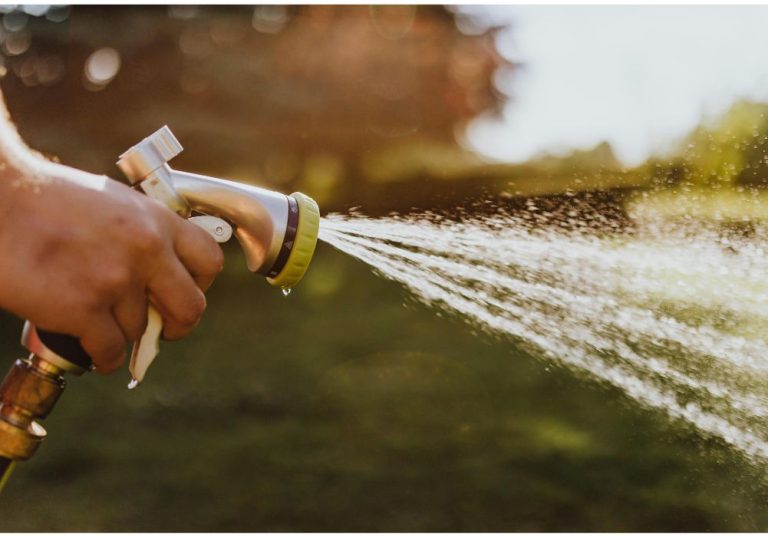
The type of nozzle or attachment can significantly alter flow rate. Adjustable nozzles, spray guns, or watering wands often restrict water to create a specific spray pattern. Choosing the appropriate nozzle ensures the desired GPM for different tasks, whether irrigation, washing, or cleaning.
Temperature and Water Viscosity
Although less obvious, water temperature can affect flow slightly. Colder water is more viscous, reducing flow marginally, while warmer water flows more freely. While the effect is minor, it can be considered when precise watering or measurement is required.
Real-World Considerations
The combination of hose diameter, length, water pressure, and nozzle type determines the actual GPM experienced in use. Homeowners can adjust these variables to achieve the desired flow, optimizing both efficiency and water usage. Proper understanding of these factors ensures consistent performance and minimizes waste.
By recognizing how these variables interact, gardeners can make informed decisions when choosing hoses and accessories. This knowledge also supports accurate measurement of GPM, which is covered in the following section.
How to Measure Your Garden Hose GPM
Measuring the flow rate of a garden hose is essential for understanding its performance and ensuring that it delivers water efficiently. GPM, or gallons per minute, indicates how much water flows through the hose in a given time, which impacts irrigation, cleaning, and outdoor projects. Accurate measurement allows homeowners to select hoses and accessories that match their specific needs.
Bucket Method
The simplest way to measure GPM is the bucket method. Fill a container with a known volume, such as 5 gallons, and time how long it takes to fill completely. Divide the total gallons by the number of minutes to calculate the flow rate. For example, filling a 5-gallon bucket in 30 seconds equals 10 GPM.
Using Flow Rate Calculators
Online flow rate calculators simplify the process by using input variables such as hose diameter, length, and water pressure. These tools provide a quick estimate of GPM without manual measurement. Calculators are particularly useful when comparing multiple hoses or planning irrigation for large areas.
Pressure-Based Measurement
Water pressure, measured in PSI (pounds per square inch), directly affects flow rate. Using a pressure gauge, homeowners can determine if low GPM is caused by insufficient pressure rather than hose restrictions. Maintaining proper household pressure ensures accurate measurement and consistent hose performance.
Measuring Different Nozzle Settings
Flow rate can vary depending on the nozzle or attachment used. Measuring GPM with each nozzle setting helps determine the optimal configuration for various tasks. This ensures that irrigation, washing, or watering activities are carried out efficiently.
Recording and Comparing Results
Keep a record of measured GPM for different hoses, lengths, and nozzle settings. Comparing results allows homeowners to identify which setup delivers the best flow and helps optimize water usage. Maintaining a log also assists in troubleshooting low-pressure issues or planning new garden layouts.
Importance of Accurate Measurement
Accurately measuring a garden hose’s GPM provides practical insights for homeowners and gardeners. Knowing the flow rate helps prevent overwatering or under-watering, ensures effective cleaning, and allows for better planning of outdoor water usage. Measuring GPM is a critical step before selecting fittings, adapters, or specialized watering equipment.
By mastering these measurement techniques, homeowners can make informed decisions about hose selection and use. This sets the stage for optimizing flow and choosing compatible fittings, which is covered in the next section.
Optimizing Garden Hose Flow Rate

Maximizing the flow rate of a garden hose ensures efficient watering, reduces time spent on outdoor tasks, and prevents unnecessary water waste. By considering hose specifications, water pressure, and accessory choices, homeowners can achieve optimal performance for a variety of applications.
Selecting the Right Hose
Hose diameter and length significantly influence flow rate. For high-demand tasks, a 3/4 inch hose provides higher GPM compared to a 1/2 inch hose. Shorter hoses reduce friction and maintain pressure, allowing more water to reach the end efficiently. Choosing the appropriate hose for the specific application is the first step in optimizing GPM.
Maintaining Water Pressure
Consistent water pressure is critical for achieving the intended flow rate. Ensure that faucets and valves are fully open and free of obstructions. In situations where household pressure is insufficient, pressure regulators or boosters can help maintain a steady GPM. Regularly checking for leaks or kinks in the hose also preserves consistent water delivery.
Using Suitable Nozzles and Attachments
Nozzles can restrict or enhance flow depending on their design. Adjustable nozzles allow homeowners to control water output, optimizing flow for different tasks. Matching nozzle type with the intended application, such as irrigation, car washing, or garden cleaning, ensures efficient use of water while maintaining the desired GPM.
Reducing Flow Loss
Minimize flow loss by avoiding excessive hose length or unnecessary bends. Hoses with sharp kinks or twists reduce GPM and water pressure. Using hose guides, reels, or carefully coiling hoses helps prevent these issues and maintains optimal water delivery.
Seasonal Considerations
Temperature and water viscosity can subtly affect GPM. During colder months, water is slightly more viscous, reducing flow rate marginally. Being aware of seasonal variations ensures that measurement and optimization efforts are accurate year-round.
Monitoring and Adjusting
Regularly monitor GPM during use and adjust hose setup as needed. Keeping a record of performance for different configurations helps determine which setup delivers the best flow. Periodic assessment allows homeowners to fine-tune hoses, nozzles, and pressure settings for maximum efficiency.
Optimizing garden hose flow rate enhances water efficiency, saves time, and supports healthier plants and lawns. Understanding the factors affecting GPM and making thoughtful adjustments ensures consistent, reliable performance for all outdoor watering tasks.
Troubleshooting Common Garden Hose Flow Issues
Even with the right hose and fittings, flow problems can occur. Understanding the causes and remedies for low GPM ensures efficient water delivery and prevents frustration.
Kinks and Twists
Hoses that are bent sharply or twisted restrict water flow and reduce GPM. Regularly uncoil hoses, use hose guides or reels, and avoid dragging hoses across rough surfaces to prevent flow restrictions.
Leaks and Damaged Fittings
Leaks in hoses or worn washers reduce pressure and GPM. Inspect connectors and hose bodies regularly, replace worn washers, and repair punctures promptly to maintain optimal flow.
Obstructions in Nozzles or Filters
Dirt or debris in nozzles, sprinklers, or inline filters can restrict water flow. Cleaning attachments and filters regularly ensures smooth, consistent GPM.
Pressure Drop in Long Hoses
Excessive hose length increases friction, lowering flow rate. Use shorter hoses where possible or larger diameter hoses to compensate for long distances.
Seasonal Considerations
Cold weather can slightly reduce water flow due to increased viscosity, while heat may cause expansion and minor pressure fluctuations. Awareness of seasonal factors helps maintain consistent performance.
Proper troubleshooting and maintenance prevent low GPM issues and improve hose longevity. By addressing flow restrictions promptly, homeowners can maximize water efficiency and maintain reliable garden performance.
Common Misconceptions About Garden Hose GPM
Many homeowners misunderstand how GPM (gallons per minute) affects their garden hose performance. These misconceptions can lead to poor water coverage, inefficient irrigation, and frustration during watering tasks. Understanding and correcting these myths ensures optimal hose usage and prevents unnecessary water waste.
Bigger Hose Always Means Higher Flow
A common misconception is that a larger diameter hose automatically delivers higher GPM. While wider hoses allow more water to flow, other factors such as water pressure, hose length, and nozzle restrictions also affect flow. Choosing a wider hose without considering these variables may not yield the expected increase in water delivery.
Higher PSI Always Increases GPM
Many assume that increasing water pressure directly boosts GPM. In reality, beyond a certain point, higher PSI provides diminishing returns and can damage hoses or fittings. Maintaining pressure within the recommended range ensures consistent flow without causing wear or leaks.
Longer Hoses Are More Efficient
Some believe longer hoses improve water reach and efficiency. In fact, longer hoses increase internal friction, reducing GPM and water pressure at the output. Selecting an appropriately sized hose for the task and using extensions sparingly helps maintain optimal flow.
Nozzle Type Doesn’t Affect Flow
It is often assumed that all nozzles deliver the same flow. Different nozzles alter GPM depending on design and spray pattern. Using the correct nozzle for the intended task ensures efficient water delivery and prevents over- or under-watering.
Water Temperature Has No Impact
Many overlook that water temperature can slightly influence flow. Colder water is more viscous, reducing flow marginally, while warmer water flows more freely. Although minor, this factor can be considered when measuring GPM precisely for irrigation planning.
Importance of Correcting Misconceptions
Understanding these misconceptions helps homeowners make informed decisions about hose selection, nozzle use, and watering practices. Correct knowledge prevents frustration, improves water efficiency, and ensures consistent GPM for every outdoor task.
By addressing these common myths, homeowners can optimize garden hose performance and achieve effective water distribution. Accurate understanding of GPM and flow-influencing factors is key to efficient and sustainable outdoor water use.
Calculating Water Usage with Garden Hose GPM

Understanding GPM also helps calculate water usage for tasks like irrigation, cleaning, or filling containers. Accurate calculation prevents overwatering, reduces water bills, and improves efficiency.
Basic Formula
Water usage (gallons) = GPM × time (minutes).
For example, a 12 GPM hose running for 10 minutes delivers 120 gallons of water.
Adjusting for Flow Variations
Consider hose length, nozzle type, and pressure fluctuations when estimating water usage. These factors can slightly reduce effective GPM, so real-world usage may differ from theoretical calculations.
Planning Irrigation
Calculating water needs for lawns or gardens ensures plants receive appropriate hydration. Knowing hose GPM helps determine the time and number of hoses required for full coverage.
Environmental and Cost Benefits
Efficient water usage reduces utility bills and conserves water, supporting environmentally friendly gardening practices. Accurate planning prevents waste and ensures that outdoor watering is sustainable.
Advanced Calculations
For complex irrigation systems, GPM data can inform sprinkler placement, timing schedules, and pump sizing. Combining GPM knowledge with planning tools allows for precise, optimized watering solutions.
Understanding water usage through GPM provides practical insights for both small and large outdoor tasks. Homeowners can achieve effective, cost-efficient, and environmentally responsible water management.
Conclusion
Understanding how many GPM is a garden hose is essential for efficient outdoor watering, irrigation, and cleaning tasks. Flow rate determines how quickly water reaches plants, lawns, or surfaces, affecting both performance and water usage. Proper knowledge allows homeowners to select hoses, nozzles, and fittings that meet their needs while minimizing waste.
Several factors influence a hose’s GPM, including diameter, length, water pressure, and nozzle type. Optimizing these variables ensures consistent water delivery, reduces time spent on tasks, and improves overall efficiency. Accurate measurement of GPM provides practical insights, allowing homeowners to choose hoses and accessories that deliver the right flow for specific applications.
Avoiding common misconceptions, such as assuming bigger hoses always deliver more water or higher pressure always increases GPM, helps prevent frustration and water inefficiency. Selecting compatible fittings and adapters further ensures leak-free performance and extends the lifespan of hoses.
Regular maintenance, including inspecting hoses for kinks, cleaning fittings, and replacing worn washers, supports optimal flow and prevents unnecessary repairs. Applying these practices maintains consistent GPM and enhances the longevity of garden equipment.
Homeowners should measure their hose’s GPM, consider all influencing factors, and choose compatible fittings and nozzles for their tasks. By doing so, watering becomes more efficient, environmentally friendly, and stress-free.
Taking the time to understand flow rate and its impact on garden hose performance empowers users to make informed decisions. Accurate knowledge of how many GPM is a garden hose ensures reliable, effective, and sustainable outdoor water management for all applications.

I’m Maya L. Greenwood, a lifelong plant lover who believes anyone can grow something beautiful with the right guidance. After years of testing soil mixes, pruning methods, irrigation tricks, and pest-safe solutions, I started EasyGardenTips.com to turn hard-won lessons into step-by-step advice. From seed starting and container gardens to composting and seasonal checklists, my goal is to make gardening simple, sustainable, and fun.