Types of Lawn Mowers: Find the Perfect One for You
Imagine waking up on a bright Saturday morning, ready to give your lawn the perfect cut.
But halfway through, the mower clogs, stalls, or simply doesn’t handle the slope the way you hoped.
This frustration is common among homeowners who unknowingly choose the wrong mower for their yard.
The truth is, not all lawns are the same, and neither are the machines built to maintain them.
Some mowers are made for precision on small, flat yards, while others thrive on large, uneven terrain.
Choosing the right type can save hours of effort, reduce maintenance costs, and even improve grass health over time.
According to a survey by Statista, over 60% of U.S. households own a lawn mower, and nearly 40% replace or upgrade due to poor performance or mismatched features (source).
That means millions of users could benefit simply from understanding the different types of lawn mowers before buying.
From traditional push mowers to advanced robotic models, the market offers countless choices that fit specific needs.
What Does “Types of Lawn Mowers” Mean?

The term types of lawn mowers refers to the different designs, power sources, and cutting mechanisms that shape how a mower performs.
Each type serves a unique purpose, matching specific lawn sizes, terrains, and user needs.
For homeowners with small, level yards, simple push mowers offer precision and affordability.
They’re lightweight, easy to control, and require minimal maintenance compared to heavier models.
In contrast, walk-behind and self-propelled mowers are ideal for medium-sized lawns where efficiency matters.
A self-propelled mower uses drive wheels to move forward, reducing physical effort and ensuring even cuts on mild slopes.
When it comes to larger areas, riding and zero-turn mowers dominate the scene.
These powerful machines let users cover vast yards quickly, often equipped with wider cutting decks and advanced drive systems for better maneuverability.
For those who value convenience and modern technology, robotic mowers are changing lawn care entirely.
They operate autonomously, using boundary wires and smart sensors to navigate, trim, and recharge without manual involvement.
Each type of mower also differs by power source—manual, electric (corded or cordless), gas-powered, or battery-driven.
This choice impacts everything from cutting power and noise level to long-term maintenance and environmental impact.
Understanding these core categories is essential before diving deeper into comparisons.
The right mower type ensures the perfect balance between comfort, performance, and cost-efficiency, giving your lawn a consistent, healthy finish every time.
Power Sources & Fuel Types in Lawn Mowers
One of the biggest factors that defines the types of lawn mowers is how they’re powered.
The power source directly affects mowing performance, convenience, and long-term upkeep.
The most common options include gas-powered, electric (corded and cordless), manual, and battery-operated mowers.
Each comes with its own set of advantages, limitations, and ideal use cases depending on your lawn’s size and layout.
Gas-powered mowers are often praised for their cutting strength and endurance.
They’re perfect for large lawns or thick grass, offering consistent torque that doesn’t fade mid-job.
However, they also bring higher maintenance, fuel expenses, and noise levels.
According to the U.S. Environmental Protection Agency, small gas-powered engines account for up to 5% of U.S. air pollution annually (source).
For quieter, eco-friendlier solutions, electric lawn mowers have become increasingly popular.
Corded electric models deliver continuous power without refueling, making them ideal for small yards near outlets.
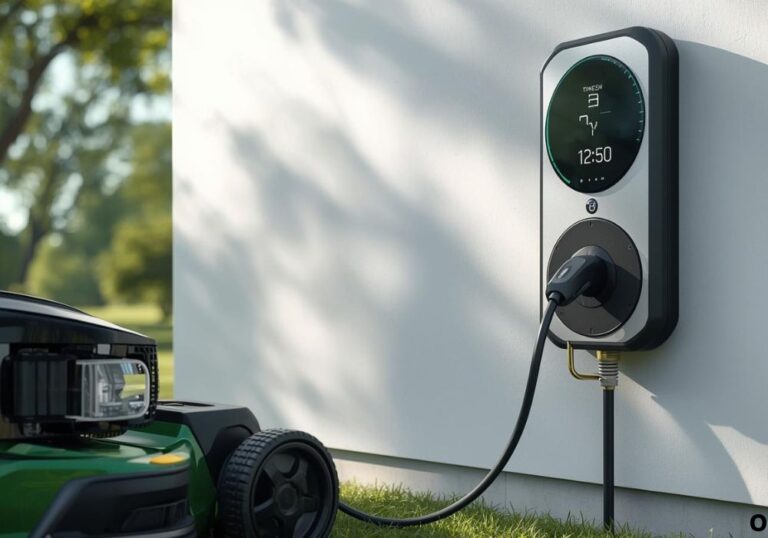
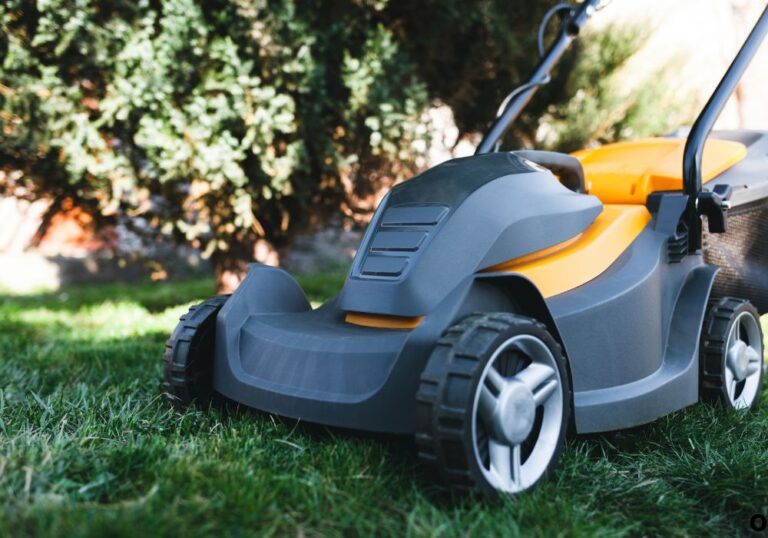
Cordless or battery-powered mowers offer freedom from cords and easy handling.
Modern lithium-ion batteries now provide impressive runtimes, often ranging from 40 to 80 volts depending on the brand.
Manual reel mowers remain the simplest and most sustainable option for compact lawns.
They’re quiet, require no electricity or gas, and give a clean, scissor-like cut that’s great for fine grass types.
While manual models are limited in efficiency, they excel in precision and sustainability.
For eco-conscious homeowners, they represent the purest form of lawn care with zero emissions.
Choosing the right power source ultimately depends on yard size, convenience, and personal preference.
Those seeking power and speed may lean toward gas, while users prioritizing low noise and eco-friendliness often choose electric or reel designs.
The Most Common Types of Lawn Mowers

Understanding the major types of lawn mowers helps you match your mower to your yard’s specific needs.
Each design is built to handle a different combination of lawn size, terrain, and user preference.
Push and Walk-Behind Mowers
Push mowers are the simplest and most budget-friendly option for small yards.
They rely on manual pushing or light self-propulsion, making them ideal for flat lawns under half an acre.
Walk-behind mowers are a step up, offering more cutting power and features.
They often include adjustable cutting heights, mulching capabilities, and even bagging attachments for convenience.
Self-propelled versions take things further by using powered wheels to move forward.
This makes mowing uphill or through thicker grass easier, reducing physical strain while maintaining a consistent pace.
These models typically come in front-wheel, rear-wheel, or all-wheel drive configurations.
Each provides a different level of control and traction, especially on uneven or sloped terrain.
Reel or Cylinder Mowers
Reel mowers cut grass using a set of rotating blades that slice cleanly against a stationary bar.
This technique provides an extremely neat, scissor-like finish, often favored by golf courses and perfectionists.
They are best suited for short, fine grasses and flat lawns that are regularly maintained.
Because reel mowers require manual pushing or light power assistance, they’re quiet and emission-free.
The main downside is that they struggle with tall or coarse grass and need frequent blade sharpening.
However, their eco-friendly nature and low operating cost make them an appealing choice for small yards.
Riding and Lawn Tractor Mowers
When it comes to covering large areas, riding mowers and lawn tractors are unmatched in speed and efficiency.
They allow users to sit and steer comfortably, reducing fatigue during extended mowing sessions.
Lawn tractors often feature powerful engines and wide cutting decks ranging from 30 to 60 inches.
Some models can even support attachments like trailers, aerators, or snow plows for year-round use.
Riding mowers are perfect for properties over an acre in size or those with open landscapes.
They strike a balance between comfort, durability, and raw cutting power, making them a favorite among serious lawn enthusiasts.
Zero-Turn Mowers
Zero-turn mowers are a professional-grade upgrade designed for speed and precision.
Their unique steering system lets each rear wheel move independently, allowing them to pivot on the spot.
This results in faster mowing times and cleaner cuts, especially around trees, fences, and flower beds.
With deck widths often exceeding 42 inches, zero-turn models are best suited for large, complex lawns.
Although they come with a higher price tag, their efficiency and maneuverability justify the investment.
Many landscaping professionals and homeowners with sprawling yards prefer zero-turns for their superior handling and time-saving performance.
Robotic Mowers
The newest evolution in lawn care is the robotic mower.
These smart devices operate autonomously, navigating via sensors and pre-set boundaries.
Robotic mowers can handle daily mowing schedules and automatically return to their charging docks when batteries run low.
They are quiet, energy-efficient, and require minimal supervision, making them ideal for busy homeowners.
However, their initial cost is higher, and setup can take time, especially when defining perimeter zones.
Still, their convenience, low noise, and consistent trimming are redefining modern lawn maintenance.
Each of these mower types serves a unique purpose based on yard conditions and user expectations.
Choosing wisely ensures not only a healthier lawn but also a more enjoyable mowing experience.
How to Choose — Matching Types of Lawn Mowers to Your Yard
Selecting the right type of lawn mower starts with understanding your yard’s unique characteristics.
Every factor—from size and slope to grass density and storage space—affects which mower will serve you best.
The yard size is often the first consideration.
Small lawns under a quarter acre usually do well with push or cordless electric mowers that balance control and affordability.
Medium lawns up to half an acre benefit from self-propelled models that minimize physical effort.
Their drive systems make mowing faster and more comfortable, especially when handling thicker grass.
For larger lawns or open properties exceeding an acre, riding or zero-turn mowers are more practical.
Their wide decks and powerful engines allow for faster mowing and less time spent maintaining vast areas.
Next comes terrain and slope.
Flat lawns are simple to maintain with almost any mower type, but uneven or sloped yards demand stronger traction and stability.
Rear-wheel or all-wheel drive mowers perform best on gradients, ensuring the machine doesn’t lose balance or speed.
Zero-turn models, while agile, may struggle on steep slopes where stability becomes a concern.
The type of grass also matters.
Thick or coarse grasses like Bermuda or St. Augustine require strong engines or sharper blades for clean results.
Delicate grasses, on the other hand, thrive under reel mowers that provide a fine, even trim.
Regular maintenance of the blade sharpness ensures your lawn remains lush and uniform.
Finally, think about maintenance and convenience.
If you prefer low upkeep, electric or robotic mowers save time and eliminate the need for oil changes and refueling.
Gas mowers, while more powerful, demand regular servicing and higher running costs over time.
A reel mower offers simplicity but may need frequent sharpening to stay effective.
Your lifestyle and schedule play a key role in the decision too.
Busy homeowners often choose robotic mowers for their hands-free operation, while DIY enthusiasts enjoy the control of walk-behind designs.
Budget also determines how far you can go in terms of comfort and features.
While entry-level push mowers start around modest prices, high-end zero-turn or robotic models can cost thousands but last for years.
Ultimately, the best type of lawn mower is one that fits your property size, terrain, and daily routine.
A well-matched mower not only saves money and effort but keeps your yard looking professional all year round.
Key Features & Specs to Compare Among Lawn Mowers
Once you understand the types of lawn mowers, the next step is learning which features truly matter.
These specifications determine how efficient, durable, and user-friendly your mower will be over time.
Cutting Deck Width
The cutting deck defines how much grass the mower can trim in a single pass.
Smaller decks around 14–21 inches are ideal for compact yards and tight spaces, while larger decks exceeding 42 inches are better for big lawns.
A wider deck reduces mowing time but may make maneuvering around obstacles more difficult.
Finding the right balance between width and agility ensures optimal results for your property layout.
Cutting Height Adjustment
Grass height plays a critical role in lawn health and appearance.
Most modern mowers feature adjustable cutting heights that range from 1 to 4 inches, giving you control over the finish.
Being able to switch easily between short summer cuts and longer protective trims helps prevent grass stress.
It also keeps your lawn greener and more resistant to drought.
Blade Type and Mowing Modes
Different mowing modes—mulching, bagging, and side discharge—determine how grass clippings are handled.
Mulching blades finely chop the clippings, returning nutrients to the soil naturally.
Bagging systems collect debris for a cleaner finish, ideal for formal lawns or when tackling heavy growth.
Side discharge is perfect for large, open yards where speed matters more than cleanup.
Selecting a mower with multiple cutting modes provides flexibility for all lawn conditions.
Look for models that make switching between modes quick and tool-free.
Power and Performance
In gas mowers, horsepower or cubic centimeters (cc) indicate strength and endurance.
Higher engine capacity means better performance on thick, damp grass.
For cordless models, battery voltage and amp-hour ratings reveal how long the mower can run before recharging.
Modern 40V to 80V systems now rival small gas engines in power and convenience.
Choosing a mower with enough output to match your yard’s density ensures cleaner cuts and fewer stalls.
For uneven terrain, power consistency becomes even more essential.
Drive System and Maneuverability
If you prefer a walk-behind mower, drive type makes a big difference in handling.
Front-wheel drive works best on flat ground, while rear-wheel drive improves traction on slopes.
All-wheel drive systems combine both benefits for mixed terrains and high control.
For larger lawns, zero-turn or riding mowers excel in maneuverability, helping you cut close around trees and garden edges.
Maintenance and Durability
Maintenance determines how long your mower will last and how well it performs each season.
Gas engines require oil changes, filter replacements, and periodic blade sharpening.
Electric and robotic models, by contrast, need minimal upkeep aside from battery care and occasional cleaning.
Durable materials like steel decks offer longer life than plastic but add extra weight.
Warranty and Parts Availability
A reliable warranty adds peace of mind when investing in a mower.
Most reputable brands offer coverage between 2 to 5 years, often including repair or replacement of critical components.
Easily available replacement parts, such as blades, batteries, and filters, also ensure longevity.
When choosing among the types of lawn mowers, prioritize models from trusted brands with strong after-sales support.
Paying attention to these specs allows you to invest in a mower that’s efficient, durable, and suited to your unique lawn.
A well-chosen combination of power, width, and features can turn routine mowing into an effortless, satisfying experience.
Conclusion
Choosing among the many types of lawn mowers isn’t just about picking a machine that cuts grass.
It’s about finding the right balance between performance, comfort, and long-term value for your lawn’s unique needs.
From push and reel mowers that favor precision to riding and zero-turn models built for speed and coverage, every type offers distinct advantages.
Electric and robotic versions are now redefining convenience, proving that smart technology can make lawn care nearly effortless.
The key lies in understanding your yard—its size, terrain, and the kind of grass you grow.
A mower perfectly matched to those conditions won’t just save time but will also promote healthier, greener growth throughout the year.
Before purchasing, consider how often you mow, the terrain you face, and how much maintenance you’re willing to handle.
Sometimes the simplest choice delivers the best results, while advanced models pay off through efficiency and durability.
With the right mower, maintaining your lawn becomes less of a chore and more of a routine you can enjoy.
The right decision today ensures a clean, consistent cut and a lawn you’ll be proud to showcase every season.

I’m Maya L. Greenwood, a lifelong plant lover who believes anyone can grow something beautiful with the right guidance. After years of testing soil mixes, pruning methods, irrigation tricks, and pest-safe solutions, I started EasyGardenTips.com to turn hard-won lessons into step-by-step advice. From seed starting and container gardens to composting and seasonal checklists, my goal is to make gardening simple, sustainable, and fun.