What Thread Is Garden Hose? Complete Buying Guide
Connecting garden hoses to sprinklers, nozzles, or outdoor faucets seems simple, yet many homeowners face frustrating leaks or poor water flow. Often, these problems arise from using the wrong thread type, causing connections to fail unexpectedly.
Understanding what thread is garden hose is essential for ensuring compatibility with fittings and adapters. Using the wrong thread can lead to leaks, reduce water pressure, and even damage equipment over time.
Did you know that mismatched hose connections contribute to significant water wastage? According to the U.S. Environmental Protection Agency, households lose nearly 1 trillion gallons of water annually due to leaks (epa.gov). Properly matched threads not only prevent water loss but also save money and protect the environment.
Garden hoses typically use Garden Hose Thread (GHT), while some equipment may rely on National Pipe Thread (NPT) or other standards. Recognizing the differences and measuring threads accurately ensures a secure, leak-free connection. This knowledge is especially valuable when purchasing new fittings, adapters, or replacement hoses.
Understanding Garden Hose Threads

Garden hose threads are a critical aspect of ensuring proper water flow and leak-free connections. While hoses may appear similar, the thread type determines which fittings, adapters, and nozzles are compatible. Using the wrong thread can result in leaks, inefficient watering, and even damage to connectors or the hose itself.
Common Garden Hose Thread Types
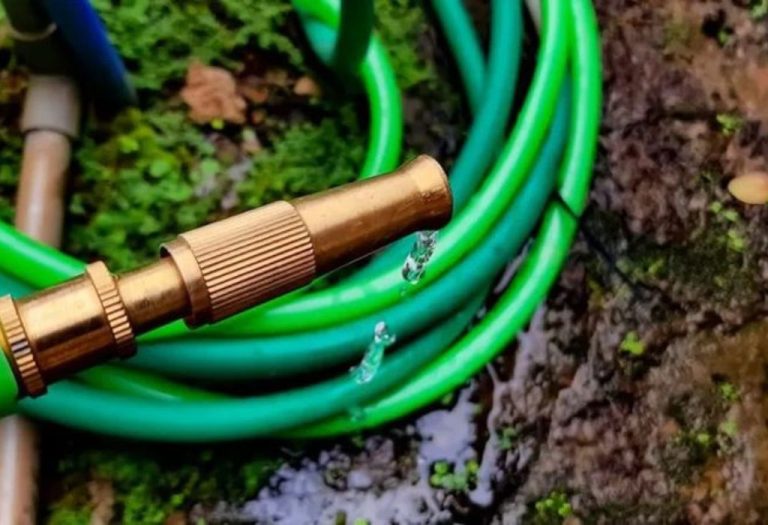
The most widely used thread for garden hoses is Garden Hose Thread (GHT). It is a standardized 3/4-inch size used in most residential hoses across the United States. GHT threads are designed to create a tight, leak-proof seal using a rubber washer or gasket. This thread type is commonly found on hoses, sprinklers, spray nozzles, and quick-connect fittings.
Another thread type often encountered is National Pipe Thread (NPT). NPT is primarily used in plumbing applications rather than hoses, but some irrigation or outdoor equipment may incorporate it. The key difference between NPT and GHT lies in the taper and sealing method: NPT relies on thread friction, while GHT uses a washer or gasket. Understanding this distinction is crucial when selecting adapters or connecting hoses to equipment with different thread standards.
For international applications, British Standard Pipe (BSP) threads may also be encountered. While not common in the U.S., BSP threads are standard in Europe and other regions. Using BSP-compatible fittings ensures compatibility with imported nozzles, sprinklers, or other garden equipment. Awareness of these variations helps homeowners avoid costly mistakes and prevents leaks from improper connections.
Thread Pitch and Thread Size
Thread pitch refers to the number of threads per inch, while thread size indicates the diameter of the threaded section. Both measurements are essential for ensuring a snug, leak-proof connection. Measuring thread pitch and diameter accurately helps homeowners identify whether a hose will fit a particular fitting or adapter. Tools like thread gauges and calipers provide precise measurements for matching hoses and fittings.
Material Considerations
Hose threads are commonly manufactured from brass, plastic, or aluminum. Brass threads are durable, corrosion-resistant, and often preferred for long-lasting connections. Plastic threads are lightweight and affordable but may wear faster under frequent use. Aluminum threads provide a balance between durability and cost but can be prone to stripping if over-tightened. Selecting the right material ensures the longevity of hoses and fittings, reduces maintenance, and prevents leaks.
Importance of Compatibility
Ensuring compatibility between the hose thread and connected equipment is vital for leak-free performance. Incompatible threads can lead to stripped connectors, water pressure loss, and wasted water. By understanding thread types, pitch, size, and material, homeowners can make informed decisions when purchasing hoses, fittings, or adapters.
This section lays the foundation for measuring and identifying hose threads accurately, which is covered in the next part of the guide. Understanding thread characteristics empowers homeowners to achieve efficient, leak-free water delivery and reduces frustration with mismatched garden equipment.
Identifying Your Garden Hose Thread Size
Knowing the exact thread size of a garden hose is essential for ensuring proper connections and avoiding leaks. Even hoses that look identical may have slightly different thread sizes or pitches, which can create problems when connecting nozzles, sprinklers, or adapters. Accurate identification allows homeowners to select compatible fittings and maintain efficient water flow.
Visual Inspection
The first step in identifying a hose thread is a careful visual inspection. Look at the hose end and examine the threads for uniformity and wear. Standard Garden Hose Thread (GHT) is typically 3/4 inch in diameter, but older hoses or international models may differ slightly. Inspecting the threads helps detect obvious damage or deformation, which can affect compatibility and sealing.
Measuring Thread Diameter
Thread diameter is a key indicator of compatibility. Using a caliper or ruler, measure the outer diameter of the threaded section. Standard GHT hoses measure approximately 0.75 inches (19 mm), while NPT and BSP threads vary in size. Precise measurement ensures that replacement fittings or adapters fit securely and form a leak-proof seal.
Determining Thread Pitch
Thread pitch, the distance between consecutive threads, determines how tightly a fitting will screw onto the hose. A thread pitch gauge can be used to count threads per inch, confirming compatibility with fittings or adapters. Matching the pitch correctly prevents cross-threading, which can damage both the hose and connected equipment.
Using Specialized Tools
Calipers, thread pitch gauges, and screw-on adapters make thread identification easier and more accurate. For hoses with worn or damaged threads, using a gauge ensures precise measurement despite wear. Some adapters are designed to fit multiple thread types, providing flexibility for hoses with unclear markings.
Common Thread Sizes and Variations
While 3/4-inch GHT is standard, some hoses may use 5/8-inch or 1/2-inch threads, particularly in older or international models. British Standard Pipe (BSP) threads, common in imported equipment, differ in pitch and diameter from U.S. GHT standards. Knowing these variations allows homeowners to choose the correct adapters or replacement fittings, ensuring a secure, leak-free connection.
Importance of Accurate Identification
Accurately identifying the thread size prevents leaks, reduces water wastage, and avoids damage to both hoses and fittings. Correct identification also saves time and money by eliminating trial-and-error attempts with incompatible adapters. For anyone purchasing new hoses, nozzles, or sprinklers, knowing the thread size ensures a seamless, functional watering system.
By mastering visual inspection, measurement, and pitch determination, homeowners can confidently match hoses with compatible fittings. This knowledge forms the foundation for making informed decisions when repairing, replacing, or upgrading garden hoses and related equipment.
GHT vs NPT: Understanding the Difference
Understanding the difference between Garden Hose Thread (GHT) and National Pipe Thread (NPT) is crucial for selecting compatible fittings and avoiding leaks. While both involve threaded connections, their design, sealing methods, and applications vary significantly. Using the wrong thread type can result in water loss, damaged connectors, or inefficient water flow.
Thread Design
GHT threads are straight and uniform, designed to create a seal using a rubber washer or gasket. The threads themselves do not create the seal; the gasket provides the leak-proof connection. NPT threads, on the other hand, are tapered. As the threads tighten, they compress against each other, forming a seal through thread friction rather than a gasket. Understanding this difference ensures that users apply the correct sealing method for each thread type.
Seal Type
GHT relies on a washer or rubber gasket to create a watertight connection. This makes GHT ideal for garden hoses, sprinklers, and nozzles where frequent connection and disconnection occur. NPT uses thread sealants or Teflon tape to fill gaps between tapered threads, providing a more permanent seal suited for plumbing systems rather than hoses. Choosing the wrong seal type can lead to leaks and unnecessary wear on the hose or fitting.
Applications
GHT is standard for residential hoses in the United States. It is found on garden hoses, quick-connect fittings, spray nozzles, sprinklers, and many hose-end accessories. NPT is used primarily in plumbing, irrigation systems, and industrial applications where a permanent, high-pressure seal is needed. Recognizing the intended application helps avoid mismatched connections.
Compatibility Considerations
GHT and NPT threads are not directly compatible. Attempting to connect a GHT hose to an NPT fitting without an adapter can damage threads and result in leaks. Special adapters are available to bridge the difference between the two standards, ensuring secure connections while maintaining proper sealing.
Adapters and Conversions
Adapters allow hoses with GHT threads to connect to NPT-threaded equipment. These adapters come in various materials such as brass or plastic and are designed for durability and leak prevention. Proper installation involves using thread tape or sealant on NPT threads while ensuring the GHT washer is intact for a secure fit.
Importance of Correct Thread Matching
Correctly identifying and matching threads prevents leaks, water wastage, and equipment damage. It also extends the lifespan of hoses and fittings, ensuring reliable performance over time. Understanding GHT versus NPT empowers homeowners to make informed choices when purchasing hoses, fittings, and adapters.
By recognizing the differences in design, seal type, and application, homeowners can maintain efficient, leak-free water delivery in gardens, lawns, and irrigation setups.
Choosing the Right Fittings and Adapters
Selecting the appropriate fittings and adapters is essential for a reliable, leak-free garden hose system. Using incorrect or low-quality fittings can lead to water loss, poor performance, and premature wear of both the hose and connected equipment. Understanding material choices, compatibility, and installation practices ensures long-lasting, efficient connections.
Material Selection
Fittings are commonly made from brass, plastic, or aluminum. Brass fittings are highly durable, resistant to corrosion, and ideal for long-term use. Plastic fittings are lightweight and affordable but may wear or crack under frequent use. Aluminum fittings offer a balance of cost and durability but can be prone to stripping if over-tightened. Choosing the right material based on usage frequency and environmental conditions helps prevent leaks and reduces maintenance needs.
Durability and Longevity
The material and design of fittings influence their lifespan. Brass fittings maintain structural integrity under high pressure and frequent connection cycles. Plastic fittings are more susceptible to cracking, especially under UV exposure or freezing temperatures. Selecting durable fittings reduces the likelihood of recurring repairs and ensures a consistent water flow.
Weather Resistance
Outdoor hoses and fittings are exposed to various weather conditions. High-quality fittings resist corrosion from rain, UV damage from sunlight, and cracking from freezing temperatures. Weather-resistant materials extend hose life and maintain reliable performance across seasons.
Ease of Use
Some modern fittings include quick-connect designs or ergonomic features that simplify attachment and removal. These user-friendly fittings reduce strain and ensure proper alignment, preventing cross-threading or leaks. Quick-connect systems are particularly helpful for frequent hose changes or irrigation setups requiring multiple connections.
Types of Adapters
Adapters allow hoses with GHT threads to connect to equipment with NPT or BSP threads. Brass adapters provide durability, while plastic adapters offer a budget-friendly solution for temporary connections. Selecting the correct adapter size ensures a secure, leak-free seal between different thread types.
Installation Tips
Proper installation of fittings and adapters is crucial for a reliable connection. Ensure washers are intact in GHT connections and apply thread tape or sealant to NPT threads as needed. Tighten connections firmly but avoid over-tightening, which can strip threads and compromise the seal.
Importance of Compatibility
Matching thread type, size, and pitch is critical when choosing fittings and adapters. Incompatible components can cause leaks, reduce water pressure, and damage hose ends or connectors. Verifying compatibility before purchase ensures efficient water delivery and prolongs hose and fitting lifespan.
Selecting the right fittings and adapters not only prevents leaks but also supports sustainable use of garden hoses. Durable, compatible connections maintain water efficiency, reduce repair costs, and enhance overall outdoor watering performance.
Common Mistakes to Avoid
Even experienced gardeners and homeowners can make mistakes when working with garden hose threads, fittings, and adapters. Avoiding these common errors ensures leak-free performance, reduces water wastage, and extends the lifespan of hoses and connected equipment.
Using Incorrect Adapters
One frequent mistake is using an adapter that does not match the thread type or size. GHT and NPT threads are not directly compatible, and forcing connections can strip threads or damage washers. Always verify the thread type and select the correct adapter to maintain a secure, leak-proof seal.
Over-Tightening Connections
Over-tightening hoses and fittings can cause permanent damage. Excessive force may strip threads, crack plastic fittings, or deform washers. Connections should be tightened firmly but carefully to ensure a leak-proof seal without compromising the integrity of the components.
Ignoring Compatibility
Another common error is neglecting to match thread size and pitch. Even hoses that appear similar can have subtle differences in thread pitch, causing leaks or making connections difficult. Measuring thread diameter and using appropriate tools ensures proper compatibility between hoses, fittings, and adapters.
Neglecting Maintenance
Failing to inspect and maintain hoses regularly can lead to hidden problems. Small leaks, worn washers, and damaged connectors can escalate into major issues if not addressed promptly. Routine checks and timely repairs help maintain consistent water flow and prevent costly replacements.
Using Low-Quality Fittings
Opting for cheap, low-quality fittings may save money initially but often leads to frequent leaks, breakage, or poor performance. Investing in durable brass or weather-resistant fittings ensures long-term reliability and minimizes the risk of water wastage.
Importance of Avoiding Mistakes
Avoiding these errors prevents unnecessary water loss, reduces repair costs, and enhances the efficiency of your watering system. Correct installation and proper maintenance contribute to longer-lasting hoses and fittings, ensuring optimal performance for all outdoor watering tasks.
By understanding and addressing these common mistakes, homeowners can achieve a secure, leak-free garden hose setup. Proper attention to thread compatibility, connection torque, and material quality safeguards both equipment and water efficiency.
Tips for Maintaining Your Garden Hose and Threaded Connections

Proper maintenance of garden hoses and their threaded connections is essential for long-term performance. Regular care prevents leaks, reduces wear on fittings, and extends the lifespan of the hose, ensuring efficient water delivery for all outdoor tasks.
Inspect Threads Regularly
Check both the male and female ends of your hose for signs of wear, corrosion, or debris buildup. Damaged threads can prevent secure connections and cause leaks. Cleaning threads with a soft brush or cloth helps maintain a smooth surface for fittings and adapters.
Replace Worn Washers
Washers in GHT or other hose fittings are critical for a leak-proof seal. Over time, washers can flatten, crack, or deteriorate due to water pressure and UV exposure. Keeping spare washers on hand allows quick replacement and maintains the integrity of your hose connections.
Lubricate Threaded Connections
Applying a small amount of silicone-based lubricant to threads can ease connection and disconnection, reduce wear, and prevent sticking or cross-threading. Avoid petroleum-based lubricants, which can degrade rubber washers and gaskets over time.
Proper Storage Practices
Store hoses coiled loosely on a reel or hook to prevent kinks, twists, and unnecessary stress on connectors. Keep hoses out of direct sunlight and away from sharp edges or rough surfaces to reduce abrasion and UV damage. Winter storage should involve draining all water to prevent freezing and cracking.
Seasonal Checks
Before each watering season, inspect all threads, washers, and adapters. Replace any damaged parts, tighten loose connections, and ensure that adapters match the thread type and size of your hose. Routine seasonal checks help prevent leaks and maintain consistent water flow.
Benefits of Regular Maintenance
Regular maintenance minimizes water waste, reduces the need for frequent repairs, and ensures reliable performance. Well-maintained hoses and fittings enhance gardening efficiency and protect both the environment and your investment in quality equipment.
Maintaining threads, washers, and fittings not only preserves functionality but also reinforces all previous repairs and adaptations. Combining these practices with proper thread identification and compatible fittings creates a durable, leak-free watering system.
Conclusion
Understanding what thread is garden hose is essential for homeowners, gardeners, and anyone who frequently uses outdoor watering equipment. Correctly identifying thread types, sizes, and pitches ensures secure, leak-free connections and prevents water wastage.
Using the proper thread type—whether GHT, NPT, or BSP—along with compatible fittings and adapters, is crucial for reliable hose performance. Brass, plastic, and aluminum fittings each have specific advantages, and selecting the right material enhances durability and weather resistance. Proper installation, including intact washers and appropriate use of thread tape or sealants, ensures long-lasting connections.
Avoiding common mistakes, such as using incorrect adapters, over-tightening connections, or neglecting maintenance, prevents leaks and prolongs hose lifespan. Regular inspection and proactive care allow homeowners to identify issues early and make timely repairs, maintaining efficient water flow and minimizing repair costs.
By following these guidelines, homeowners can achieve a fully functional, leak-free watering system that supports healthy gardens and efficient outdoor cleaning. Proper thread identification, careful selection of fittings and adapters, and routine maintenance contribute to long-term reliability and sustainability.
Take the time to measure your hose threads, match them with compatible fittings, and implement proper maintenance routines. Doing so ensures consistent performance, reduces frustration, and maximizes the longevity of your garden hose system. Investing a little effort now saves time, money, and water over the years.
With the knowledge of thread types, proper installation, and preventative maintenance, every homeowner can maintain a dependable garden hose setup. Understanding what thread is garden hose empowers users to make informed decisions, avoid costly mistakes, and enjoy efficient, hassle-free watering for all outdoor projects.

I’m Maya L. Greenwood, a lifelong plant lover who believes anyone can grow something beautiful with the right guidance. After years of testing soil mixes, pruning methods, irrigation tricks, and pest-safe solutions, I started EasyGardenTips.com to turn hard-won lessons into step-by-step advice. From seed starting and container gardens to composting and seasonal checklists, my goal is to make gardening simple, sustainable, and fun.