Why Your String Trimmer Melts Line And How to Fix It
If you’ve ever asked why string trimmer melts line, you’re not alone! It’s a common problem for anyone new to yard work. This can be frustrating, making your trimming tasks take longer. Don’t worry, though; it’s usually an easy fix. We’ll explore the main causes and provide simple, step-by-step solutions to keep your trimmer working smoothly. Let’s start with the basics.
Reasons Why String Trimmer Line Melts
A string trimmer melting its line is usually due to heat. Several factors contribute to this, and recognizing them helps prevent the issue. These problems can range from the type of line being used to the way the trimmer is used. High temperatures are the main culprit behind this problem. Other contributing elements include the trimmer’s design, the engine’s or motor’s condition, and the user’s trimming habits. Knowing the cause is important for addressing the issue and keeping the trimmer running well.
The Impact of Heat on Trimmer Line
Heat is the primary factor in line melting. The friction generated between the line and the objects being trimmed, like grass, weeds, and anything else the line touches, causes significant heat buildup. This heat can be high enough to soften or even melt the trimmer line, especially if the user is trimming for a long time without breaks. Higher speeds also contribute to increased heat production. The environment can also be a factor; trimming on hot days can exacerbate the problem.
- Friction: The rapid spinning of the line creates friction as it contacts the ground and plants, producing heat. This is the main reason why line melts.
- High Speeds: Trimmers with high speeds generate more friction and thus more heat. This is especially true for electric trimmers, which often operate at a consistent speed.
- Engine Overheating: If the engine or motor of the trimmer overheats, this heat can transfer to the line spool, contributing to melting.
- Line Type: Some line materials are more resistant to heat than others. Using a line that’s not rated for the trimmer’s speed and usage can cause it to melt.
- Continuous Use: Trimming for extended periods without stopping to let the trimmer cool down can lead to overheating and melting.
For example, imagine a homeowner who trims for over an hour without breaks on a hot day. The heat from the friction, combined with the hot weather, causes the line to melt rapidly, leading to frequent interruptions. Another scenario could involve a landscaping business that uses its trimmers several hours a day, potentially facing the same issues if the machines aren’t properly maintained or cooled.
Choosing the Right String Trimmer Line
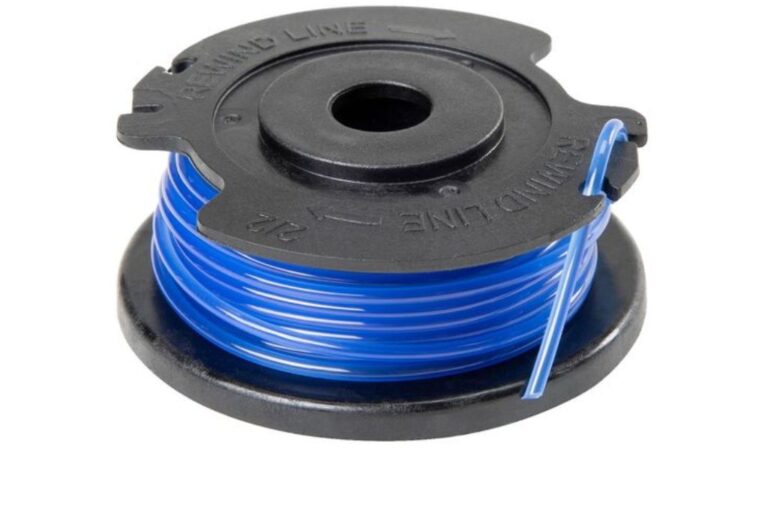
Selecting the correct line for your string trimmer is very important for preventing melting. Different trimmer lines are made from various materials and come in different thicknesses, each with different heat resistance. The trimmer’s speed and type (electric or gas) play a role in choosing the correct line. Selecting the wrong type can lead to melting, breakage, and less efficient trimming. The right line improves performance and reduces frustrating issues.
Material Matters: Line Types and Their Properties
Trimmer lines come in various materials, each with unique properties regarding heat resistance and durability. The most common materials include nylon, co-polymer, and metal-infused lines. Nylon is often the standard choice, suitable for basic trimming tasks. Co-polymer lines typically offer higher durability and greater resistance to melting. Metal-infused lines, such as those containing aluminum or other metals, are often very durable, suitable for heavy-duty tasks, and can be more heat resistant.
- Nylon Lines: These are the most common and generally suitable for regular use. They are usually less expensive but can melt more quickly.
- Co-Polymer Lines: These lines have better durability and resistance to wear and tear. They often have a higher melting point, making them a good option for heavier use.
- Metal-Infused Lines: These combine nylon with metal particles like aluminum or steel. They are designed for tougher jobs and offer very good heat resistance.
- Shaped Lines: Lines come in different shapes, such as round, square, or star-shaped. These shapes impact the cutting performance and can also influence heat production.
- Line Thickness: The thickness of the line influences its strength and ability to resist wear. Thicker lines are often more durable and more resistant to heat, suitable for demanding tasks.
Consider a landscaping professional using different lines. For light trimming around flower beds, the professional might select a standard nylon line. For cutting through thick weeds along a fence, a co-polymer or metal-infused line would be a better choice, as it will hold up to the work more efficiently and resist melting. Another example could be a homeowner using a thicker, square-shaped line to cut through tough grass, which proves more effective compared to a round, thin nylon line.
Operating Your String Trimmer Effectively

The way you operate your string trimmer influences the amount of heat generated. Using the trimmer properly, paying attention to its speed, and taking breaks can greatly reduce the chances of the line melting. Trimming techniques, such as avoiding continuous contact with the ground and working at the right speed, play a major role. Good practices can lead to longer line life and better results. Knowing these practices helps make your trimming jobs easier and more effective.
Techniques for Minimizing Heat Buildup
Several methods can help minimize heat and prevent line melting while trimming. Proper techniques include using the right trimming speed, avoiding prolonged contact with surfaces, and working in short bursts. These methods not only reduce heat generation but also lead to a more effective trimming experience. Taking short breaks also gives the machine a chance to cool down, further preventing the line from melting.
- Trim at the Right Speed: Don’t always run the trimmer at full throttle. Use the lowest speed that’s effective for the job. Lower speeds generate less friction and heat.
- Avoid Prolonged Contact: Don’t let the line constantly rub against the ground or other surfaces. This generates unnecessary heat and can cause the line to wear and melt quickly.
- Trim in Short Bursts: Instead of continuously trimming for long periods, work in intervals with brief pauses. This allows the line and the trimmer to cool down.
- Overlap Trimming: Overlap each pass slightly to ensure a clean cut, but avoid excessive overlapping that increases friction.
- Keep the Spool Clean: Remove any debris, such as grass and dirt, from the trimmer head to prevent added friction.
For example, a homeowner mowing their lawn might use these techniques. They can use a lower speed setting to trim along the edges of a garden bed. Instead of continuous contact with the ground, they should use a sweeping motion to slice through the grass. Working in bursts with breaks gives the trimmer a chance to cool down. Another situation might involve a landscaper working on a large property. The landscaper could vary the speed depending on the thickness of the grass and take regular breaks to avoid overheating and line melting.
String Trimmer Design and Maintenance
The design of your string trimmer and how you maintain it play a large part in preventing line melting. Trimmer design affects airflow and heat dissipation, and regular upkeep ensures the machine runs at its best. Taking care of your trimmer means it will work better and last longer. Good maintenance, combined with an understanding of the trimmer’s design, will keep your line from melting and your yard looking good.
How Trimmer Design Affects Heat Dissipation
The design of a string trimmer affects how heat dissipates from the motor or engine, which can influence how quickly the line melts. Proper airflow and the materials used in the trimmer’s construction play a significant role. Airflow is very important, as it helps cool the engine or motor. The design of the trimmer head also affects the amount of heat generated by friction. Consider trimmers with better airflow designs or heads that reduce friction as being more efficient at preventing line melting.
- Ventilation: Look for trimmers with good ventilation to allow air to flow around the motor or engine.
- Head Design: The trimmer head’s design affects how the line spins and contacts surfaces. Smoother designs can reduce friction and heat.
- Material of Construction: Trimmers made from materials that absorb and dissipate heat can help prevent overheating.
- Motor Placement: The positioning of the motor or engine impacts how heat is released. Designs that separate the motor from the trimmer head can reduce heat transfer.
- Cooling Fans: Some trimmers include cooling fans to help dissipate heat from the motor, which reduces the chance of line melting.
For instance, an electric trimmer with an open design and good ventilation will release heat better. A gas trimmer with proper airflow around the engine will also run cooler. Another illustration is the design of the trimmer head. Heads that minimize the contact area between the line and the ground will also reduce heat buildup. Users who pay attention to these design aspects can prevent line melting more effectively.
Maintenance Tips to Prevent Melting
Regular maintenance is important for preventing your string trimmer from overheating and melting the line. Routine tasks include keeping the trimmer clean, checking the engine or motor, and making sure the line is fed correctly. A well-maintained trimmer performs better and lasts longer. Taking care of your machine will not only prevent line melting but also improve trimming efficiency and extend its life. Proper upkeep helps guarantee that your trimmer is always ready to use.
- Clean the Trimmer: Remove grass, dirt, and debris from the trimmer head and the engine or motor.
- Check the Line Feed: Make sure the line feeds smoothly and doesn’t get stuck, as this can cause friction and heat.
- Inspect the Motor/Engine: For gas trimmers, check the spark plug, air filter, and fuel lines. For electric trimmers, inspect the motor for any signs of damage.
- Lubricate Moving Parts: Follow the manufacturer’s instructions for lubricating the trimmer’s moving parts.
- Store Properly: When not in use, store the trimmer in a dry, shaded area to protect it from extreme heat.
Consider a scenario where a homeowner neglects to clean the trimmer head. Over time, grass and debris accumulate, increasing friction and heat, and eventually melting the line. By cleaning the trimmer after each use, the homeowner can prevent this problem. Another example involves a landscaping business where the crew regularly checks and maintains their trimmers. Regular spark plug checks, air filter replacements, and lubrication keep the machines working smoothly, preventing overheating and extending the line’s life.
Frequently Asked Questions
Question: Why is my trimmer line melting quickly?
Answer: Frequent line melting can be due to several reasons, including the type of line, excessive heat from friction, the trimmer’s speed, or a mechanical issue.
Question: What type of string trimmer line is best for reducing melting?
Answer: Co-polymer or metal-infused lines are better than standard nylon lines. These lines resist higher temperatures and are designed for heavier use.
Question: How can I prevent the trimmer line from melting when edging?
Answer: Avoid pressing the line directly against the pavement. Instead, angle the trimmer to use the tip of the line and sweep it gently for edging.
Question: Can hot weather cause the string trimmer line to melt?
Answer: Yes, high temperatures can exacerbate the problem. Heat from the environment increases the chances of the line melting. It can be a factor.
Question: How often should I take breaks when using my string trimmer?
Answer: Take breaks every 15-20 minutes, especially on hot days or during heavy-duty trimming. Let the trimmer cool down to prevent the line from melting.
Final Thoughts
Learning why string trimmer melts line is very important to keeping your yard work smooth. The main issues are usually heat from friction, using the wrong type of line, and operating the trimmer for too long. Choosing the correct line type and being careful about how you use your trimmer are essential. Keep the trimmer clean and make sure it’s properly maintained. Proper techniques involve trimming in short bursts and avoiding contact with hard surfaces. You’ll reduce the chance of line melting and make your yard work easier. Taking care of your string trimmer will extend its life and make sure it is always ready to trim!