Does Lawn Roller Work on Sandy Soil Effective or Not?
Figuring out if does lawn roller work on sandy soil is a common question, especially for those just starting with lawn care. Sandy soil has unique properties, which can make it tricky to manage. Don’t worry, though; it’s easier than you think! We’ll explore the best ways to tackle sandy soil, making your lawn greener and healthier. We will explore step-by-step guidance on using a lawn roller, so you can achieve the yard of your dreams. Let’s get started!
What Is Sandy Soil? Getting to Know Your Lawn’s Base
Sandy soil is made up of small, coarse particles that don’t hold water or nutrients very well. This means your grass can struggle to get what it needs to grow. It often drains quickly, which can lead to dry patches and an uneven surface. It feels gritty when you rub it between your fingers, unlike clay soil, which feels sticky. The type of soil you have is key when selecting lawn care methods. Understanding the basics helps you select methods that actually work. Many factors influence the effectiveness of a lawn roller on sandy soil.
Identifying Sandy Soil and Its Challenges
Recognizing sandy soil is straightforward. Try the ‘squeeze test.’ Take a handful of damp soil and try to form it into a ball. If it crumbles easily and doesn’t hold its shape, it’s likely sandy. Sandy soil typically appears lighter in color, often a tan or light brown. The main problems are its poor water retention, rapid drainage, and difficulty in holding onto nutrients. This can lead to issues such as dry spots, stunted grass growth, and the need for frequent watering and fertilization. The loose composition also makes it susceptible to erosion. This is important to know whether you plan on using a lawn roller on it or not.
-
- Quick Drainage: Sandy soil drains water extremely fast, which means your grass often doesn’t get enough.
Water moves through sandy soil quickly, like water through a sieve. This prevents the grass roots from absorbing it before it drains away. The speed of drainage is a problem because it means that even if you water your lawn, the water may not stay long enough to benefit your grass. As a result, your grass gets thirsty quickly, and it can affect its growth.
-
- Poor Nutrient Retention: Sandy soil cannot hold onto essential nutrients like nitrogen, phosphorus, and potassium, which are needed for the grass to grow well.
Nutrients leach out of sandy soil because of the water that moves so rapidly through it. This means that even if you fertilize your lawn, the nutrients are likely to wash away before the grass can use them. So, your grass can suffer from nutrient deficiencies. The best solution is to add organic matter to improve the soil structure.
-
- Compaction Issues: Despite the quick drainage, sandy soil can compact over time, causing even more issues with water and nutrient movement.
The particles of sandy soil do not pack together very well, but they can still compact. Compaction reduces the spaces between soil particles, making it harder for water, air, and nutrients to move through the soil and reach the roots. A lawn roller can help to fix small compaction issues, but it can make others even worse. It is best to avoid using a lawn roller on heavily compacted sandy soil.
-
- Erosion Risks: Sandy soil is easily blown away by wind or washed away by rain, which can lead to bare patches and an uneven lawn surface.
The loose nature of sandy soil makes it vulnerable to being eroded by wind or water. Without the binding effects of organic matter and plant roots, the soil particles can be easily displaced, leaving behind bare areas. This erosion is particularly noticeable on slopes or in areas exposed to strong winds or heavy rain. Implementing techniques to stabilize the soil, such as planting ground cover, and applying mulch, helps protect against erosion.
How Sandy Soil Affects Lawn Health
Sandy soil dramatically impacts the health of your lawn, influencing its ability to thrive. Due to the limited capacity of sandy soil, it often causes stunted growth. The lack of nutrients means that the grass doesn’t have the building blocks it needs to grow strong and healthy. The rapid drainage results in frequent water stress, leading to a dry lawn that is not capable of withstanding environmental challenges. It can cause yellowing or browning, as the grass lacks essential nutrients. Because of this, it is necessary to consider the effect sandy soil has on the lawn, along with the effectiveness of a lawn roller. Remember, it can be a part of the solution but not the whole one.
-
- Stunted Growth: Your grass might grow slowly, or not at all, because it is not getting the nutrients it needs.
The inability of sandy soil to retain water and nutrients directly impacts the growth rate of grass. Essential nutrients like nitrogen, phosphorus, and potassium, critical for the grass’s development, quickly wash away. This deficiency affects the grass’s ability to produce chlorophyll, which is vital for photosynthesis. If your lawn is not getting the right things, the grass will not grow well.
-
- Yellowing or Browning: The lack of nutrients can turn your grass yellow or brown, as it struggles to survive.
The deficiency of essential nutrients in sandy soil causes the grass to exhibit visible signs of stress. Nitrogen deficiency often results in a yellowish hue, while lack of phosphorus or potassium can lead to browning, particularly on the leaf tips. These color changes indicate that the grass is not receiving the elements it requires for photosynthesis and overall well-being. Proper feeding with fertilizers can help this.
-
- Dry Patches: Sandy soil dries out quickly, leading to dry and patchy areas on your lawn.
The quick drainage of sandy soil means that water does not stay long enough to be absorbed by the grass roots. This leads to dry patches, especially during warm weather or drought. The lack of moisture stresses the grass, reducing its growth and making it susceptible to disease and damage. The uneven moisture distribution means that some parts of your lawn will thrive while others struggle.
-
- Thinning Turf: Over time, the poor conditions can cause the grass to thin out, leaving bare spots.
The challenges of sandy soil, such as nutrient deficiency and drought stress, weaken the grass plants over time. This makes them less able to withstand foot traffic, disease, or pests, leading to the gradual thinning of the turf. Bare spots start to appear as the grass dies off, opening the door for weed infestation and further soil erosion. The entire lawn can suffer if the soil quality is not improved.
Does Lawn Rolling Work on Sandy Soil? Benefits and Drawbacks

The use of a lawn roller on sandy soil is a topic that requires a careful approach. While a lawn roller can provide some benefits in terms of leveling and firming the surface, there are also potential issues related to the soil’s structure and drainage. A balanced understanding of both the advantages and disadvantages is essential to determine whether it is a suitable method for your particular situation. Consider the specific conditions of your lawn. This is very important before rolling. This helps you select the best ways to care for your lawn.
Potential Benefits of Rolling Sandy Soil
Using a lawn roller on sandy soil can offer a few advantages. For example, it can smooth out an uneven surface and provide a more uniform look. It is also a method for improving seed-to-soil contact when overseeding. However, because of the loose nature of the soil, the advantages are somewhat limited. To get the best results, you’ll likely need to complement rolling with other methods, such as soil amendments and proper watering.
-
- Surface Leveling: Rolling can help smooth out minor bumps and dips, making your lawn more even.
One of the primary advantages of using a lawn roller on sandy soil is its ability to smooth out minor surface irregularities. This is especially useful for addressing small bumps, depressions, or uneven spots. This is good for cosmetic improvements. However, a lawn roller is not suitable for dealing with significant changes in the landscape. For best results, use a roller for small tasks, and supplement with other methods for greater improvements.
-
- Seed-to-Soil Contact: After overseeding, rolling can press the seeds into the soil, improving germination rates.
If you’re overseeding your lawn, rolling can help. It presses the seeds into contact with the soil. This close contact is vital because it allows the seeds to absorb moisture and nutrients from the soil, which is essential for germination. By improving the seed-to-soil contact, rolling can help you achieve a thicker, more uniform lawn. However, make sure not to roll too deeply, as it can damage the seeds.
-
- Firming the Surface: Rolling can help firm up the soil surface, providing a better foundation for grass growth.
While sandy soil is loose and prone to compaction, a light rolling can help firm up the top layer. This makes the surface more stable and reduces the risk of footprints and other disturbances damaging your lawn. This firming can be helpful, but it is important to avoid over-rolling, as it can worsen compaction, especially in sandy soils. Always use a light touch, and assess the soil conditions before rolling.
Potential Drawbacks of Rolling Sandy Soil
Despite its benefits, using a lawn roller on sandy soil comes with certain drawbacks that need consideration. It is best to avoid compaction, which reduces the ability of the soil to let in air and water. Rolling can also be ineffective. Rolling is not a magic solution. It cannot fix all the problems associated with sandy soil. Because of these factors, it is very important to assess your soil. You can then determine if rolling is right for your yard.
-
- Compaction: Rolling can worsen compaction, reducing air and water flow.
One of the main disadvantages of using a lawn roller on sandy soil is the risk of compaction. The weight of the roller can compress the soil particles, reducing the pore spaces that are vital for air and water movement. This compaction can hinder root growth, restrict nutrient absorption, and make it difficult for grass to thrive. Excessive rolling can make the issues of sandy soil worse, and it’s best to avoid it.
-
- Ineffectiveness: Rolling may not significantly improve water retention or nutrient levels.
A lawn roller is not a cure-all for sandy soil issues. It does not address the fundamental problems such as poor water retention or nutrient deficiencies. Sandy soil naturally drains quickly and cannot hold onto nutrients. Rolling does little to counteract these problems. You should combine rolling with other techniques, like adding organic matter, to deal with these underlying problems.
-
- Risk of Damage: Rolling can damage existing grass, particularly if the soil is wet.
Rolling your lawn when the soil is wet can cause harm. The weight of the roller can crush the grass, creating depressions and damaging the root systems. This damage can slow the grass’s growth, and increase the likelihood of disease. If you are going to roll your lawn, make sure it is dry. Use a light roller and avoid doing it when the soil is overly saturated.
Alternative Techniques for Improving Sandy Soil
The best way to enhance sandy soil involves a combination of techniques designed to boost its ability to retain water and nutrients. You must add organic matter, which enhances soil structure and improves drainage. This involves applying compost, peat moss, or other organic materials. Additionally, it involves careful watering practices and the use of slow-release fertilizers. This will ensure that the grass receives a balanced supply of nutrients over time. By combining these methods, you can create a healthier lawn that is more resistant to stress. This will work far better than just rolling the lawn.
Adding Organic Matter
The addition of organic matter is a fundamental practice for improving sandy soil. Organic matter includes materials like compost, well-rotted manure, peat moss, and other plant-based materials. When you add these materials, it improves the structure, water retention, and nutrient-holding capacity of the soil. Doing so creates a healthier environment. This is important for the grass to thrive. This practice is essential for transforming sandy soil into a more suitable environment for grass growth.
-
- Compost: Adding compost enriches the soil with nutrients and improves its structure, making it less prone to compaction.
Compost is a nutrient-rich organic amendment that is great for improving sandy soil. It enhances the soil’s ability to retain water and increases its capacity to hold onto essential nutrients. When compost is added, it improves the soil’s structure, increasing the air spaces within it. This enables better drainage and makes it harder for the soil to compact. Apply a layer of compost each year to see results.
-
- Peat Moss: Peat moss increases water retention by absorbing and holding moisture within the soil, preventing rapid drainage.
Peat moss is another effective method for improving the properties of sandy soil. It has a high water-holding capacity. Peat moss helps retain moisture in the soil, which helps to counteract the quick drainage typical of sandy soils. By retaining moisture, peat moss reduces the need for frequent watering. It also provides a more stable moisture level. You can use it alone or in combination with other organic materials to achieve optimal results.
-
- Well-rotted Manure: Manure adds nutrients and improves soil structure, but it must be properly composted to avoid burning the grass.
Well-rotted manure is a rich source of nutrients, especially nitrogen, phosphorus, and potassium, which are vital for healthy grass growth. It also helps to improve the structure of sandy soil, making it less compact. It must be fully composted before you apply it to the lawn to prevent the risk of burning the grass. Properly composted manure gradually releases nutrients, which provides sustained nutrition for the grass. It is a good choice for people with sandy soil.
-
- Application: Apply organic matter to your lawn and incorporate it into the soil to improve its structure and nutrient content.
Adding organic matter correctly is a critical step in turning around the health of your sandy soil. The material is most effective when it is incorporated into the soil. For larger areas, this can be done using a tiller or a rototiller. For smaller areas, use a garden fork or shovel. Applying organic matter at the recommended rate will provide the best results. It is also important to maintain the correct soil pH levels for your grass type.
Watering Techniques for Sandy Soil
Effective watering practices are vital for lawns with sandy soil. Because sandy soil drains quickly, a shallow and frequent watering approach is usually ineffective. Instead, watering deeply and less frequently encourages deeper root growth, making the grass more resilient to drought. Regular monitoring of the soil moisture levels and adjusting the watering schedule based on weather conditions is vital. It is very important to avoid water runoff and ensuring that the water reaches the root zone. Doing this will ensure you are using water efficiently.
-
- Deep Watering: Water deeply but less frequently to encourage deep root growth.
Deep watering is a key technique for maintaining a healthy lawn on sandy soil. By watering deeply, you encourage the grass roots to grow further down into the soil where they can access moisture reserves. This approach is more efficient than frequent shallow watering. It also helps the grass be able to withstand periods of drought. The amount of water you use will vary depending on the local climate. However, you should always water slowly enough to allow the water to soak into the soil, rather than running off.
-
- Watering Schedule: Adjust your watering schedule based on weather conditions and soil moisture levels.
You should adapt your watering schedule to the changing weather and soil conditions to make sure that your grass gets the right amount of water. Check the soil moisture levels regularly. This can be done by using a soil moisture meter or simply sticking your finger into the soil. Adjust the watering frequency and duration based on weather conditions, such as temperature, rainfall, and wind. The idea is to make sure that the grass gets enough water without overwatering or allowing the soil to dry out.
-
- Avoid Runoff: Water slowly enough so the water has time to soak into the soil, preventing runoff.
Runoff wastes water and makes your lawn care less effective. It is important to water slowly enough so that the water can penetrate the soil rather than running off the surface. This can be done by using a sprinkler system that delivers water at a slower rate or by watering in short, frequent bursts. By avoiding runoff, you ensure that the water reaches the root zone. You will also minimize water waste. This is better for your grass and helps to reduce water bills.
-
- Timing: Water early in the morning to reduce water loss due to evaporation.
Watering your lawn early in the morning is the most effective approach for sandy soil. This will give the grass time to absorb water before the sun rises. Watering early in the morning reduces water loss from evaporation. It also reduces the risk of fungal diseases, which thrive in moist conditions. If you water early in the morning, the grass blades can dry out during the day, which helps to prevent these diseases from developing. Watering in the evening is not a good idea because of the risk of fungus.
Fertilizing Practices for Sandy Soil
Efficient fertilizing is another key aspect of caring for lawns with sandy soil. Since sandy soil does not hold onto nutrients well, it is best to use slow-release fertilizers. This will provide a steady supply of nutrients over time. Regular soil testing is a critical tool to see what nutrients are missing. It also helps to prevent over-fertilization, which can harm the environment. You should apply fertilizers, following the manufacturers’ instructions. The right fertilization program is essential for maintaining a lush and healthy lawn.
-
- Slow-Release Fertilizers: Use slow-release fertilizers to provide a steady supply of nutrients.
Because sandy soil does not retain nutrients for very long, slow-release fertilizers are a better choice. They release nutrients gradually over an extended period. This provides a steady supply of nourishment to the grass, which prevents the spikes and dips of standard fertilizers. Slow-release fertilizers come in many forms, including coated granules and organic fertilizers. Always choose a fertilizer formulated for the specific type of grass you have, and make sure that it contains the necessary nutrients.
-
- Soil Testing: Regularly test your soil to identify nutrient deficiencies and adjust your fertilizer program accordingly.
Regular soil testing is a crucial step for optimizing your fertilization practices and ensuring the health of your lawn. Soil tests reveal nutrient levels and pH. This will give you the information you need to make smart decisions about what to fertilize. Soil tests can highlight deficiencies, such as low levels of nitrogen, phosphorus, or potassium. You can then adjust your fertilizer plan accordingly. Make sure to choose a fertilizer that provides the specific nutrients your grass needs. Most of the time, this will make the difference between a weak and a healthy lawn.
-
- Frequency: Fertilize more frequently, but with smaller amounts, to prevent nutrient runoff.
Since sandy soil cannot hold onto nutrients, it is best to fertilize your lawn more often. You should use smaller amounts. This approach helps to deliver a steady supply of nutrients, while also reducing the risk of nutrient runoff, which can harm the environment. Apply fertilizer at the recommended rate. This will help to prevent over-fertilization, which can cause harm to the grass. You should also choose a fertilizer that is appropriate for your grass and the specific nutrient needs of your soil.
-
- Application: Apply fertilizer evenly and according to the manufacturer’s instructions.
For your lawn to benefit from fertilizer, it is important to apply it correctly. Make sure that you spread the fertilizer evenly across the lawn. This is best done with a broadcast spreader, or a drop spreader for smaller areas. Always follow the manufacturer’s directions, paying attention to the recommended application rate. Once you apply the fertilizer, water the lawn lightly. This helps the fertilizer to penetrate into the soil and reach the grass roots. If you follow this process, you will get the best results.
Rolling the Lawn: The Right Approach
If you’ve decided to use a lawn roller, it’s very important to approach it cautiously. If you do it at the wrong time or in the wrong way, you can end up causing more problems than you fix. You should evaluate your soil and follow the steps carefully. This will help you get the best results while avoiding issues such as compaction. You should only use the lawn roller as a part of your lawn care plan.
When to Roll (and When Not To)
Timing is a key factor when using a lawn roller. It is very important to roll the lawn under the right conditions to get good results. You should avoid rolling when the soil is overly wet or dry. If you have just had a frost, you should also avoid using a roller. Rolling at the wrong time can cause damage and defeat the purpose. Assess your soil conditions. This is the first step. Then, apply rolling as part of your yard maintenance.
-
- Ideal Conditions: Roll when the soil is slightly moist.
For the best results, roll your lawn when the soil is slightly moist. This means the soil should be moist enough that it can be compacted without being damaged. You can easily work with the soil. Test the soil by inserting a screwdriver or a similar tool. If it can easily penetrate the soil, then it has the right moisture content. If the soil is too dry, rolling will not be effective. If it is too wet, it can cause compaction.
-
- Avoid Wet Soil: Do not roll when the soil is wet, as it can cause compaction.
Rolling when the soil is wet is one of the worst things you can do for your lawn. This is very important to avoid. Wet soil is more easily compacted. The weight of the roller squeezes the soil particles together, and reduces the air spaces and water flow. If the soil is wet, the roller can damage the grass. Avoid rolling after heavy rain or after watering your lawn. Wait until the soil has dried out to a slightly moist condition.
-
- Avoid Dry Soil: Rolling dry soil is ineffective and can damage the grass.
Rolling your lawn when it is dry is not likely to be effective. The dry soil is difficult to compact, and the roller may not be able to achieve the desired effect. In dry conditions, the grass blades can be easily damaged, and rolling can make the lawn look worse. If the soil is dry, then you should consider watering your lawn before you start. Make sure you let it dry to a slightly moist condition before rolling.
-
- Frosty Weather: Do not roll immediately after a frost, as this can damage the grass.
Avoid rolling your lawn after a frost because frozen grass blades are brittle and vulnerable to damage. The weight of the roller can break the frozen blades, causing the lawn to look patchy and unhealthy. Wait until the grass has thawed completely and the soil is no longer frozen before rolling. This will help to prevent harm and ensure that your lawn remains healthy. It is best to schedule your lawn rolling for late spring or early summer.
Rolling Technique and Best Practices
When you start to use a lawn roller, it’s important to follow the correct techniques and methods. This helps to achieve the best results. You should always use a roller of the appropriate weight. You should avoid over-rolling. The right process will ensure an even, healthy lawn, and prevent damage to the soil and grass. A good rolling technique is important. Make sure that you follow the steps.
-
- Choose the Right Roller: Select a roller appropriate for your lawn size and soil conditions.
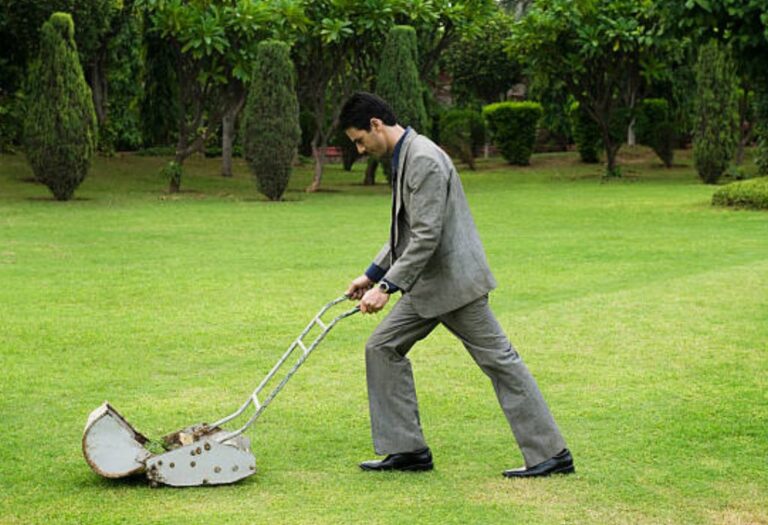
Selecting the right lawn roller is the first step in ensuring that you get the best results. When you select a lawn roller, it should be the appropriate size for your yard. You should also consider the weight. The weight of the roller should match the condition of the soil. A heavier roller may be suitable for more compact soil, while a lighter roller is best for sandy soil. To get the best results, you need to use the right equipment for the task.
-
- Rolling Direction: Roll in straight lines, overlapping each pass slightly.
When you use a lawn roller, you should roll your lawn in straight lines, and overlap each pass. The overlaps should be about 3-6 inches. Overlapping will ensure that you don’t miss any areas of the lawn. This is also important to ensure that you cover the entire area evenly. By rolling in straight lines, you also create a neat and uniform appearance. Following this process will help you achieve the best outcome.
-
- Speed: Roll at a slow, steady pace to avoid damaging the grass.
The pace you roll your lawn at is also important. The roller should be used at a slow, steady pace. This allows the roller to gently compress the soil. Doing this will also reduce the risk of any damage to the grass. Moving too quickly can cause the roller to bounce. The roller should move at a speed that allows for a smooth, even finish. Make sure that you are always in control of the roller, and you do not apply too much pressure.
-
- Frequency: Roll your lawn sparingly, and only when necessary.
Rolling should not be a frequent task. It should only be done when it is needed. Rolling your lawn too often can lead to compaction and damage to the grass. Rolling is best reserved for times when the soil needs leveling, or for seed-to-soil contact. Regular rolling is not necessary, and it can be harmful. You must assess the needs of the lawn, and roll only when appropriate.
Safety Considerations
Safety should always be a priority when you work with a lawn roller. You should wear protective gear, such as sturdy shoes and eye protection. You should also make sure the area is free from any obstacles. You must know how to operate the roller safely, avoiding any areas where children or pets may be present. Following these simple safety guidelines will protect you. It will also help to ensure you have a good experience.
-
- Protective Gear: Wear sturdy shoes and eye protection.
Always put on the right safety gear when you use a lawn roller. This should include sturdy shoes, to protect your feet. You should also wear eye protection. This will keep you safe from any debris that might fly up. Wearing gloves is also a good idea. This will give you a better grip. Doing these steps will keep you safe. Make sure you protect yourself when using equipment like a lawn roller.
-
- Clear the Area: Remove any obstacles, such as rocks and debris.
Before you begin rolling, you should clear your lawn of any obstacles. These obstacles could include rocks, branches, or any other debris. These objects can damage the lawn roller, or hurt you. Inspect the area for any holes or uneven surfaces, which you can mark and address before rolling. You must prepare the area properly. This is very important to ensure a safe and successful process.
-
- Operator Awareness: Be aware of the roller’s path and surroundings.
During the rolling process, you should always be aware of the roller’s path and surroundings. Know where the roller is going, and avoid any areas with obstacles. You should also be aware of any changes in terrain. This will allow you to adjust your speed and direction accordingly. Maintain a steady pace, and always have control over the roller. Your safety, and the safety of any others around you, should be your main concern.
-
- Children and Pets: Keep children and pets away from the rolling area.
You must keep children and pets away from the area while rolling. This helps to prevent accidents and ensures that the area is clear. Before you start, alert any children or pets in the area, and ensure that they understand they should stay away. The movement of the roller, combined with the equipment’s size, can pose risks. Taking these steps is very important to make sure everyone is safe and secure during the lawn-rolling process.
Frequently Asked Questions
Question: Can I use a lawn roller on sandy soil?
Answer: Yes, but with caution. Rolling can help with leveling and seed contact, but be careful not to compact the soil too much. Use it as part of a larger lawn care plan.
Question: What’s the best way to improve sandy soil?
Answer: Adding organic matter, like compost or peat moss, is key. Also, water deeply but less often, and use slow-release fertilizers for best results.
Question: When is the best time to roll my lawn?
Answer: Roll when the soil is slightly moist. Avoid rolling when the soil is wet, dry, or has just experienced a frost. Rolling at the right time is very important.
Question: How often should I roll my lawn?
Answer: Roll sparingly, only when needed to level uneven areas or for seed-to-soil contact. Avoid over-rolling to prevent compaction and damage to the grass.
Question: What safety precautions should I take when rolling my lawn?
Answer: Wear sturdy shoes and eye protection. Clear the area of obstacles, be aware of your surroundings, and keep children and pets away from the rolling area.
Final Thoughts
When it comes to does lawn roller work on sandy soil, the answer is a little complex. Lawn rollers can be useful for leveling and seed contact. However, the true path to a healthy lawn on sandy soil requires a more comprehensive strategy. Adding organic matter, like compost, is vital. This improves the soil’s structure, increases its water retention, and provides the nutrients your grass needs. Deep, less frequent watering encourages deep root growth. It helps your grass withstand dry periods. When you use fertilizers, choose slow-release options. This provides the right nutrients. Use a lawn roller with caution. Assess the conditions before you begin, and make sure that you are using the right techniques. You can transform your yard. If you take the time, you will soon get a thriving, green lawn.